
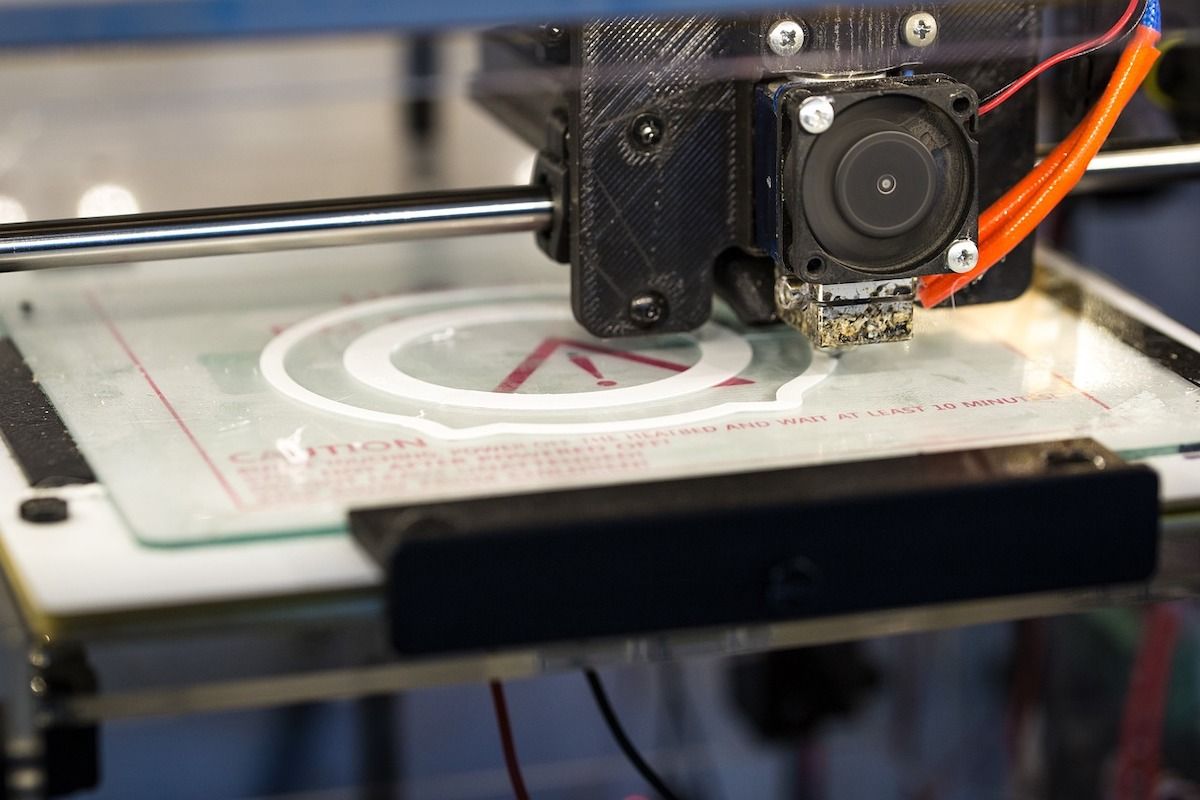
The technological development of cities and regions will be key for a future marked by the twin green and digital transition. With this conviction, a pioneering macro-study analyzes this issue and compares 288 European regions in 42 technological capabilities linked to digitalization and sustainability. Nanotechnology, virtual reality, 3D printing, and robotics are some of the technologies studied in the report, prepared by the Bertelsmann Foundation. The entity will present it in Barcelona on Tuesday, October 17, and will expose the opportunities available to European territories in the face of the twin transition.
Named Technological capabilities and the twin transition in Europe, it is a far-reaching and pioneering report in addressing this topic and doing so in a territory of this magnitude. In addition to portraying the situation of these 288 regions, it proposes avenues of collaboration between them to advance in the development of new technologies. Thus, the research identifies unexplored potential cooperation points throughout the EU, including territories in Spain. These will be detailed in the presentation event, which will be on October 17 at 5:30 p.m. in the Auditorium of the Ciutadella Campus of the UPF.
The event aims to answer questions such as which technologies are the most powerful in each region of Spain and Europe and what synergies can be promoted between them. How has Catalonia become a leading region? What strategies can connect it with other Spanish regions and the rest of Europe? These are some of the issues that various experts will dissect during the event.
This detailed analysis prepared by the Bertelsmann Foundation not only points out opportunities but also warns of challenges, such as the one generated by the innovation gap between technologically leading regions and those that are less developed in the technologies of the twin transition. The entity addresses this challenge from a proposal perspective, suggesting cooperation initiatives to undertake in the face of the heterogeneity of technological development levels among territories.
The importance of fostering regional collaboration at a European level and the relevance of supporting less developed regions, also in Spain, will be some of the issues addressed in the presentation of the report. The study has been prepared by Thomas Schwab, from the Bertelsmann Foundation in Germany; Ron Boschma, from the universities of Utrecht and Stavanger, and Pierre-Alexandre Balland, also from Utrecht University.
Education to combat the gap
These technological capabilities of the regions are also linked to education, which is why public educational transformation policies are required. Administrations must promote training in new technologies to prevent this gap and the differences between territories from widening. Precisely the Bertelsmann Foundation champions the commitment to Vocational Training (FP) and for companies to acquire a training role, in the modality known as dual FP. To this end, since 2015, the entity has been promoting the Alliance for Dual FP together with the Princess of Girona Foundation, the CEOE and the Chamber of Commerce.
The presentation of the report on technological capabilities will feature interventions by the Minister of Foreign Action and EU of the Generalitat, Meritxell Serret, and the director of the Representation of the European Commission in Barcelona, Manuel Szapiro. Also participating will be the director of the Bertelsmann Foundation, Clara Bassols, and the director of the Barcelona Institute for International Studies (IBEI), Jacint Jordana. The study will be presented by the co-director of Europe's Future Programme of the Bertelsmann Foundation in Germany, Malte Tim Zabel, and the project manager of Europe's Economy of the entity, Nathan Crist. It will be an event expected to be attended by representatives of economic, technological and social institutions.
To analyze the conclusions and scope of the study, as well as the double green and digital transition, the day will include an expert debate. It will be addressed by the associate professor of the University of Barcelona (UB) and senior associate researcher at IBEI Aina Gallego, and the associate professor of the Pompeu Fabra University (UPF) and affiliated professor at IBEI Andrea Noferini. A panel of experts to analyze from the Catalan capital the situation and opportunities of European regions in future technologies.
Add The New Barcelona Post as your preferred Google source for free
Stay informed with the latest news.
