
Catalonia is a territory with immense patrimonial wealth. In recent years, many economic resources have been allocated to the conservation and rehabilitation of museums, archaeological sites, monuments, and other spaces, but we must go further and socialize this heritage; promote that citizens approach and get to know it. And in this task, new technologies are the best allies.
With this objective, the Generalitat, through the Department of Culture, has promoted this year the project The Eyes of History. An immersive look at Catalan heritage, a pioneering initiative that reinterprets and renews the museographies of heritage spaces, betting on technological innovation and focusing on the educational field and territorial promotion.
Virtual reality, multimedia guides, and pedagogical programs renew the museographic experienceThe project premiered last summer at the new Rock Art Interpretation Center (CIAR) of La Roca dels Moros de Cogul and continued in November with actions at the Cartoixa d'Escaladei. Next yearThe Eyes of Historywill arrive at the Centre del Romànic del Vall de Boí, the Monestir de Sant Pere de Rodes and the Castell de Miravet.
The project's foundation centers on a new way of explaining specific moments in Catalonia's history and heritage through micro-stories that place the visitor in a specific time and place, emphasizing what is local and private, which allows transcending to the more universal and public. These new narratives are materialized through virtual reality glasses rooms, multimedia guides, and different interpretive resources and pedagogical programs in the heritage spaces.
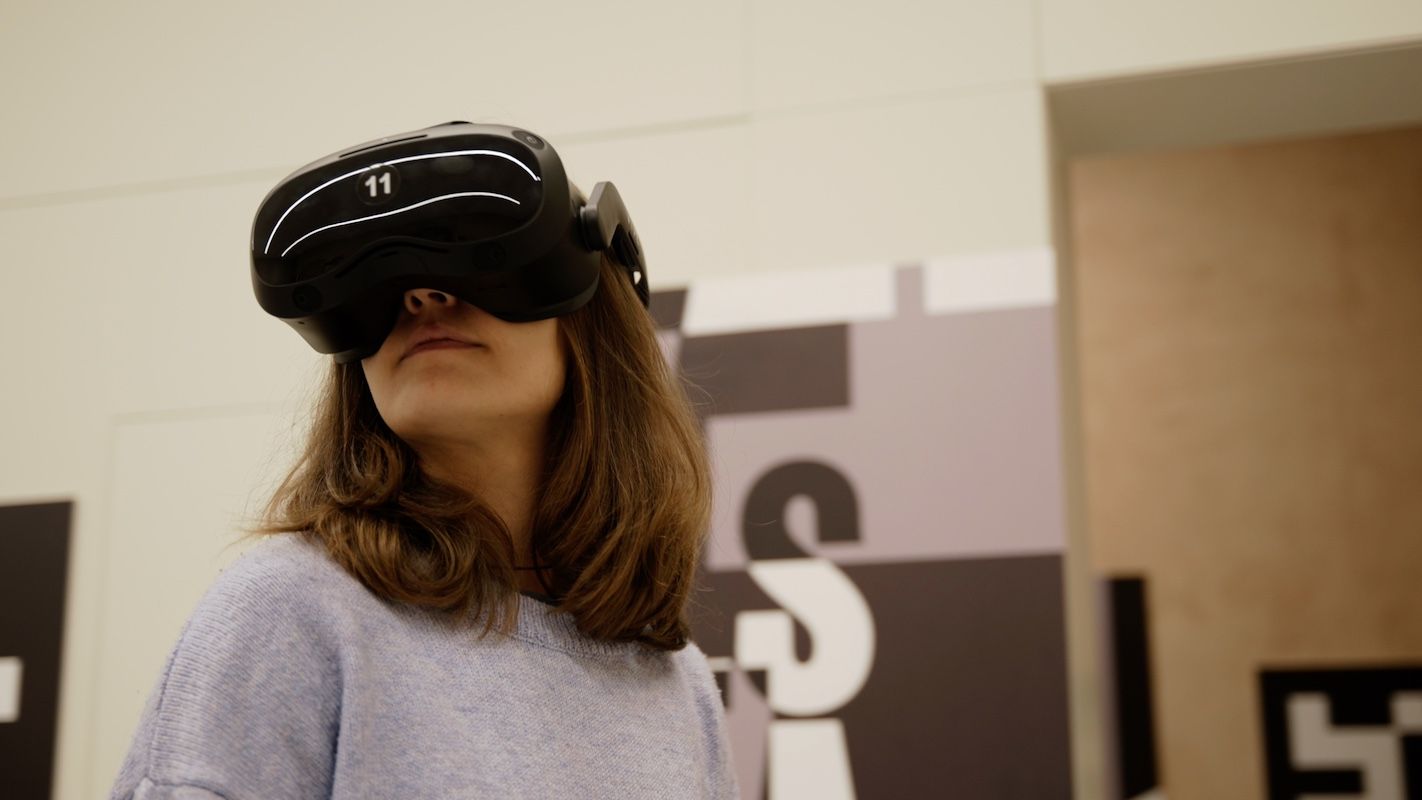
The culmination of the project was the inauguration on December 5th on the ground floor of the Palau Moja in Barcelona of the so-called Espai Moja. Catalunya: Patrimoni viu. This is a new free space dedicated to the promotion and dissemination of Catalonia's cultural heritage to all citizens.
The visit offers an immersion into Catalan cultural heritage incorporating digital technologies and new museographic resources. Large audiovisual spaces, virtual reality, holograms, and interactive elements configure an experience where technology facilitates the understanding and enjoyment of culture.
El Cogul, journey to prehistory
The museographic proposal of the project Ulls de la història in El Cogul aims to highlight the cave, offering visitors all the necessary resources to understand its importance and cultural transcendence. That is why the proposal offers an experience in which the metaverse and the exhibition presentation complement each other.
An immersive experience has been installed in the CIAR that allows visitors to embark on an authentic journey through time that begins with the memory of the discovery of the rock art complex by Ceferí Rocafort, the geologist who discovered the paintings of El Cogul.
Through this immersive experience, with virtual reality glasses, the project Els Ulls de la història not only transports us ten thousand years back, but also prompts us to reconsider the present, thanks to the use of virtual reality.
The new museography is complemented by the multimedia guide that accompanies visitors in the cave, and which is designed to offer an experience for all ages, integrating audio and images to enrich the visit, making it accessible with sign language guide and audio descriptions.
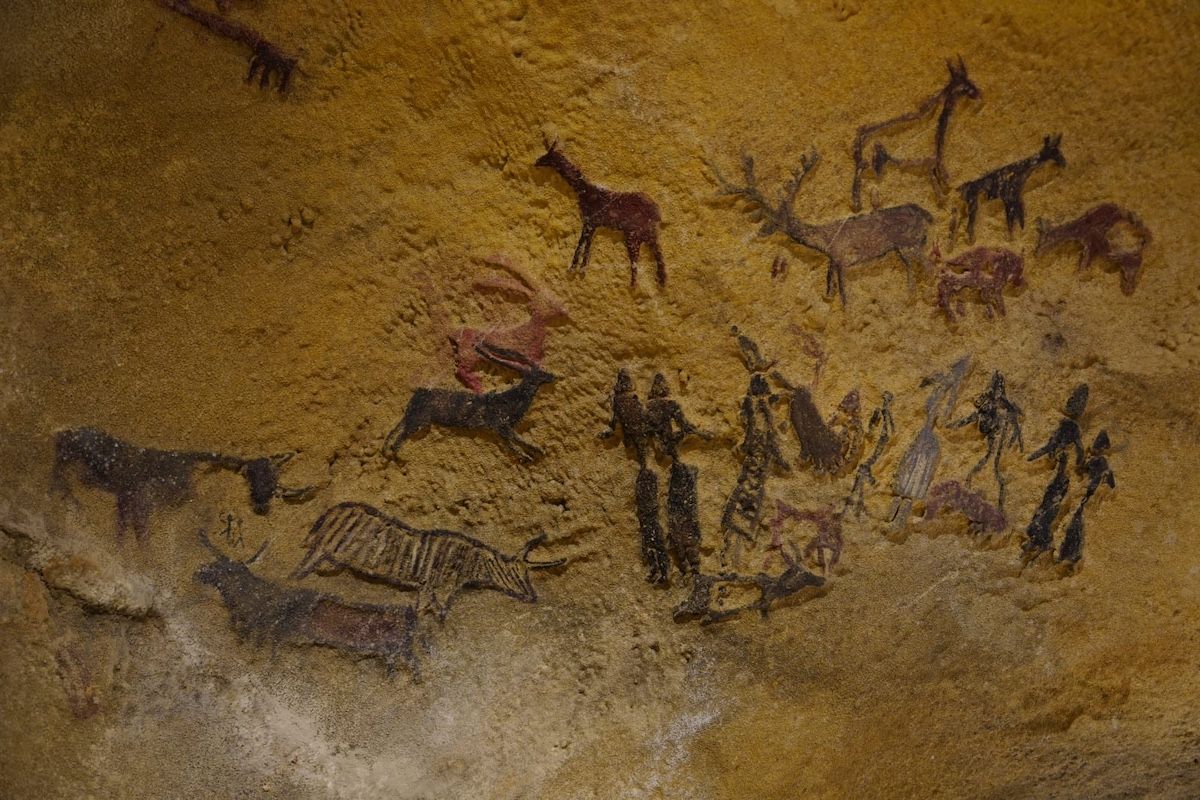
In addition, through an application that users can download on their mobile devices, they can take a journey through time following the footsteps of the prehistoric communities that inhabited the area.
Escaladei, a 17th-century experience
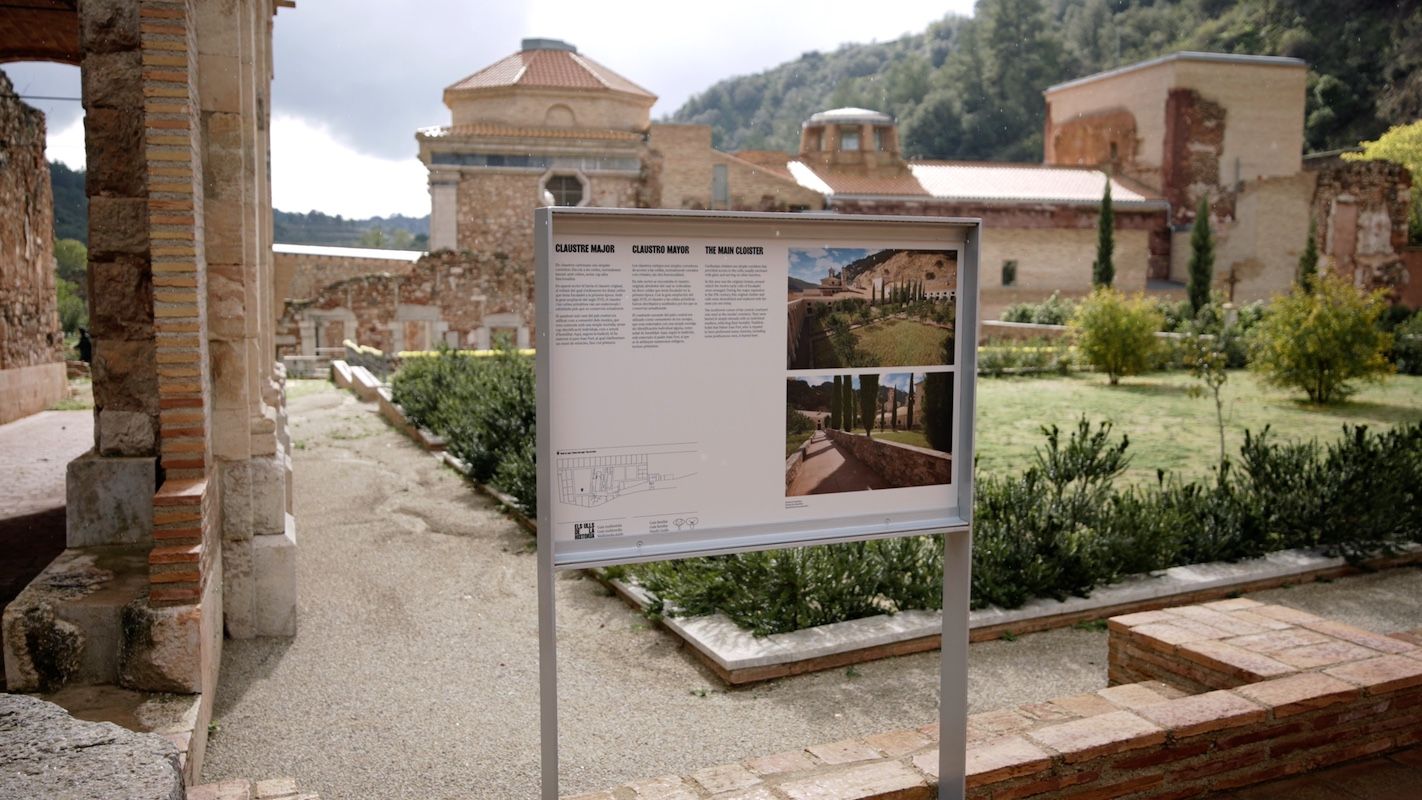
In the case of the Cartoixa d'Escaladei, the actions carried out in the monument ---which were presented last November 25 in an event presided over by the Minister of Culture, Sònia Hernández i Almodóvar---, combine analog resources, such as updated signage, with the use of new technologies, such as virtual reality and other immersive experiences. At the same time, they enhance the stories of the people who inhabited these walls and show what the spaces that have undergone alterations over the years were like
A multimedia guide and new interpretive signage accompany visitors during the tour, identifying and contextualizing each space, making the visit an interactive experience. The guide combines explanatory content with 3D recreations, and also integrates voices of the different characters who inhabited the Cartoixa. These fictional dialogues connect the visitor's reality with the daily life of the Carthusian monks and evoke the emotions produced by the conflicts of the time.
An educational experience
The project Els ulls de la història extends beyond the heritage spaces it features and reaches secondary school classrooms.
Els ulls de la història. L'experiència didàctica is a free itinerant proposal scheduled for the three trimesters of the 2024-2025 academic year and the first trimester of the 2025-2026 academic year. The proposal revolves around two main elements. On the one hand, multiple educational resources to prepare for the activity beforehand and also to consolidate knowledge after the experience.
The experience can be enjoyed in schools with a portable immersive reality stageOn the other hand, it will be brought to schoolsa portable immersive reality scenario. For a few days, and with prior reservation, an ephemeral immersive space will allow first and second-year ESO students to travel through time using virtual reality glasses.
You can find more information on the website patrimoni.gencat.cat.
Add The New Barcelona Post as your preferred Google source for free
Stay informed with the latest news.
