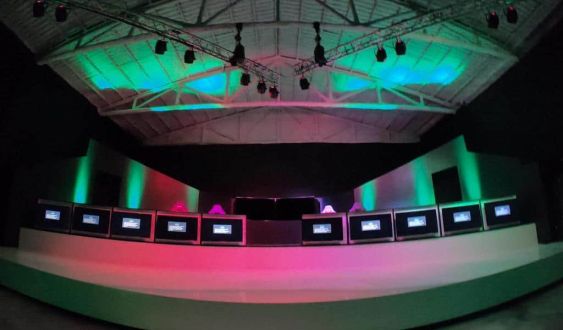
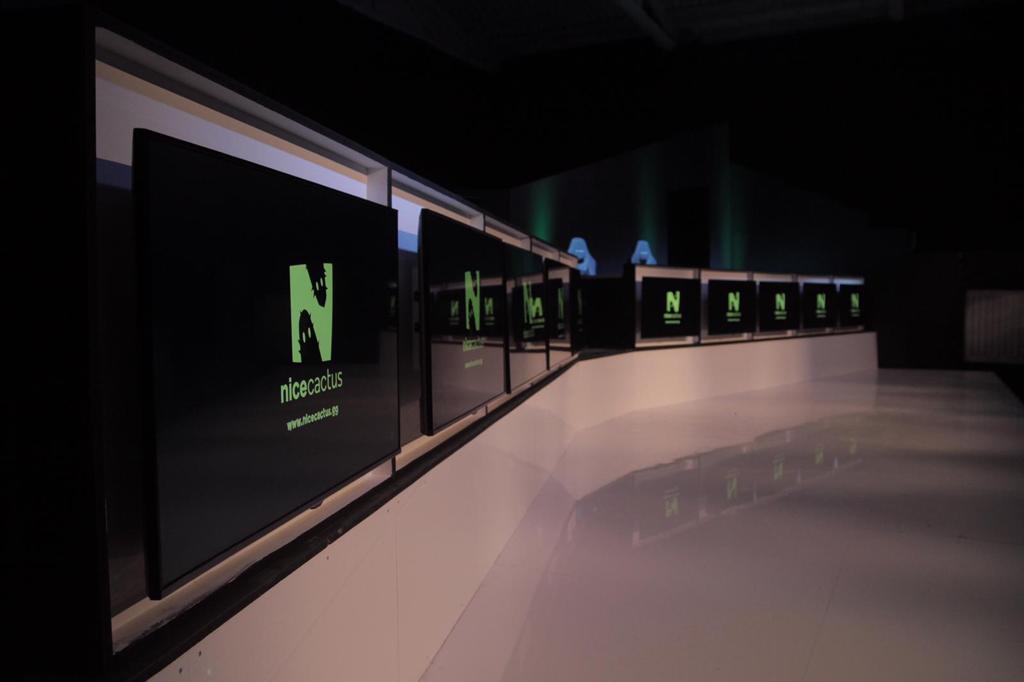
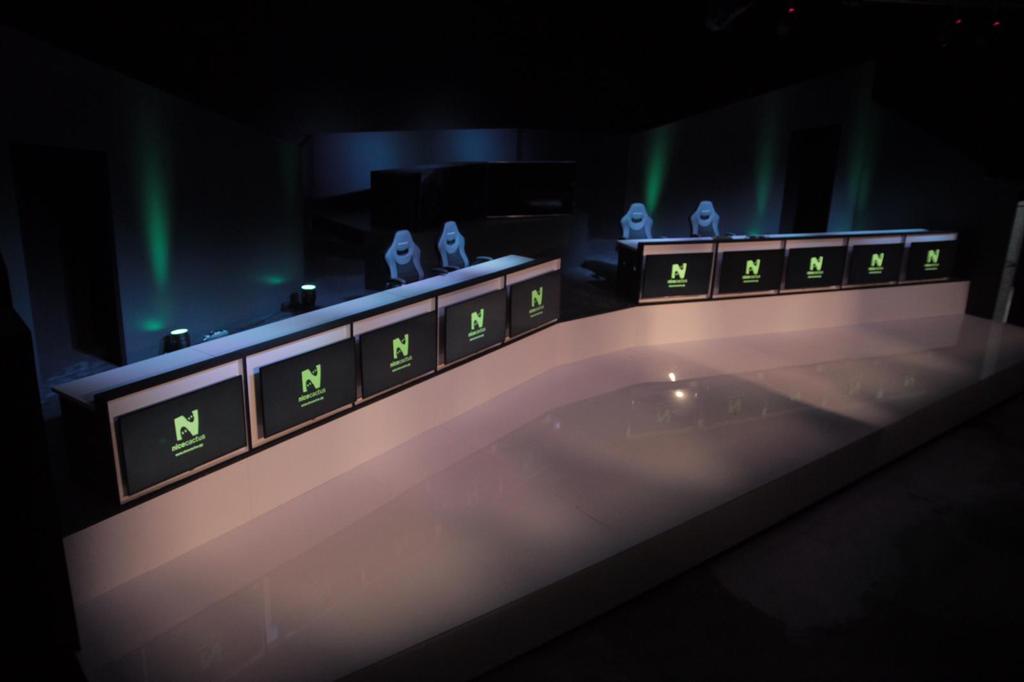
Nicecactus, one of the electronic gaming companies with the most international projection, has chosen Barcelona as its base in Spain. The deployment plan includes a team of 20 people and a space of more than 1,500 square meters, which is divided into a production area of approximately 450 meters and a 400-square-meter stadium located at Passatge d'Aymà 22, in the Poblenou neighborhood.
The gaming stadium can host up to 100 spectators and allows competitions to be broadcast via streaming through the NicecactusTV platform. The platform, in addition to specializing in organizing tournaments, also dedicates itself to player training and data tracking to professionally train the most prestigious gamers on the continent.
According to the 2019 White Paper on Video Game Development in Spain, Catalonia is the autonomous community with the most video game studios, with a market share of 28%, a production that accounts for 53% of the country's total turnover (429 million euros in 2019) and 47% of employment dedicated to gaming. Barcelona, for its part, concentrates 92% of the 223 companies related to electronic games registered in Catalonia. Among them, some of the most important in the international scene are identified, such as Ubisoft, Gameloft, King or Riot Games, and highly renowned clubs such as Gbots, S2V and BCN Squad. In addition, the Catalan capital also hosts two of the most important video game fairs: Niceone and Gamelab.
Despite the exponential growth that the sector is experiencing in Barcelona, it is still far from acquiring the level of some European and American cities. "From the outside, it may seem that we are one of the most important engines, but there is still a long way to go. Countries like the United States, South Korea, Denmark or Germany are years ahead of us," explains Adrià Gispert, CEO and founder of Gbots, one of the most awarded clubs in the country in Counter Strike, the most popular shooter for more than 21 years. "Finding financing is still very complicated, and the difference in the amount of sponsorships with other countries continues to be abysmal," he points out.
The structure of this type of club is very similar to that of sports clubs: they are made up of several members specialized in different games and modalities and led by a coach. Some even have psychologists and physiotherapists.
A business that does not stop growing
With a total turnover that will exceed 1,000 million euros in Spain this 2020, and the forecast to reach 1,300 million in 2022, the gaming sector has been one of the least affected by the crisis generated by the pandemic. Given this situation, companies from very different sectors have decided to start investing in this sector, as is the case of FC Barcelona, which just a couple of months ago announced the closing of an agreement with Tencent, one of the heavyweights in the Chinese telecommunications sector and owner of League of Legends, the most popular electronic sports game in the world. This important collaboration shows a clear intention to strengthen ties between traditional sports and electronic sports, especially regarding the commercial interests of the two companies.
The most important project at the moment is the Professional Video Game League, a company specialized in the management of audiovisual rights. Acquired by Mediapro for five million euros in 2016, it is the largest organizer of video games in Spain for both beginners and professionals, and is in full expansion in Central and South American countries. In the field of training, there are still no official schools or academies, and the few centers that exist have a cost too high for players to afford. "Training spaces are currently being occupied by the clubs themselves, which is where professional players have the greatest possibilities of progressing," concludes Gispert.
Add The New Barcelona Post as your preferred Google source for free
Stay informed with the latest news.