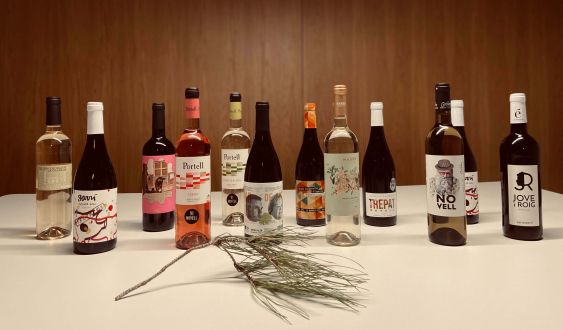
The first wines made during the pandemic are already here. The Catalan saying goes that for Saint Martin's Day, November 11, "mata el porc i enceta el vi" (in Spanish there are also sayings that recall the date, such as "a cada cerdo le llega su San Martín" - every pig gets its Saint Martin's Day). Traditionally in the farmhouses it was the time of the pig slaughter and to taste the wine made from the grapes harvested a few weeks before. It was known that a house already had the new wine of the year because a freshly cut pine branch was hung, with green and full of life leaves, replacing the previous year's, which had already dried. All this ritual has largely been lost over time, but a dozen Catalan wineries have allied themselves for some years now to celebrate again the arrival of the new wine. With it, the effort of a whole year in the vineyard is vindicated.
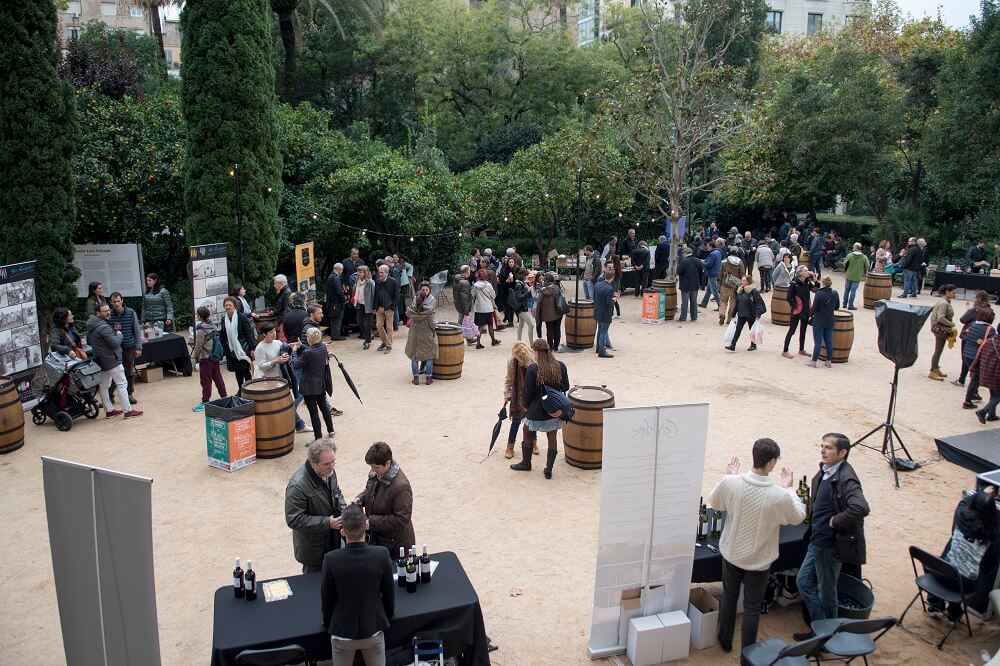
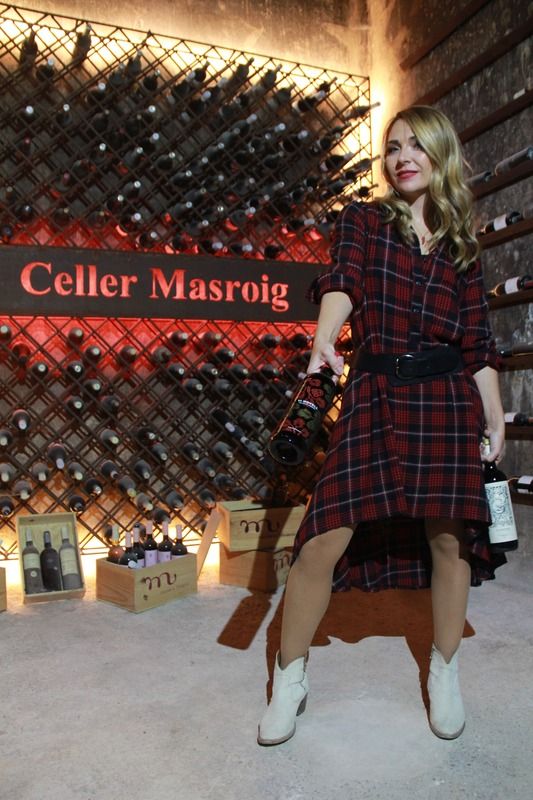
The ten wineries most committed to the visibility of young wine used to celebrate a festival at the Palau Robert around this time. The store and distributor Vila Viniteca also filled some alleys of the Born with winery stalls to present the novelties of the new year, and Celler de Gelida, a Sants wine shop specializing in wine that has been operating since 1895, organized a big festival for San Martín where the neighborhood's castellers participated and which included hanging the pine branch to announce the arrival of the year's wine. None of this can be done physically now, but yesterday the talks about new wine programmed by the Setmana del Vi Català or the virtual party organized by the Masroig winery with sommelier Meritxell Falgueras, from Celler de Gelida, as godmother, could be followed online.
Young wine with a will to survive
Of new wine, it can be said that it is like a teenager. It has just been bottled (it is the youngest wine of the year) and it may not have completed fermentation entirely when you taste it. This can be perceived because it may seem a bit sparkling, which, mixed with acidity, makes this wine pair well with fatty dishes (such as some prepared with pork). In the mouth, it can leave a great fruit sensation, often superior to a wine that has rested for a longer time, and it can seem sweet, making it easy to drink. Falgueras believes that all this favors it being liked even by those who do not usually drink wine.
The sommelier emphasizes that new wine is "the direct mirror of the liquid history of the year". This 2020 is historic in many aspects and that is also noticeable in the wines. The pandemic is having an impact on everyone's life that will be remembered for a long time. The vineyard has apparently been on the sidelines of this, because it has continued to be cultivated even during strict confinement, but this does not mean that it has not had its particular via crucis, especially because the plague of a fungus (mildew) and sometimes spring frosts have caused great headaches and grape losses. For all these reasons, this year's wines that reach the table can boast of having survived many vicissitudes, and the first ones to hit the market do so with the will to combat the discouragement generated by so much negative news.
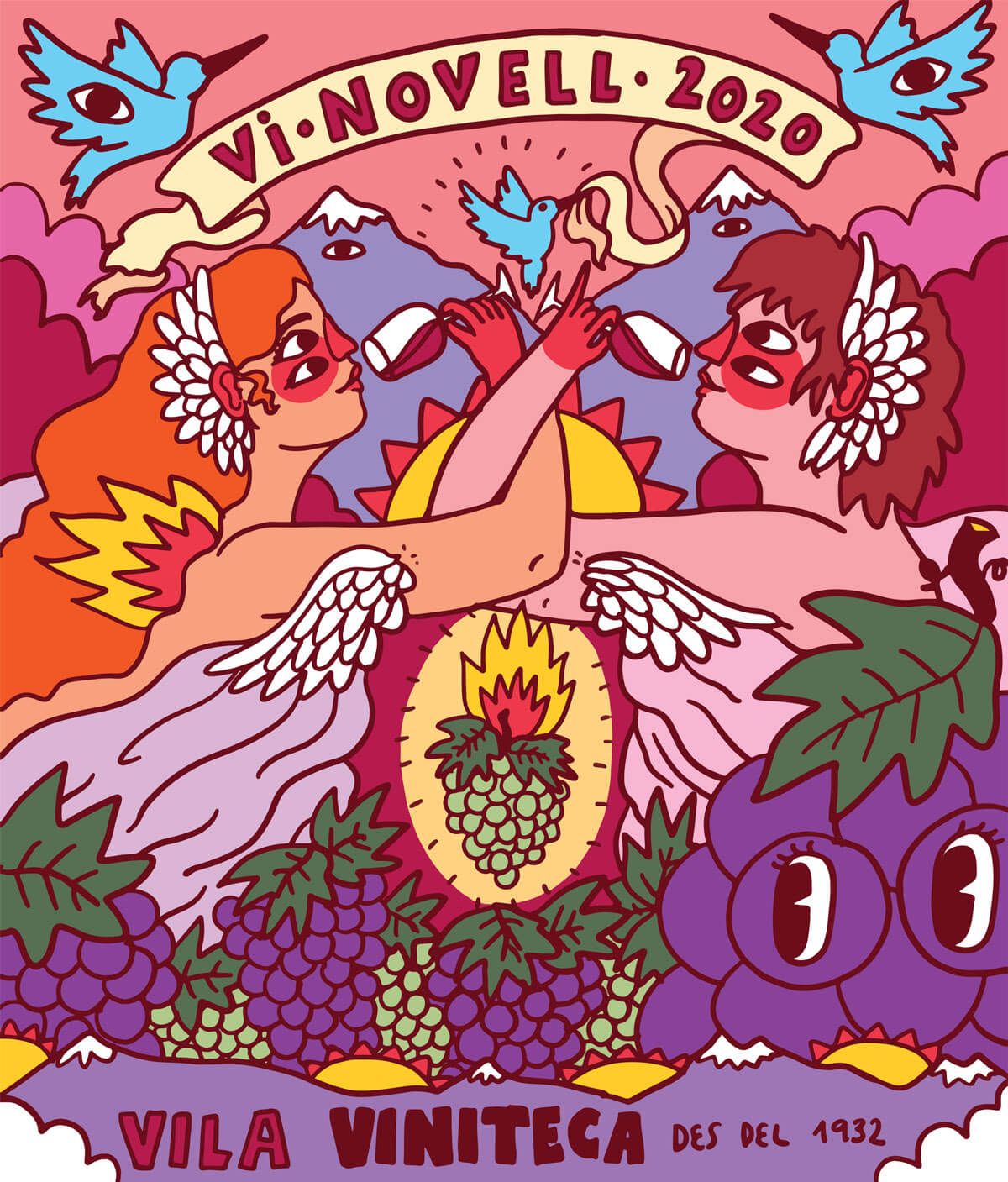
When tasted, freshly made wines can show a wild side, which is why they lend themselves to being presented with striking labels. Vins Petxina has bottled two new red syrah wines made in the Conca de Barberà Designation of Origin (DO) with very striking labels showing a piglet, alluding to the pig slaughter. The design is by the artist Susanna Ayala from Manresa. "We will all remember this year. There will be a before and after," reflected Oleguer Brunet, from Vins Petxina, during the presentation of the first wines of 2020 by the dozen wineries that claim them. It is for this reason that, according to Brunet, they have tried to make the label "help give a little more soul" to the wine at a time that invites turning the page.
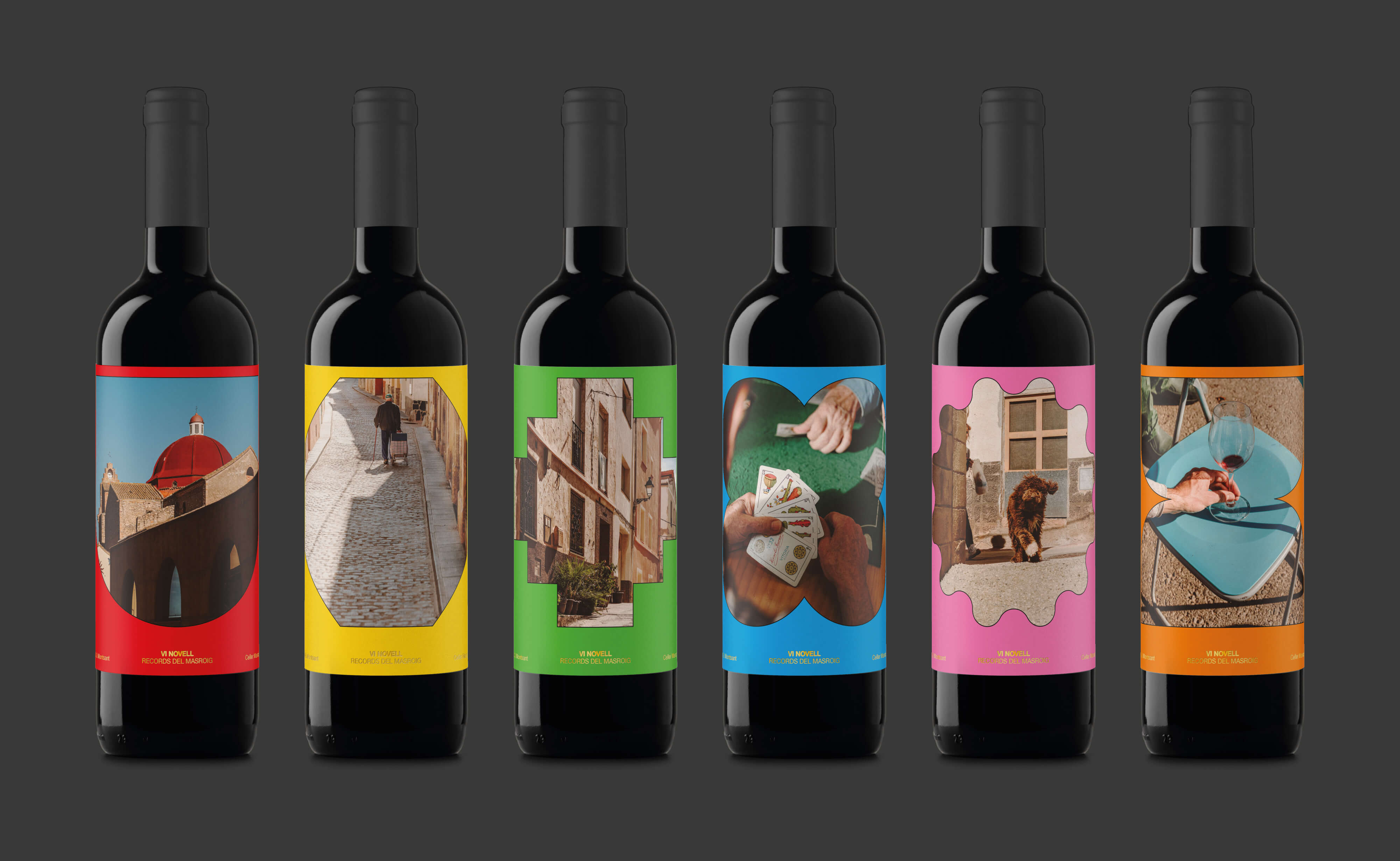
When tasted, freshly made wines can show a wild side, which is why they lend themselves to being presented with striking labelsThey have thought the same in the Celler Masroigof the DO Montsant, and even more so considering that this year they cannot celebrate the in-person festival to launch the new wine, which used to attract 700 or 800 people, even though it is a town of about 500 inhabitants. Everyday scenes of the town, such as an elderly man going shopping or neighbors playing cards, have been transformed into half a dozen labels for the same red Grenache and Carignan wine. The winery hopes that the bottles will be received as if they were a souvenir, as a "memory of Masroig," so that no one forgets that this place remains standing. Meanwhile, with the wine, one can enjoy the liquid witness, and there will be time to celebrate it together.
There are other labels that attract attention, such as that of the new white wine from Covides (DO Penedès), which is made from Xarel·lo grapes and shows the face of a bearded man; the red wine from Sant Josep Vins (DO Terra Alta), made from red Grenache, where the faces of the winemakers take center stage, or the red wine from Sanstravé (DO Conca de Barberà), made from Merlot grapes, and which features a poem by the acclaimed poet Joan Margarit, who also decided the name of the wine: Jove i Roig. The other wineries that champion new wine are Portell and Carles Andreu from DO Conca de Barberà; the Bodega Cooperativa de La Granada and Maset from DO Penedès, and the Bodega Cooperativa d'Espolla from DO Empordà.
A long way to go
According to the director of the Catalan Institute of Vine and Wine (Incavi), Salvador Puig, the initiative of the ten wineries promoting new wine is satisfactory because they have "rejuvenated" it. Jaume Martí (Sant Josep Vins) admits that it had been "sidelined," but there is still a long way to go. In addition to these wineries, there are other Catalan ones that produce it, but they don't always state it on the label. One of the reasons is that new wine must be marketed quickly due to its very nature as a very young wine to be drunk soon, and that doesn't always pay off. "It's not easy to make a profitable product," admitted Brunet, who recalled that these wines "existed throughout the old world ---Europe in wine jargon--- and have stopped being made." The exception is where they have conspired to promote it together, as is the case with the French Beaujolais nouveau.
Catalan wineries maintain that regulating what can be considered new wine would also help. However, Martí sees a future opportunity. In addition to connecting consumers with the rhythm of the vineyard, he believes that stores and restaurants that promote it help them assert themselves "as an establishment that loves wine" and that makes customers enjoy the experience, as they show sensitivity to promoting the first stage of already elaborated wine. Puig also says that new wine should be linked more with gastronomy. It was planned to do so these days with the tapas route in the Barcelona neighborhood of Sant Antoni (Tapantoni), but the coronavirus has forced its cancellation and, as with so many other things, we will have to wait until the pandemic is controlled.
Add The New Barcelona Post as your preferred Google source for free
Stay informed with the latest news.