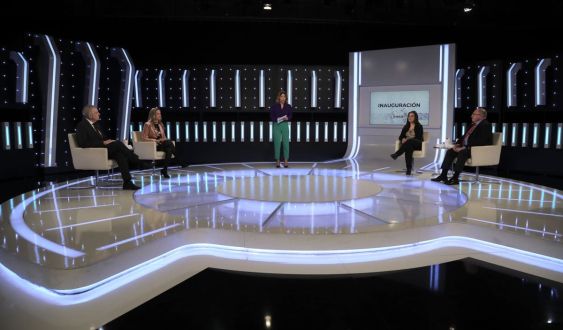
Coinciding with the celebration of International Women's Day, the Barcelona Woman Acceleration Week (BWAW) has begun, the virtual meeting that aims to contribute to the achievement of gender equality in all areas and which, in this second edition, focuses on the existing barriers in the business and industrial sector and in different sectors of the economy.
On the first day of debates organized by the Consorci de la Zona Franca de Barcelona (CZFB) and the Incyde Foundation of the Spanish Chambers of Commerce, the experts gathered have called for a strategy and active policies that allow faster progress towards parity and have highlighted the need to make female role models visible in all economic and social areas to break with gender biases.
The round tables have revolved around topics such as the talent and work of senior professionals, the role of women in education and the situation of women beyond the West.
The different participants have agreed in denouncing ageism discrimination when senior talent brings much value to productive activity and the need to break with the vision of old age as a threat to society.
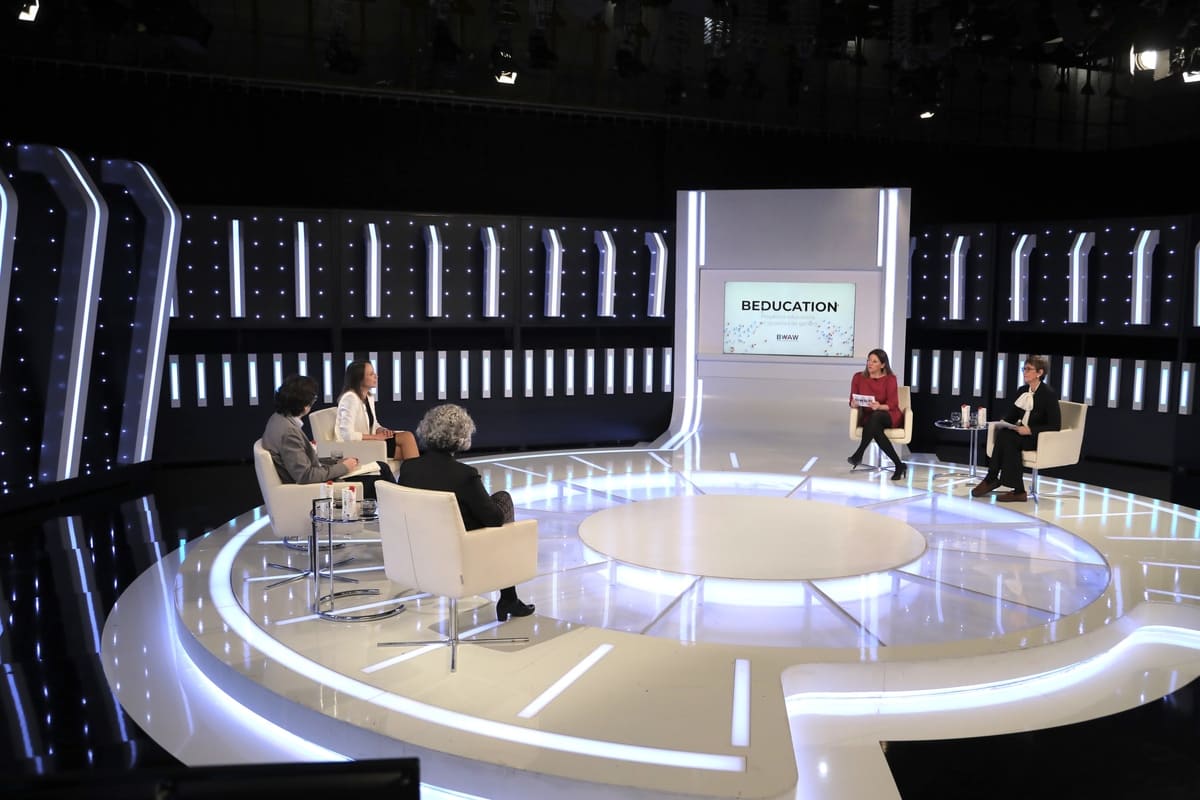
In line with the prejudices of still existing stereotypes, the field of education has also taken center stage in BWAW, in a panel where it has been evidenced that, although there is a significant female presence in classrooms, subsequently, neither in the educational nor in the labor world are these percentages of representation maintained.
In this debate, it was moderated by Blanca Sorigué, general director of the CZFB and BWAW, who stressed that "gender equality is already part of the key transversal competencies in the education curricula of all European Union countries." However, the speakers have insisted that there is still a long way to go since, for example in the case of business schools, worldwide, in master's degrees, MBAs or executive training there are only between 32% and 35% women, while in university education it exceeds 50%, although it is in that same university sphere where there is no higher education center in Spain that has more than 35% of full professors and it is most common that they do not even reach 10% of the entire teaching staff.
Regarding the dissemination of female role models, it has become clear how difficult it is for the media to feature female representatives as sources of information, as experts, or as opinion-makers, among other aspects.
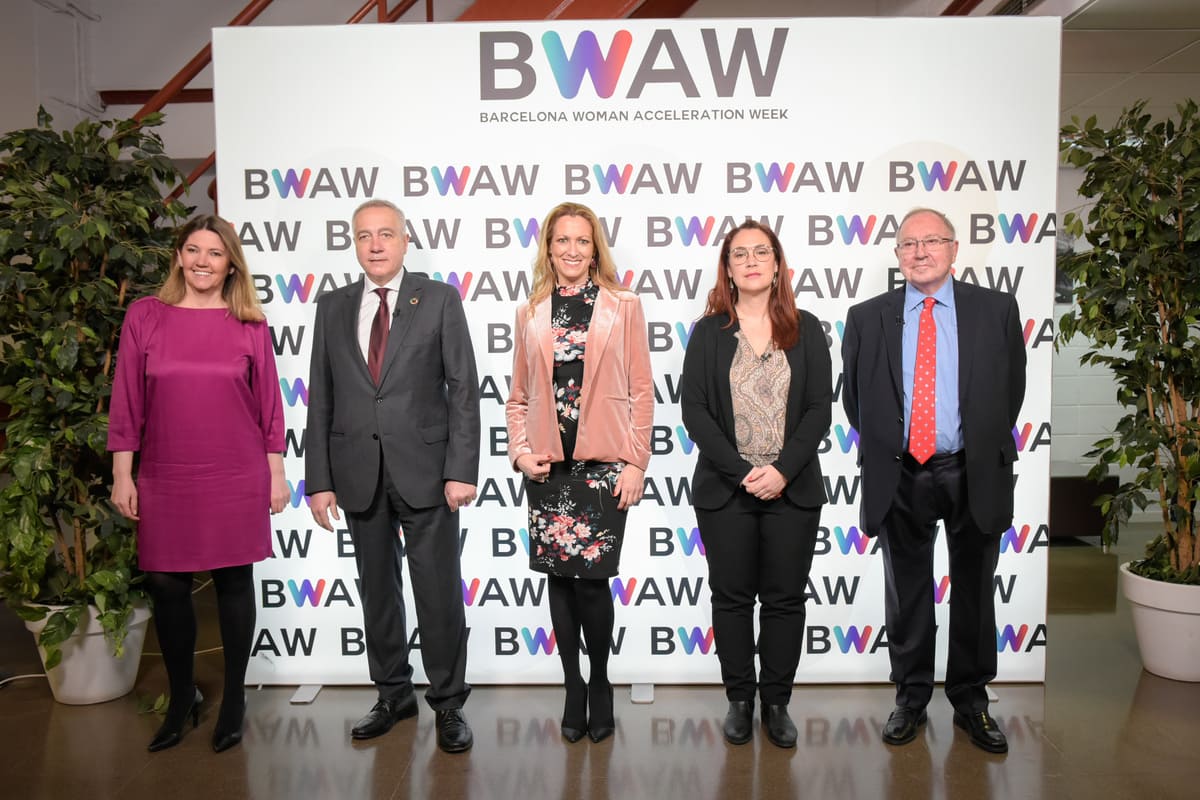
The opening ceremony of BWAW was presided over by Maria Eugenia Gay, the Government delegate in Catalonia, who highlighted the importance of "fighting collectively to assert the rights of women, who are actively participating in economic growth." "In the business sphere," she stated, "we still face a sticky floor and a glass ceiling that contribute to the formation of a pyramid whose base has a large female presence, which decreases as one climbs to positions of responsibility."
For his part, Pere Navarro, special delegate of the State in the CZFB, praised the entity's work in carrying out "economic promotion with an inclusive character." Meanwhile, José Luis Bonet, president of the Spanish Chamber of Commerce and the Incyde Foundation, mentioned "the pandemic as a very hard stage, especially for women, as gender equality has suffered a setback, also generating work-life balance problems and increasing the wage gap. In this sense, efforts will have to be redoubled to seek parity in the economic sphere."
Add The New Barcelona Post as your preferred Google source for free
Stay informed with the latest news.
