If someone had told us a year ago that for a good part of 2020 we would only be able to communicate with our family, friends, and co-workers through video calls because we would be locked up at home, we would have said they were pulling our leg. If someone had hinted that for many months screens would be one of the few doors we would have to the outside, we would have thought they were talking about a new episode of Black Mirror. But, the truth is that the reality of recent months has been more dystopian than we could have imagined some time ago, internalizing terms we were not used to, such as confinement, state of alarm, or curfew.
[subscribe_newsletter_esp]
We have had work meetings on Zoom —and office huddles with WhatsApp group calls—, trained on YouTube, met to celebrate birthdays and toasts online, seen the inside of too many people's homes, especially their bookshelves... Technology has become —even more so— a part of us, a permanent extension of our hand. But what about people who don't know how to use this technology or those who don't have access to devices to communicate? And what about the data we constantly publish on social media without thinking or give away when we accept terms without reading them?
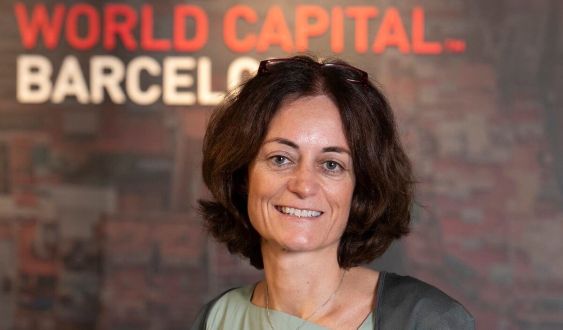
Digital Future Society, an initiative of Mobile World Capital Barcelona (MWCapital) and the Government, wants to focus exactly on this: the digital exclusion that is becoming widespread for many groups and the lack of transparency regarding what is being done with our data that remains on the network. "We are experiencing a digital emergency," explains the director of Digital Future Society, Cristina Colom. In addition to the health emergency in which we are immersed, which is having a significant economic and social impact, and the climate emergency that has affected us for a longer time, Digital Future Society wants to analyze how new technologies are completely changing our daily lives and how they are impacting us, clearly evidenced during the pandemic. "We must face the challenges posed by emerging technologies to fight against inequalities and leave no one behind," says Colom, who argues that all involved agents, both local and from other countries, must be involved. "No state will solve it on its own," she emphasizes.
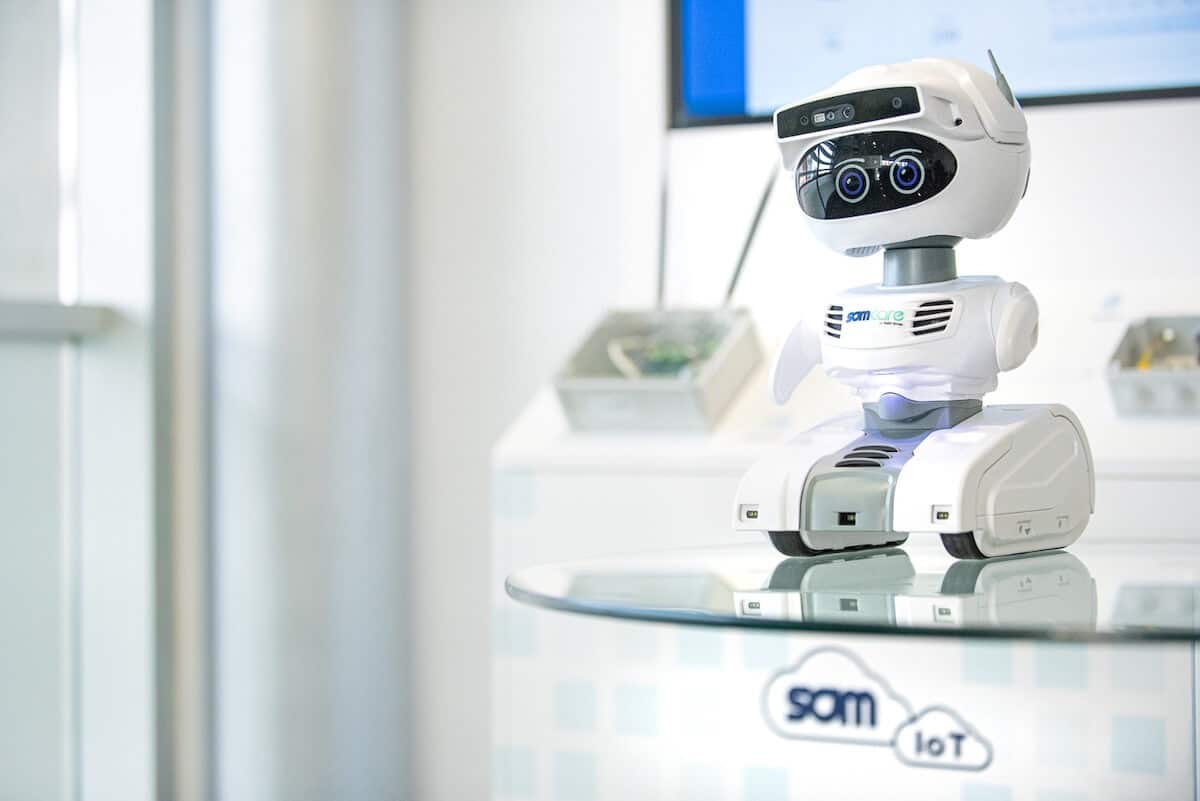
"We must face the challenges posed by emerging technologies to fight against inequalities and leave no one behind," says ColomTo do this, Digital Future Society will promote studies on the different challenges that technology poses to us, to understand what they consist of, and pilot projects to see what solutions can be applied. One of these pilots that is already being worked on in Barcelona, hand in hand with the city council, consists of emotional robots that use 5G technology to accompany elderly people who live alone and help them in their daily lives, with the aim of controlling and improving their health.They can talk to them or remind them if they have to take pills or go to the doctor, they ask them questions to see how they are doing or they can follow them around the house and look for them. They can also perform evaluations and connect with health professionals, in addition to sending information about their condition so that they can make diagnoses.
Challenges in the face of the digital emergency
According to Colom, digital exclusion currently discriminates against people based on their age, gender, physical and intellectual abilities, geographical location, socioeconomic position... Technology and its devices are created with specific characteristics, often ignoring that they may not include everyone. Algorithms have biases, which are a reflection of the inequalities that exist in our society and that both must be corrected. For example, Colom points out that many public administrations that are digitizing in different countries around the world base their services on automated decision-making. They use it to carry out procedures such as granting benefits, a fact that ends up excluding groups that are already often marginalized in face-to-face reality. Colom also explains how telephone operators have recently registered many purchases from elderly people who asked for phones with very large letters to be able to see messages on WhatsApp well, or how most people with disabilities do not access the Internet because it is not accessible to them.
Colom points out that many public administrations that are digitizing in different countries around the world base their services on automated decision-makingThe scarce governance we have of data also worries Digital Future Society. Colom indicates that citizen awareness on this issue is increasing, recalling the criticisms that have arisen in cases such as having to give information about our location to mobile applications to control coronavirus infections, although, he adds, it is not transferred to all areas, since, generally, we buy phones or tabletsand we introduce all kinds of information about ourselves without thinking too much about it. Other issues that this MWCapital initiative wants to debate and reflect on are how digital platforms are changing the labor landscape, taking into account that they are reaching more and more sectors and more people are working in them, and how technology also impacts the climate emergency and, in turn, can be a way to reduce its incidence.
All these debates and others will be presented at the international forum that Digital Future Society has been organizing for some time, which wants to turn Barcelona into the capital of technological humanism. It was supposed to be held at the end of this year, but the pandemic has prevented it. As of today, they are working with the idea of doing it next year, in a hybrid format, mixing the in-person and virtual experience, as has already been seen in some congresses such as BizBarcelona, the Saló de l'Ocupació or the Food & Hospitality, Tourism and Gastronomy Forum. For Colom, the future event of Digital Future Society will serve to concretize into institutional and social commitments all the research they are carrying out on the challenges posed by the digital emergency. "We cannot waste time," he warns. And he sets a date to resolve it, before 2025, or it will be too late to reverse all the problems that technology is generating and enhance its benefits.
Add The New Barcelona Post as your preferred Google source for free
Stay informed with the latest news.
