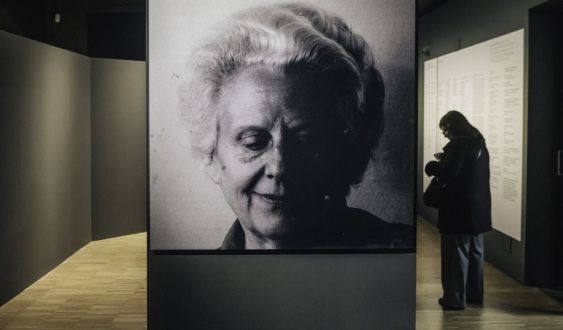
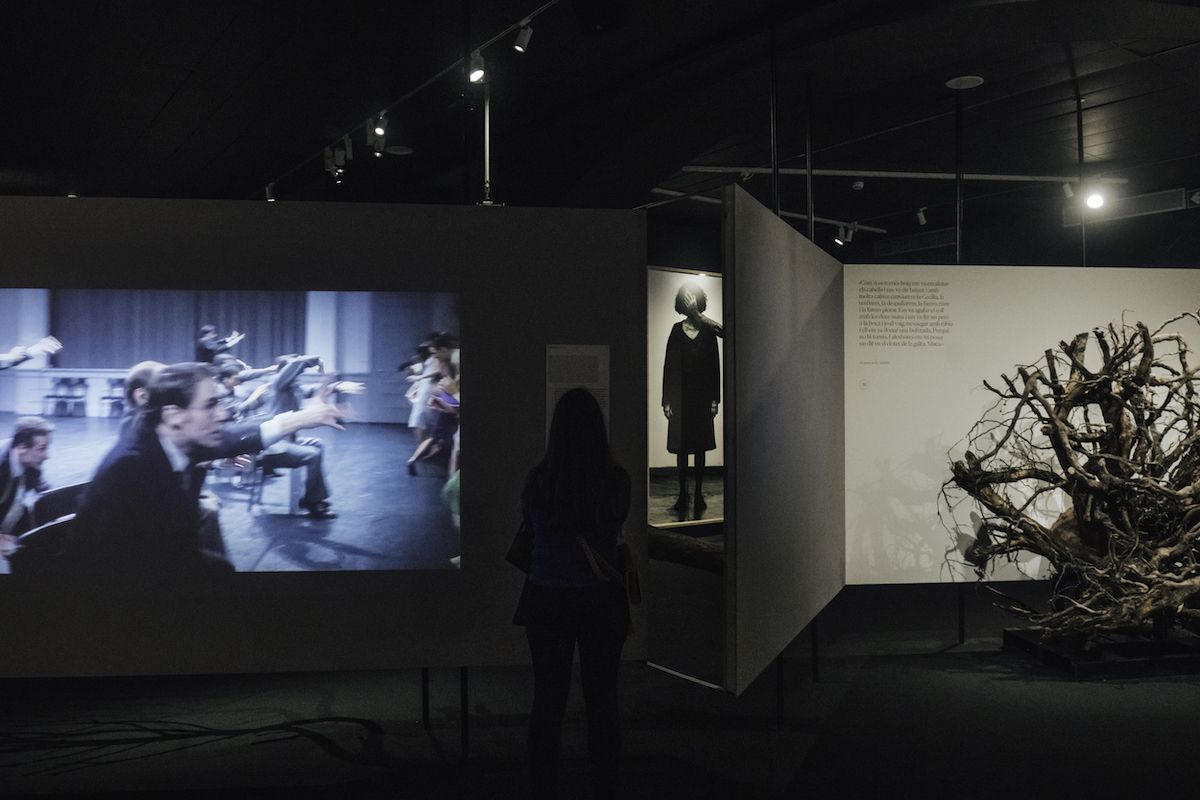
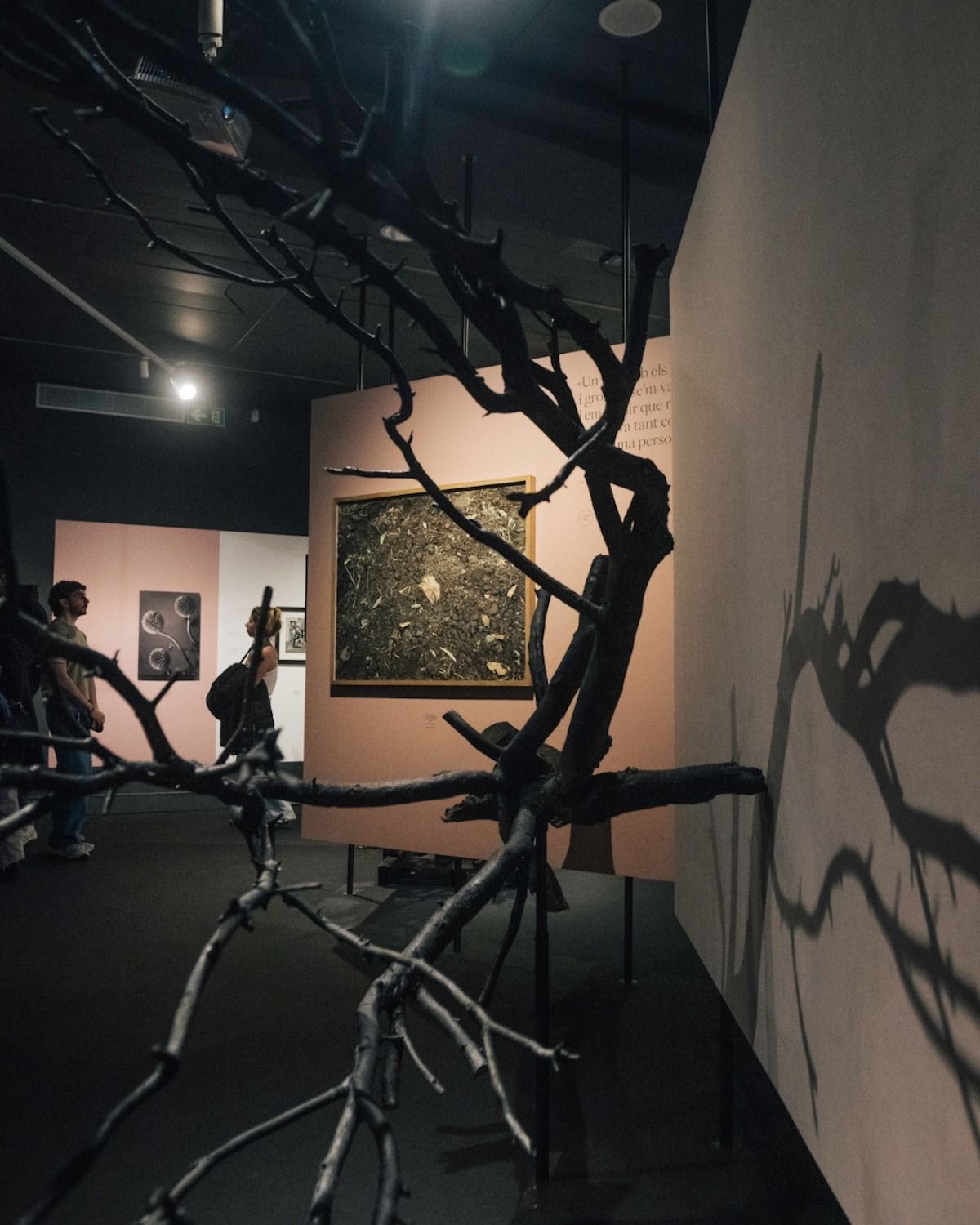
The exhibition Rodoreda, un bosc, commissioned by Neus Penalba, delves into the imagination of the Catalan writer, highlighting her radicalism. Through a thematic journey, the great drivers of her literature, which form a kind of network of meanings, are analyzed. Using a metaphor very much from the author, they seem like branches and roots of a tree unfolding complexly and intertwined in their meaning.
Thus, the themes of her works are sectioned into the roots; literary and vital, and the uprooting of her exile. The trunk; the experience of war, a trunk full of knots and bark. The branches; that rise aspiring to reach the artists she admired. The canopies; that touch the sky, and where birds nest high. The seeds; that germinate and end up bearing the fruit of her work.
Mercè Rodoreda is one of the most relevant and universal voices in Catalan literature and her work, where houses, streets, squares, gardens, and above all, trees and forests abound, focuses mainly on death, war, and exile. All the cruelty of 20th-century history runs through her literature, being a unique, direct, raw, and easy-to-understand testimony. Her creativity is based on contrasts. Capable of mixing the real and the unreal, the childish with the adult, the beautiful and the macabre. A garden, in her hands, contains the most beautiful and delicate flowers, alongside poisonous and deadly ivies.
According to the curator of the exhibition, which can be visited until next May 25, Rodoreda's work is fully contemporary and always poses a universal tension between light and darkness. Her texts wander between the ambiguity of existence through a simple language that hides characters of great depth.
Neus Penalba moves the author away from the canonical viewpoints until now, many of them established after the transition and especially from the eighties. An example of its validity is the success of the re-edition of her posthumous work and one of the most mysterious, La mort i la primavera (Club Editor, 2017), which has become a clear reference for new generations of writers and artists such as filmmakers, playwrights, choreographers, musicians or painters, who see in her work the disturbing force of desire, understood as a thirst for freedom for women. All this, under the mantle of a naturalism that relates human beings to the wildest side of nature.
Mercè Rodoreda i Gurguí was born in Barcelona in 1908 and died in Girona in 1983. She is considered the most important Catalan writer of the last century and famous for her works La plaça del diamant (1962) or Mirall trencat (1974). Rodoreda uses beautiful words, but without artifice. She delves into the darkness of the human heart without fear of showing the abject, and without fear of showing the innocent. Traditional and reductionist readings have always shown us an author with two faces: that of the kindergarten and that of the bloody and dark forest. A new and necessary re-reading suggests an inseparable continuity of themes and fears that, despite what has always been presented on stage, hide the same creative processes and reasoned thoughts. The constant reference to nature is not nostalgia for an infantile paradise, but a symbolic correspondence with themes such as desire, suicide, and displacement.
In the words of writer Marina Enríquez, a current reference in horror novels and responsible for the preface of La mort i la primavera: "Rodoreda expresses a gratuitous cruelty that she puts in her texts". Enríquez highlights the deliberation of the use of shock, almost gratuitous, and with humor. The macabre situations recounted by the author constitute an essay on the deliberateness of evil. Rodoreda, moreover, flees from the label that a woman cannot be cruel, and she does so by playing with the fact of how twisted and powerful the idea that this is not true can be.
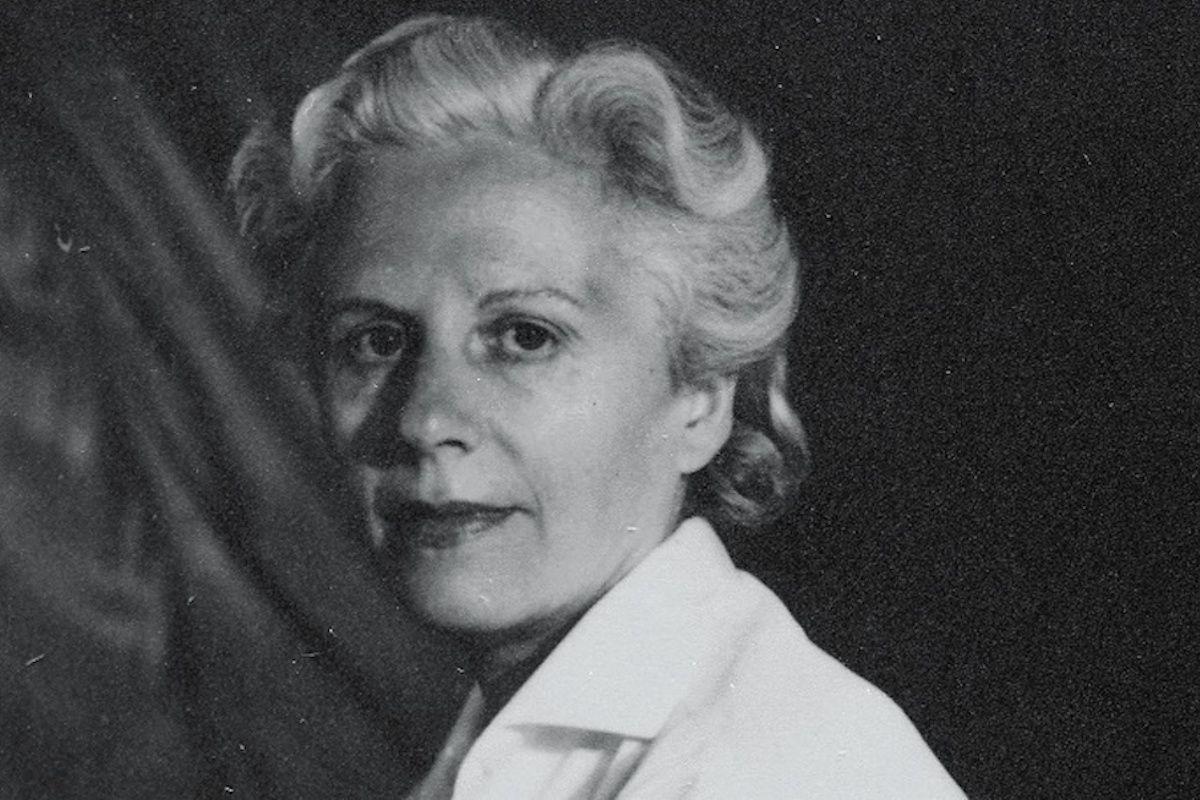
Mercè Rodoreda was the first woman to receive the Honor Award for Catalan Letters (1980). Despite being the subject of numerous academic investigations into her work, Rodoreda did not receive recognition commensurate with her impact from most readers and critics of the time, and the author, due to her condition as an elderly lady, was seen as a kitschy narrator busy tending to her flowers. This general vision, along with prevailing cultural machismo, relegated her to being a less interesting writer destined to be read only in secondary school studies.
That her narrators, young or old, are candid, in part, and naive, is a conscious exercise of proposing a necessary return to childhood, to innocence, to a clean gaze without complexes or prejudices that observes the world discovering and being surprised by it and its mystery
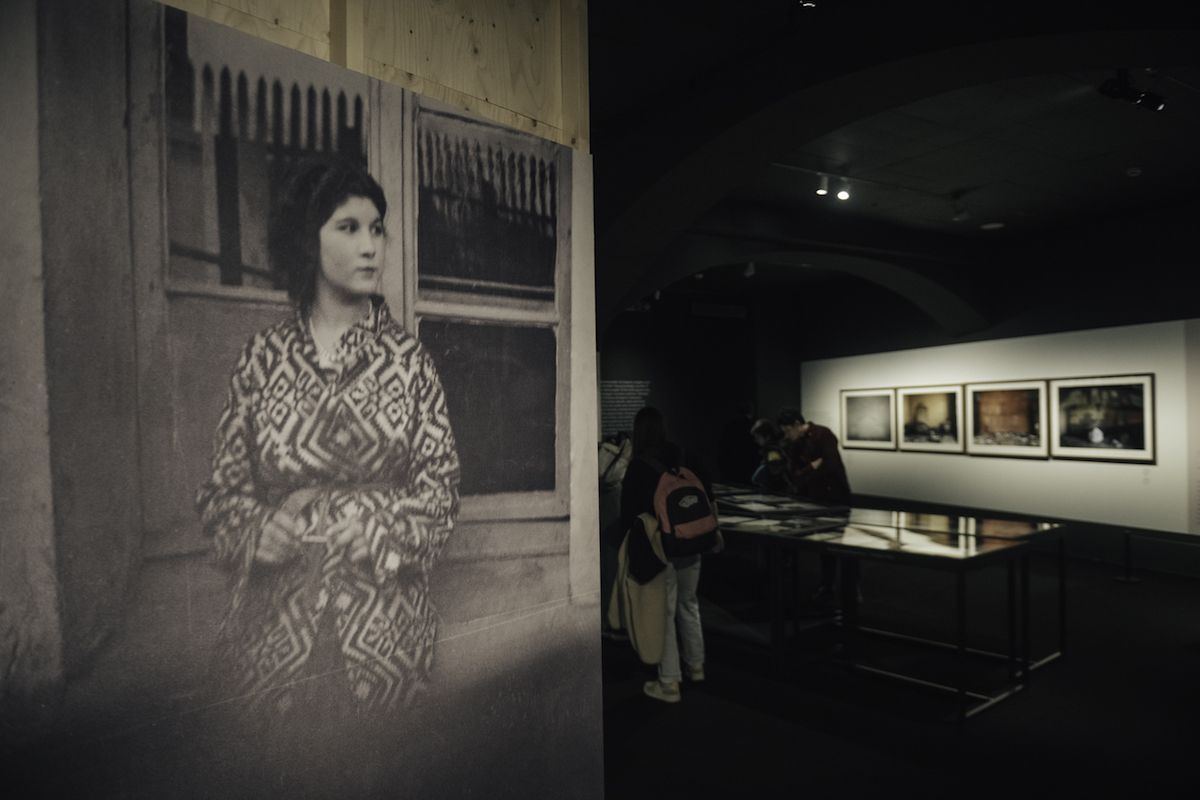
A child's eyes pose a conflict with growing up and getting older. The child discovers the lie of adult life and understands that integrating into the world means renouncing desire, corrupting body and soul, and being domesticated. Rebellion, then, consists of maintaining that innocent gaze in a world of adults who have let their dreams die. And suicide is the final expression of that rebellion. The characters, young, desperate, but free, choose to commit suicide, fleeing an unbearable, violent, and lie-filled adult life. Examples are María in Mirall trencat or Cecília in El carrer de les Camèlies.
Desire is sometimes shown as a game of domination between men and women. Rodoreda portrays, in an almost pioneering way, the great lie of the romantic love narrative. Men are not always chivalrous. There are violent, abusive, sadistic, and voyeuristic ones. Women also envy, are frivolous, kill their children, and defend patriarchy. In the natural ecosystem she describes, the stereotypical beauty of Novecentismo goes beyond the simile with flowers, a feminine beauty destined to wither. There is male domination, that of the young masters harassing maids, that of the man's gaze that objectifies the woman's body, and how it is reduced to a mere object. They also docilely assume that role and internalize that gaze.
"That her narrators, young or old, are candid, in part, and naive, is a conscious exercise of proposing a necessary return to childhood, to innocence, to a clean gaze without complexes or prejudices that observes the world discovering and being surprised by it and its mystery"Rodoreda writes about the perverse, the spy, the voyeur, the controller and the powerful who looks through peepholes and keyholes. Marriage becomes a mere transaction for interest, a way to climb socially. The unfaithful are portrayed, the mistresses discovered and secrets have no value, because they serve interests of power and corruption. There is also a pure love expressed by the author, a love far from sexual domination; like Colometa's with the sterile and crippled survivor of the war, or like that of the protagonist of her posthumous work, in love with fantasy beings.
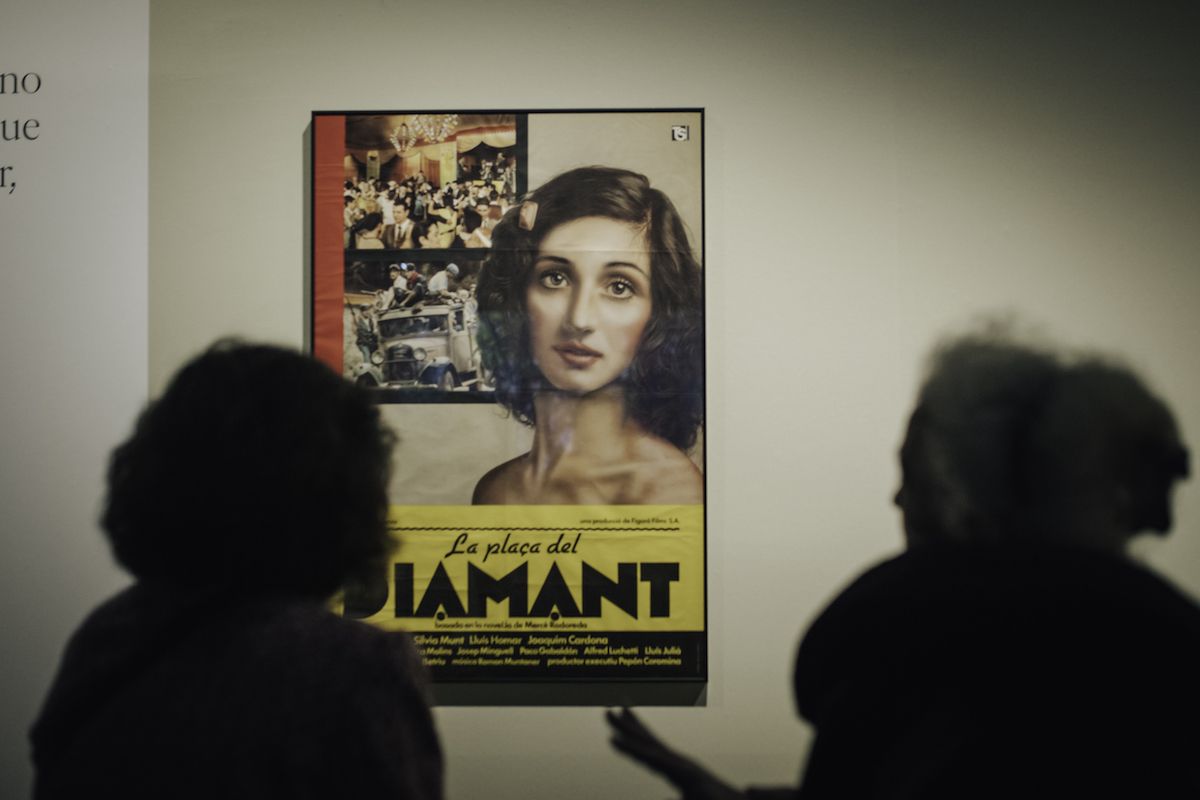
Female sexuality is present in all its stages. Also sexual repression and the repression of rebellion, the social stigma of the different, of the dissident, and the subsequent and inevitable lynching.
The use of spaces is also exceptional. The difference between the gloomy interior and the light of the garden. The houses Colometa inhabits, dominated by men and animals, are an example of a masterful use of these terms: a rooftop with pigeons and a ground floor with rats.
"Rodoreda writes about the perverse, the spy, the peeping tom, the controller and the powerful who looks through peepholes and keyholes"Its narrators, when not in the first person, which happens most of the time in his stories, seem to speak to us from another plane of existence. From the beyond, as if the characters had transcended death and were telling us their story from an omniscient point of view. All his novels, however realistic they may seem, contain fantastic episodes and strange elements. The oneiric and surreal visions combine madness with the inexplicable. Rodoreda was an avid reader of Jung. "Behind the mirror is the dream: we would all like to reach the dream, which is our deepest reality, without breaking the mirror."
The horrors of war and exile that she experienced firsthand are represented in the corpses, the blood, the rapes, and the famine, always the famine. Her story Noche y Niebla, which references the murderous Nazi decree Nacht und Nebel (1941), was written between 1945 and 1946 in Bordeaux, before the publication of Primo Levi's work, and before Alain Resnais' documentary of the same name (1956). The story, which describes the horror and dehumanization of dying bodies, piled up in bunks, in barracks, was first published in 1978 in Catalonia, in her anthology Parecía de seda y otras narraciones.
Alone and exiled in Geneva, she traveled several times to Paris, and always longed for her hometown. Her return to Barcelona was mental and literary. Prostitution and the dancers of Paralelo, the rooftops of Gràcia during the civil war, the depraved gentlemen of Eixample, the shacks of Montjuic, the carnation field of Sarrià, the jewels of the Liceo or a demolished tower in Sant Gervasi, are examples of the city's influence on her work. Barcelona, its streets, its squares, its people, become scenery, common places, also a dark Barcelona, that of witches and prostitutes.
In six years in exile, Rodoreda wrote Jardí vora la mar (prelude to Mirall Trencat), La plaça del diamant, Flors de veritat the stories about animals and metamorphosis in Cristina i altres contes, El carrer de les Camèlies, and dedicated three years to working on her then incomplete work La mort i la primavera.
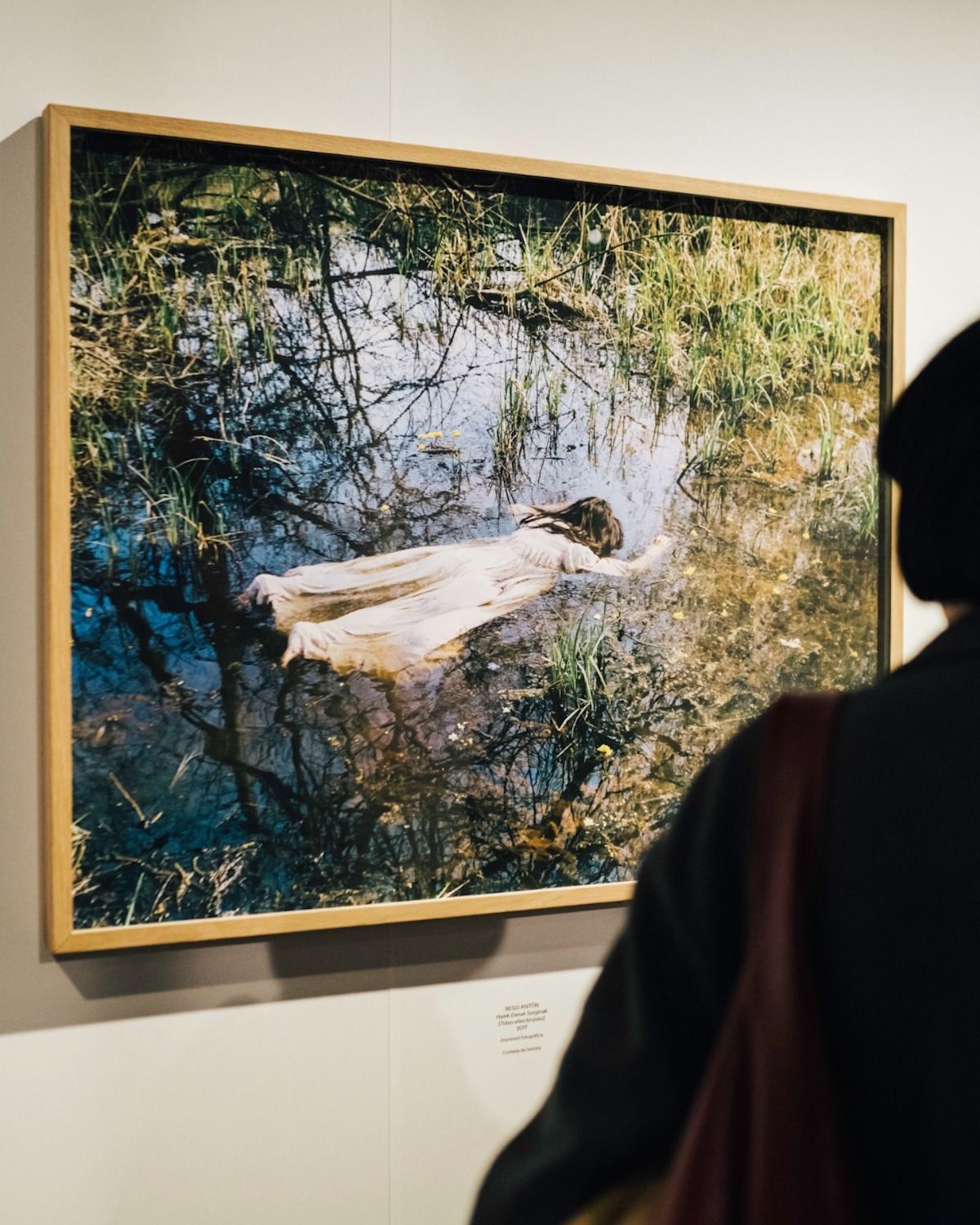
Rodoreda, un bosc presents 400 pieces including paintings, drawings, engravings, sculptures, and photographs, among documents and audiovisual pieces, which establish a dialogue with artists such as Remedios Varo, Pina Bausch, Marc Chagall, Leonora Carrington, Picasso, Suzanne Valadon, Ramón Casas, Fina Miralles, Joan Ponç, Tura Sanglas, Dora Maar, Toni Catany, Man Ray and Laia Abril. It contains originals from the Mercè Rodoreda Foundation, photographs and works by Èlia Llach, Mar Arza, Cabosanroque, Oriol Vilapuig and Carlota Subirós, all of them curated by Martí Sales.
The exhibition, which can be visited until May 25, is part of the universes that the CCCB has explored with authors such as Pere Calders, Salvador Espriu or Ramón Llull; as well as Borges, Joyce and Kafka. The exhibition aims to encourage her reading, multiply her influence, and increase the international projection of an essential and referential author who has been translated into more than thirty languages and published in forty countries. Currently, with the turbulent times we live in, it is worth delving into her work because it means delving into the most essential aspects of the human soul and finding beauty in the darkness that covers us.
Add The New Barcelona Post as your preferred Google source for free
Stay informed with the latest news.