
Cementos Molins has strengthened its business with the acquisition of the shares of the two main family shareholders of Escofet 1886, going from holding 37% of the shares to 76%. The objective of this operation is to accelerate the growth of the industrial group, with extensive experience in the construction sector, and to foster commercial and industrial synergies between both companies, whose relationship dates back to 1989, when Cementos Molins bought 25% of the company.
[subscribe_newsletter_esp]
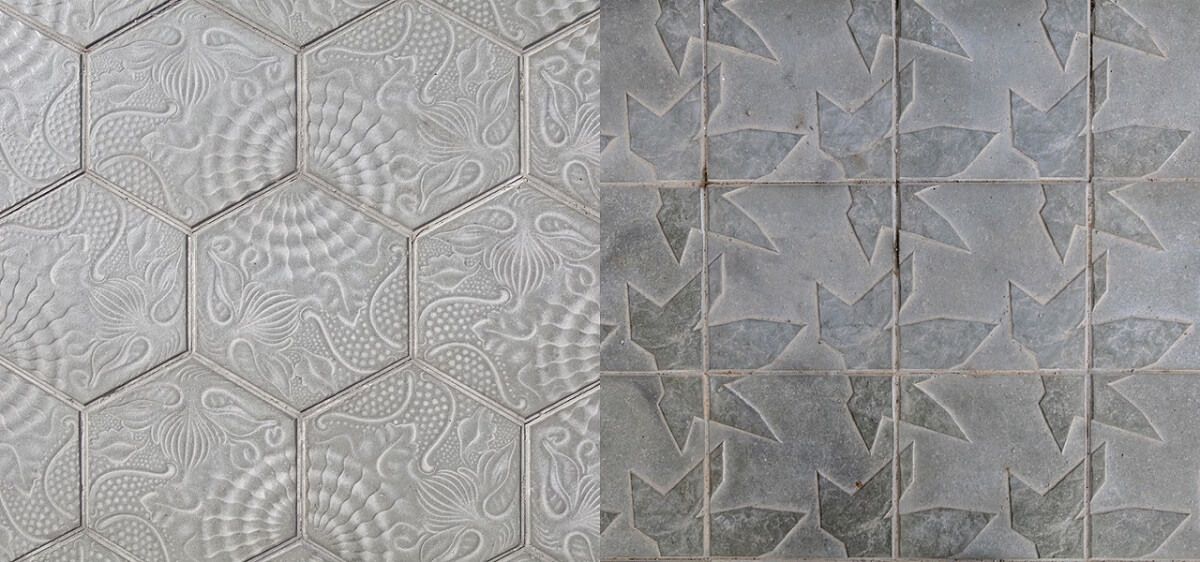
Headquartered in Martorell, Escofet 1886 has almost 135 years of history, closely linked to Barcelona, which has been its great showcase. The paving and urban furniture company began its close relationship with the city in 1906, when it started producing the flower-shaped panot, also called Flor de Barcelona, which were used to pave the streets of the Eixample and have become a symbol of the city.
But this is by no means the only mark the company has left on the Catalan capital. It is also the creator of the Gaudí panot, which went from the interior of La Pedrera to decorate the sidewalks of Passeig de Gràcia, and the controversial panot designed during the reform of Diagonal, characterized by its plane tree leaves.
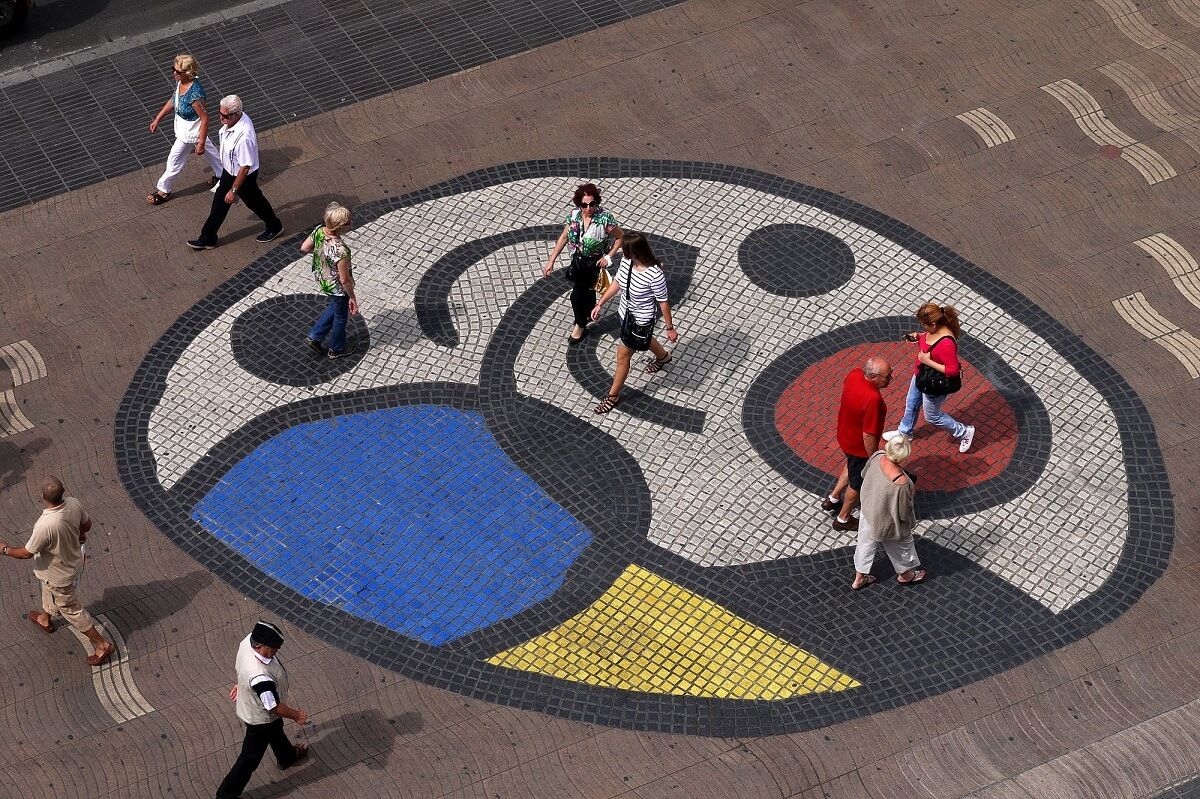
Escofet's route through Barcelona reaches La Rambla, with the Ona pavement, which imitates the movement of the sea, and Joan Miró's Mosaic. In addition to dressing the city's most famous artery, this was the turning point in the company's trajectory, which, from this moment, around the 1960s, began to produce for the whole world, covering the promenades and squares of many cities with the same pavement that had debuted on La Rambla.
Beyond the panots
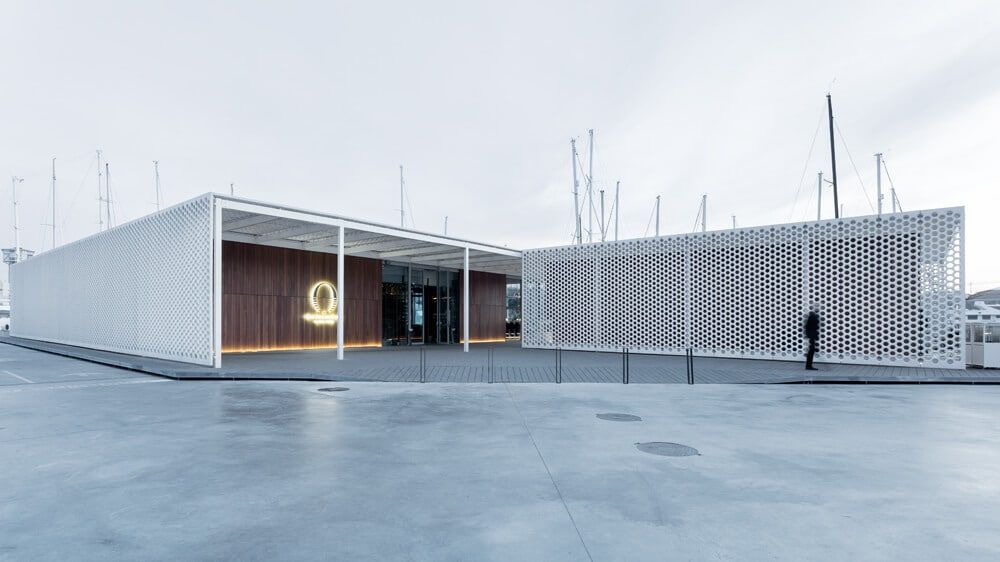
The evolution of Barcelona's artistic and architectural trends has gone hand in hand with Escofet, with whom most of the city's architects and artists have collaborated. The list includes such relevant names as Antoni Gaudí, Lluís Domènech i Montaner, Joan Miró, Enric Miralles, and Toyo Ito. Their contribution to the company has not only served to decorate the floors of buildings like La Pedrera and the city's streets but has also allowed them to work on the facades of some of its buildings, with contributions to the World Trade Center, the Sagrada Família, and the One Ocean in Port Vell, as well as its urban furniture.
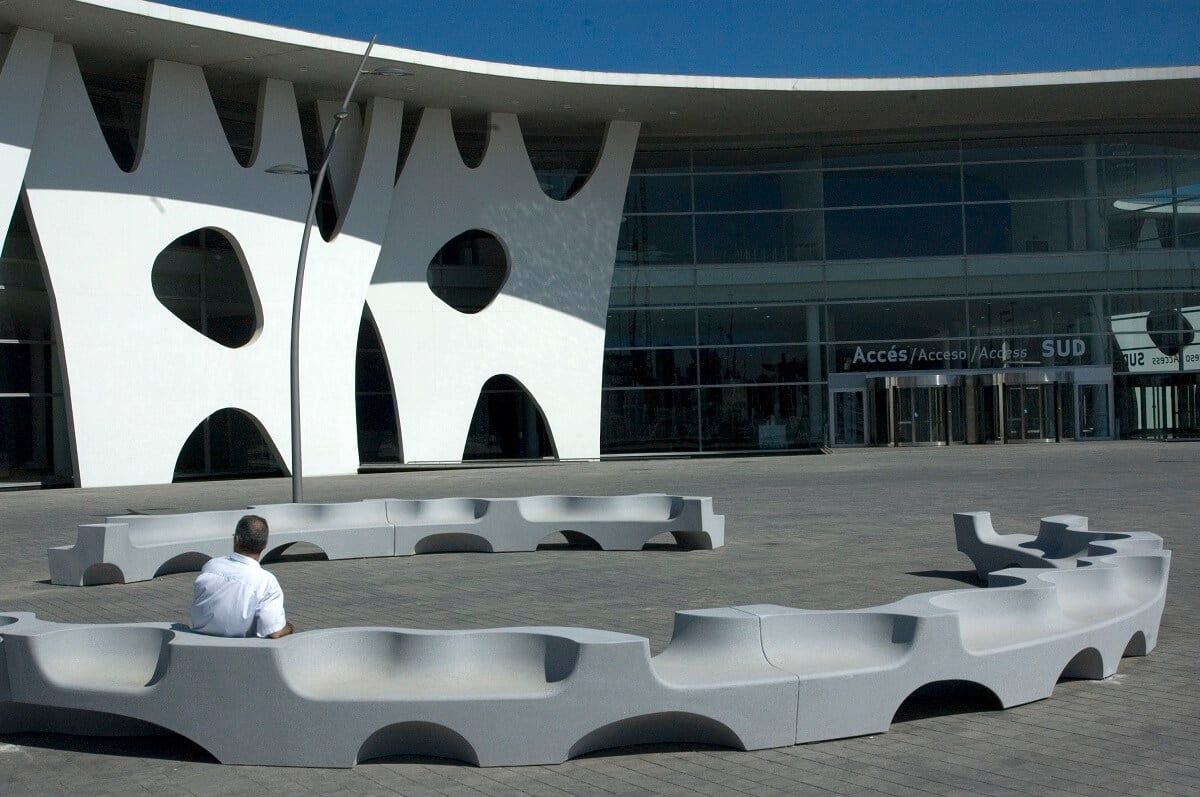
The urban furniture division currently predominates at Escofet 1886, which has a staff of 88 employees and a turnover of 14 million euros. An example is the characteristic benches that Toyo Ito designed for the exterior of the Gran Via venue of Fira de Barcelona, which have become one of the Japanese architect's hallmarks and have been exported from L'Hospitalet de Llobregat to many other cities around the world, such as Puebla (Mexico).
Add The New Barcelona Post as your preferred Google source for free
Stay informed with the latest news.
