
In 2014, perhaps you were starting a new job or didn't yet live where you live now. Maybe you didn't even sense that that year would end up being important. Somewhere, however, a barrel was slowly breathing. A wine was fermenting in silence. A distillate was beginning to lose part of its body in the air of a warehouse. Time, before being a calendar, was already matter. Before a bottle, there is not just a liquid. There is a date. And an invisible succession of chemical changes, minimal evaporations, decisions made years ago by hands that may no longer be there. Opening it is activating a small time machine.
Perhaps that's why we say that someone improves like wine (or ends up turned into vinegar, as Flaubert warned). Not because they resist the passage of years, but because they have known how to metabolize them. Because they have transformed oxidation into complexity; loss, into density; patience, into narrative.
Recently, at Ca N'Estruc, the promoters of the Vila Viniteca Wine Tasting by Pairs Award opened the winery to the press like someone showing a porous border between centuries. The estate has existed since 1548 and, even so, the future circulates there naturally. There we tasted what does not yet exist: samples of coupages in testing, decisions that may be made months from now, liquids that still don't know what they want to be. "We are a practice laboratory," says Siscu Martí while serving a minimal fraction of the future.
Time, when allowed to work, does not always destroy; sometimes, it refinesThen comes the serious game. An improvised blind tasting. Varieties, soils, countries, years. They explain to us that color gives clues, that the tongue does too. If the impact is at the tip, youth. If it moves inward, maturity. We concentrate. We fail. We debate whether only a privileged few can make these readings with certainty. And then the variable that dismantles everything appears. Today it rains.
The atmospheric pressure, the humidity, the room temperature. The meteorological time clashing with the chronological time. "There are days when even I don't recognize the wines I've chosen," admits Quim Vila, one of the great architects of the event. It's not false modesty. It's chemistry. "Wines are like people. They are alive. They change." If the sky is heavy, the aromas contract, perceptions slip away. The narrative shifts.
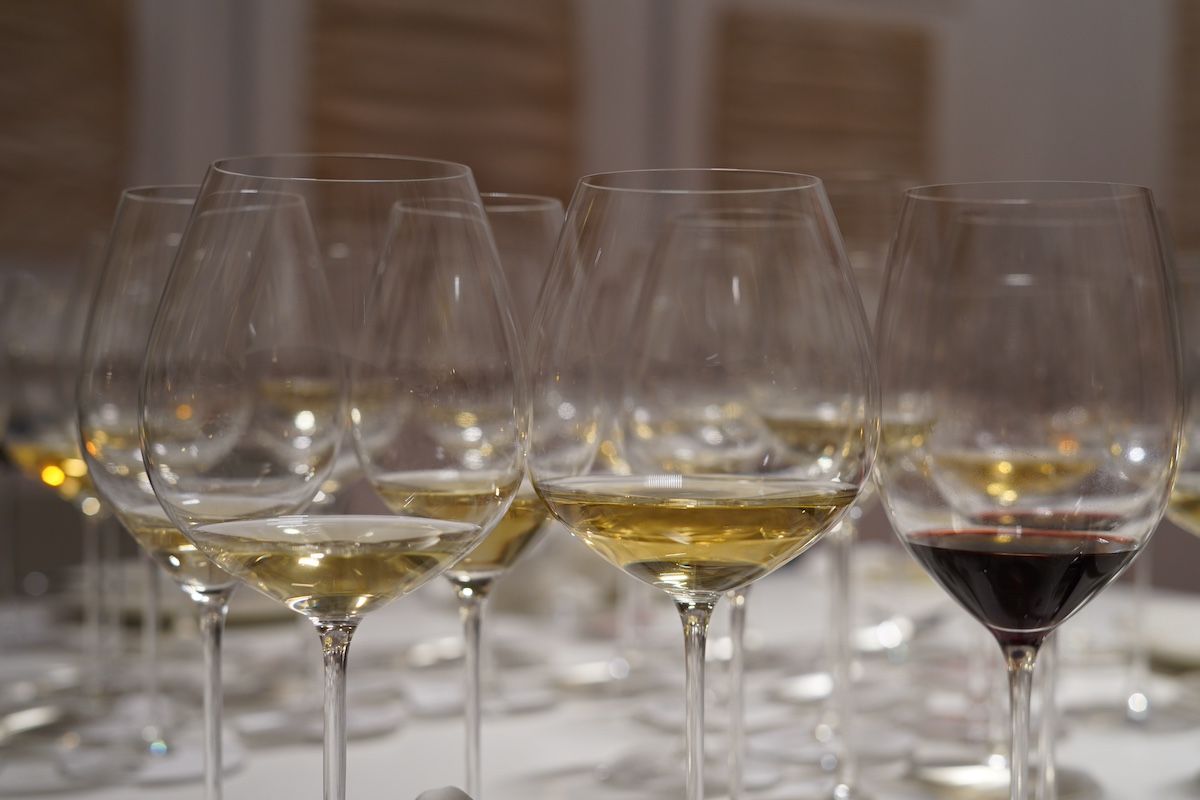
But not everything depends on what's inside the bottle. The container also writes the story. "Aromatic molecules concentrate vertically, like a candle flame," explains Jordi Segura, head of Riedel glasses. Depending on the diameter, the liquid also lands on one point or another of the tongue. If the glass is wide, you don't need to lift your chin much. If it's narrow, the head tilts and the wine goes towards the tip. The perceived acidity changes. The sweetness changes. The narrative changes.
Time also governs the world of whisky, perhaps with an even greater mathematical cruelty. From Glenmorangie, Dani Sempere explains that "making a whisky is like raising a person." Twelve years is basic education. Then come the second uses of barrels, the double maturations, a kind of liquid university. The first drop we taste may have waited twenty-four years to reach our glass. It's no small thing.
And, meanwhile, the invisible part: the two percent annually that irremediably evaporates. The famous "angels' share." A celestial tax that prevents a distillate from living a hundred years. Each year that passes, less volume. More concentration. More value. It also happens to us: there are portions of what we are that evaporate forever.
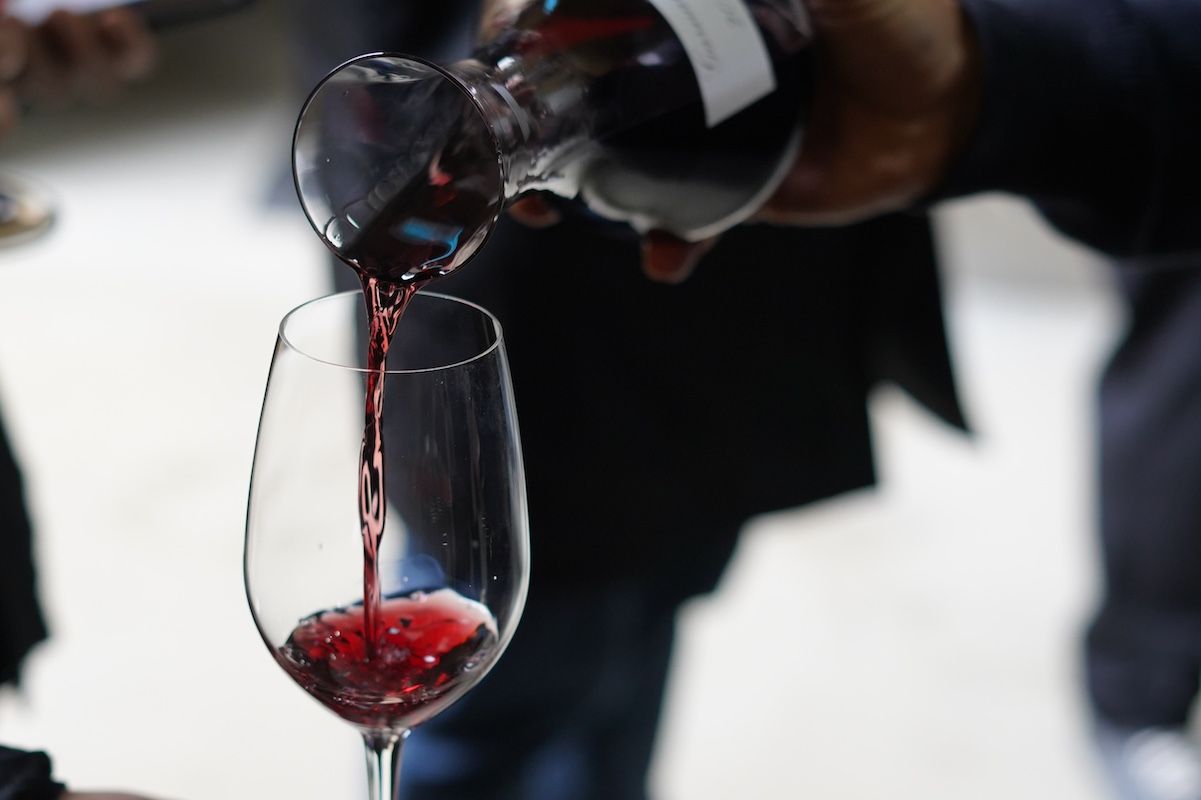
For all this, the year printed on a label is not a simple number. It is a time capsule. It summarizes droughts and rains, oenological fashions, technical decisions, commercial trends, silences in a warehouse. It has survived moves, crises, transfers, renovations. Perhaps it will still resist decades more, condensing its essence, accumulating narrative, advancing towards a future it does not yet know.
Drinking a whisky or a mature wine is that: taking a date to your mouth. Accepting that the past can also be tasted. And understanding, finally, that time, when allowed to work, does not always destroy. Sometimes, it refines.
Add The New Barcelona Post as your preferred Google source for free
Stay informed with the latest news.