Sometimes there are very good ideas, but, if they are not tested, they usually come to nothing. The Barcelona City Council wants to facilitate this critical phase in any innovation process by turning the city into a large test bed. There will be those who need to test their solution on public roads or in an office, but also those who will have to see if it works among concert attendees.
All these spaces will be opened to those entrepreneurs and researchers who need it with a new ordinance that the council plans to approve throughout next year. The first step will be taken this Thursday, when a mayoral decree establishing the organizational model to promote this new regulatory framework will be signed.
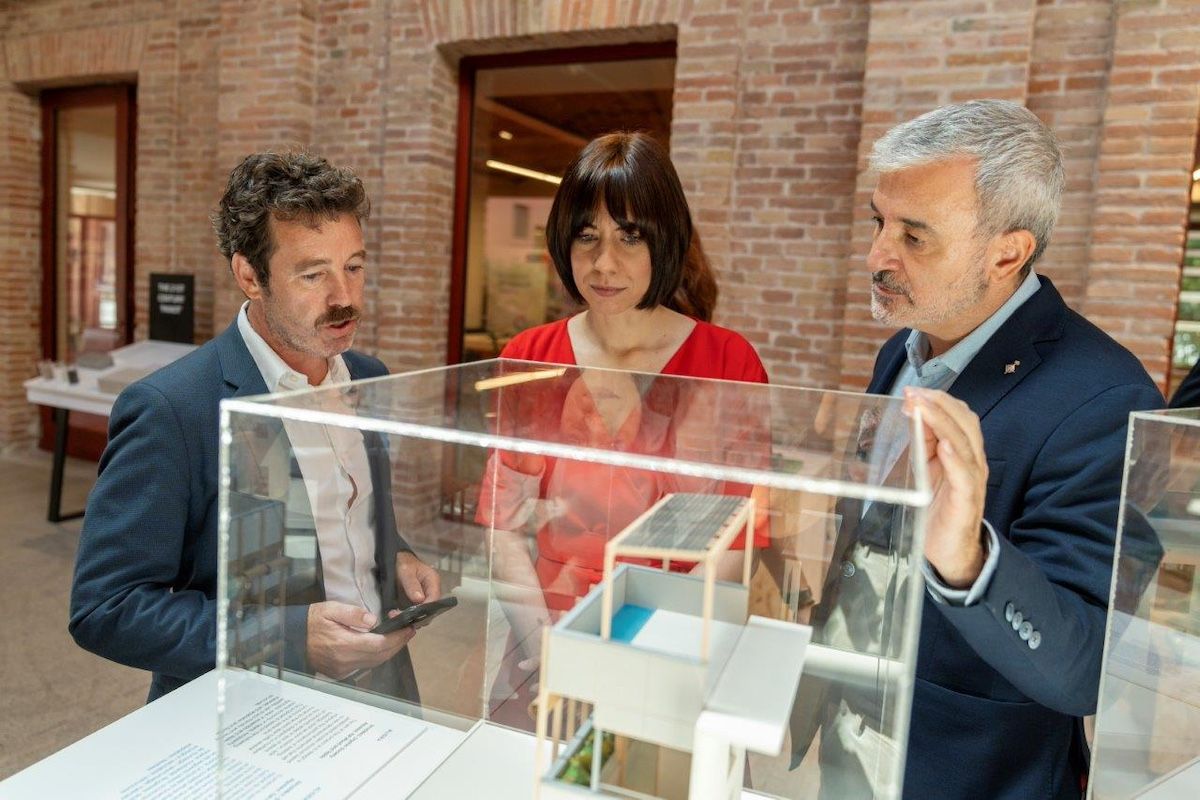
"We are committed to turning the city into a natural space for experimentation, where innovative methodologies can be tested that generate public value and mean more social well-being and quality of life for our citizens," defended the mayor of Barcelona, Jaume Collboni, along with the Minister of Science, Innovation and Universities, Diana Morant. A clear commitment to "create easy environments at a regulatory level, agile and where bureaucracy is not an impediment to innovation, changes and transformations," added Collboni. This announcement comes shortly after presenting the strategic plan to promote science and innovation in the Catalan capital, with a budget of 130 million euros from now until 2027 and measures such as expanding the funds allocated to venture capital up to 60 million euros and IBI bonuses for innovative companies.
With the new regulation, an inventory of assets is expected to be created that will be made available to the entrepreneurial ecosystem, but also to research centers and large companies to carry out pilots or test prototypes. "Products or services that have not yet been implemented in the market are tested and it is desired to assess whether it makes sense to do so," summarizes Michael Donaldson, director of the BIT Habitat foundation, the urban innovation agency of the Barcelona City Council, in charge of leading the definition of the future ordinance.
The list of these locations, known as sandboxes or safe and controlled environments for testing or experiments, is expected to be long and to expand. Initially, it will include public facilities of the City Council, such as its headquarters and libraries, as well as public roads, but also the public events it organizes, such as La Mercè or the Marató. Donaldson gives examples of pilots that can be carried out, such as providing sensors to Marató participants to analyze their physical condition during the race and warn them when they need to slow down, or providing an app that tells them the closest and emptiest exit at a La Mercè concert. Access to the council's virtual spaces will also be allowed, such as the city's digital twin that it is developing together with the Barcelona Supercomputing Center (BSC).
In a later phase, the aim will be to sign collaboration agreements with employers' associations such as Pimec and Foment del Treball, and foundations such as the Cercle Tecnològic de Catalunya, with the aim of extending the scope of the regulations to private companies. The aim is also to facilitate access to infrastructures such as the Port of Barcelona. For entrepreneurs and researchers, the future ordinance will simplify the administrative processes they have to follow to be able to carry out tests in the city.
The announcement of the new ordinance has coincided with the presentation of the guide Sandbox: understanding and implementing. Guide for controlled testing environments, created by the Ministry of Science, Innovation and Universities. One of the previous cases of this type of space is the financial sandbox of the National Securities Market Commission (CNMV), a space that was sought to be brought to Barcelona.
Add The New Barcelona Post as your preferred Google source for free
Stay informed with the latest news.