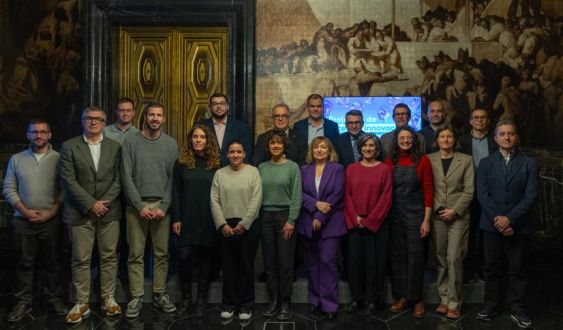
Research applied to the city. Barcelona promotes 13 research projects in health, sustainability, and innovation. The Barcelona City Council and "la Caixa" Foundation have selected 13 projects in the fifth call for Research and Innovation Grants, corresponding to the year 2025, with a total endowment of two million euros aimed at promoting research capable of responding to the major social, health, and environmental challenges of the city.
The initiatives are part of the Strategic Plan for Science and Innovation 2024-2027 and focus on three main areas—life and health sciences, sustainability and climate change, and technological innovation—with the aim of connecting scientific knowledge with real impact on urban life. In total, 13 projects have been selected from 77 proposals submitted by 118 entities, jointly involving 32 organizations.
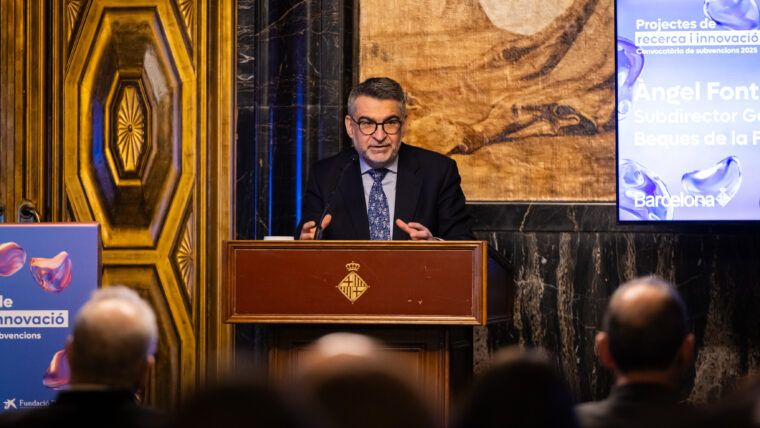
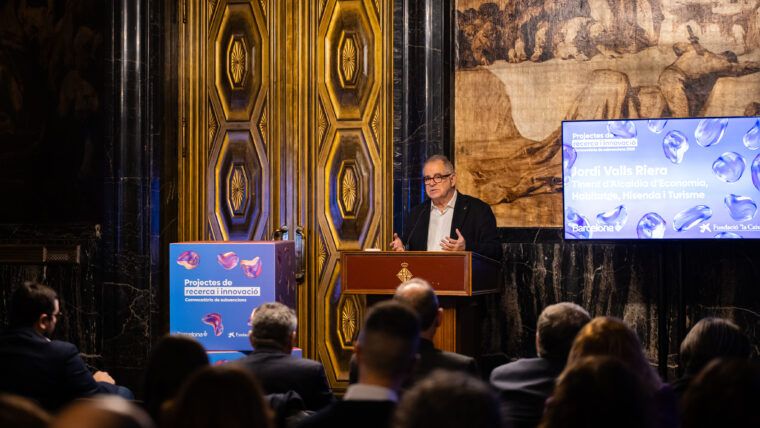
The grants, which are awarded every two years, were presented in the Salón de Crónicas of the Barcelona City Council. During the event, the evolution of projects funded in the 2023 call was also presented.
The 13 selected projects
Life and health sciences
-
DESODEM-BCN – Analyzes how socioeconomic factors, social infrastructure, and air pollution influence the symptomatology and biology of dementia in Barcelona, with special attention to inequalities in diagnosis and disease progression.
-
BECOME – Evaluates the effectiveness of mindfulness-based cognitive therapy in digital format to prevent relapses in people with recurrent major depression, as a scalable and non-pharmacological alternative to usual treatment.
- SuperCAP – Develops and validates personalized digital tools to reduce fatigue and cognitive difficulties associated with persistent COVID, with the aim of improving the quality of life of affected individuals.
- MICROPIX – Promotes a high-sensitivity photonic microchip capable of detecting pathogens in blood and antimicrobial resistance markers in less than 30 minutes, to facilitate faster and more accurate diagnoses.
- GreeSelfO2 – Studies the feasibility of a photovoltaic-powered electrolysis plant to produce medical oxygen in hospital settings, with the aim of increasing healthcare resilience and reducing emissions.
- DIVAD – Analyzes how social, cultural, and ethnic factors influence biomarker levels in blood for Alzheimer's, promoting more inclusive and equitable research in early detection.
- CLIMABLUE – Investigates how the naturalization of urban blue spaces can contribute to Barcelona's climate resilience, analyzing microclimatic regulation, biodiversity, and citizen well-being.
- WELLCOM –studies the role of urban gardens as community spaces that contribute to social well-being, health, and environmental resilience, as well as the opportunities they offer for public policies.
- ARSEC – Scientifically monitors urban trees to understand how climate change affects their growth and health status, with the aim of improving municipal management and ensuring ecosystem services.
- GreyWaterBCN – Analyzes the microbiological risks associated with the reuse of greywater in urban environments, especially regarding aerosols and antibiotic resistance, to guide safer public policies.
- GLIMS – Proposes a more sustainable and equitable urban goods distribution model, using artificial intelligence-based simulations to reduce congestion, pollution, and access inequalities.
- HEAT-BCN – Investigates how social determinants and the urban environment influence the vulnerability of older people to heatwaves, with the aim of improving local adaptation policies.
- WINPRINT – Develops multifunctional printed windows with sustainable technologies that regulate sunlight and reduce energy consumption, with pilot tests in public buildings of the city.
Add The New Barcelona Post as your preferred Google source for free
Stay informed with the latest news.
