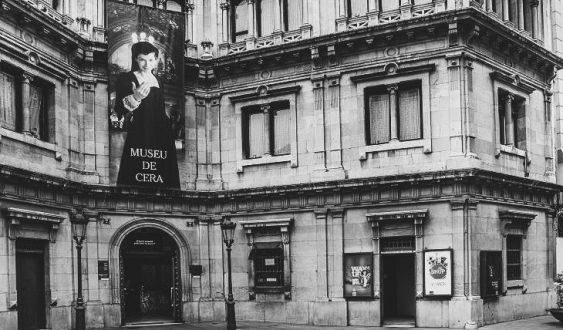
The coronavirus crisis has interrupted many plans and many hopes, but there are also many latent projects that patiently await the return to normality and are eager to help Barcelona recover its rhythm, vitality, and optimism. One of these initiatives wants to actively participate in the tourism reactivation process, with a new leisure and cultural offer for the city that will also help revitalize La Rambla. This is the Barcelona Wax Museum, which is finalizing the launch of a new stage after having changed management and received a strong investment to remodel and update its facilities.
Behind the new stage that the Wax Museum wants to begin is a well-known person in Catalonia, Toni Cruz, one of the three founders of La Trinca and former executive general director of the production company Gestmusic. He is the creative director of the new museum, which will be managed by the company Advanced Leisure Services (ALS), led by Ángel Díaz. ALS is a firm specialized in the management and commercialization of cultural and tourist spaces and operates facilities such as Montjuic Castle, Gaudí Crypt in Colònia Güell, or the heritage dissemination center of Catalonia located in Palau Moja on La Rambla.
Ángel Díaz, through ALS, allied with a group of entrepreneurs from the audiovisual sector to take over the operation of the Wax Museum, which until then was in the hands of the Alarcón family, founders of the facility. They have not bought the building, but have signed a contract for rental and management of the space, whose ownership remains with the family. The transaction took place at the end of 2019, but the group of partners did not begin operating the cultural facility until February 1 of this year. However, their plans to relaunch the museum were thwarted by the arrival of the pandemic, the population lockdown, and the disappearance of tourists.
The new managers have used this entire year to subject the museum to a comprehensive remodeling that has involved an investment of several million euros. "It will be a new wax museum," they explain, referring to the substantial change from the previous one, which had not been updated for a long time. "We believe there is an opportunity with this type of museum offering; the Wax Museum is an asset and we want to make it available to the city again," they state.
In his LinkedIn profile, Toni Cruz explains that he is dedicated to the "new project, to remodel, update and energize the Barcelona Wax Museum, to recover its emblematic character." According to the former member of La Trinca, the challenge is to turn this facility on La Rambla "into a mandatory cultural and recreational stop for all audiences."

Initially, the new managers planned to update the museum in three phases. However, the coronavirus has accelerated the remodeling, which has been done all at once taking advantage of the abnormal situation caused by the coronavirus. Details of the reform have not been released, but the works are already practically finished, so the intention is to open within a month.
The old Wax Museum had a collection of 200 wax figures of historical figures, such as Cleopatra, Charles Chaplin, Fidel Castro, Lenin, Chewbacca, Shakespeare, Hitler, Manolete, John Lennon, Dalí or John Paul II. It is unknown how many of these figures will be part of the new museum proposal and what new characters will be incorporated. It should be noted that the Barcelona Wax Museum responded to a very particular vision of its owner and did not have as its mission to resemble Madame Tussauds in London, which continuously incorporates new figures following the rhythm of current events. In fact, the Barcelona museum was as if frozen in time, as it had not incorporated new characters for more than a decade. Visitors, for example, looked for Leo Messi, but did not find him.
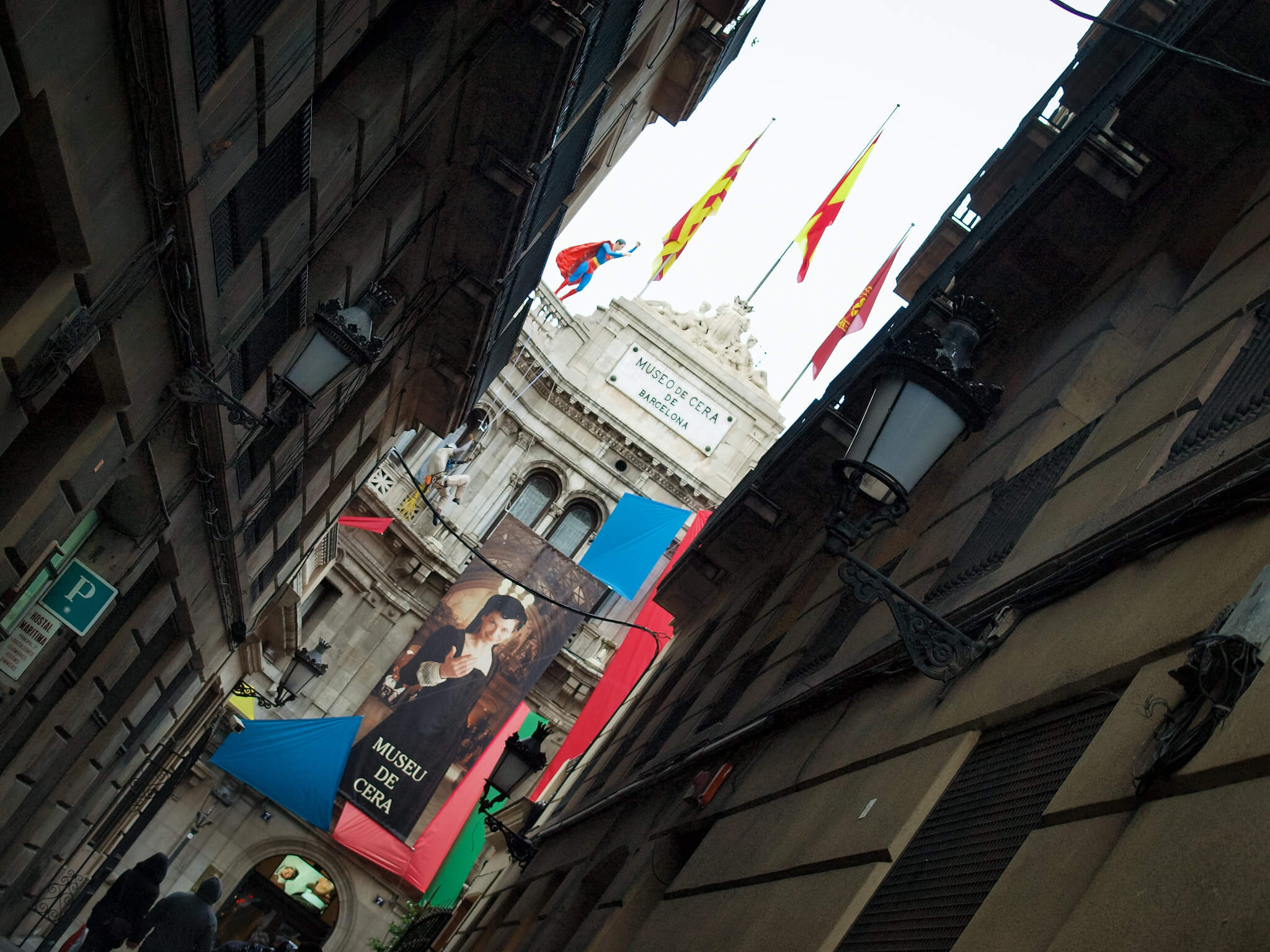
The Barcelona Wax Museum was founded by Enrique Alarcón, an architect and set designer who in 1973 bought the neoclassical palace located at the end of La Rambla considering that it was an "ideally mysterious place for a collection of these characteristics," according to journalist Mauricio Bernal in El Periódico in 2018. "His condition as a set designer would mark the destiny of the place," he pointed out.
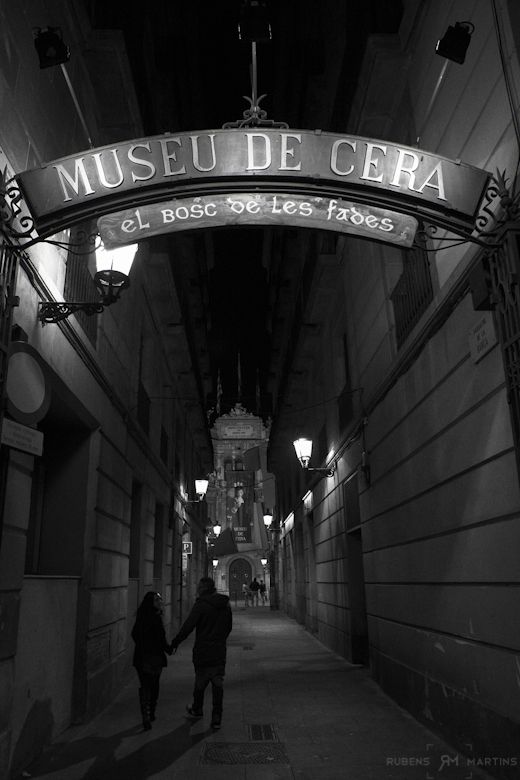
The Wax Museum reached 200,000 annual visitors in 2016, but since then this figure has been in decline. In 2017 ---the year of the terrorist attack on La Rambla--- 160,000 visitors were received, and in 2018 there were already 150,000, according to the latest available data. Those responsible until now had always boasted of being a one hundred percent private museum that did not receive a single euro of public subsidy. The facility has, however, a second and prominent source of income, El Bosc de les Fades, an adjacent bar that recreates a forest with gnomes and fantastic creatures that had grown in popularity over recent years. The complex was completed with the Passatge del Temps, a shop that sold design objects. It is expected that the new managers will also incorporate these two spaces into their new tourist proposal.
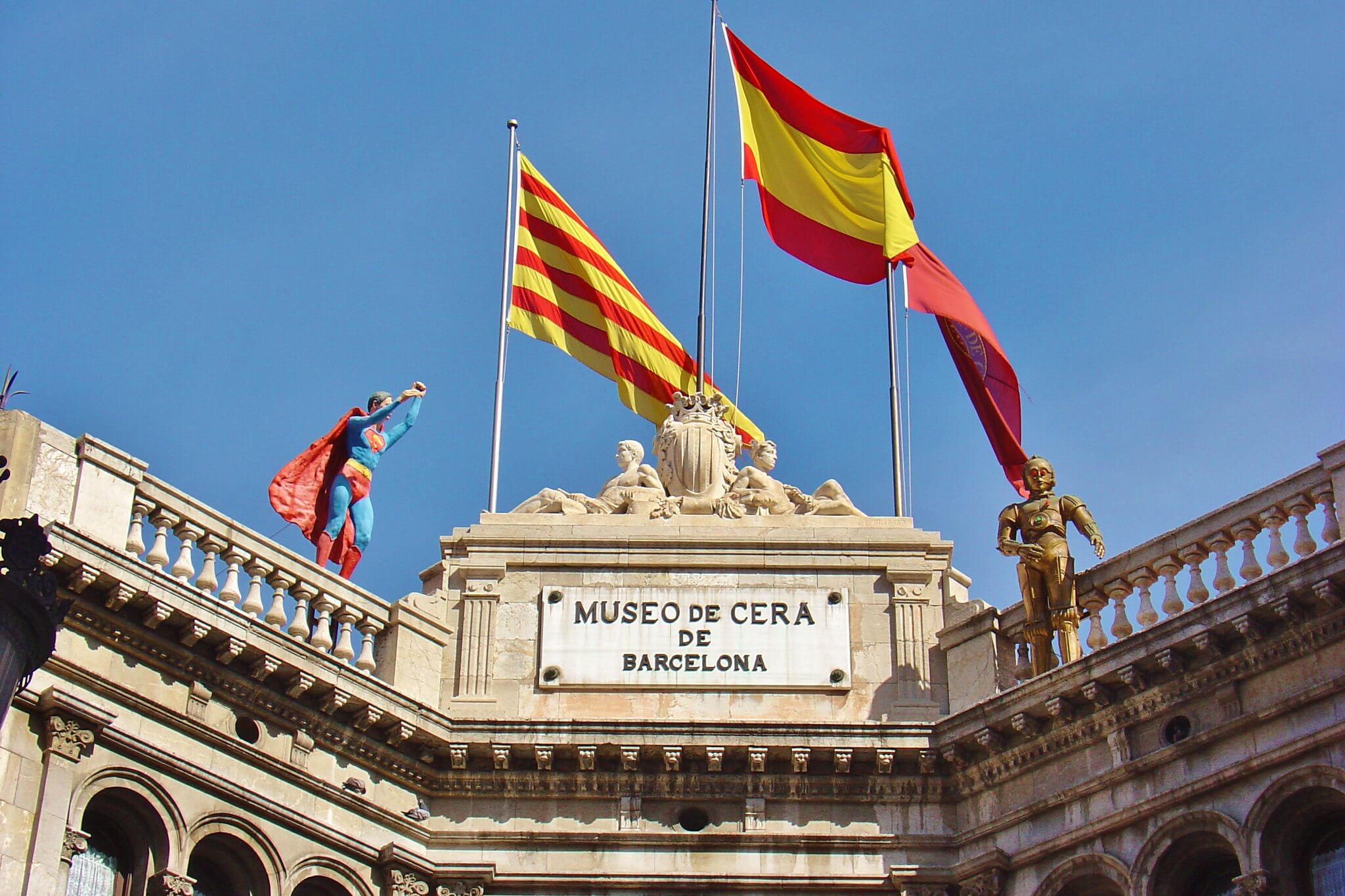
The Wax Museum is located on Calle de la Banca, in a building that dates back to 1867 and was built by the Girona family. It housed the headquarters of the Compañía General de Crédito, the Banco de Barcelona, and the Crédito y Docks entity. Conceived by the architect Elías Rogent, in this small palace the best families of the Catalan bourgeoisie of the late 19th and early 20th centuries kept their jewels and money.
Add The New Barcelona Post as your preferred Google source for free
Stay informed with the latest news.