There is just under a week left to visit the exhibition Campañà: the aesthetics of mechanical modernity, but we can still enjoy The Infinite War, at the MNAC. Both exhibitions are Barcelona's tribute to photographer Antoni Campañà (1906-1989), chronicler of a tumultuous 20th century that included the tragedy of a Civil War he wanted to forget and buried in a red cardboard box for 70 years, until his grandson rediscovered it.
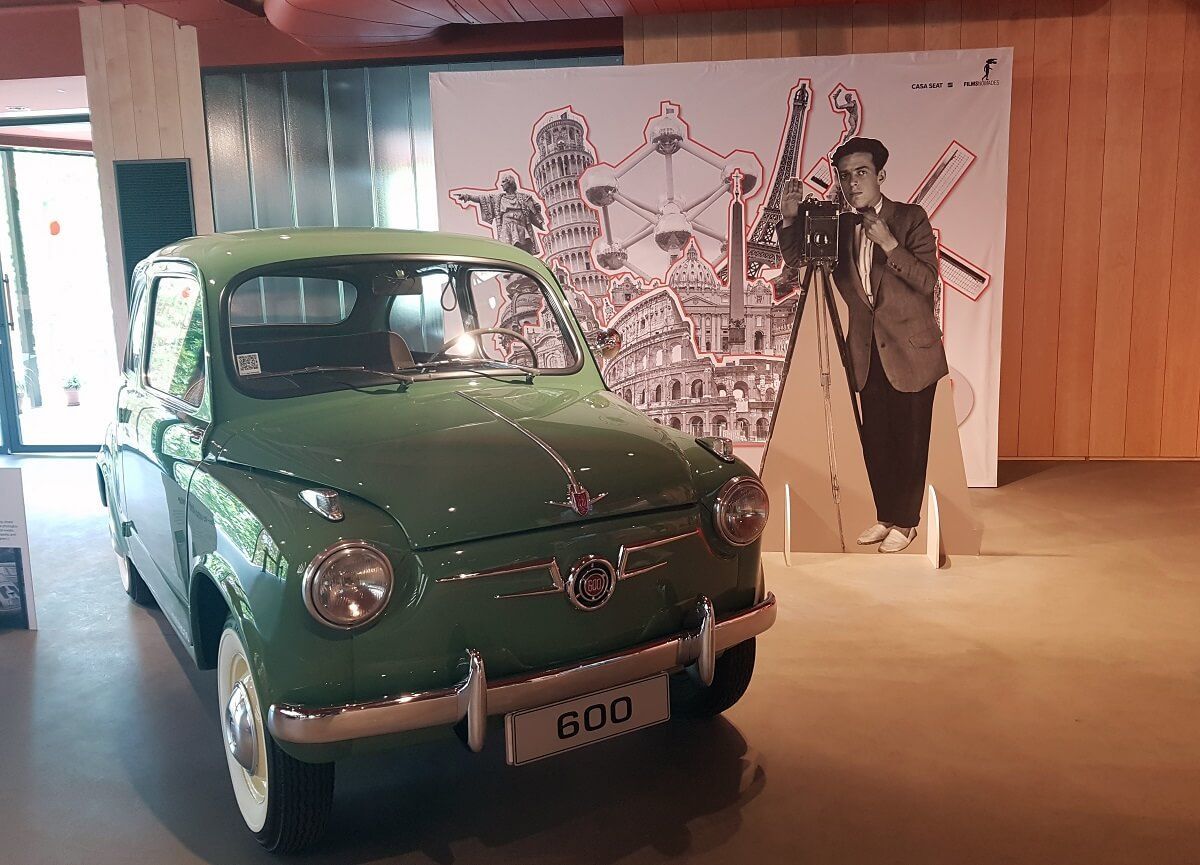
The exhibition at Casa Seat will remain open until next Tuesday and, through Campañà's lens, offers a journey through the aesthetics and forms of Seat automobiles. The photographer dedicated half a century to portraying the evolution of the car. From that work, the new cultural space at Diagonal with Paseo de Gràcia exhibits 237 photographs, most of them in magnificent and longed-for black and white. The photographer himself appears in several images, among which one stands out next to a restored Seat 600. Campañà not only immortalized the brand's most iconic advertising images, but through them he also portrayed the evolution of a country towards urban modernity.
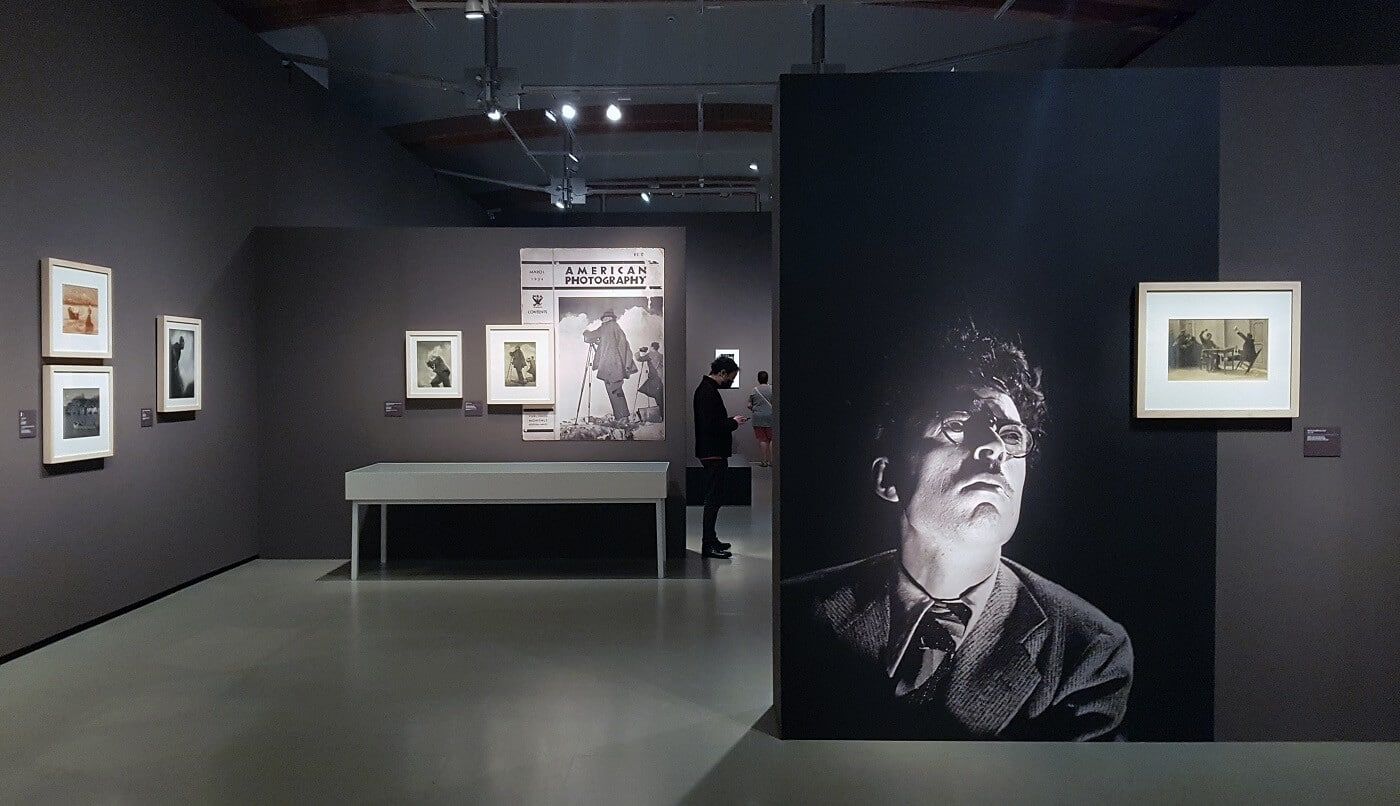
The MNAC exhibition offers the most tragic Barcelona, that of the war, which Campañà captured in all its horror. The Infinite War can be seen until July 18. The photographer lived the conflict with his Leica in hand, focusing on scenes of daily life during those years, but also of death and destruction. In the end, the exhibition is a heartbreak that conveys the anguish experienced by the author himself.
The entire collection of photographs, unpublished until now, has enormous documentary value, which is amplified by its almost legendary history. Campañà, after portraying that harsh reality, wanted to forget it, as if it had never existed. He locked the negatives with thousands of images in a red cardboard box on which he wrote copies and deposited it in the garage of his house in Sant Cugat. He turned the page on the bombings and hunger, and returned to focusing on cars, sports, landscapes, what a photographer portrays in times of peace. In war, while some fired bullets and bombs, he fired snapshots for history.
He hid the box of war negatives but did not destroy them, perhaps with the never-expressed wish that one day they would see the light again and that decades after the horror they could be admired from the distance of years and a transformed society. And that's how his grandson found the treasure in 2018, almost 20 years after his grandfather's death. The iconic box now occupies a central place in the exhibition as a symbol of all the images surrounding it. Red, yes, which would reinforce Campañà's desire for it to be unearthed one day, because there is no less discreet box than a red one. But that is just a guess. The truth he took to his grave.
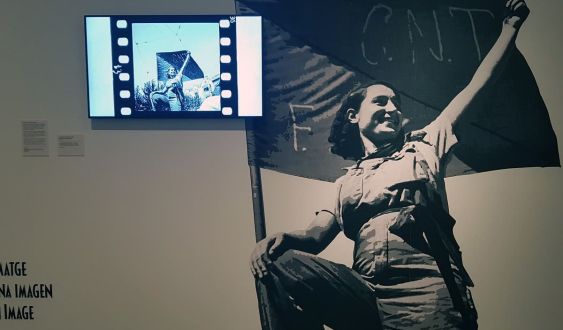
Among the photos on display, images of female militias, destroyed houses, soup kitchens, trenches, and even the victory parade of Franco's troops stand out. And there that chapter of violence closed. But among all of them, there is a series that strikes the soul, which is that of the mummies displayed in the middle of the street of the Salesian nuns of Paseo Sant Joan. And it is not so much for the grotesque vision of the corpses of the nuns. What really distresses are the faces of the curious, the vast majority of whom express no pity, but rather complacency with the barbarity. Many even bring their children with them.
Among the photos on display, images of female militias, destroyed houses, soup kitchens, trenches, and even the victory parade of Franco's troops stand outThose scenes remind me of my mother, who, still very young during those events, ended up being led half-deceived by some relatives to contemplate the mummies of the nuns. She often explained it as one of the most horrifying scenes of her life. As a result, sores broke out in her mouth and she never erased it from her mind.
In short, it is worth reviewing the work of one of the great Barcelona photographers of the 20th century who, in addition to narrating decades of stories with his lens, delved into the avant-garde and was one of the great references of pictorialist photography.
Add The New Barcelona Post as your preferred Google source for free
Stay informed with the latest news.
