A modernist-style mailbox designed by Lluís Domènech i Montaner was for many years a door to the "hell" of the Arxiu Històric de Barcelona. In the Casa de l'Ardiaca, a building with centuries of history near the Cathedral, this municipal body was installed a hundred years ago. During the years of the dictatorship, when anonymous people deposited anti-Franco propaganda that they distributed around the city in the mailbox, the archivists secretly collected it. Internally, the corner where everything that had to be hidden ended up was known as "hell." This material will soon be featured in the exhibition Quan plovien octavetes in an institution that has one of the most valuable documentary collections in the city from the 13th century to the present day.
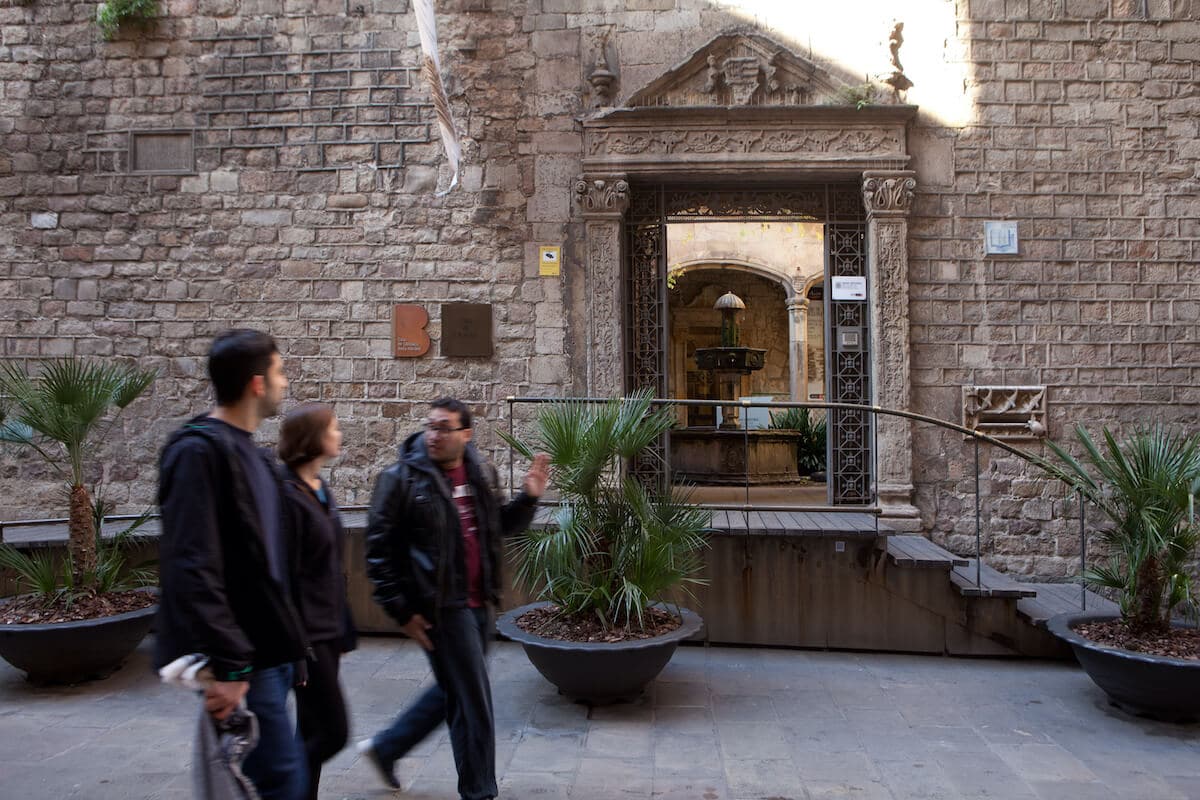
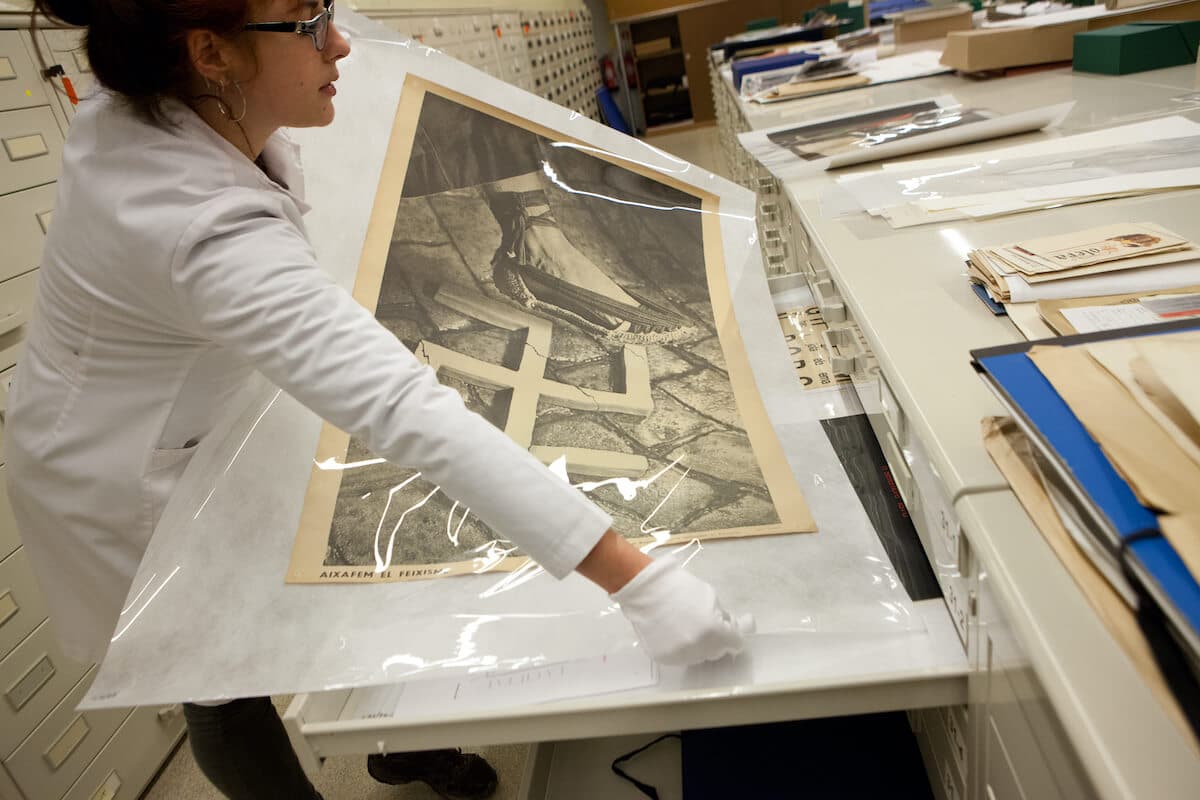
Walking through the corridors of the Arxiu Històric de Barcelona is a continuous surprise. Restaurant menus, Liceu programs, the first tourist guides, transport tickets, collections of postcards or playing cards, Perich's original drawings, all issues of the Diari de Barcelona, the Mercè posters... And this is only in the Casa de l'Ardiaca, but there are 20 archives in total in Barcelona, including the Arxiu Municipal Contemporani, the Arxiu Fotogràfic, the municipal archives of the different districts and those of the City Council itself, which add up to more than fifty kilometers of paper documents and more than three million photographs.
[subscribe_newsletter_esp]
All this information, which anyone can consult, is largely unknown to citizens. It is a local administration service that works to preserve the city's documentary heritage and collects everything from parchments to current documents already in digital format. "It is an essential public service open to the public that guarantees that everyone can access information," says Barcelona's chief archivist, Quim Borràs. It serves to preserve the collective memory of the city, both of its institutions and its citizens. Also for practical matters, such as when you have to do work at home and need to find building permits or the original plans of the building, which are kept under the supervision of Núria Postico in the Arxiu Municipal Contemporani ---if they are before 1990--- or in the archives of the corresponding district.
Towards a more virtual and accessible archive
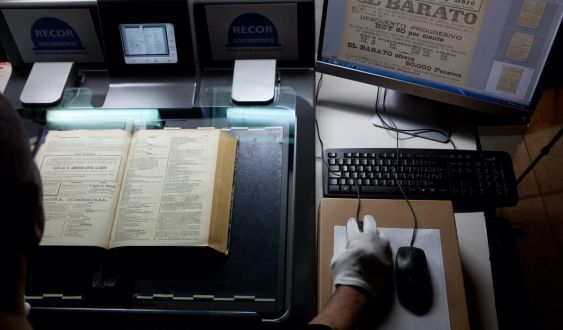
In a world where everything is increasingly digital, the Arxiu Municipal de Barcelona does not want to be left behind. The multitude of floors full of folders with papers is evolving towards an increasingly virtual model, digitizing historical documents and preserving online those that have already been born digital.
That is why the 2020-2023 strategic plan of the Arxiu Municipal focuses on making it more digital, "storing it in smaller places, preserving it better and making it available to everyone at the click of a button," summarizes the Councilor for Commerce, Markets, Consumption and Internal Regime and Finance of Barcelona, Montserrat Ballarín. The City Council also wants to facilitate the digital transition of the council itself, streamlining its constant accumulation of documents —each area of the local administration has its own archive—. In fact, Ballarín recalls when "everything was on paper" in the Arxiu de l'Institut Municipal d'Hisenda, with 2,000 square meters of shelves and more shelves of documents stored as letters, notifications and fines to citizens.
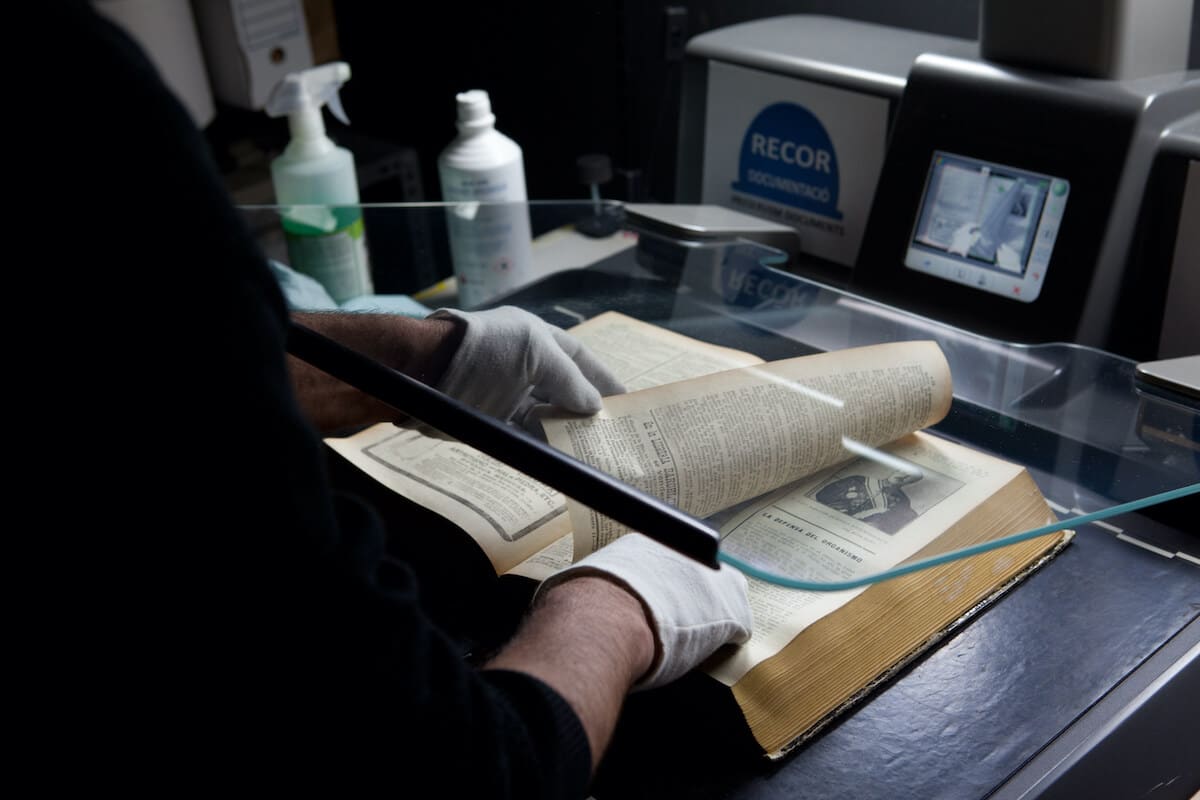
But, above all, the council wants to strengthen the relationship of this public service with the people of Barcelona, with the aim of democratizing the historical and current knowledge about the city and reinforcing the connection of citizens, in addition to guaranteeing access to all people. In this sense, Ballarín emphasizes that they face the "challenge" of breaking the traditional image of an archive, based on thinking that it is only reserved for researchers, opening it to schools and universities and to the general public.
With the pandemic, obviously, everything has accelerated. The chief archivist of Barcelona points out that, if in a normal year, of the 50,000 queries they received, about 20,000 were in person and about 30,000 remote, this 2020 the figures have changed and approximately 40,000 queries have been telematic. Open since the first phase of de-escalation, as an essential service, they have now adapted their operations to covid-19, with prior appointment and restricted capacity and consultation time, and documents that remain in quarantine after being consulted.
The unification in Can Batlló, stopped by covid-19
To know that there is an archive with all this material in Barcelona, it does not help much that it is dispersed in 20 centers in the city, between the Històric, the Contemporani, the Fotogràfic or the municipal archives of the different districts. For years, the City Council has been working with the idea of concentrating the entire Municipal Archive in the central nave of Can Batlló, to offer a better service to citizens so that they do not have to go to more than one place to consult information; to have more capacity for document intake, and to organize more activities for Barcelonians. "Barcelona would be at a European level, with a prestigious 21st-century archive," explains Borràs, who indicates that other cities such as London, Paris, or Amsterdam have their archives in a single building.
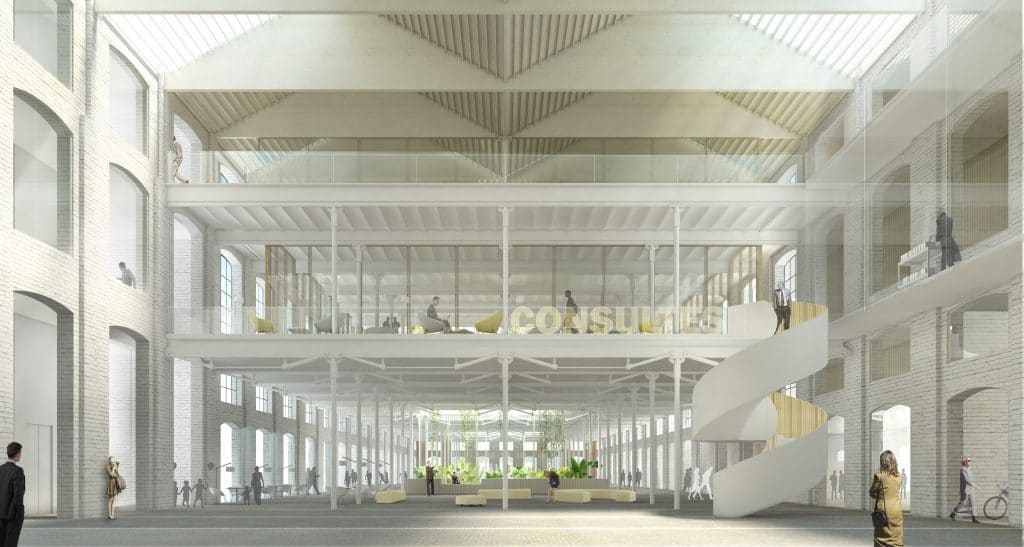
Currently, the project is halted due to the coronavirus crisis, which has forced the council to redirect budgetary priorities and this has caused a delay in the planned schedules for the new archive. "It is significant funding and it had to be stopped, but the intention is to resume it," explains Borràs. "We have everything ready for when it is possible," adds Ballarín. Can Batlló will represent a new physical space to keep an increasingly digital archive alive, where history, both of the documents and their setting, will be linked to a new reality of screens and the cloud. This historical evolution is reflected in a recent detail: the exhibition that the Arxiu Contemporani will hold about the confinement will be purely virtual, like the multitude of memories we will keep from this period.
Add The New Barcelona Post as your preferred Google source for free
Stay informed with the latest news.
