Barcelona continues to advance in the consolidation of its economic recovery after the impact of the pandemic. The latest data from the register of economic activities corresponding to the 2025 fiscal year, presented by the Barcelona City Council, confirm a positive evolution of the city's commercial and business fabric, with significant growth both in the number of activities and in the collection of the Economic Activities Tax (IAE).
According to these data, the register of economic activities has grown by 5.8% compared to the previous year, while the amount collected by the IAE has increased by 3.3%, which translates into 2.8 million euros more than in 2024. This tax levies business, professional, and artistic activities with a turnover exceeding one million euros, making it a key indicator to measure the dynamism and traction capacity of the urban economy.
This positive behavior is not isolated. It is the third consecutive year of growth, after the 2021 and 2022 fiscal years were strongly conditioned by the pandemic, the closure of significant economic activities, and the reorganization of the financial sector, with the closure of numerous bank offices in the city.
The evolution of IAE collection in recent years reinforces this trend. After reaching 85.4 million euros in 2020, revenues fell to 78.3 million in 2022, the lowest point of the analyzed period. From 2023, however, a sustained recovery began, bringing collection to 87.6 million euros in 2025, the highest value in the series, thus consolidating the overcoming of the most critical stage.
The Deputy Mayor for Economy, Finance, Housing, and Tourism, Jordi Valls, has valued these data as "a clear indicator of the consolidation of the city's post-pandemic recovery." According to Valls, the results "not only reflect a positive dynamic of the Barcelona economy but also endorse the City Council's work to foster an environment favorable to economic activity."
"Trade and tourism concentrate 50% of the register, while the financial sector and professional services account for 19%"
The municipal official also highlighted the importance of having a resilient and diverse commercial and business fabric, capable of strengthening the city's economic base and reducing its vulnerability to future external impacts.
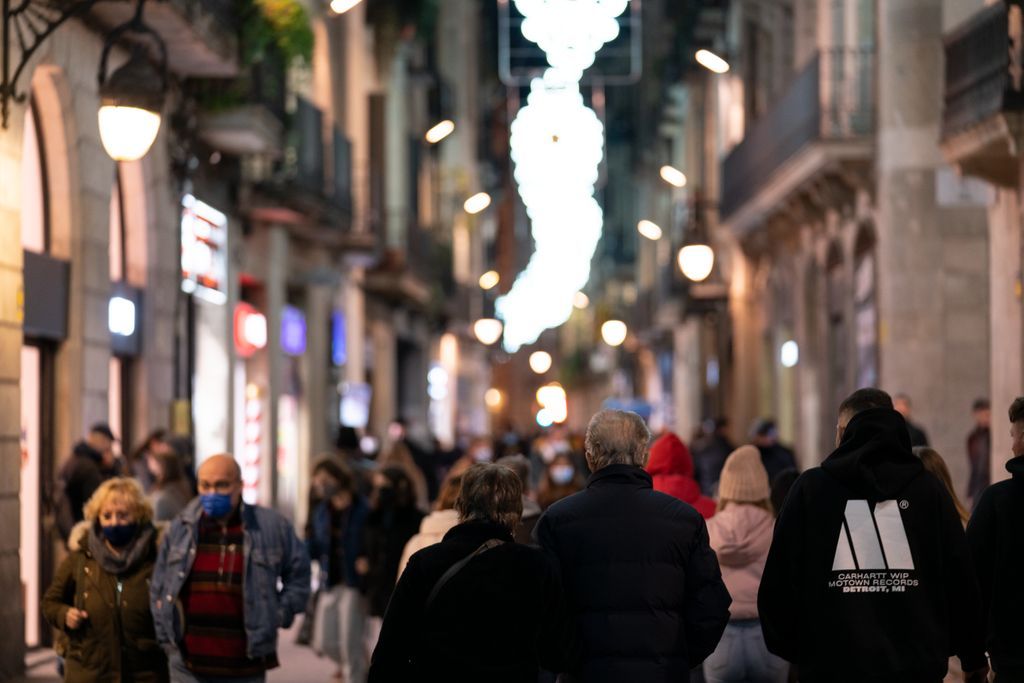
Regarding sectoral distribution, the register of economic activities linked to the commercial waste collection service also shows an upward trend, with a 3% increase in the number of activities. Trade and tourism concentrate 50% of the register, while the financial sector and professional services to companies represent 19%, confirming the structural weight of these areas as engines of the local economy.
Overall, the data point to a city that has not only left behind the most serious effects of the health crisis but is moving towards a more stable growth phase, supported by business activity, sectoral diversification, and a tax system that reflects the recovery of economic confidence. A scenario that reinforces Barcelona's role as a leading economic and commercial hub in Southern Europe.
Add The New Barcelona Post as your preferred Google source for free
Stay informed with the latest news.
