Formulated by one of the artists participating in Plastic Verismo: new realisms in Catalonia -an exhibition curated by Rosa Ferrer and offered by the Gran Teatre del Liceu until May 18, following the opera Andrea Chénier- the statement "realism is in fact an extraordinarily elaborate form of fiction" (Gonzalo Goytisolo) functions as a true declaration of principles. Furthermore, it very opportunely suggests the need for a shift in the gaze usually projected onto "realistic" representation, that pictorial or sculptural representation that aims to be most faithful to reality. For artifice is always inherent in art, as the legend of Zeuxis and Parrhasius reminds us: competitors in a painting contest, it is said that one of them depicted succulent fruits, thereby deceiving some birds -which swooped down on them- while the other, the victor, won by confusing his rival artist. The verdict was confirmed at the very moment the latter asked him to remove the veil from the painting, to be able to contemplate the work. A non-existent veil, for the painting precisely and faithfully represented the vision-obstructing cloth… with nothing really to see, beyond.
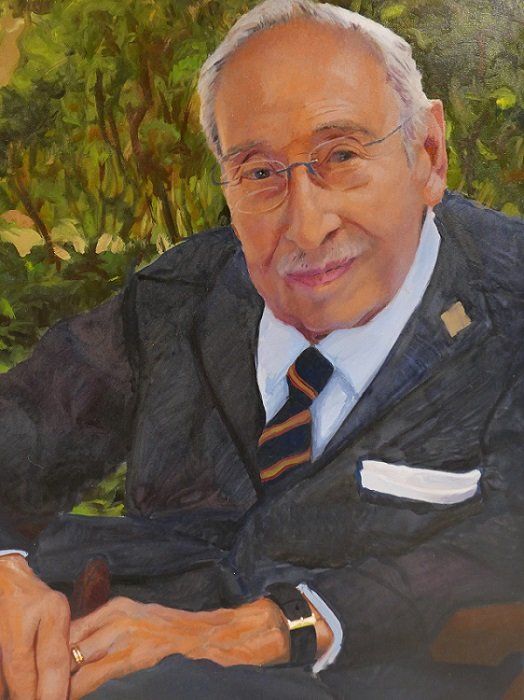
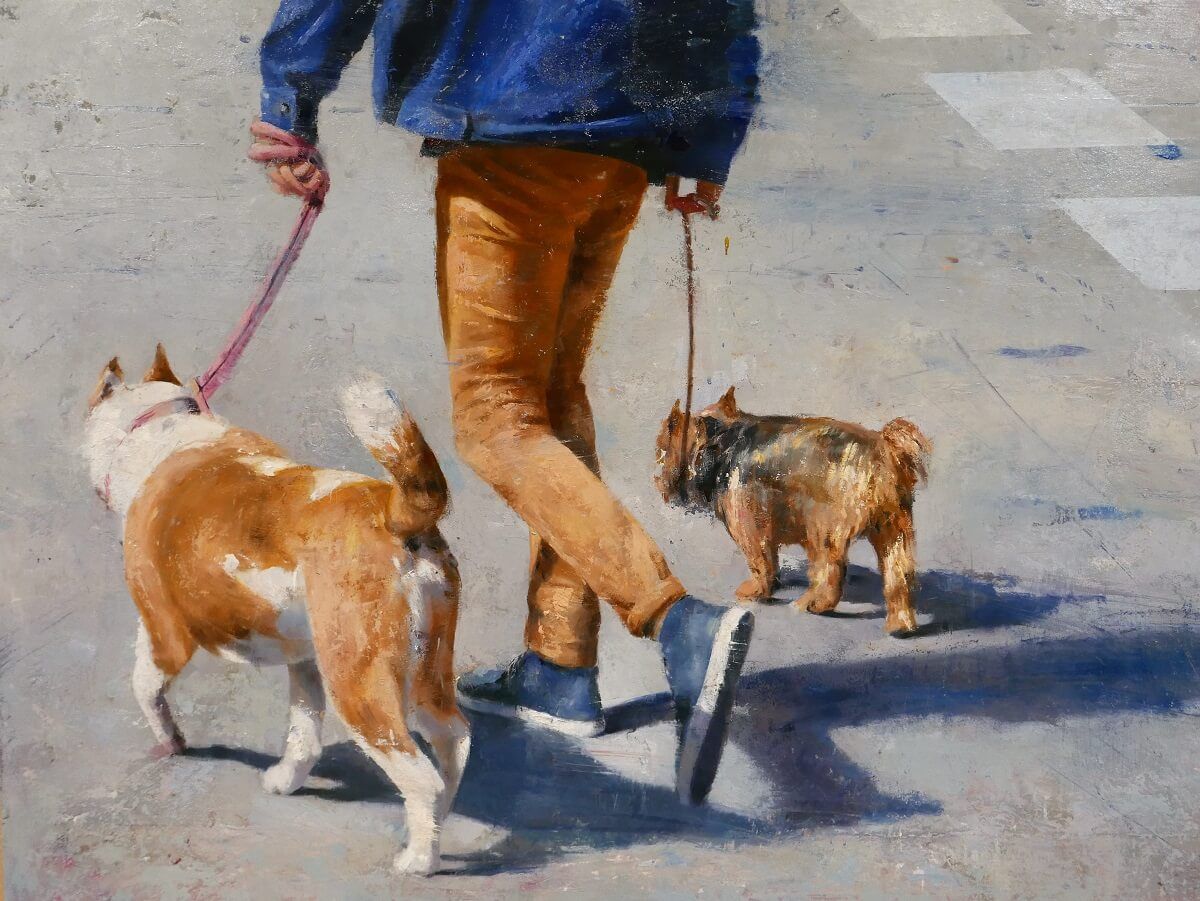
What is shown to us in this inspiring compilation, with works by Pablo Maeso, Josep Segú, Daniel Cuervo, Gonzalo Goytisolo, the twins Josep and Pere Santilari, Josep M. Cisquella, Carlos Díaz, Neus Martín Royo, Sok Kan Lai, Gerard Mas, Efraïm Rodríguez and Gonzalo Goytisolo himself -referred to in the initial quote- are different ways of representing the invisible. Invisible not because it is abstract, but quite the opposite: invisible because it is excessively exposed to the eyes, as happens with the ancient, baroque, and postmodern trompe l'oeil. It is not an insoluble paradox, that of new realism, sometimes understood under the heading of "hyperrealism". On the contrary, with this extreme awareness, the aim is to confront the problem that inevitably accompanies vision: that we only see what we are accustomed to representing as real, without perceiving (with such representation) the multiplicity of elements that enable perception itself. What Leibniz already intuited, and conveyed through the expression of "small perceptions".
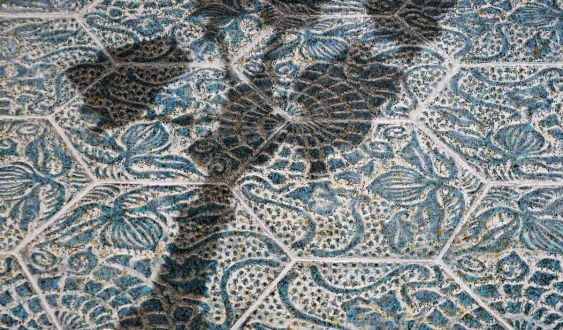
Carlos Díaz, another participant in the exhibition, points out that realism should be understood "not as a goal, but as a path"But returning to our more everyday present, let's think about the suggestive work of Josep M. Cisquella, displayed in an "organized and experimental laboratory" -recalls Conxita Oliver- that focused on "making the invisible visible and discovering the poetic background that humble things possess." His two exhibited paintings perhaps represent the most iconic, or at least unmistakable, aspect of the city of Barcelona: the hexagonal cobblestones, a material support that tastefully underpins deco -floral and spiral motifs- the busiest modernist avenue. It might seem from a certain distance that it is a snapshot, an immediate capture of the reality we all know, due to the familiarity with which it invokes the gaze. If we approach the paintings, we will notice with surprise the aggressive and ordered pointillism -also endowed with relief!- that composes the image. A three-dimensional complexity, which indeed evokes in the eye the image that the gaze seeks and completes, based on previously elaborated mental representations.
Carlos Díaz, another participant in the exhibition, points out that realism should be understood "not as a goal, but as a path." It is very symptomatic that he refers to the philosopher Martin Heidegger to remind us that, reality being "invisible" to the eye, the commitment of art lies in realizing it; in artificially refloating the primary reality, buried under layers of representations and prejudices, a result of habit. In recent times, neuroscience has provided evidence that supports what many psychologists had intuited, regarding this mental process (and the evolutionary reasons for this information processing, in our daily lives). Far from all conformism, modern realism artists wanted to open new paths, as Linda Nochlin recalled in her classic and sensational work Realism (Alianza Forma, 1991): "When Constable said that when he sat down to paint from nature he tried to forget that he had ever seen a picture, or when Monet said that he wished he had been born blind and had suddenly received sight, they were not just stimulating originality. They were emphasizing the importance of confronting reality anew, of consciously stripping their minds and brushes of all secondhand knowledge and preconceived formulas."
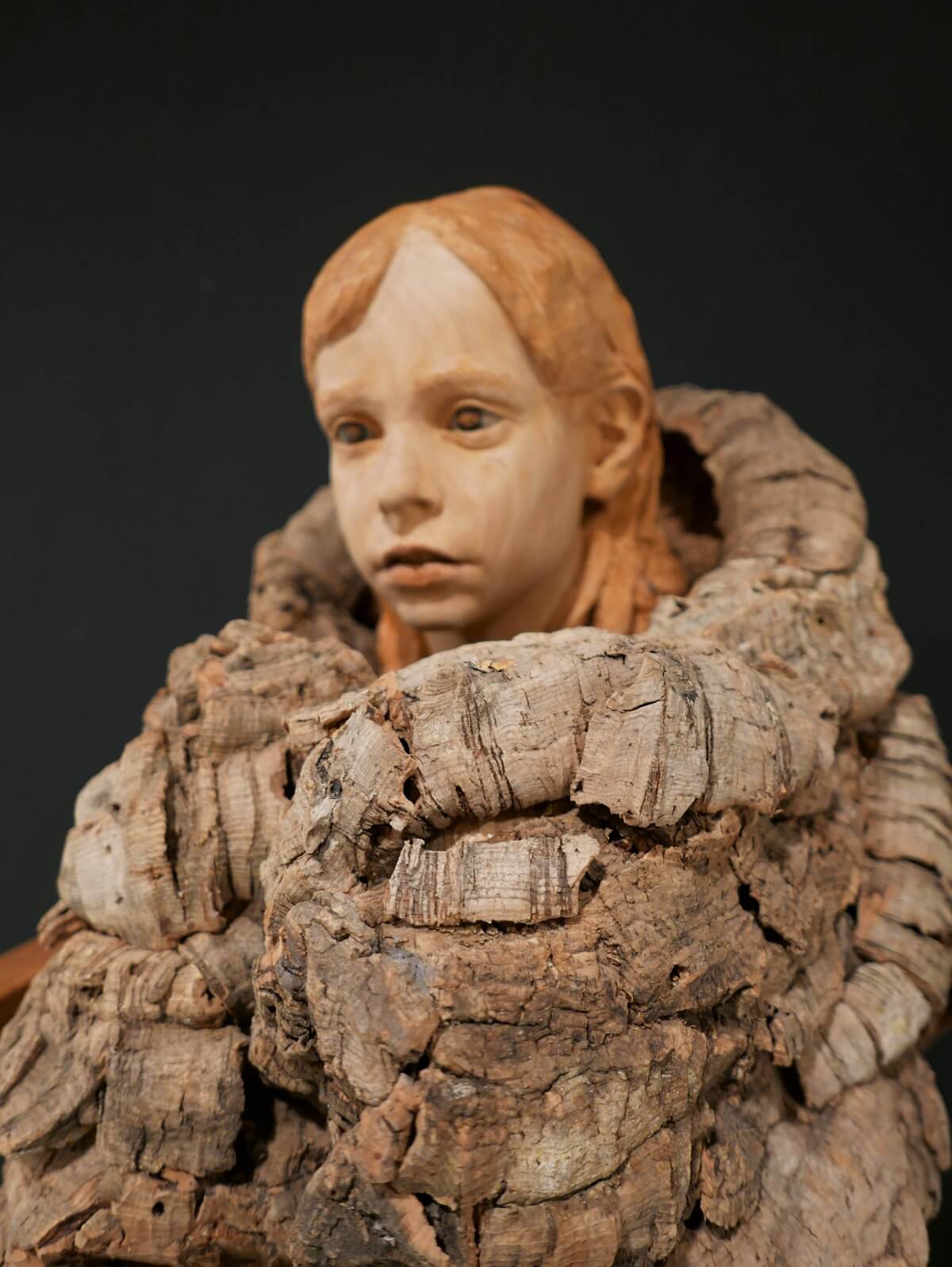
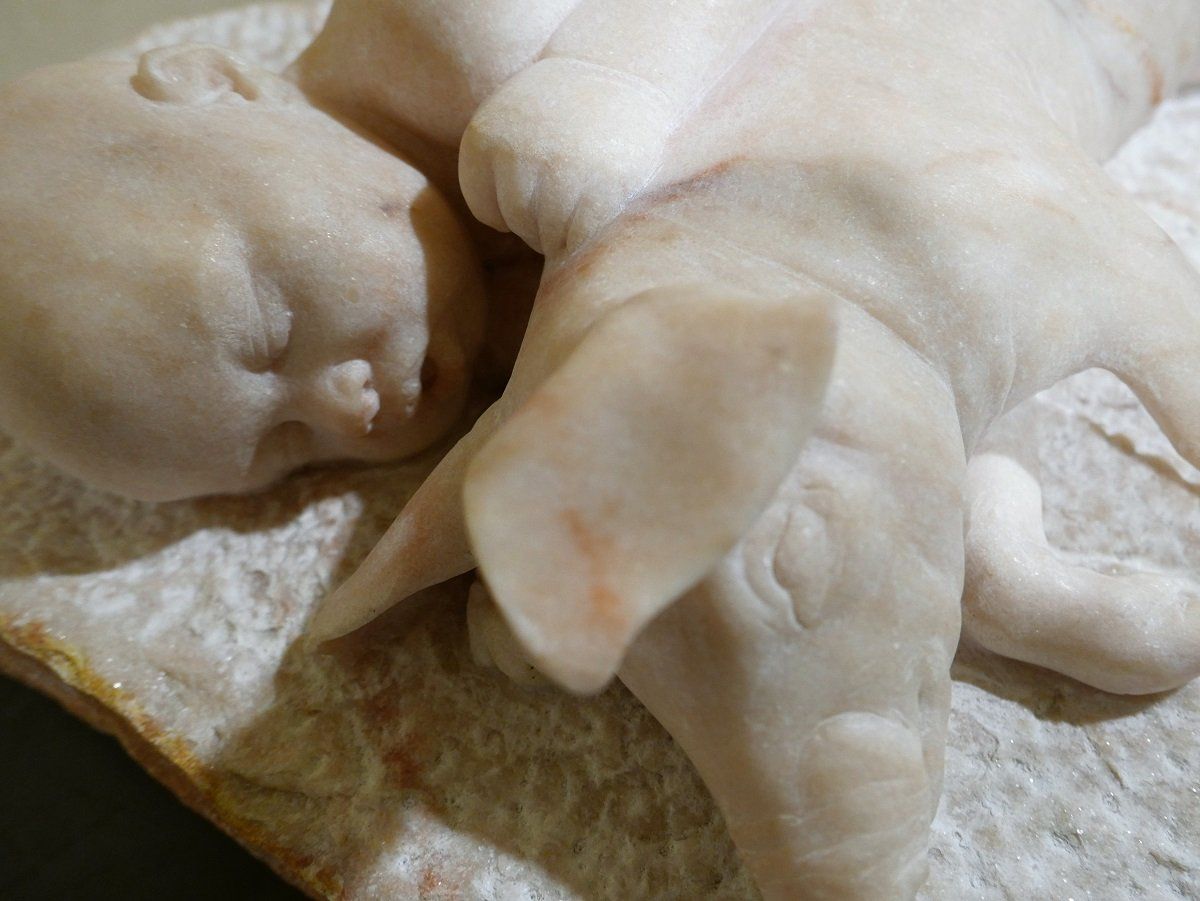
The audacity of contemporary realism also shields itself against the criticisms - undoubtedly pertinent - of a Tàpies, who in Reality as Art denounces "the paradoxical sensation of 'unreality' that we feel (...) before all those who in art remain enclosed in the realism of the classical world." Let's think, without leaving this wonderful exhibition, of the sculptural contribution of Efraïm Rodríguez, who provides two wooden carvings exemplarily balanced in the representation of child figures, which nevertheless arouse enormous perplexity due to their inherent de-contextualization. As, also, the adorable representation in white marble titled Antroporcino: on the noblest and "classical" support imaginable, a human cub of barely one year and golden proportions rests sweetly, lying next to a well-formed pig, of similar proportions.
Add The New Barcelona Post as your preferred Google source for free
Stay informed with the latest news.
