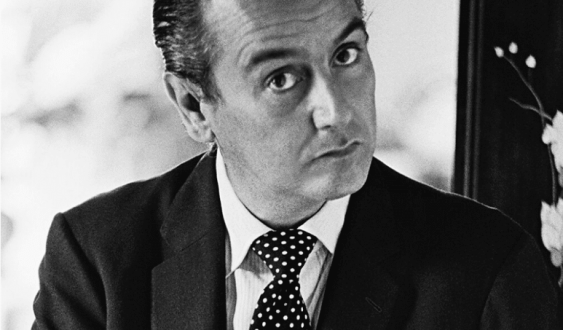
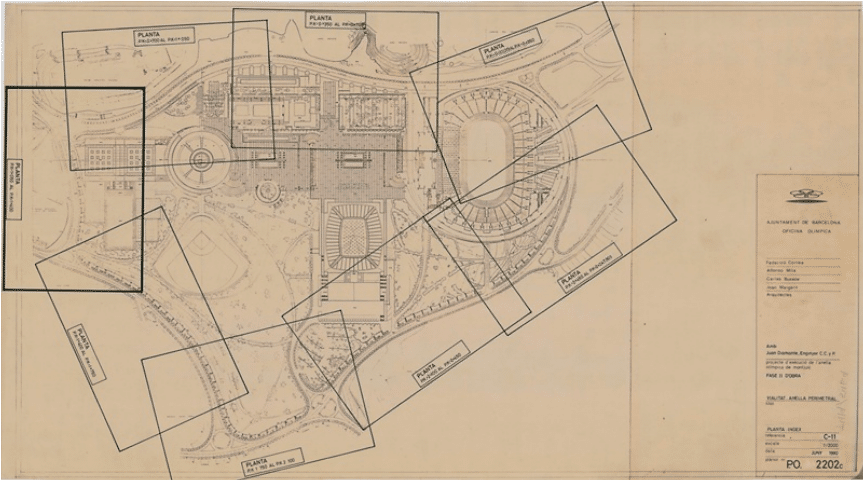
Remembered for being one of the urbanistic architects of the Montjuïc Olympic Ring, for the realization of the Torre Atalaya project, of several houses in Cadaqués or of restaurants as modern and timeless as Il Giardinetto or Flash-Flash, Federico Correa also exercised ---and perhaps above all--- as a mentor and reference for future generations. A Master of Architects in Barcelona (Tusquets), the book of conversations that was meant to honor him in life, has become an invaluable testimony of his way of understanding architecture.
[subscribe_newsletter_esp]
The encounters with Lluís Clotet, Óscar Tusquets, David Ferrer and Elías Torres ---advanced students of the School of Architecture, disciples and personal friends, among whom Beatriz de Moura is also counted, who dynamically and opportunely annotates in a climate of absolute closeness--- show the accessibility of his conception of space. An elegant and intuitive conception that reaches a wider audience than the strict circle of specialists due to its vital character, due to the freshness with which it reconsiders the elements that constitute it as habitable.
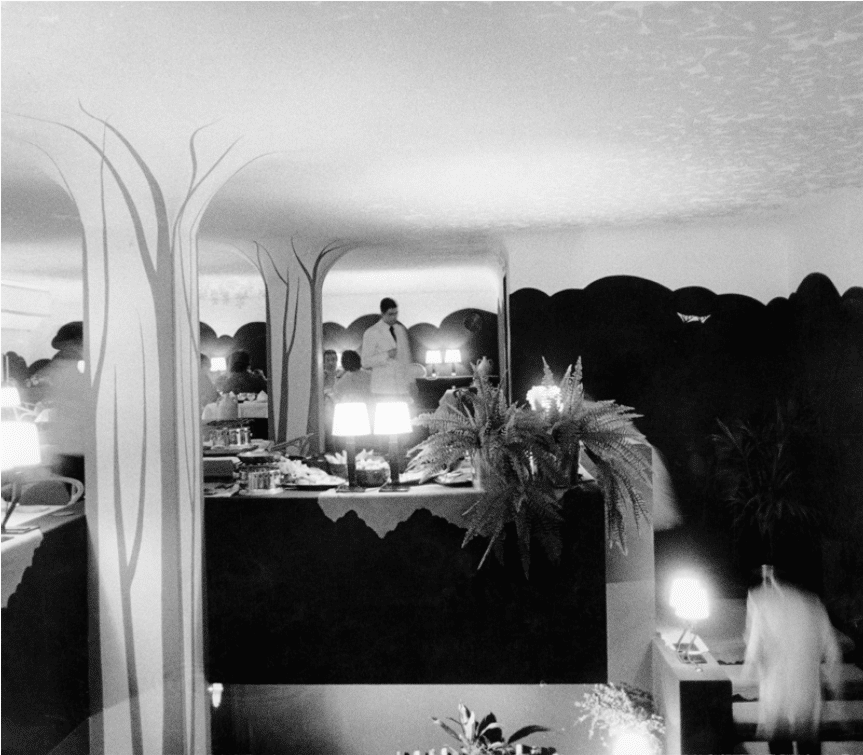
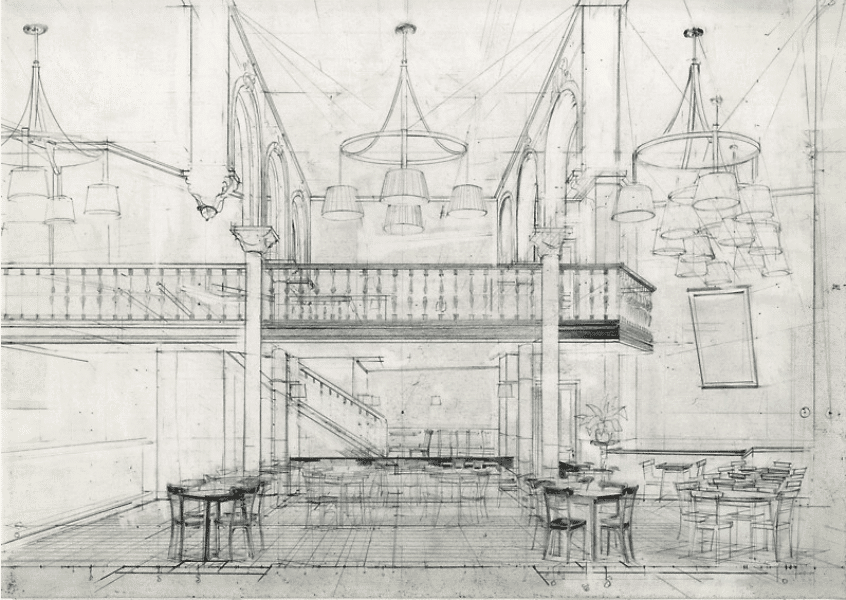
“When they commissioned us the Reno ---explains Correa, referring with the first person plural to his inseparable Alfonso Milá--- the first thing I considered was very simple: a restaurant, what is it? And you come to the conclusion that it is a place where people go to eat, but not just to eat. Also to see each other, meet and show off. Therefore, you have to find an environment that, in addition to illuminating the dish, favors people.” Prioritizing the habitable character of the space, to the extent that it allows for human experiences and is not just an externally beautiful form, led him to weigh the architectural intervention ---exterior but also interior, following the modernist trend--- even in its most seemingly insignificant elements. His friends recall the exercise he requested from students already in the first classes: design a bench, and explain their reasons publicly. All this, with an unusual open-mindedness in the university of the 60s. Lluís Clotet remembers him: “Your arguments were based on a great freedom of spirit, there were no prejudices (…) you forced us to think in each case: what if it were the opposite of what seems obvious?”.
What is a restaurant? A place where people go to eat, but not just to eat. Also to see each other, meet, and show off. Therefore, one must seek an environment that favors
The lighthearted nature of the conversations, the spontaneity with which participants express themselves —without hints of self-censorship, only with the limit imposed by memory, sometimes capricious— provides truly wonderful moments. "Pearls" that provoke laughter, and in short convey to the reader that passion for architecture, understood as an art that creates environments for the experience of personal experiences and relationships. Especially mischievous is the conversation held with Óscar Tusquets, who reveals compromising, but much celebrated situations: "I saw you after the competitive exams, I asked you how it had gone and you told me: 'Well, Rafa [Rafael Moneo] gave an extremely erudite speech and a bibliographic list that overwhelmed us.' "'And you, Federico?'
El presidente de la República, Gabriel Boric, se refirió este lunes a la conmemoración de los 50 años del golpe de Estado, que se cumplirá el próximo 11 de septiembre.
En ese contexto, el Mandatario abordó las declaraciones del exsenador y expresidente de la Democracia Cristiana, Ignacio Walker, quien en una entrevista con El Mercurio sostuvo que “la DC no tiene nada de qué arrepentirse” respecto de su rol en el golpe de Estado de 1973.
Al respecto, Boric señaló que “yo creo que es importante que la Democracia Cristiana, que fue un actor relevante en la historia de Chile, haga su propia reflexión”.
“Yo no soy quién para decirle a la Democracia Cristiana lo que tiene que hacer”, añadió el Presidente.
Sin embargo, el Mandatario recalcó que “sí creo que es importante que todos los actores políticos, y la Democracia Cristiana en particular, hagan una reflexión profunda respecto de lo que pasó hace 50 años”.
“Y que esa reflexión no sea solamente para la galería, sino que sea una reflexión sincera, honesta, que permita construir un futuro distinto”, sentenció.
Las declaraciones de Walker generaron diversas reacciones en el mundo político, incluso al interior de la Democracia Cristiana.
El diputado DC, Eric Aedo, afirmó que “la Democracia Cristiana tiene que pedir perdón por su rol en el golpe de Estado”.
En tanto, la senadora Yasna Provoste (DC) sostuvo que “es importante que la Democracia Cristiana haga una autocrítica profunda”.
Por su parte, el presidente de la Democracia Cristiana, Alberto Undurraga, señaló que “la DC ha hecho una autocrítica permanente respecto de su rol en el golpe de Estado”.
“Y vamos a seguir haciendo esa autocrítica”, añadió Undurraga.
El próximo 11 de septiembre se cumplirán 50 años del golpe de Estado que derrocó al gobierno del presidente Salvador Allende e instaló la dictadura militar encabezada por Augusto Pinochet.
»I have explained the problem of the sink in the room [laughs] and, of course, I haven't won«
El presidente de la República, Nicolás Maduro, anunció este lunes que el próximo 1° de mayo, Día Internacional del Trabajador, entrará en vigencia un nuevo sistema de fijación de salario mínimo, pensiones y bonificaciones.
“He decidido que el 1° de mayo, Día del Trabajador, entre en vigencia un nuevo sistema de fijación de salario mínimo, pensiones y bonificaciones, indexado de manera trimestral”, expresó el jefe de Estado durante la presentación de su mensaje anual a la nación ante la Asamblea Nacional (AN).
En este sentido, detalló que este nuevo sistema de fijación de salario mínimo, pensiones y bonificaciones estará anclado al petro, la criptomoneda venezolana.
“He decidido anclar el sistema de salarios, de pensiones y de bonificaciones al petro, la criptomoneda venezolana, para que vaya impactando positivamente en la capacidad de compra de los trabajadores”, enfatizó.
El Dignatario indicó que este nuevo sistema de fijación de salario mínimo, pensiones y bonificaciones permitirá proteger el ingreso de los trabajadores venezolanos.
“Este nuevo sistema de fijación de salario mínimo, pensiones y bonificaciones permitirá proteger el ingreso de los trabajadores venezolanos, frente a la guerra económica y la inflación inducida”, aseveró.
El presidente Maduro recalcó que el Gobierno Bolivariano continuará trabajando para garantizar la protección social de los trabajadores y sus familias.
“El Gobierno Bolivariano continuará trabajando para garantizar la protección social de los trabajadores y sus familias, frente a la guerra económica y la inflación inducida”, puntualizó.
El jefe de Estado también anunció que el Gobierno Bolivariano entregará un bono especial a los trabajadores del sector público y privado, a través del sistema Patria.
“He decidido entregar un bono especial a los trabajadores del sector público y privado, a través del sistema Patria, para que puedan enfrentar la guerra económica y la inflación inducida”, manifestó.
El Dignatario precisó que el monto del bono especial será anunciado en los próximos días.
“El monto del bono especial será anunciado en los próximos días, una vez que se realicen los estudios técnicos correspondientes”, acotó.
El presidente Maduro reiteró su compromiso de seguir trabajando para construir una Venezuela próspera y productiva.
“Reitero mi compromiso de seguir trabajando para construir una Venezuela próspera y productiva, donde los trabajadores sean los protagonistas de la construcción de la Patria”, concluyó.
Este es un bloque de texto que no debe ser traducido. It is a block of text that must not be translated. Das ist ein Textblock, der nicht übersetzt werden soll. Ceci est un bloc de texte qui ne doit pas être traduit. » [laughs]”.The language of Correa and the language of academia could not be more dissimilar, as confirmed by theboutadethat the same Tusquets collects: “I remember that, whenever architectural bibliography was discussed, you proposed Proust.”
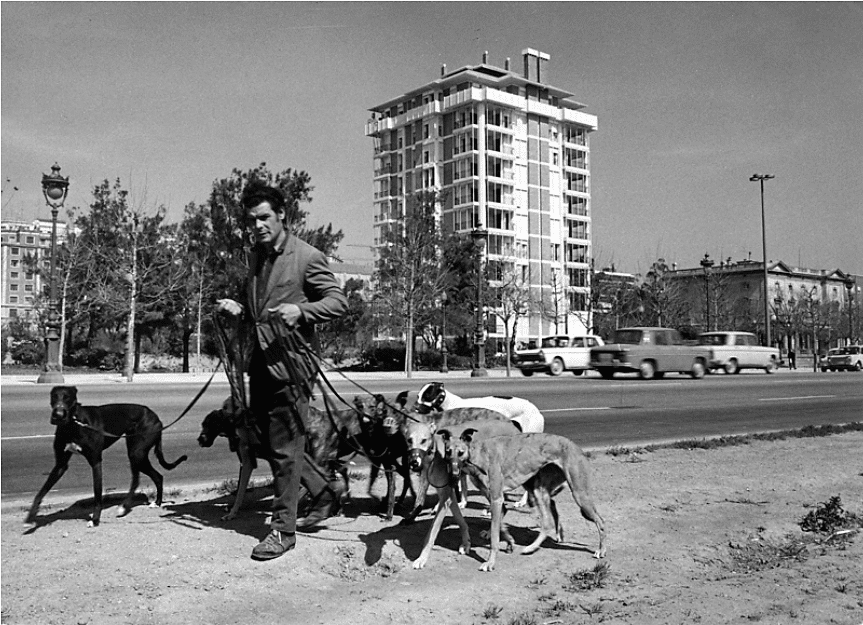
It is not just a sensualist comment, aligned with the taste for the touch and color of materials that Lluís Clotet recognizes impacted them so much, and which ended up being a characteristic sign of Correa. What he does is refer to the need to rethink the issues from the ground up. He suggested to his students “to meditate on the problem before reading about how this problem was historically solved.” That is, to put oneself in the place of the creator first, to seek the best solution and to ground it reflectively. Otherwise, there is a risk of repeating molds that, extracted from their original context, may not work at all. The opposite extreme to unreflective reproduction, that of necessarily novel creation, is also put in quarantine: “I don’t know why there is this generalized obsession with the new, because the good is always new.” The truth is that this post-romantic imperative ---that of originality, understood as “novelty”--- is still valid in our time, which usually results, paradoxically, in a form of repetition.
With an oracular aftertaste, that sentence connects the timelessness of classical creations with futurism or apparently groundbreaking proposals… as long as these, like those, fulfill their architectural purpose and do not consist of a mere form ---in the style of the sculpture-building--- or an exercise in technical exhibition, without the will to house and foster human experiences. Correa proves to be as far from the veneration of a sculptural work ---to be surrounded, not inhabited--- as from the pragmatic conception of space, of an unforgivable asepsis and impersonality. He extrapolates the fight against boredom, in his daily life, to the conception of spaces that, if they do not surprise ---in themselves--- at least enable the possibility of surprises. The organic and detailed way, open to inspiration, how he conceived and developed the Il Giardinetto restaurant or the durability, beyond fashions, of Flash-Flash are recalled in different episodes of these conversations.
To Elías Torres, he explains, in this sense, one of the reasons for the success of the mythical tortilla shop: “It was a very liberating element at the time: the pop movement, universal, was what gave us the idea that it should be a woman who carried a flash that conceptually illuminated the place.” As a very unconventional professor that he was, a master of future architects within the framework of his private studio, a polemicist and impeccable bon vivant, Federico Correa left his mark on those close to him and on thousands of anonymous people, who inhabit or have been housed in his buildings. Of course, he also rubbed shoulders with some of the main artists of the time, and attended an indeterminate number of parties, “I remember ---explains Correa--- that Dalí arrived with Amanda, and also with that other model whom he called Louis XIV. He introduced them to me, saying: «The king and Miss Amanda, whom you already know». I knew neither Amanda nor the king…”.
Add The New Barcelona Post as your preferred Google source for free
Stay informed with the latest news.
