The IQ of AI was 90 just over a year ago. Now, it is already around 145. The usual average is around 100, while revolutionary geniuses like Einstein and Newton are estimated to have had an IQ between 145 and 190, and the human who has scored highest on an intelligence test is around 250.
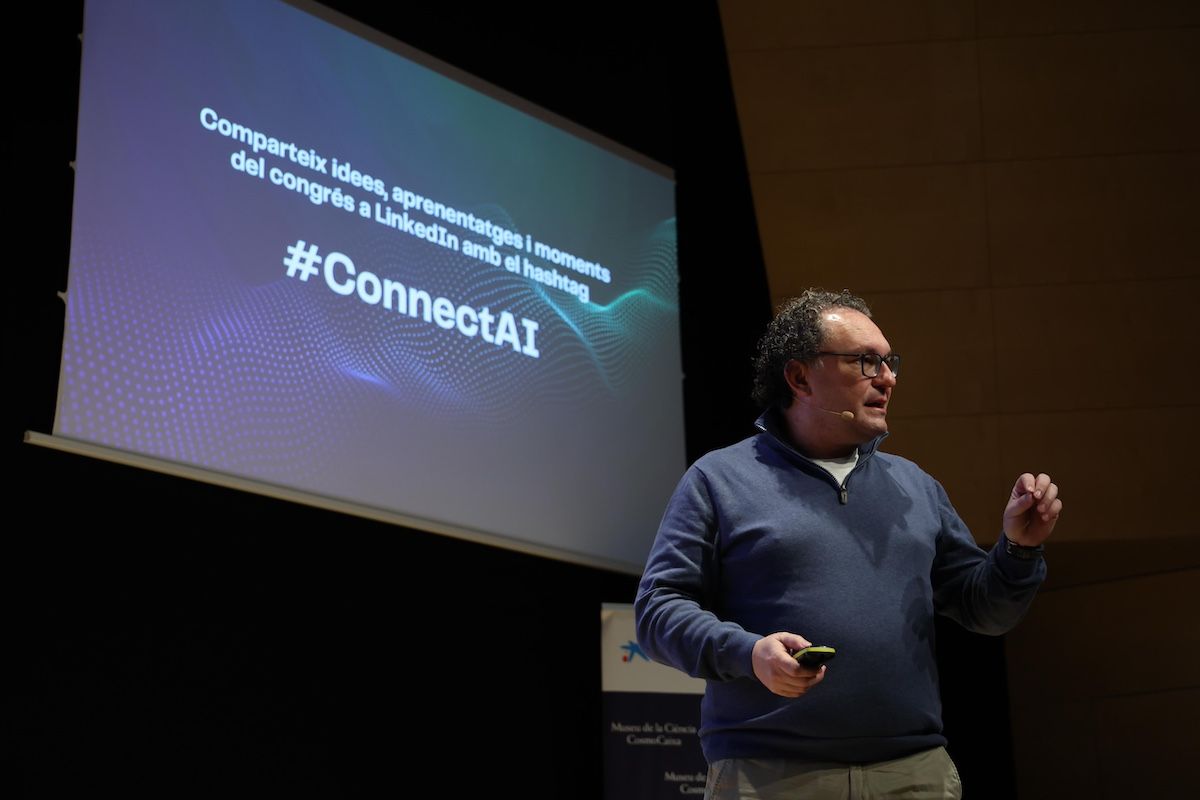
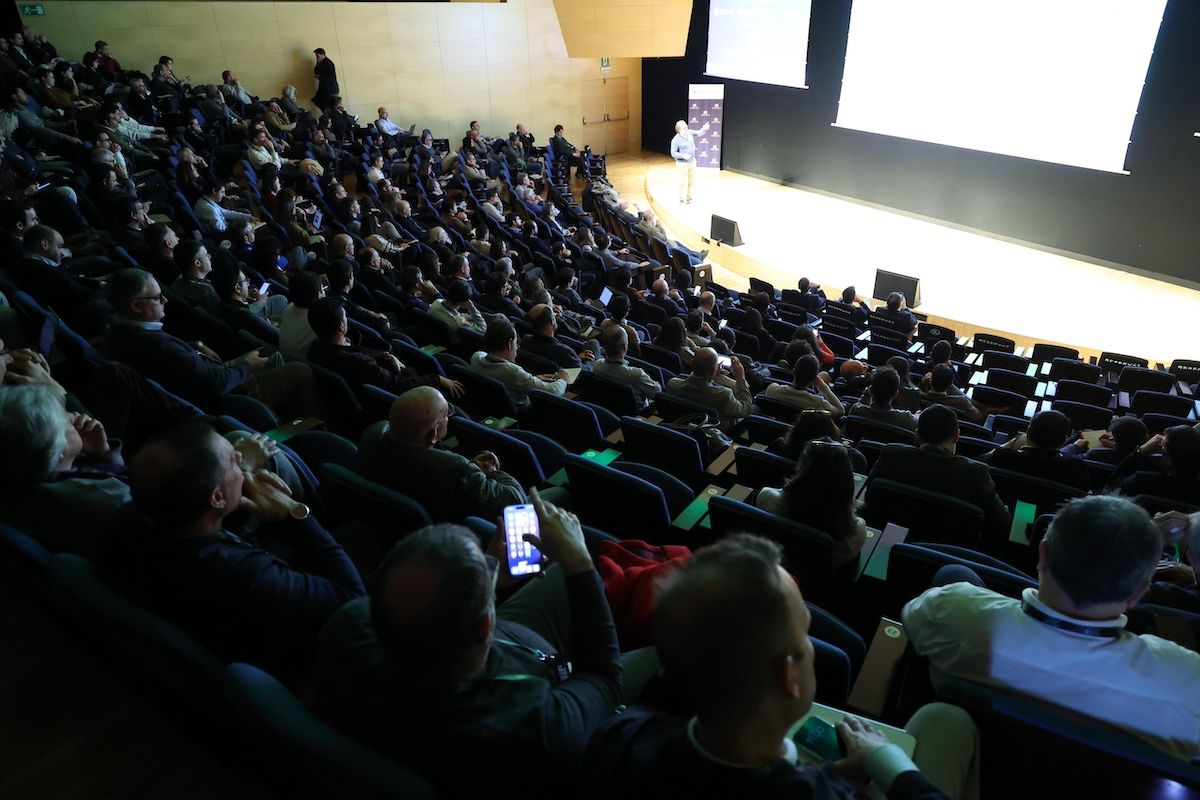
"There are no humans with a higher IQ. And if the scalability of AI continues as it is now, there is no limit, and it will have greater capacity in any field," summarizes Aleix Valls, CEO and founder of Liquid Lab, before an absorbed audience at Cosmocaixa, full of representatives from Catalan companies linked, above all, to industry, at the first edition of the ConnectAI Industry Congress.
It is a certainty that generates vertigo, but, above all, it generates opportunity. AI allows "to put intellectual capacity" into any company and any project, at a genius level. Given this evidence, and from a business perspective, the question is very clear, according to Valls: "What do I have to do if I can plug my company into an infinite and very powerful intellectual capacity?" —and, furthermore, at a very low cost—. In fact, from the industry perspective, Valls goes a step further: "Now we have the capacity to put, for a few cents, a brain into the machine. The technology already exists, the brain is missing, and now we will have it."
And this brain will become more powerful and more sophisticated. Not only does logic say so given the progression of its capacity, but also the law of scalability, which is summarized in a clear principle: The bigger something is, the fewer mistakes it makes; "what we make bigger, becomes smarter."
This is the starting point of the dizzying race undertaken by big tech companies —especially ChatGPT, Gemini, and Gork—, with a clear goal: to have the most intellectually capable model. "Let's go fast, let's make it big, because there is a prize: to be the first to have a technology that is capable of anything."
"When this technology is reached, no other will be needed, because what we will have done is invent the inventor. And there will be no need to invent anything else," Valls synthesizes. The cost, however, is not small: training models like these costs between 100 and 150 million. All this investment —which adds to that of data centers and the energy needed for AI— translates into valuable tools for companies, which can see their opportunities multiplied through AI.
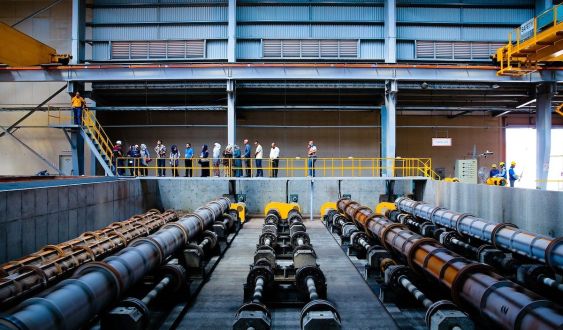
These opportunities materialize in practical applications linked to an infinite number of fields, such as water, energy, packaging, and the digital industry, which have been addressed during a congress that brought together more than 400 executives, innovation managers, technology experts, and institutional representatives.
The first edition of the congress focused on the opportunities and also on existing barriers, such as regulation, investment, and integration with existing industrial systems, in an event co-organized by the Digital Cluster of Catalonia, the Efficient Energy Cluster of Catalonia (CEEC), the Catalan Water Partnership (CWP) and the Packaging Cluster, in an unusual alliance to address the real impact of AI in key industrial sectors.
And this impact can go beyond what can be guessed now. "The time may come when the AI model is more advanced than ours, that it understands physics, chemistry, and the universe more than we do." And that will lead to a turning point, where AI can generate a treatment to cure a disease without humans understanding what mechanism or what physical principles are behind it. And that, in any field. That moment already has a name: General Artificial Intelligence (AGI). In fact, it already has a date: some envision it for 2030. Others, for 2027.
This forecast opens many doors, and more questions. While previously futuristic and science fiction debates are getting closer to science than to fiction, the call to companies is clear: joining AI is not optional, it is strategic. Valls illustrates it this way: "A dog is happy when its owner arrives, but it doesn't know where they have been; it lives happily without having all the knowledge, without knowing much of what is happening." With AI, roles can change: "We will be like the dog." Let's be them consciously and by squeezing the opportunities.
Add The New Barcelona Post as your preferred Google source for free
Stay informed with the latest news.
