1
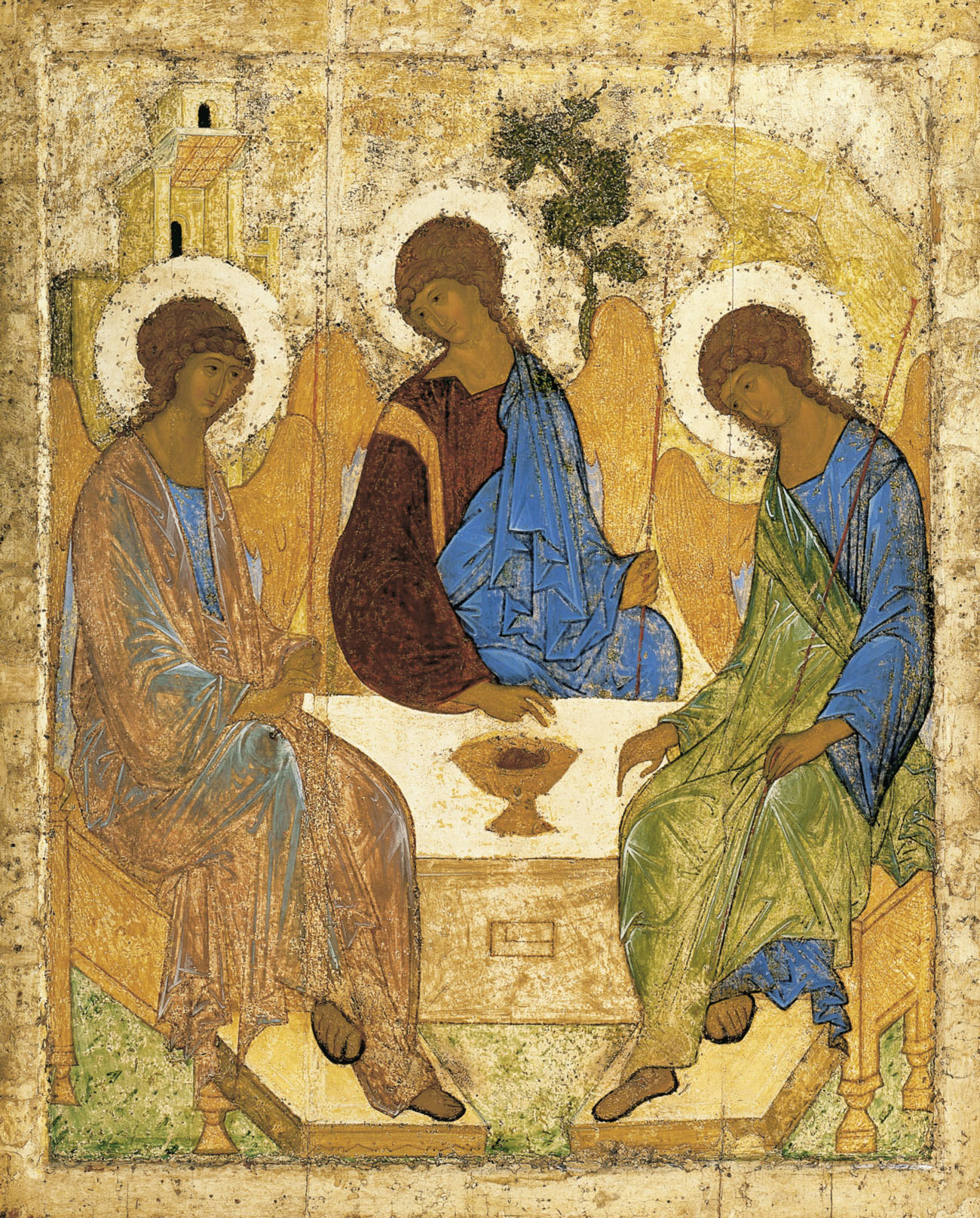
The Trinity
ANDREI RUBLIOV: APPROX. 1410
Tretyakov Gallery, Moscow
A masterpiece of icon painting, The Trinity has a unique force. Rubliov treats the theme following the Christian-Orthodox tradition: three angels symbolize the mystery of the unity of the Father, the Son, and the Holy Spirit. The artist uses anti-perspective to avoid any theatricality. As a consequence, the viewer is drawn into the circular movement of the painting and, when contemplation is calm, is also engulfed by the spiritual vortex proposed to them.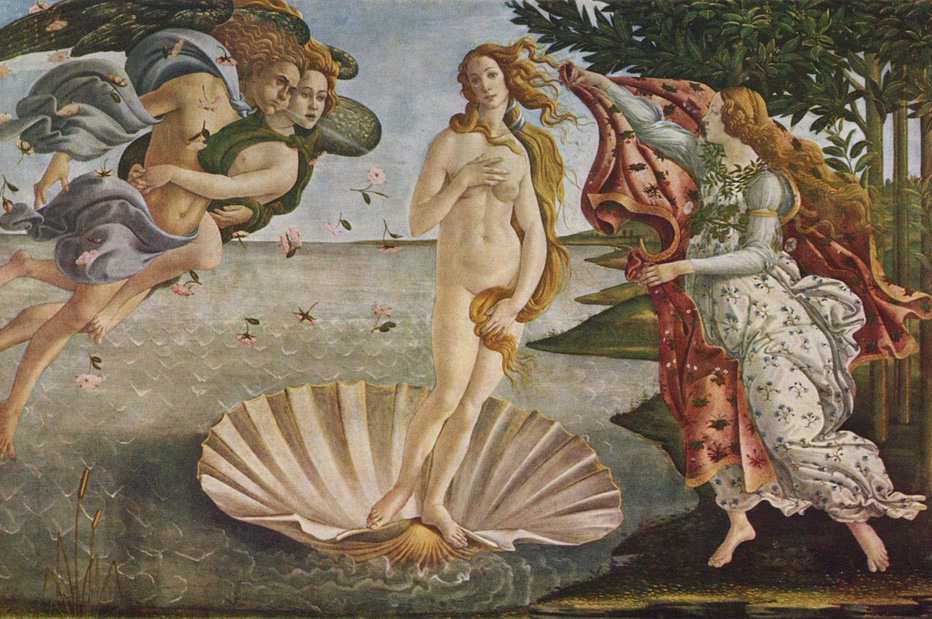
2
The Birth of Venus
SANDRO BOTTICELLI: 1483
Uffizi Gallery, Florence
Venus appears, nude, as if she were the axis of the world, while the winds bathe her with roses. Botticelli, an enthusiastic follower of humanist doctrines, makes his Aphrodite – Venus – the Urania, born from the sea that fertilized Uranus's severed genitals: beauty is born from violence and triumphs over violence. The Renaissance recovery of classical Antiquity is concentrated in this female body that Botticelli presents as a synthesis between sensuality and wisdom.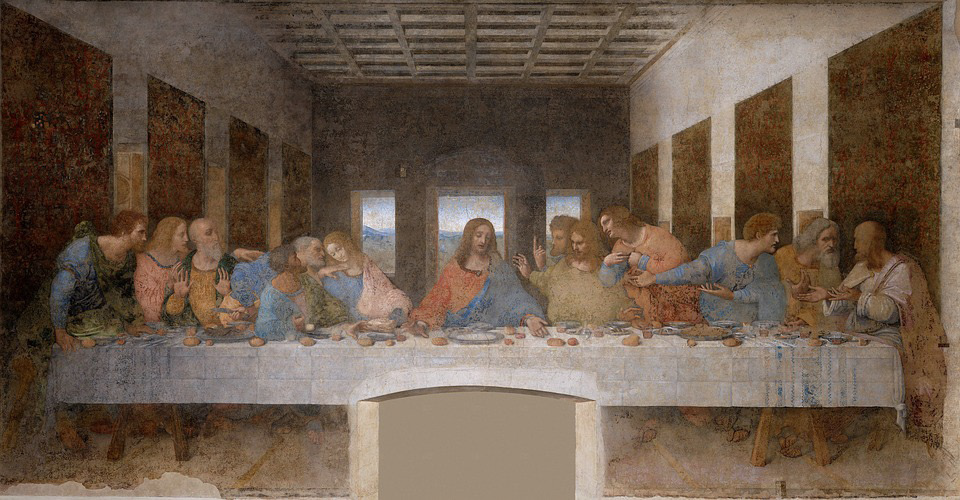
3
The Last Supper
LEONARDO DA VINCI: 1495-1497
Santa Maria delle Grazie, Milan
If painting is, always, a cut in time, The Last Supper is the apotheosis of the decisive moment. Leonardo wants to paint the instant immediately after Christ's announcement that there was a traitor among his apostles. To freeze this instant, he gives a radically new approach to the great evangelical motif, forming four choral groups. An unsurpassed work of perspective construction, The Last Supper transforms into an immobile dance dominated by a tense and powerful balance.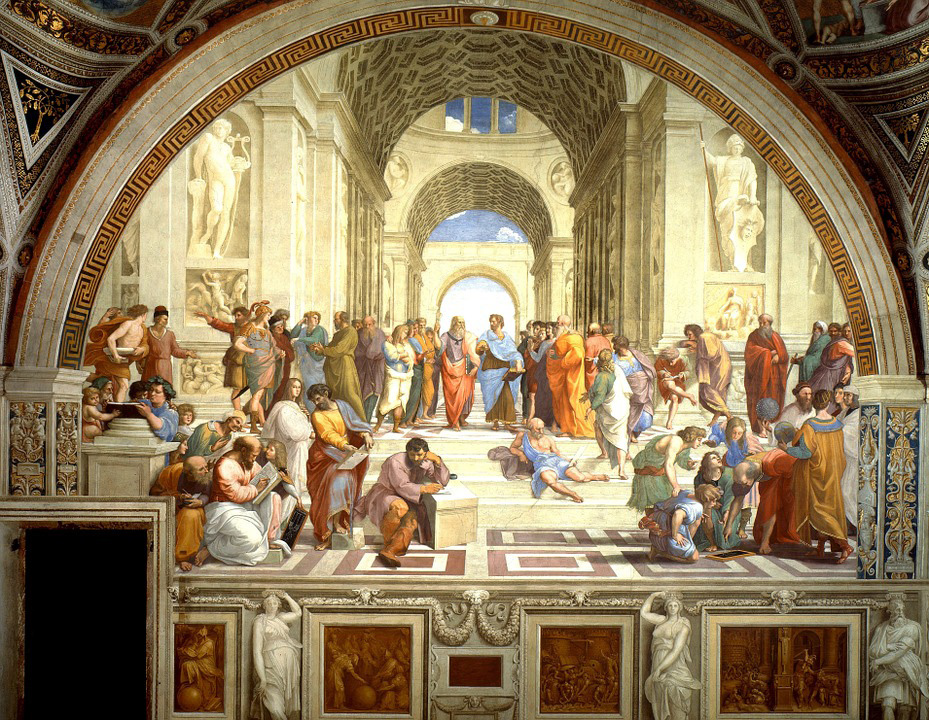
4
The School of Athens
RAPHAEL SANZIO: 1511
Vatican Museums, Rome
We could consider it the visual manifesto of humanism. In this work, Raphael seeks to express the unity between nature and spirit, as well as a close communication between the ancients and the moderns. Framed in a genuinely Renaissance architecture, Plato, pointing to the sky, and Aristotle, pointing to the earth, preside over the assembly of wisdom. The harmony of the whole is extraordinary: the embodiment of an ideal.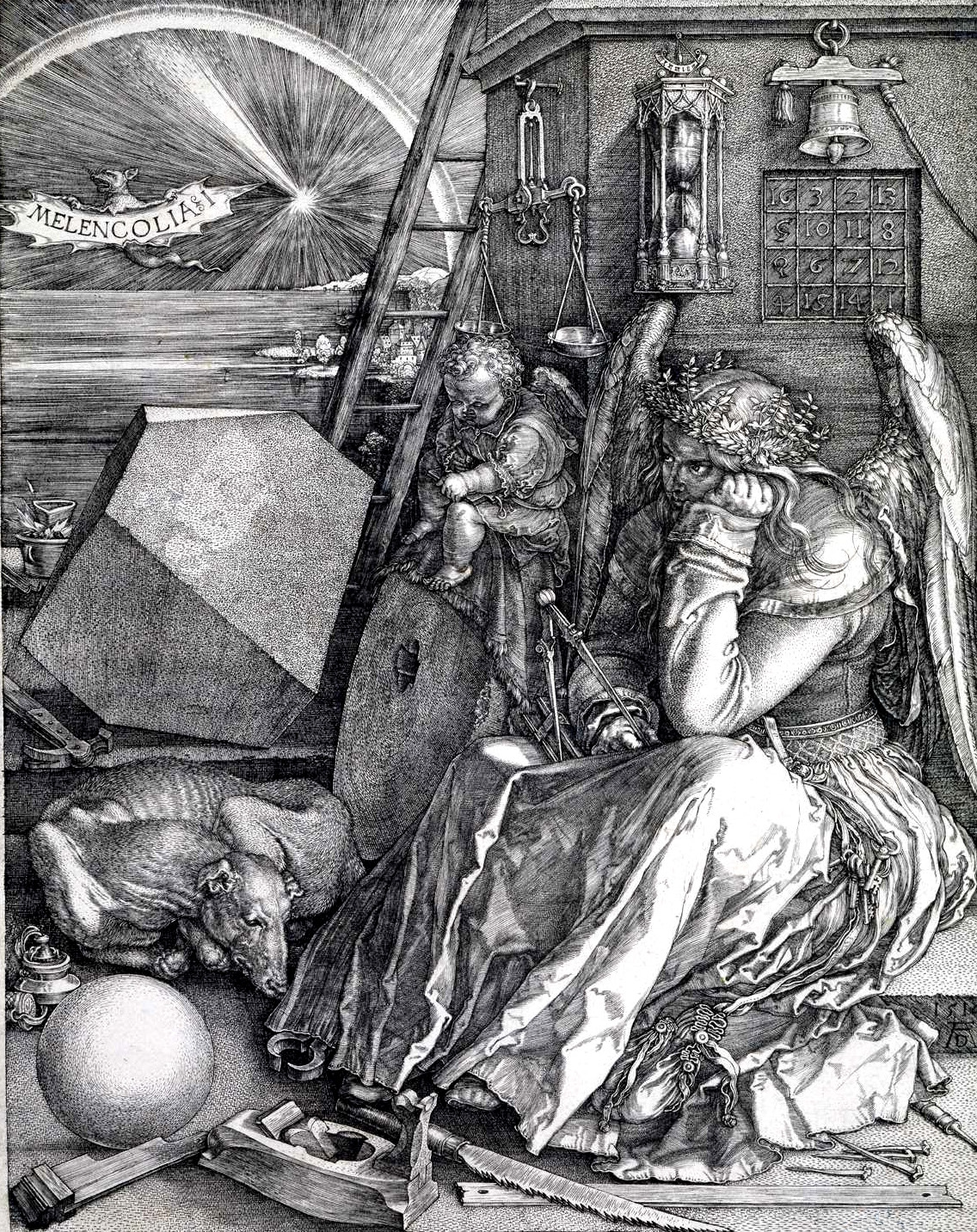
5
Melencolia I
ALBRECHT DÜRER: 1514
National Gallery of Karlsruhe, Germany
The iconography of melancholy dates back to the Egyptians: the man or woman with their head resting on their hand. This enigmatic and disturbing spiritual state was associated, from the Renaissance onwards, with creative talent. Dürer manages to capture it with unique perfection in his engraving on the subject. A mosaic of fascinating and disturbing presences. The dog, the magic square, the truncated polyhedron, the sphere. And, dominating the scene, avid and unsatisfied, the winged lady, the angel of melancholy.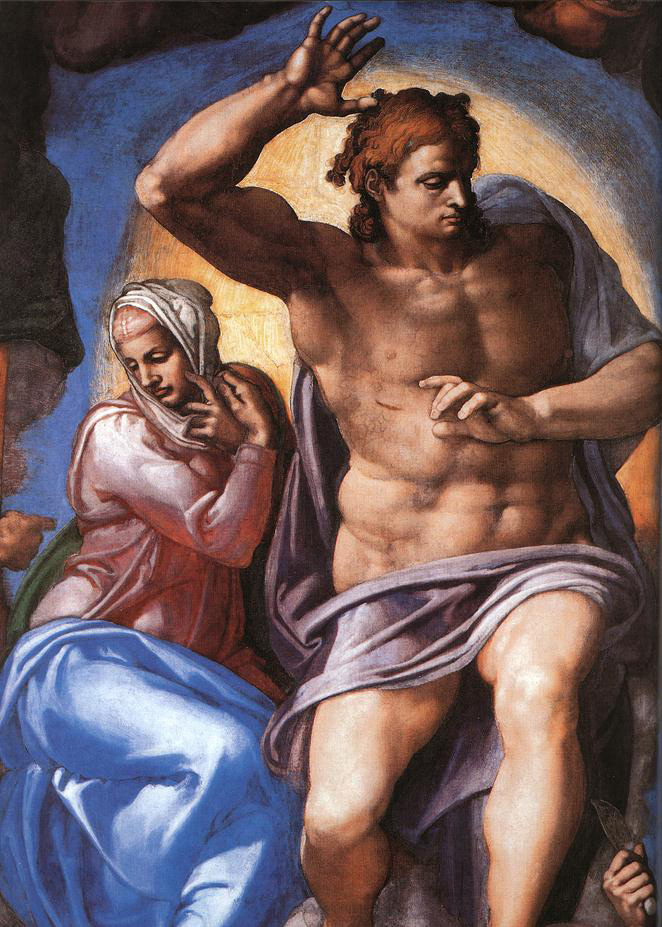
6
Last Judgment
MICHELANGELO BUONARROTI: 1537-1541
Sistine Chapel, Rome
Three decades after painting The Genesis, Michelangelo completes his intervention in the Sistine Chapel by creating theLast Judgment, the work that constitutes the great turning point towards the Baroque. An extreme dramaticism presides over the greatest apotheosis of bodies ever painted. In the bodily avalanche that imposes itself on the gaze, the power of the majestic Christ and the sacrificial radicality of the artist's self-portrait in the skin of Saint Bartholomew stand out.7
David with the Head of Goliath
MICHELANGELO MERISI DA CARAVAGGIO: 1610
Borghese Gallery, Rome
What is considered to be the artist's last painting, and which is said to be a self-portrait in the features of Goliath, is very representative of the great shift brought about by Caravaggio in European painting. Darkness takes over the pictorial space and light, reversing the Renaissance optics, ceases to come from the outside to inhabit the inside of the skin. Bodies are set ablaze by a white fire, achieving an unprecedented dramatic intensity.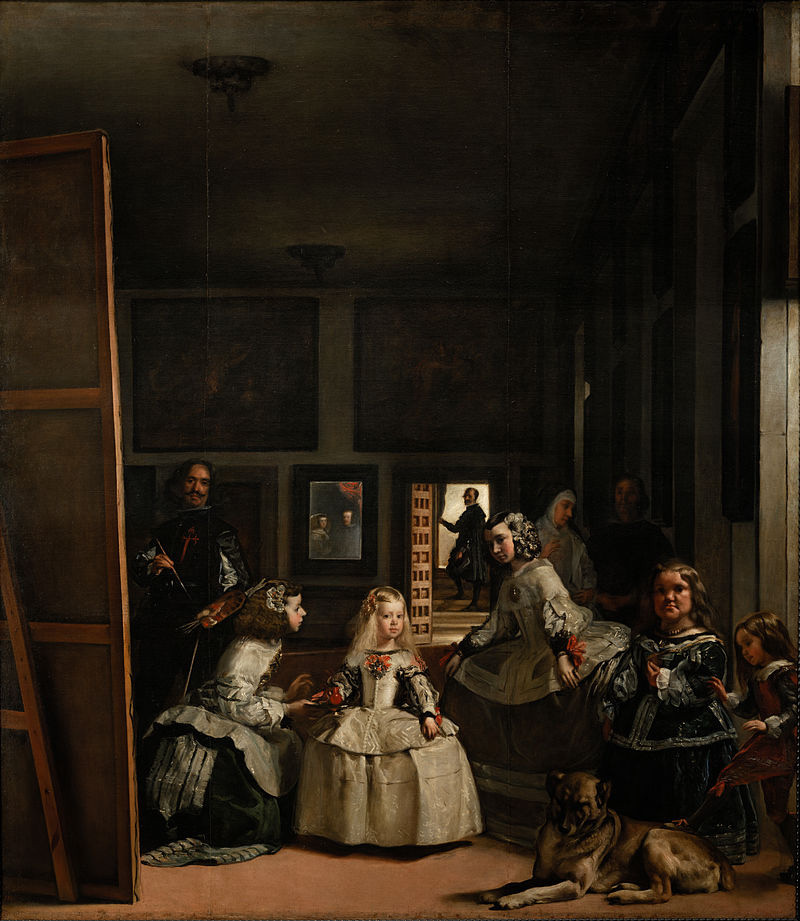
8
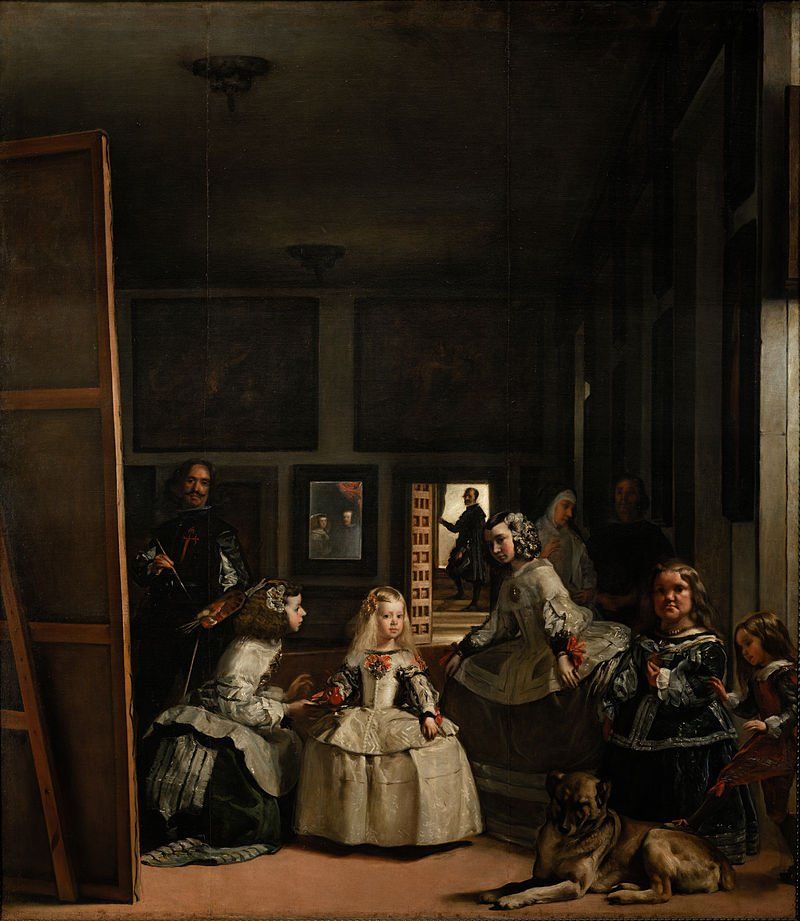
Las Meninas
DIEGO DE VELÁZQUEZ: 1656
Prado Museum, Madrid
At the culmination of his talent, Velázquez creates with Las Meninas a true X-ray of the act of painting. The painting is, simultaneously, a development of the Baroque motif that evokes the artist in his workshop, a group portrait, and a self-portrait of the painter himself. Above all, this work is a kind of self-portrait of painting itself, an analysis of its essence, and a magnetic play of mirrors in which the viewer feels inevitably trapped.9
The Card Players
PAUL CÉZANNE: 1656
Musée d'Orsay, Paris
In his last painting of the series of five works dedicated to the theme, Cézanne reaches the quintessence of his aesthetic conception: the predominance of form, the maximum economy of language, the geometric foundation of space, the continuity of chromatic deployment. The last version of The Card Players is the synthesis of classicism and modernity, as well as an anticipation of the avant-gardes that would make Cézanne a supreme reference.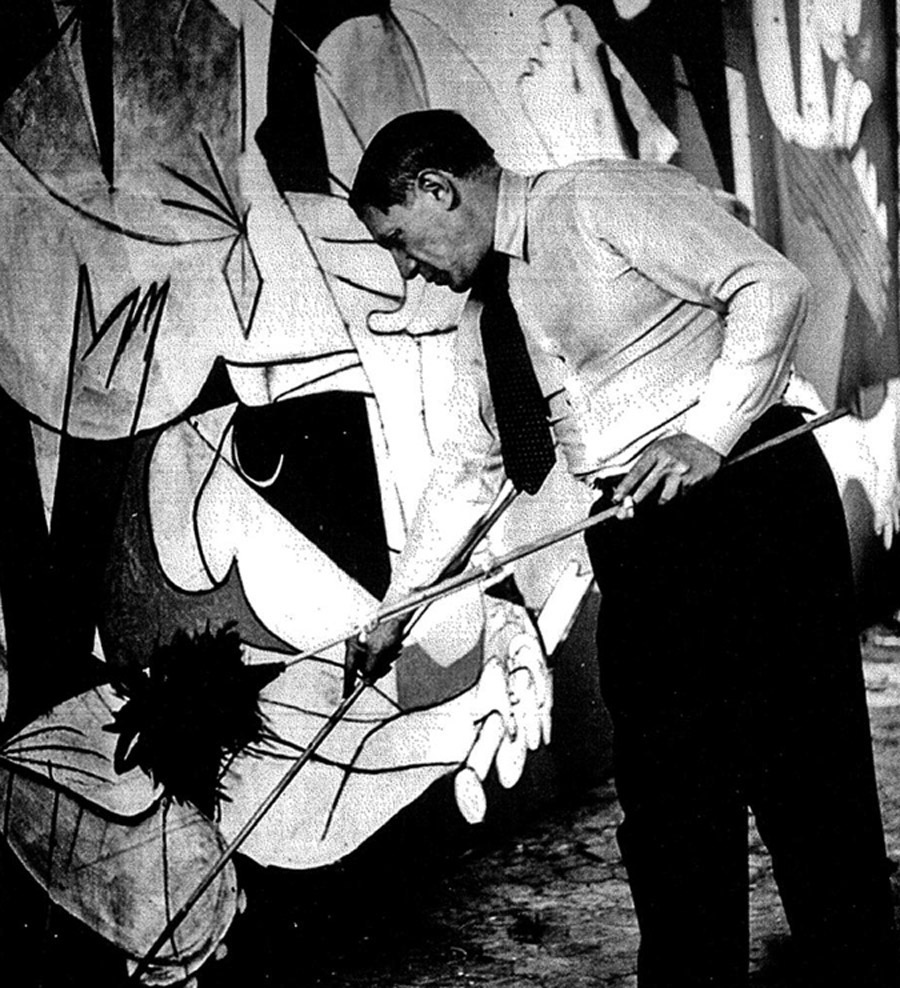
10
Guernica
PABLO PICASSO: 1937
Reina Sofía Museum, Madrid
In this large-scale work, painted exclusively in black and white, and in a wide range of grays, Picasso brings the Cubist revolution to its most finished development. The tradition of the "disasters of war," initiated by Goya, culminates in this violent, hermetic painting, full of symbolism. Its content transcends the historical moment in which it was conceived to rise, with its tragic impulse, to the category of universal.Add The New Barcelona Post as your preferred Google source for free
Stay informed with the latest news.