1
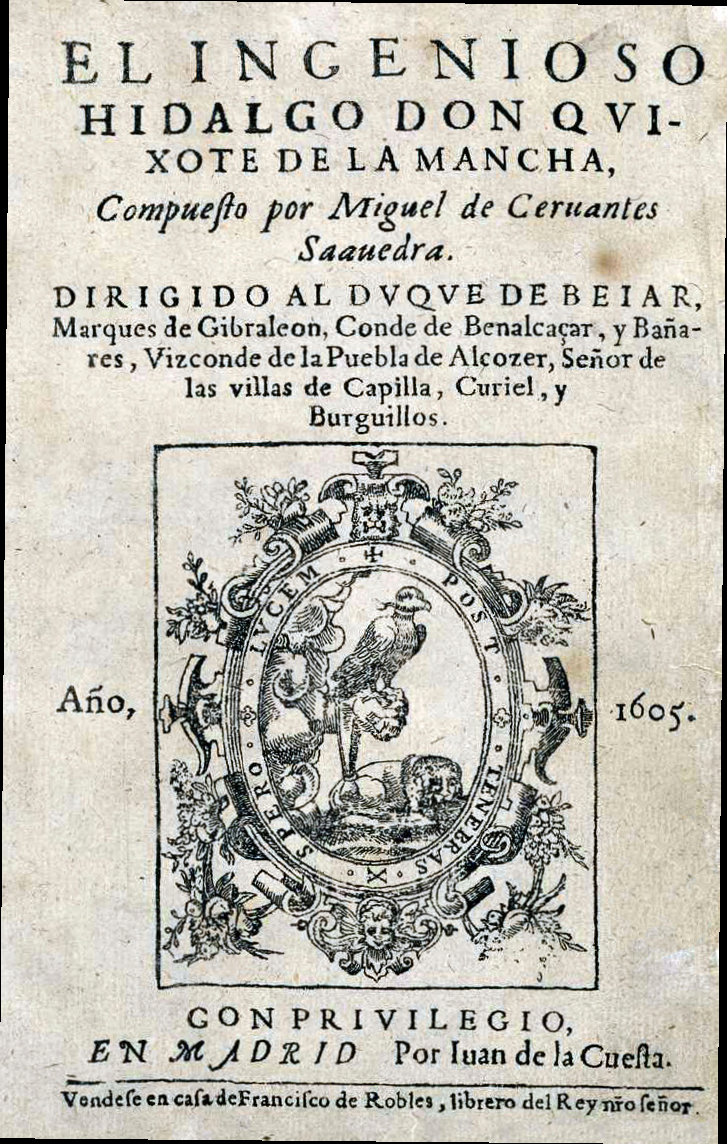
Don Quijote de la Mancha
MIGUEL DE CERVANTES
Edition and notes by Francisco Rico, with a complementary volume of studies and illustrations. Madrid, Real Academia Española – Barcelona, Espasa - Círculo de Lectores, 2015
Among many other things, Don Quijote is also a tribute to all readers at a time when this role in literature was developed in a passive way. Cervantes gives the reader a preponderant position for the first time, and the modernity of this work will precisely be in anticipating the proposals that great essayists of the 20th century, from Blanchot and Barthes to Hans Robert Hauss, would reiterate.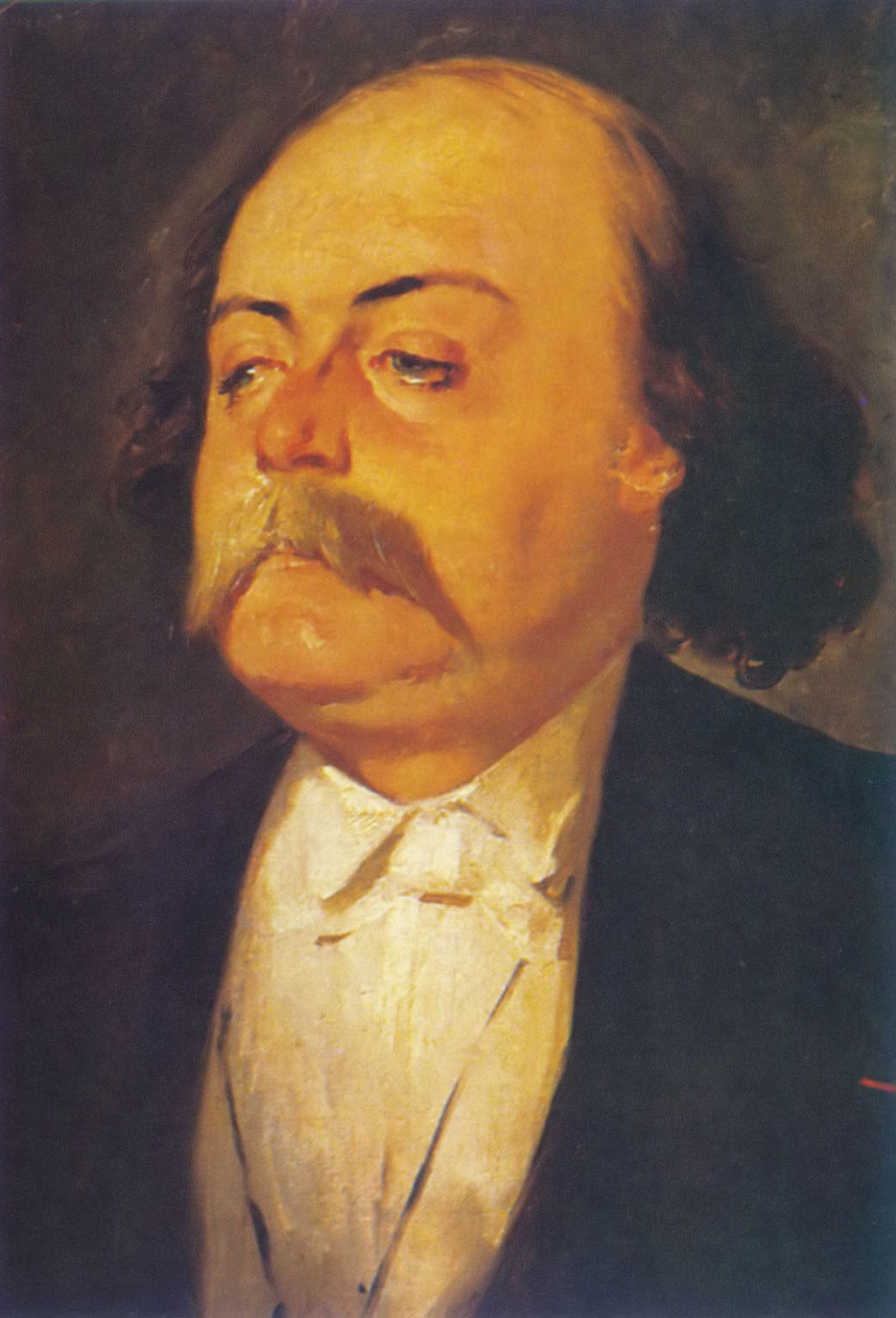
2
Sentimental Education
GUSTAVE FLAUBERT
Alianza Editorial. Madrid, 2004. Translation and prologue by Miguel Salabert
Flaubert's masterpiece that would mark a stylistic milestone in universal literature, Sentimental Education, a beautiful and melancholic coming-of-age novel, is always an unforgettable read. The setting – as in the case of many of the great works by Balzac or Maupassant – is an avid Paris of the mid-19th century, brimming with effervescence – art, politics, journalism, social and romantic life – in which one class, the bourgeoisie, reigns in all its splendor.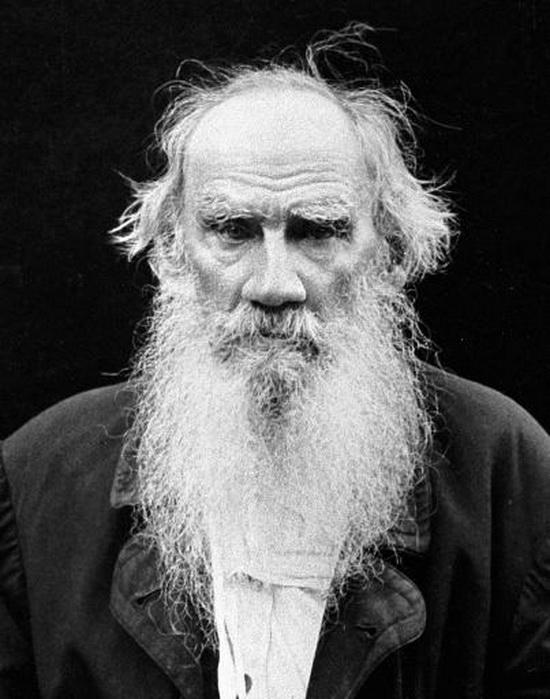
3
The Death of Ivan Ilyich
LEO TOLSTOY
Nordica Libros. Madrid, 2013. Translation by Víctor Gallego. Illustrations by Agustín Comotto
If from Anna Karenina to War and Peace, death runs through some of Tolstoy's most memorable pages, rarely does literature concentrate in a single work, in such a stark and atrocious way, the experience of imminent death in a character's mind. The magistrate Ivan Ilyich faces it alone, experiencing for the first time the mediocre, petty, and meaningless void that until then had kept him alive.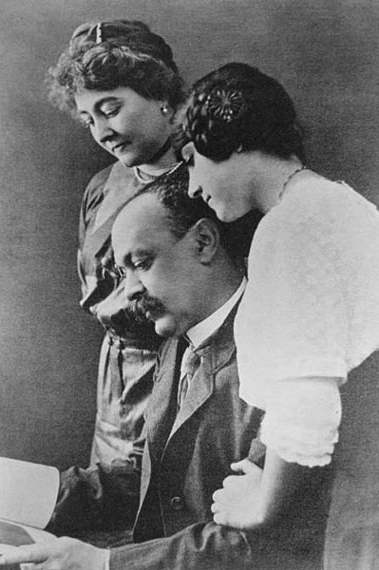
4
Zeno's Conscience
ITALO SVEVO
Madrid, 2007. Translation by Carlos Manzano
A friend of Joyce and discovered by Montale, the Triestine Italo Svevo was one of the greatest writers of the 20th century, not always recognized as such. The story of the rich, indecisive, somewhat apathetic and hypochondriac Zeno Cosini, an inhabitant of late 19th-century Austro-Hungarian Trieste, who undertakes psychoanalysis while trying to quit smoking, becomes a subtle masterpiece of irony and introspection. (Amazon.es)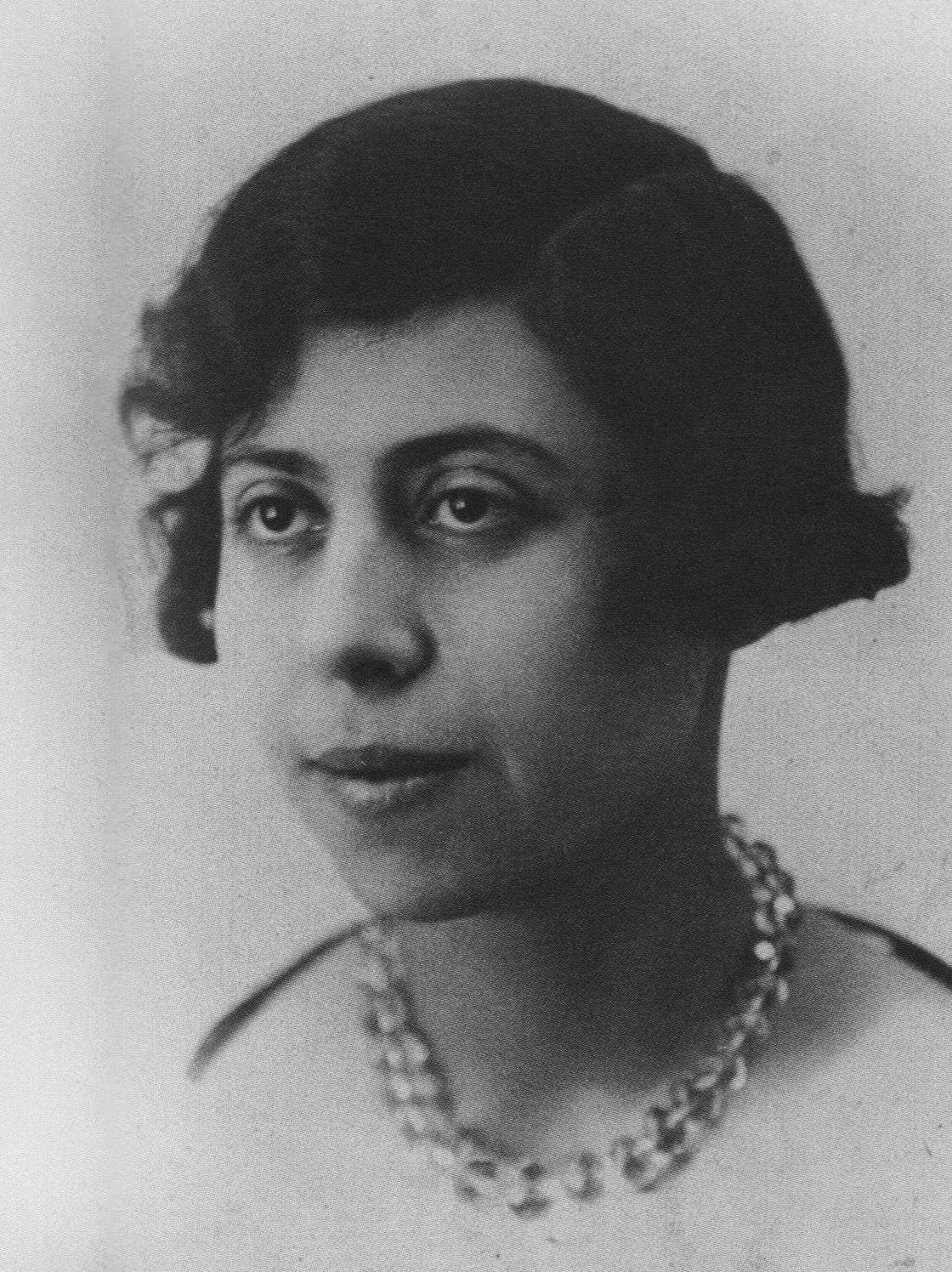
5
David Golder
IRÈNE NÉMIROSVKY
Editorial Salamandra. Barcelona, 2006. Translated by José Antonio Soriano Marco
In this first work that would launch her to fame in interwar France, the magnificent writer Irène Némirovsky, who died in Auschwitz thirteen years later, would begin her career with a fierce, implacable, and cruel style that would never abandon her. The novel tells the story of a ruthless Parisian financier fallen into ruin, formerly a Jewish emigrant who escaped poverty in Russia to pursue a single and tenacious goal: to make a fortune.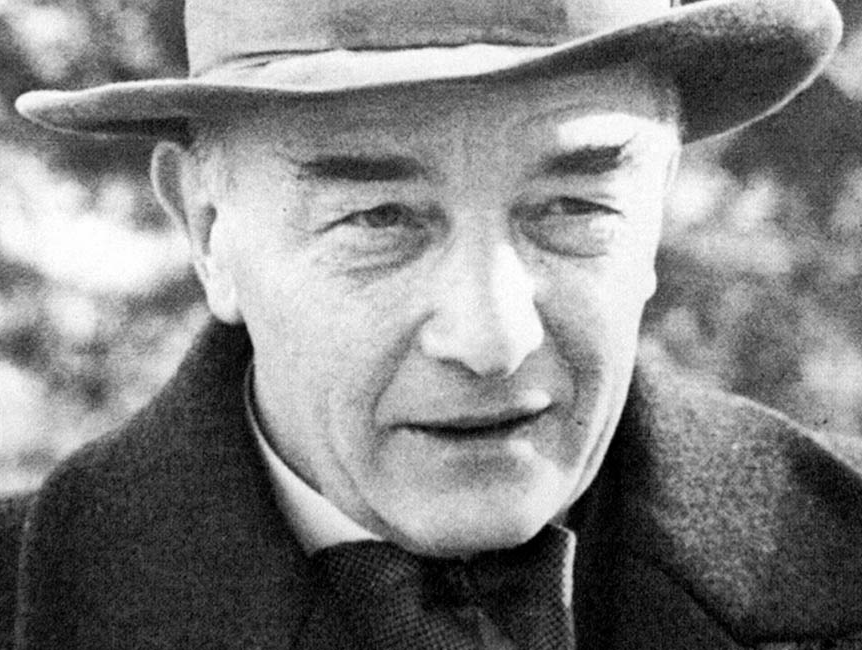
6
The Man Without Qualities
ROBERT MUSIL
Editorial Seix Barral. Barcelona, 2004. Translated by Feliu Formosa and Pedro Madrigal
A magnum opus of a lifetime, as it would beIn Search of Lost Timeof Proust or theUlisesfrom Joyce,The Man Without Qualitiesof Musil, a novel close to essayism, left unfinished after his death in 1942, is set shortly before the beginning of the First World War and the collapse of the multi-ethnic Austro-Hungarian Empire –called "Kakania" in the work– an ironic and philosophical center of reflection of Musil's extraordinary enterprise.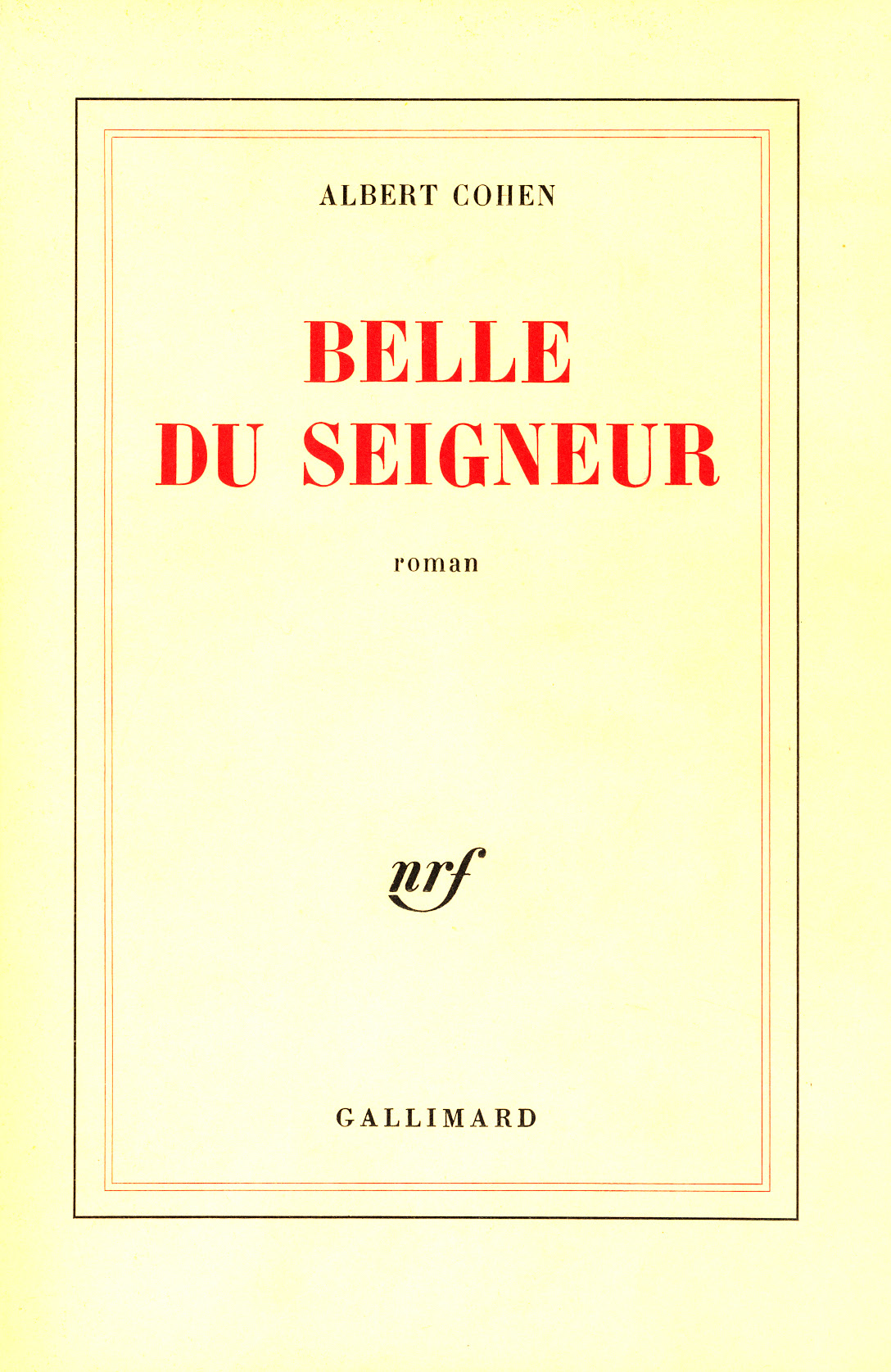
7
Bella del señor
ALBERT COHEN
Editorial Anagrama. Barcelona, 2006. Translated by Javier Albiñana
The most important works of literature are generally –as is the case with Sentimental Education– built on the impossibility of love, its trial, its tragedy, its failure, its separation and its ultimate end. Few will narrate the conjugal and happy. On this subject, and with a lavish language, deals Bella del señor, by the Sephardic writer from Corfu Albert Cohen, who wrote all his splendid work in French.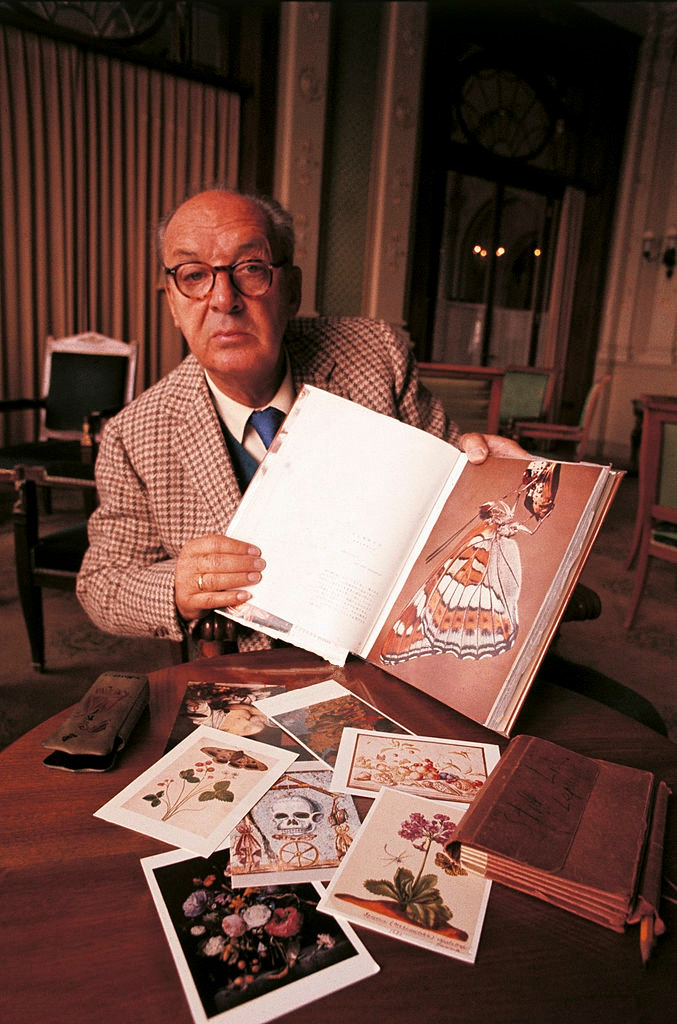
8
Ada o el ardor
VLADIMIR NABOKOV
Editorial Anagrama. Barcelona, 2006. Translated by David Molinet.
Comparable to dazzling filigree, with several levels of reading, multiple allusions and labyrinthine development, already addressed in his no less marvelous novel Pale Fire, Nabokov's genius shines here in all its splendor and in his most sublime inimitable style. A story as forbidden and heartbreaking as that of Lolita, the tenacious incestuous love of Van Veen and Ada will last throughout the protagonists' lives.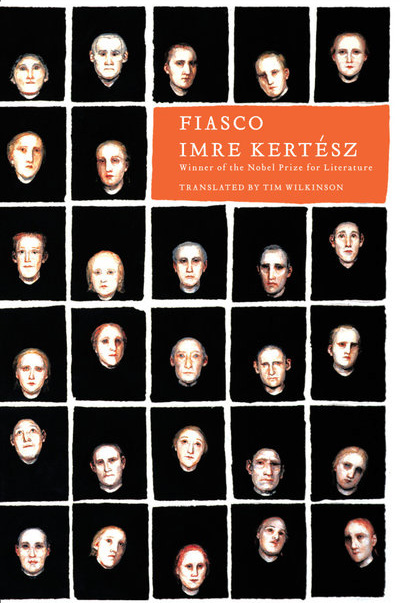
9
Fiasco
IMRE KERTÉSZ
Acantilado. Barcelona, 2003. Translated by Adan Kovacsics
Hiding behind a barely veiled autobiography, punctuated by dark and devastating humor, Fiasco is one of the best grotesque, or tragicomic, masquerades of the great author that Kertész was. A novel belonging to the trilogy formed by Fatelessness and Kaddish for an Unborn Child, it narrates the difficulties encountered by a Jewish author who returned from the extermination camps to publish his memoirs in Stalinist Hungary.
10
Atonement
IAN MCEWAN
Anagrama. Barcelona, 2002. Translated by Jaime Zulaika
A novel that plays with the dilemmas of the narrator and the reader at the same time, Atonement, by the excellent author McEwan, explores the drama of young lovers marked by social prejudices, slander, and the fatality of war. In it, McEwan returns to one of his favorite archetypes: false innocence in ages, between childhood and adolescence, prone to fantasy, perversion, and unrestrained jealousy.Add The New Barcelona Post as your preferred Google source for free
Stay informed with the latest news.