[dropcap letter="L"]
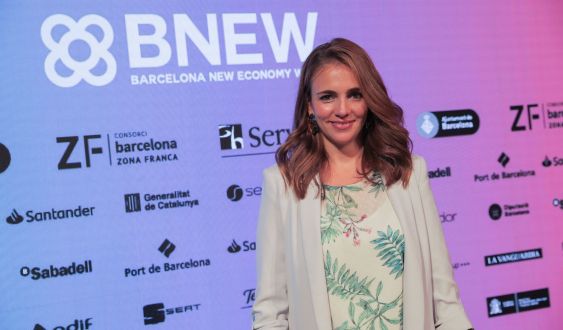
he expert in Artificial Intelligence, Internet of Things (IoT) and Big Data has explained that a smart city is "a tool to be more efficient and attractive" that, well applied, will help to "improve democracy". However, to reach this point, metropolises face two great dangers.
On the one hand, privacy management is one of the main challenges facing current societies. For this reason, Asín has called for "inclusive privacy" that provides the necessary information as labels do with food: in a simple and easy-to-understand way.
[subscribe_newsletter_esp]
On the other hand, she has pointed to fake news as one of the great threats to smart cities. To counteract their effect, Asín has demanded that "data not be used as a way to hide reality" and has asked citizens to use their "critical sense" when consuming information online.
After highlighting Barcelona's use of technology on its path towards the smart city of the future, the expert has demanded "greater leadership" from administrations to implement transversal measures that turn cities into true smart cities. To this end, she has advocated for moving towards a "datocracy" in which administrations make their decisions based on collected data and, subsequently, the results of their actions are published to the citizenry.
According to Asín, the objective of smart cities is to allow for better use of resources, "optimizing expenses and generating new income". For example, smart sprinklers could be installed to help save water, and sensors could also analyze the occupancy of taxi stands to see which ones can be converted into parking spaces that generate income for the city. In short, to assimilate that "greater technification of decisions" will bring about the improvement of the quality of life in cities.
Add The New Barcelona Post as your preferred Google source for free
Stay informed with the latest news.