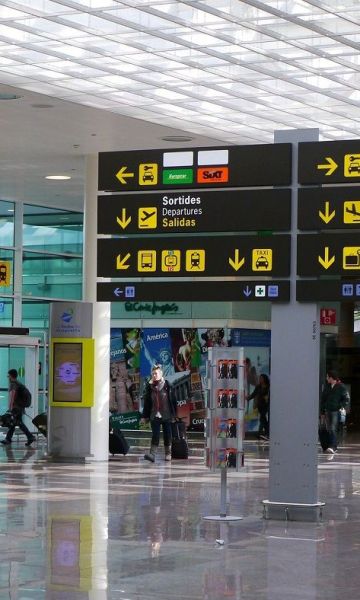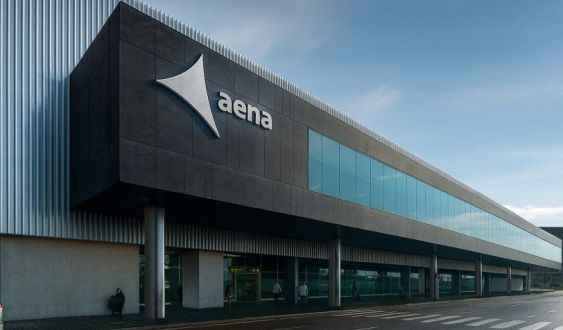
Two summers away from completing 60 years of service, T2 is finally going to undergo a comprehensive renovation. This terminal is the result of many reforms and was built in pieces over different decades, with different architects, engineers, and needs, until it became a mosaic of almost six decades of commercial aviation in Barcelona
Yesterday, aeronautical engineer Eva Valenzuela, airport director since May 2023, announced that this accumulation will finally have order: a project of 153.4 million euros that Aena will execute between next year and 2031 to stitch together, for the first time, all these pieces into a single architectural and aesthetic narrative.
These important works are a good excuse to review its entire history in The New Barcelona Post, because T2 has not just been a terminal. It has been, at different times, the showcase of a Barcelona that wanted to present itself to the world, and finally the veteran sister that the new T1 eclipsed and left in a discreet background. Now a new chapter begins.
A terminal that was born provisional and lasted almost twenty years
Before T2 came into service in 1968, there was another terminal building, and before that, none worthy of the name. Barcelona did not have a true airport until 1949, when a simple building crowned by a control tower was inaugurated, displaying the acronym A.T.B. on its facade, for Aeropuerto Transoceánico de Barcelona (Transoceanic Airport of Barcelona). It had been officially baptized as "provisional passenger air station" because the definitive terminal was planned for some land in Viladecans that was never developed. The provisional one ended up serving for almost twenty years, until the growth of jet aviation completely overwhelmed it.
In the aforementioned 1968, an airport finally arrived that was up to the city's standards: the central building of the current complex that we know today as T2B, designed by engineer Vicente Cudós and architect Eduardo Aguirre. With their company Proyecta, they also erected modular buildings in other Spanish tourist airports such as Ibiza, Malaga, Girona, and Palma. The Barcelona construction was state-of-the-art for its time, though with a curious caveat that today sounds almost endearing despite the heat we are experiencing on the days this story is written and published: the initial budget did not allow for air conditioning to be installed.
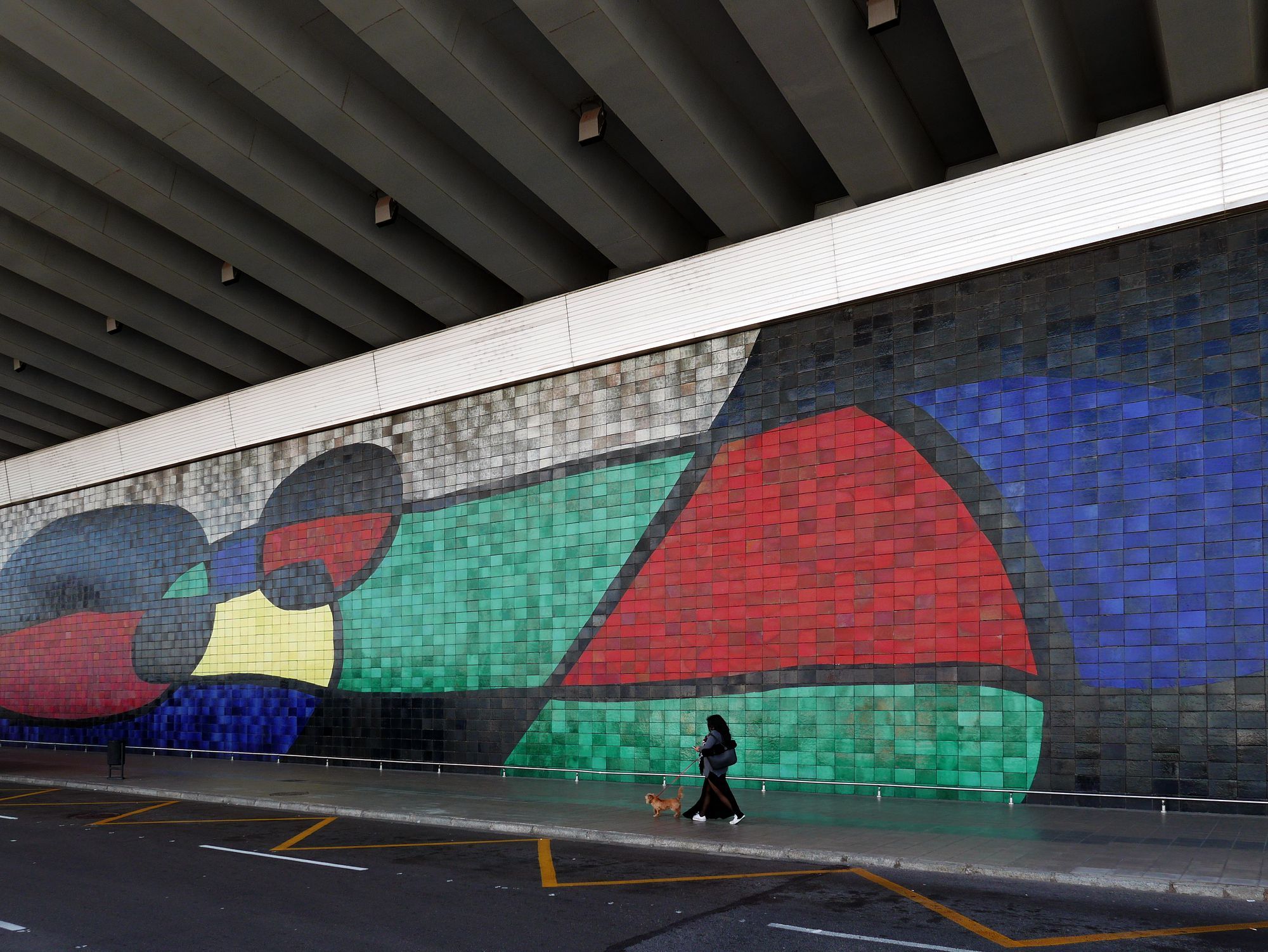
Two years later, in 1970, that terminal received the element that would distinguish it forever: Joan Miró, along with ceramist Josep Llorens Artigas, installed on its facade the large ceramic mural that still today welcomes and bids farewell to many of the airport's passengers. In 1974, another milestone arrived, the birth of the Barcelona-Madrid air shuttle, with its own Iberia terminal exclusively dedicated to a service that would become for many years one of the busiest links in the world.
The airport that wanted to be up to the standard of an Olympics
If there is one moment that defines what T2 meant for Barcelona, it is October 1986. On the 17th of that month, a charter flight from Geneva landed at El Prat with the members of the Games Organizing Committee, Barcelona having just been chosen as the Olympic host city for 1992. Hundreds of people received them at the airport and thousands more throughout the city; that night, Montjuïc celebrated a massive party.
The airport where they landed was still, basically, the 1968 building: a single terminal that that same 1986 reached six million annual passengers, a figure that today seems modest compared to the more than 57 million in 2025, although back then that figure marked the limit of what the facility could comfortably handle.
The Olympic designation changed the pace of everything. The competition for the major expansion was won by the Architecture Workshop of Ricardo Bofill, and what followed was a transformation as profound as it was uncomfortable: all the work had to be carried out without interrupting the airport's operations for a single day, just as is promised to be done now, with the inconveniences that this implied for companies and passengers for years. The result, however, filled a city that was then experiencing one of its sweetest moments with pride.
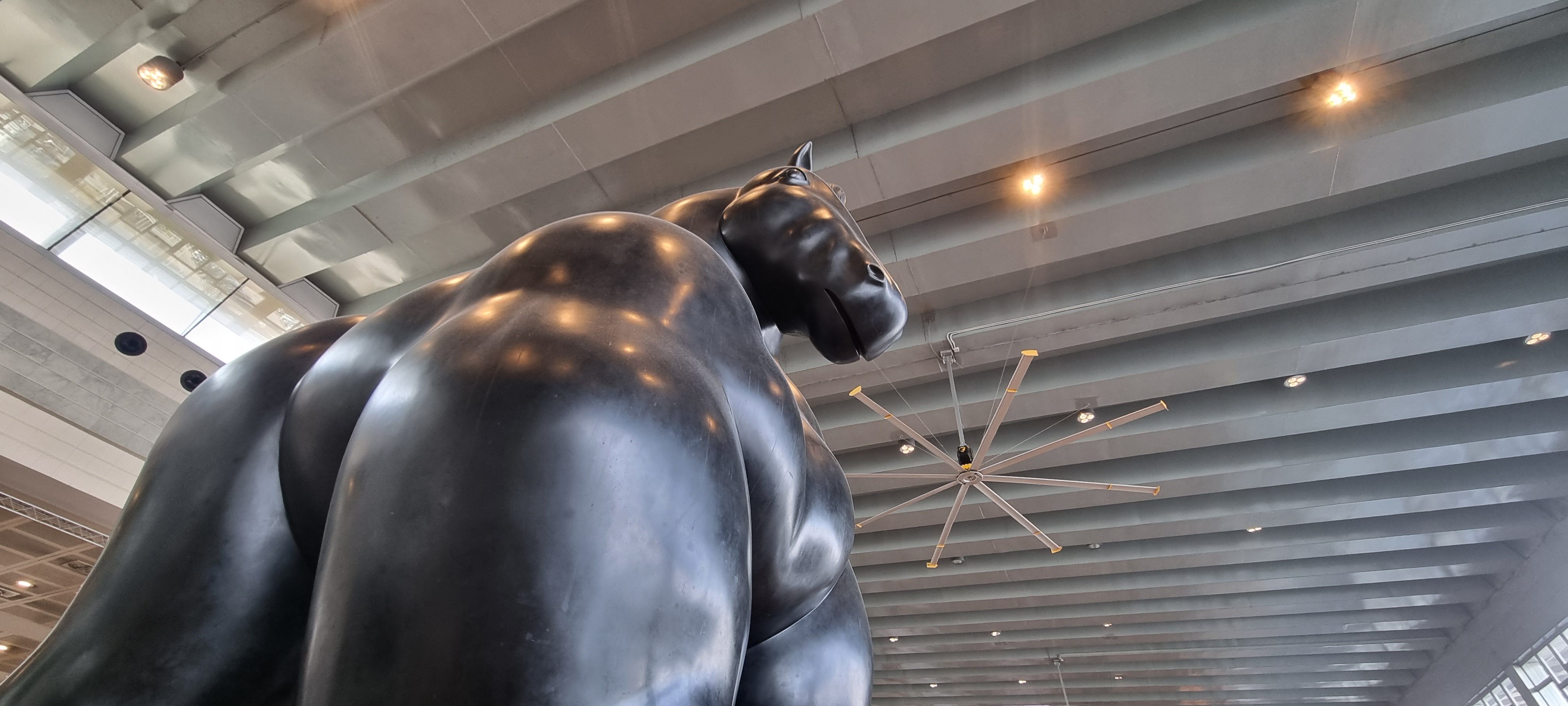
On both sides of the original building, two new extensions were born: A, for international flights, and C, dedicated to the air shuttle, while the old 1968 building was renamed B. On the airside, a promenade of more than 800 meters was built with four triangular modules and 24 direct boarding gates, something unprecedented until then at El Prat, and the new spaces were clad with Almería travertine marble from the Greek island of Thassos.
The culmination arrived just five months before the Olympic cauldron was lit, when the entire building was inaugurated. Between the three terminals, they totaled 110,000 square meters and an investment that, in pesetas of the time, exceeded 50,000 million. Barcelona literally opened a new gateway, and that gate worked: during those weeks of 1992, El Prat was one of the busiest airports in the world, and from those Games, Samaranch's phrase at the closing ceremony, about the best Games in history, remained forever.

It was, in essence, one of the many boosts received by a Barcelona and a Catalonia that, in the late 80s and early 90s, was experiencing an unprecedented moment of expansion and international projection. And the airport, with its new face designed by Bofill, was the architectural symbol of that confidence.
The eclipse of T1 and the years of low cost
That splendor was not eternal. The European liberalization of air transport, which coincided almost to the day with the Games, multiplied the number of airlines and passengers during the 90s, and the terminal continued to grow in parts, with a new module in 2001, another in 2003, an intermodal building and the third runway, reaching the limit of its possible expansion. The definitive solution arrived in 2009, with the opening of T1, the large white building next to the sea that Aena decided to clearly separate from the historical complex: 1 for the new, 2 for the classic and its successive extensions.
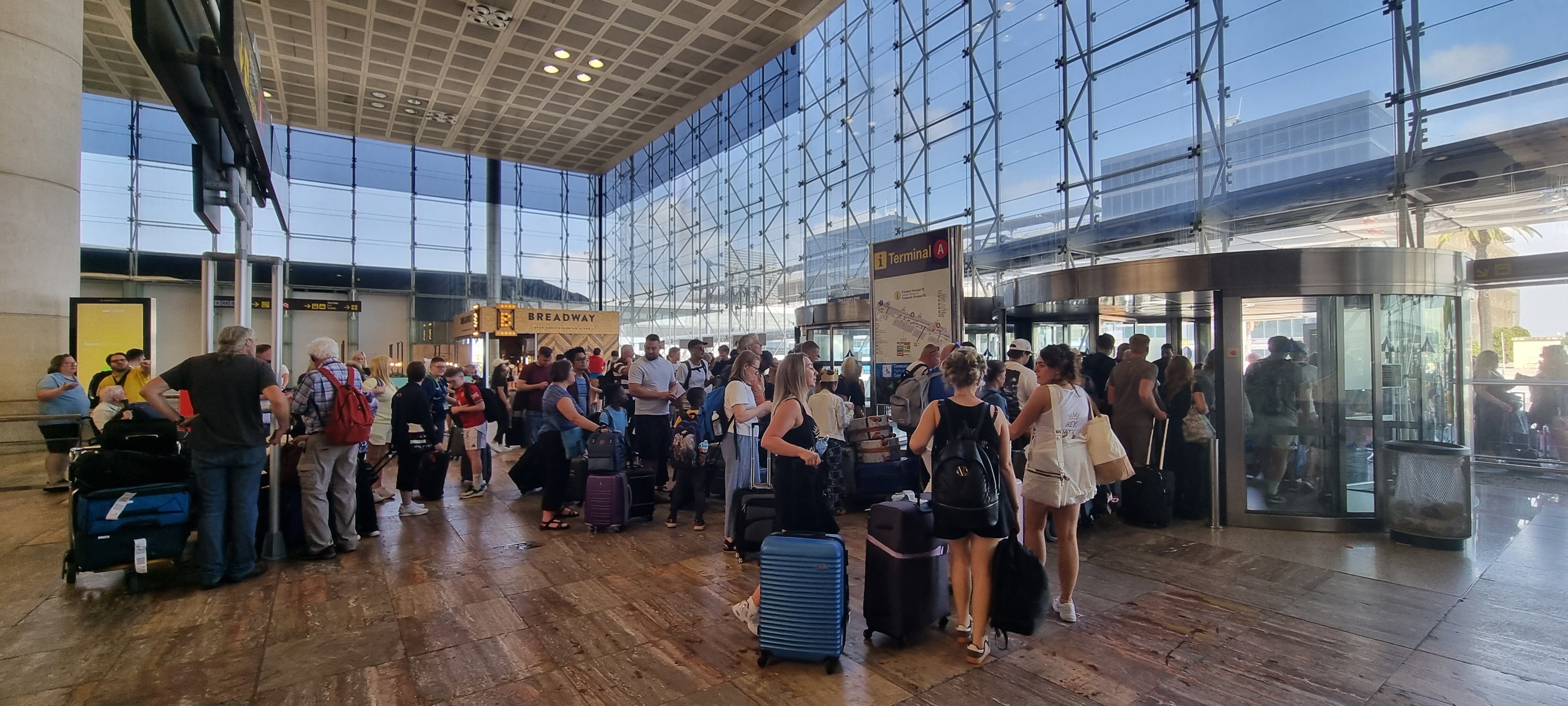
Overnight, the terminal that had been Barcelona's only air gateway for decades was left, for the first time, with plenty of space. The major alliances and a good part of the traditional airlines moved to T1; T2 remained focused on low-cost companies (Ryanair, easyJet, Transavia, Wizz, Eurowings or Norwegian) which today continue to be its hallmark. Those were years of maintenance, specific investments and a certain neglect, despite the fact that the terminal never stopped moving a very relevant percentage of the airport's traffic: today, still, 35% of passengers arriving or departing from Barcelona by plane do so through its gates.
The missing renovation
It is in this context that yesterday's announcement fits. "The idea is to have a completely new terminal when the works are finished," explained Eva Valenzuela, who defined the intervention as "the most profound since the one carried out for the Olympic Games." It is not, insisted the director, about altering the essence of the building, but about "recovering the unity of a complex that has evolved through successive extensions over more than sixty years" and which, precisely because of this accumulation of stages, has become a "diverse and heterogeneous" terminal from an architectural and functional point of view.
Valenzuela: "it is about recovering the unity of a complex that has evolved through successive extensions over more than sixty years"
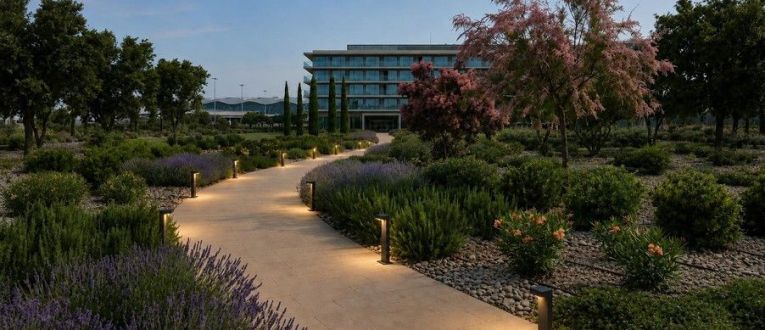
The plan will reopen and fully integrate module A, currently in partial use only for arrivals since T1 overshadowed it; the facade of T2B will be renovated with new stone materials that reinforce its original identity and gain natural light; and the current asphalt roads between the terminal and the car parks will be improved with a large continuous green axis of palm trees, olive trees, cypresses, and rosemary, conceived as a gateway to Barcelona and as a transition to the new four-star hotel that will be built in front of module A, which will be managed by Hyatt. Inside, the Rambla will regain its central role, with new rest and work areas.
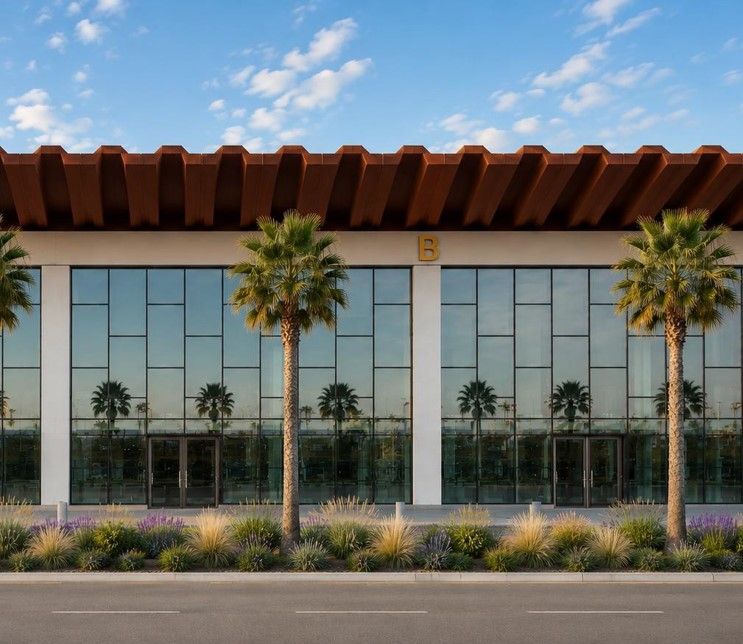
The renovation will also reinforce intermodality, fully integrating the Metro and future R-Aeroport railway line stations into the terminal complex itself, and will add sustainability measures, from LED lighting to new electric charging points.
"The objective is to stitch all these pieces together to offer passengers the perception of a completely renovated, modern, and coherent terminal, maintaining the identity that has made it one of the most recognizable buildings in Spanish airport history," summarized the director.
In all of this, there is a detail that connects the end of this story with its beginning. Miró and Artigas's mural, the one that has been receiving and bidding farewell to passengers for 56 years, is planned to be moved to T1 someday. However, this transfer will not be immediate: until well into the next decade, the work will remain exactly where the painter and the ceramist installed it in 1970, two years after that terminal opened, which wanted to be, and wants to be again, a great gateway to the city. While Aena stitches together the pieces of its six decades of history, the mural will remain there, in its usual place, watching the Barcelona that lands and takes off.
Add The New Barcelona Post as your preferred Google source for free
Stay informed with the latest news.