
To go from fleeing an armed conflict to building a family and a self-sufficient life; from living in a vulnerable situation to studying at university; from a forced marriage commitment to being independent. These are successful and empowering transitions that have in common and as a turning point their passage through the Fundació de l'Esperança.
Beatriz's is the story of one of the cases the foundation attends to: she is undertaking accounting administration training after participating in a speed dating session with companies through entities in the Gòtic. She assures that "it's never too late" to train and seek progress, and highlights that the foundation offers courses that also foster social relationships and a support network, as her training technician has also emphasized.
This is how the Fundació de l'Esperança works, established in Barcelona's Gòtic district in 2013 by the Fundació La Caixa. It accumulates hundreds of stories of transformation and progress: in its ten years of activity in the Ciutat Vella district, it has served nearly 8,000 people at risk of poverty and social exclusion through educational, training, and family programs, with its residential resource for vulnerable women as its flagship project.
This is the Casa de Recés project, which has hosted 196 women at risk of exclusion during this first decade of the foundation: they have resided in the center and received guidance to train, work, and manage their income to promote their autonomy and their emancipation process.
The center's users, with an average age of 21, have in common "that they carry very heavy backpacks." These include cases of trafficking, family and sexual violence, and forced marriages, as explained by the director of the Fundació de l'Esperança, Núria Danés, who reviewed this decade of activity alongside the deputy general director of the Fundació La Caixa, Marc Simón.
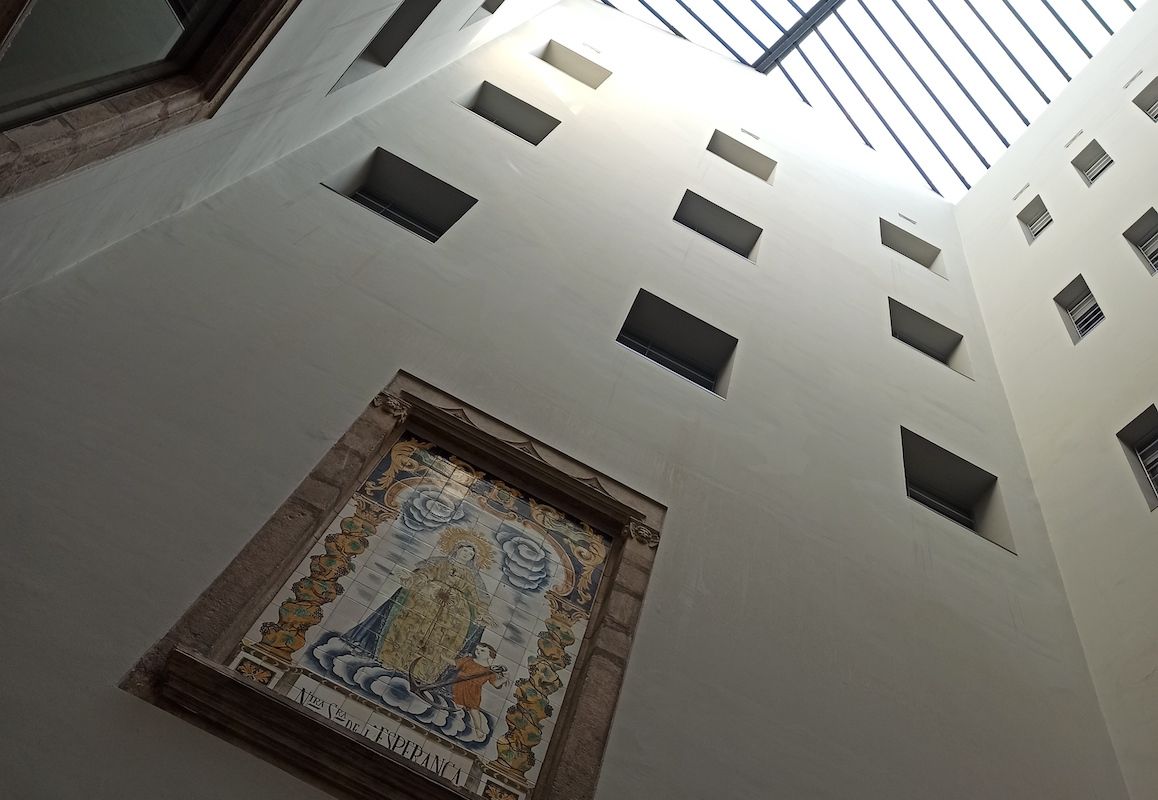
The center, which has 44 individual rooms, hosts women between 18 and 35 years old referred by social services, and does so for a period without a maximum duration, although on average they reside two years in the center. Now, this stay can be complemented by a subsequent step through an educational apartment of the foundation, which for two years has had four properties with 12 places to work on this "last stage of emancipation" in suitable cases.
There are few resources like the Casa de Recés, which is why it has a waiting list, currently of about six women and with a maximum wait of about three months, according to Danés. Despite being a pioneering and scarce service, its history goes back a long way: it was launched in 1744 by the Congregació de Nostra Senyora de l'Esperança, then as a center to remove women from prostitution.
From crawling to university
Contributing to the emancipation of women in situations of exclusion and vulnerability is just one of the objectives of the Fundació de l'Esperança: it annually serves about 500 families, through services such as educational support for children and adolescents, with 3,600 people served in these ten years. It also offers job training courses with business agreements, which have totaled nearly 2,000 users, and the new Family Space, dedicated to improving the parenting process of families with children aged 0 to 3 years.
The foundation offers training courses that at the same time foster social relationships and a support networkHaving a family space where the little ones can develop is not minor, nor less relevant than career guidance or training.During a visit to this space, Simón commented on the case of a family whose child started crawling after coming to the center; before, he couldn't do it, because the family lived in a small room and there was no space for the child to be on the floor and not in a baby chair, Danés added.
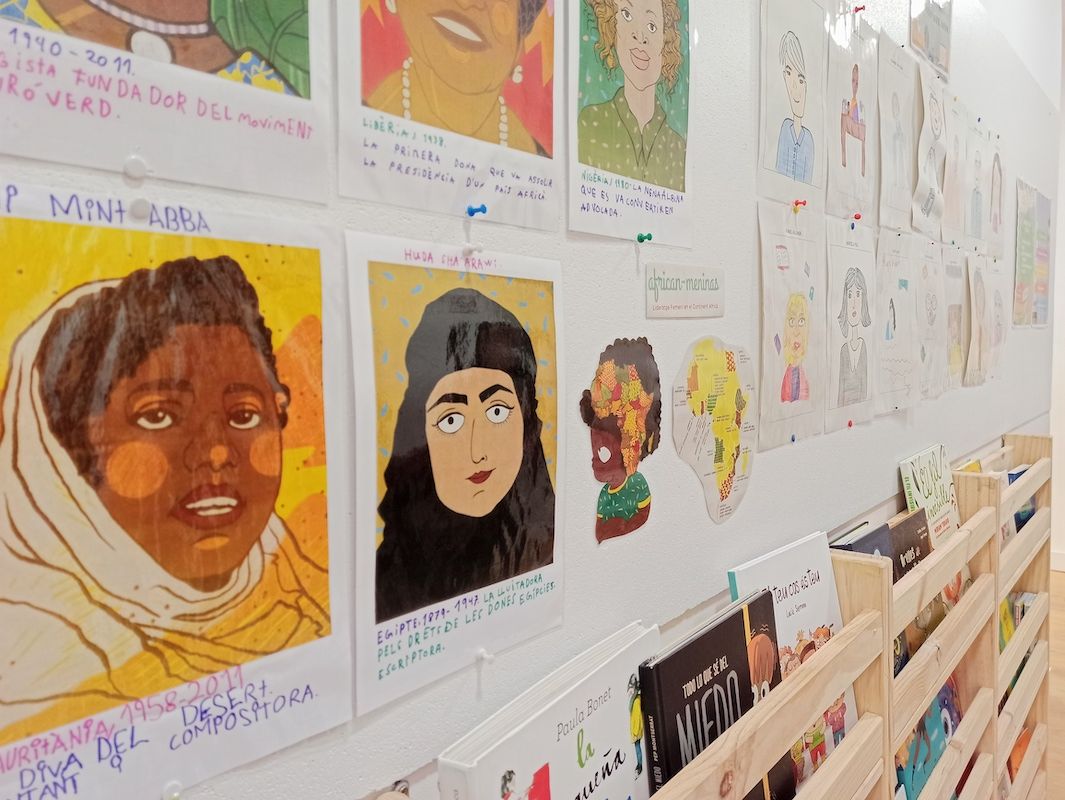
Thus, the foundation combats social exclusion from Ciutat Vella at every stage of life: from crawling to emancipation and employment, passing through schooling and the fight against school dropout. And it does so by encouraging users to also be volunteers of the entity, generating community, starting from trust and seeking empathy.
Add The New Barcelona Post as your preferred Google source for free
Stay informed with the latest news.
