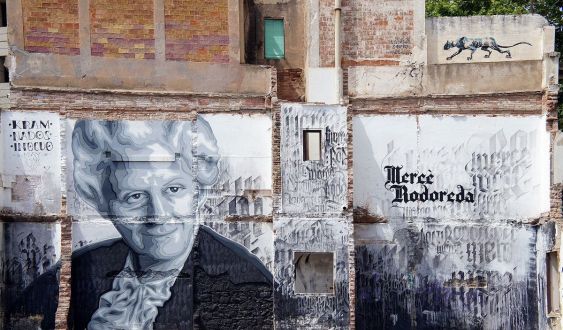
In 2015, UNESCO recognized Barcelona as a City of Literature, joining a select group of 42 cities that specially support this art. But we can go back a few centuries and see how the Catalan capital has been the setting and backdrop for great literary works, and a witness to the passage and creation of authors who have contributed to making our municipality an important character.
I invite you to discover some examples by moving through the city's districts.
Horta-Guinardó
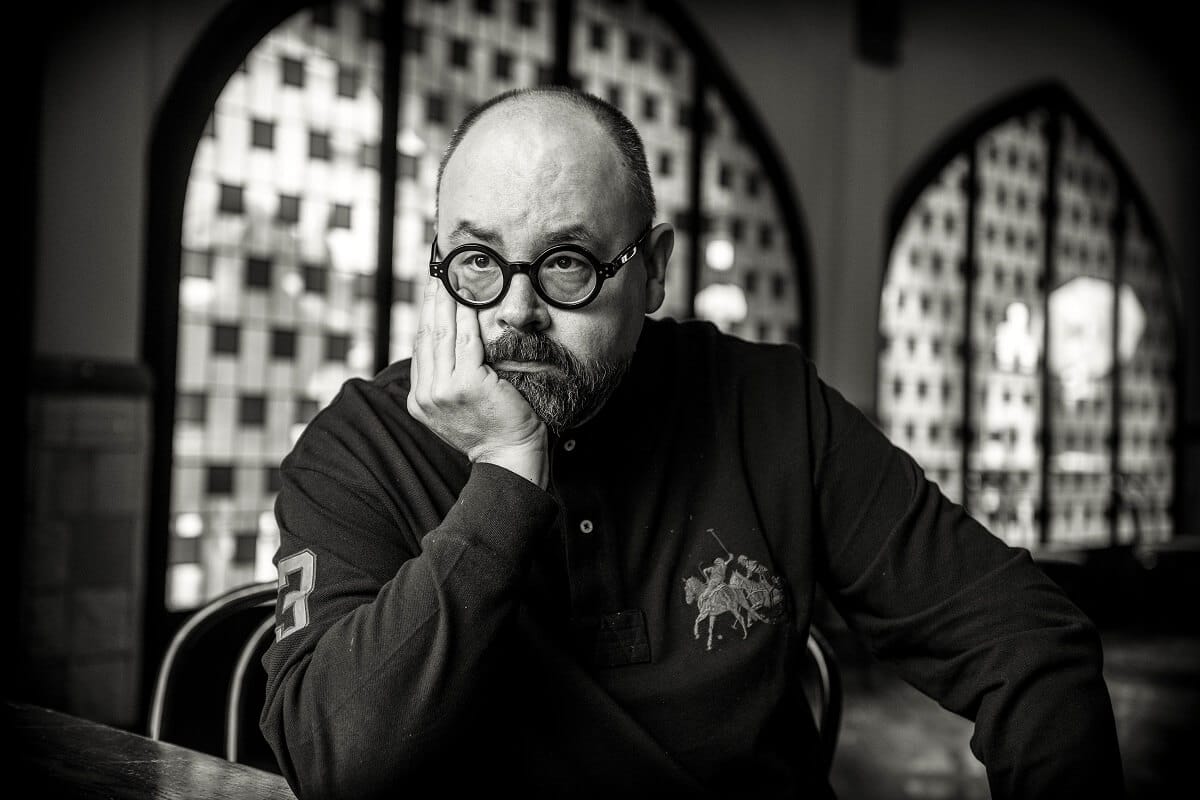
I start this route in my district, at the Rocaguinarda cultural cooperative and bookstore, because it is one of the places I frequent the most and because a few years ago they were in charge of reprinting El senyor Joanet del Guinardó (Rocaguinarda) by Carles Sindreu i Pons, a comic and costumbrista novel that deliciously portrays the neighborhood. Here, they also have books by local writers like Carlos Zanón ---one of the best at turning the city into a character---, who in Yo fui Johnny Thunders (RBA Libros), brings the protagonist back to the neighborhood, towards the Horta area, to confront some of his past ghosts, or in Carvalho: problemas de identidad (Planeta), he locates the protagonist's office in Plaza Maragall.
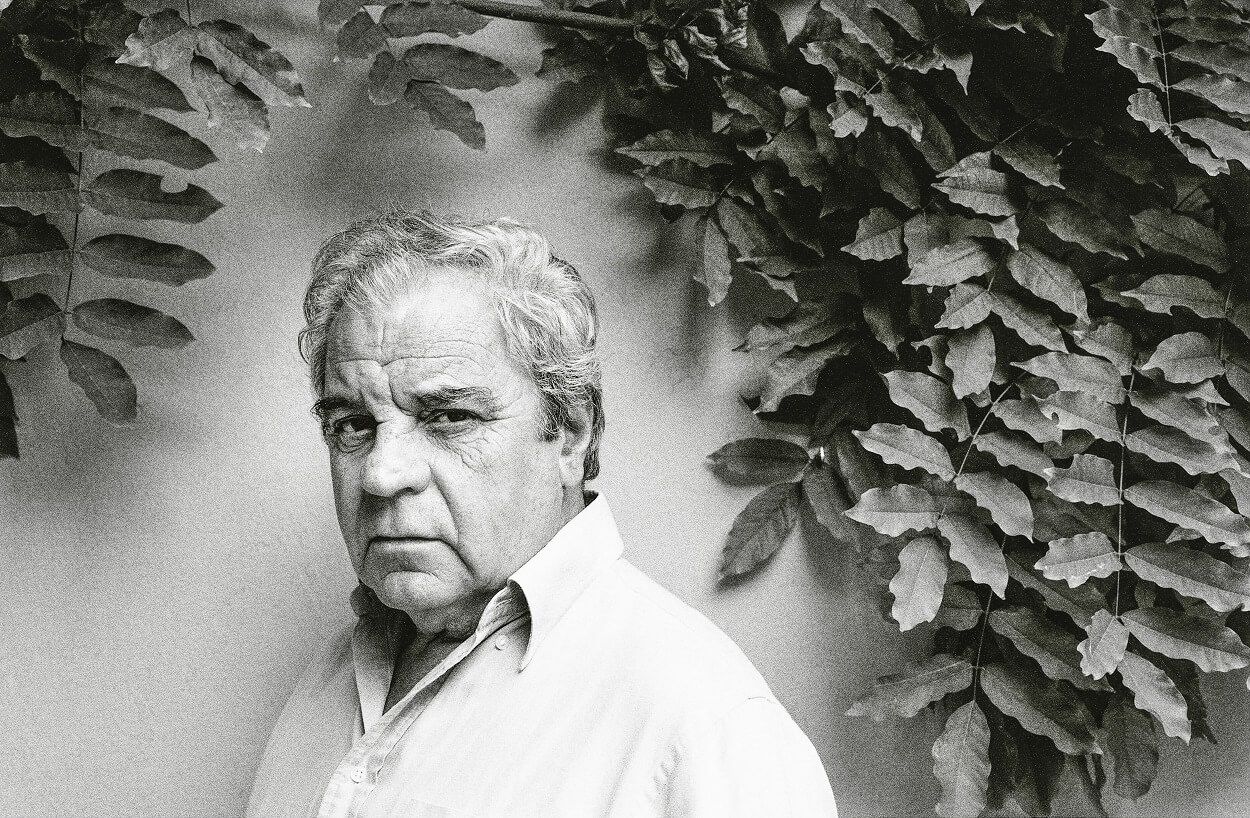
This area of the city was also put on the map thanks to Juan Marsé, who grew up going up and down its hills, and used it as a backdrop for the action of many of his books, such as La oscura historia de la prima Montse (Lumen), Ronda del Guinardó (Lumen), Esa puta tan distinguida (Lumen) or the misdeeds of his character Pijoaparte in Últimas tardes con Teresa (Lumen). The novel by the young writer Maria Guasch, Els fills de Llacuna Park (L'Altra Editorial), is one of the most recent set in Guinardó.
Vila de Gràcia
One of the great stories that takes place in the neighborhood is that of Colometa, the protagonist of La plaça del Diamant (Club Editor), by Mercè Rodoreda, who feels and suffers the different ups and downs of her life in this vila. Tracing her steps is very simple, as Rodoreda names the streets and establishments where her character walks, from the square itself, passing through the Rambla del Prat or the Llibertat Market. But it was also poets who captured the feeling of Gràcia and its squares, such as Enric Casasses with his Plaça Raspall (Edicions 62), David Castillo who refers to the Plaza del Sol in the verses of Determinisme, or Miquel Pujadó and his ode to Les places de Gràcia. In Els Búfals by Joan Vinyoli, the heart of the neighborhood is mentioned, the Plaza Vila de Gràcia or Rius i Taulet, and there is yet another even more literary small square, such as Plaza Rovira i Trias, a backdrop for El embrujo de Shangai (Lumen) by Marsé. And if anything has remained of the libertarian spirit of the district, it is the number of bookstores in which to get lost for hours, such as La Memòria, Taifa, Ona, Casa Anita, Haiku, Cap i Cua, Saturnàlia and many others.
Of the border that separates the neighborhoods of Gràcia and Sant Gervasi, and the differences between them, it was the great Josep Pla who portrayed them in Barcelona, una discussió entrañable (La Butxaca), in addition to the changes that the latter suffered with the demolitions of the small towers that populated it.
Sant Gervasi
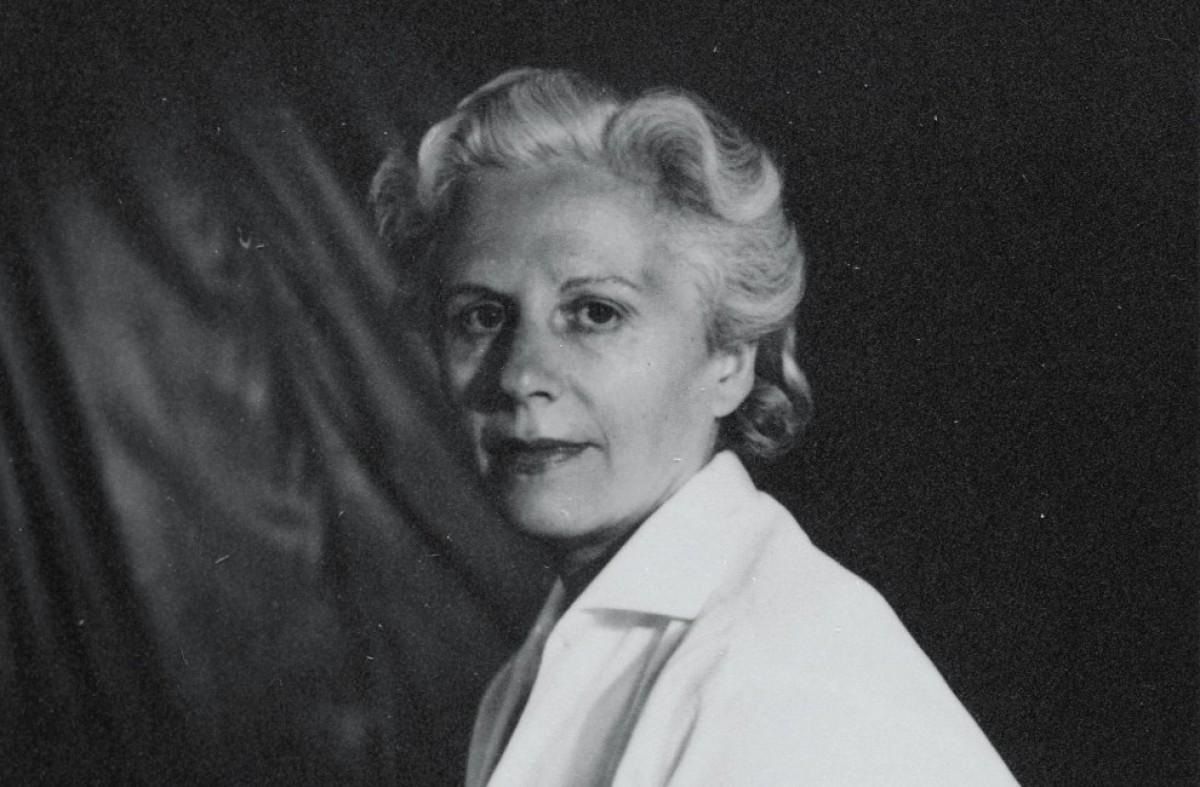
Here Rodoreda was born, lived, and found inspiration, until her exile. When she returned to Spain, she bought an apartment in the same neighborhood, very close to her birthplace, although she ended up settling in Romanyà de la Selva. She herself recounted in the prologue of Mirall Trencat (Club Editor) that the environment where she grew up shaped the appearance of the house and garden of the protagonist family in her novel, but also in other of her books. She was inspired by the park that existed where today is the Turó de Monterols, an old estate of the Marquis of Casa Brusi, and took the Farriols tower as a model and many of the elements of the house to create the Valldaura's home, some even appear in La plaça del Diamant (specifically, the painting of the lobsters); and the dovecote of her birthplace, the small tower with a garden owned by her grandfather, is a physical space with an emotional character that appears as a motif in two of her books, to which Cecília and Colometa, the respective protagonists of El carrer de les Camèlies (Club Editor) and La plaça del Diamant, go.
But I don't want to leave the area without mentioning Marsé again and his Últimas tardes con Teresa, as it is here where the protagonists of his book meet, in the Cristal City, a bar-bookstore he himself frequented along with other writers of the stature of Gabriel Ferrater, Jaime Gil de Biedma, or the also neighborhood resident José Agustín Goytisolo, who wrote the verses of Un día estabas cantando in his small apartment on Balmes street.
Sarrià and Les Corts
Carlos Ruiz Zafón's beginnings as a writer are linked to the upper area and his book Marina (Planeta), a coming-of-age young adult novel, which begins with its protagonist, Oscar Drai, entering an abandoned mansion in Sarrià. And if we go down to the Les Corts area, and as a literary contrast, we could name a humor classic like Lo mejor que le puede pasar a un cruasán (Destino), by Pablo Tusset, which takes place between Sarrià and Les Corts, with a hilarious mystery story that a lazy and maladjusted thirty-something must solve.
Eixample
The grid-like framework of Ildefons Cerdà not only organized the city into regular blocks of houses, but also made many authors wonder what was happening behind the windows. If anyone was able to tell us those hidden stories, it was the playwright Lluïsa Cunillé in Barcelona, mapa d'ombres (Edicions 62), a theatrical text that zooms into the interior of a classic Eixample apartment to tell us the decadent story of the owner couple and their tenants.
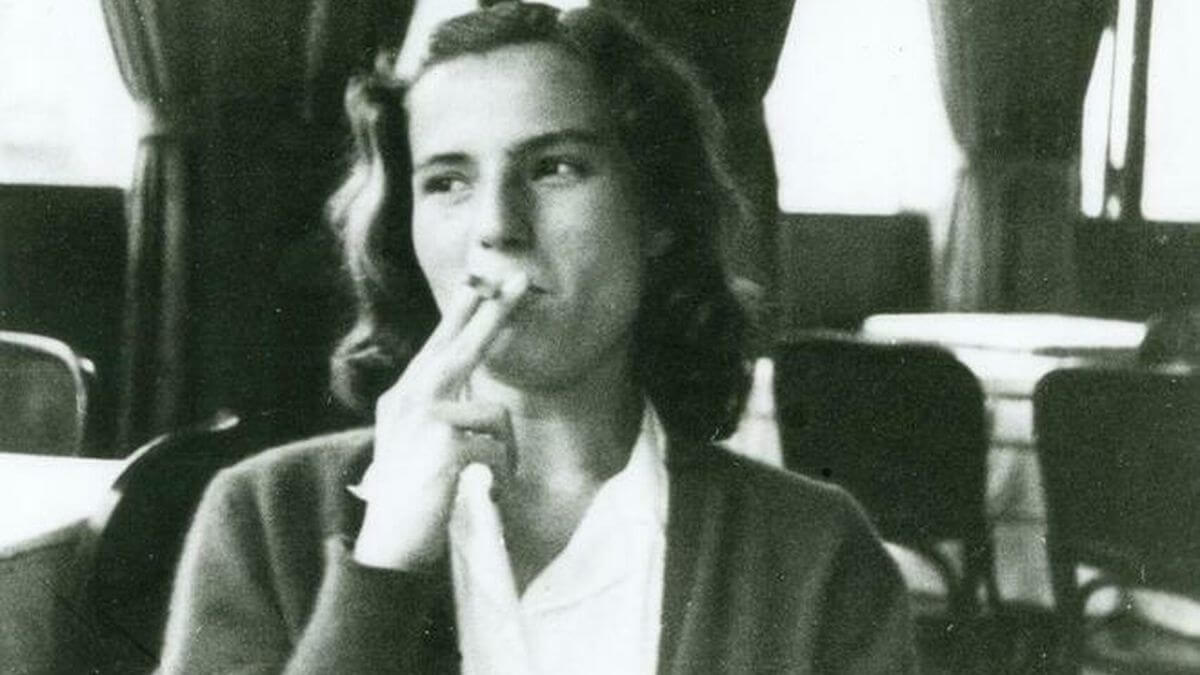
The grid-like framework of Ildefons Cerdà not only organized the city into regular blocks of houses, but also made many authors wonder what was happening behind the windowsBut if there are two great novels that encompass this part of the city like no other, they are Nothing(Destination) ofCarmen Laforet andThe City of Marvels(Seix Barral) ofEduardo Mendoza, both reflecting moments of important historical transit. The first, which takes place just after the Civil War, moves between an apartment on Aribau street where the oppression exerted by its residents is felt, and Plaza Universitat, which represents the space of refuge and liberation where Andrea, the protagonist, goes to study. In Mendoza's book, set between Barcelona's two universal exhibitions, the ascent of a very poor character is told, in an updated revision of the picaresque novel.
There is also an invisible border here before descending to the Ciutat Vella area, which is pleasantly reflected in La ley de los justos (Grijalbo) by Chufo Llorens, where characters of different classes move between both areas like shadows.
Raval, La Rambla and the Gòtic
We are going to condense this area of the city because the number of books that take place in these streets is immense and would deserve a separate chapter. We will start by naming Francisco Casavella who, in his first novel El triunfo (Anagrama), tells us about the heyday of the wrongly named Barrio Chino, or various foreign authors such as Jean Genet, who in Diario del ladrón (RBA Libros), recounts his youthful experiences prostituting himself in the Raval, or Carrer Robadors (Columna) by Mathias Enard who pictorially describes one of the worst streets in the neighborhood. Key names such as Maruja Torres or her great friend Terenci Moix are part of the literary map of this area. And it is Manuel Vázquez Montalbán who repeatedly feeds his detective Pepe Carvalho in the mythical Casa Leopoldo.
Key names such as Maruja Torres or her great friend Terenci Moix are part of the literary map of this areaLa Rambla and its nearby streets are also the scene of many lives, literary and of writers, and an inexhaustible source of inspiration. Through them moveGeroge Orwellin itsHomage to Catalonia(DeBolsillo); Roberto Bolañowith his novelAntwerp(Alfaguara); the writers who frequented the Ateneu;Federico García Lorca; and perhaps the protagonists ofThe Shadow of the Wind(Planet) ofCarlos Ruíz Zafónwould have been conceived in the mythical bookstore on Canuda street ---now disappeared---, the author's particular Cemetery of Forgotten Books.
And I fall short with so many names I leave out, but La catedral del Mar (Grijalbo) by Ildefonso Falcones, illustrates the Gòtic and Born area with meticulous mastery to tell us a piece of the city's history, and Estudi en lila (La Magrana) by Maria Antònia Oliver inaugurates the novel of the first female investigator in Catalan literature through the streets around this cathedral.
Poblenou, El Besòs and Maresme
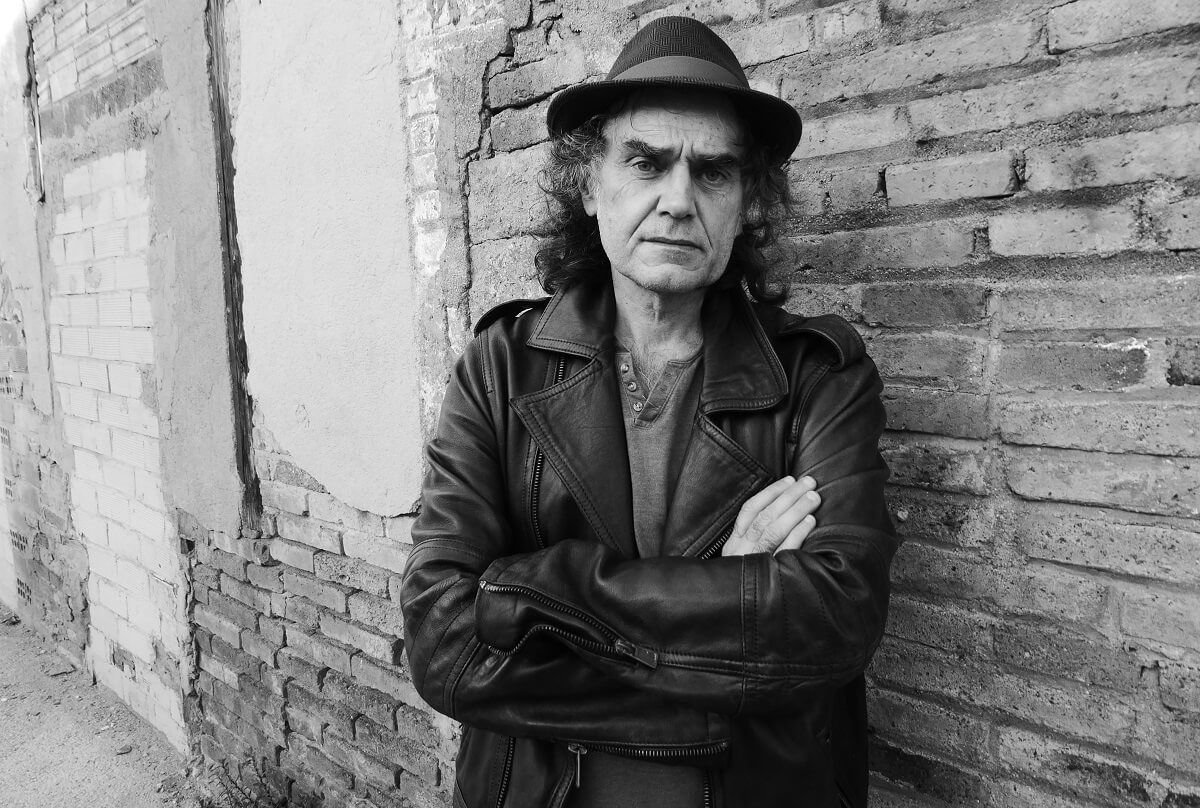
In this bordering area, where the sea and the river mark the landscape, we also find literary witnesses in its streets. Starting with the most central streets of Poblenou with a dark plot, with No hay que morir dos veces (Planet) by Francisco González Ledesma. But the most notable is Carrer Bolívia (Edicions 62) by Maria Barbal, the story of two Andalusian emigrants who settle in the neighborhood in search of a better future, during the 60s. With it, we can explore some areas just as they were being urbanized and be part of the feelings of those who came, like many of our parents and grandparents. We can also name Carrer Marsala (Empúries) by Miquel Bauçà, a novel about an intellectual who intends to live isolated from the neighborhood, and Los príncipes valientes (Tusquets) by Javier Pérez Andújar, who masterfully turns the Besòs river into another character, describing the landscape of its mouth to the sea.
Allow me, finally, a small poetic license, since I cannot close this map without talking about Cervantes and El ingenioso hidalgo don Quijote de la Mancha (Alfaguara), perhaps the most important work of our literature and where our city appears. And it is that just before entering Barcelona, the hidalgo and Sancho Panza stumble upon a bandit named Roque Guinart, apparently inspired by Perot Rocaguinarda. You know, like the bookstore in my district, Horta-Guinardó.
Add The New Barcelona Post as your preferred Google source for free
Stay informed with the latest news.
