Socotec, the engineering firm with a footprint extending from the waterfront to 22@
The company has been part of the design of buildings such as the Arts hotel and the Glòries Tower throughout its 40-year history. Currently, it is participating in the works for the new La Sagrera station and metro line 9. After invoicing 30 million in 2022, it plans to continue growing in Spain and expand to the Middle East in the coming years.
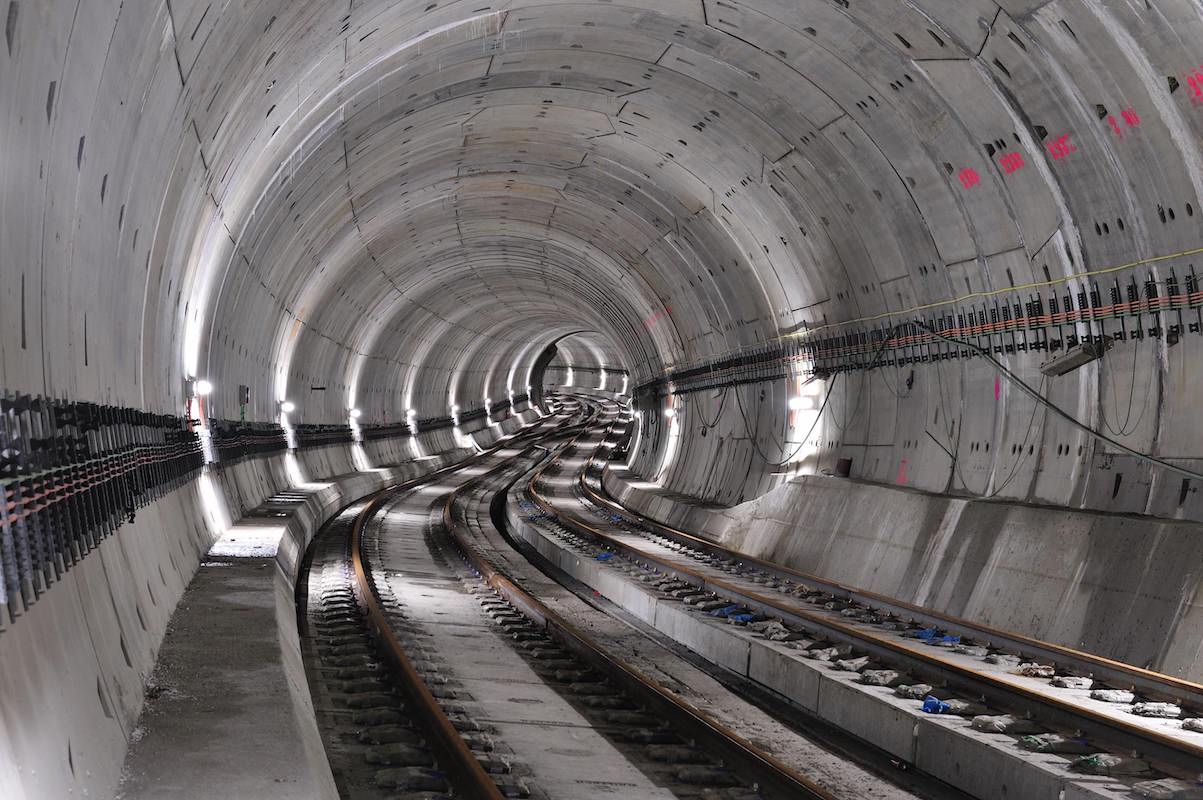
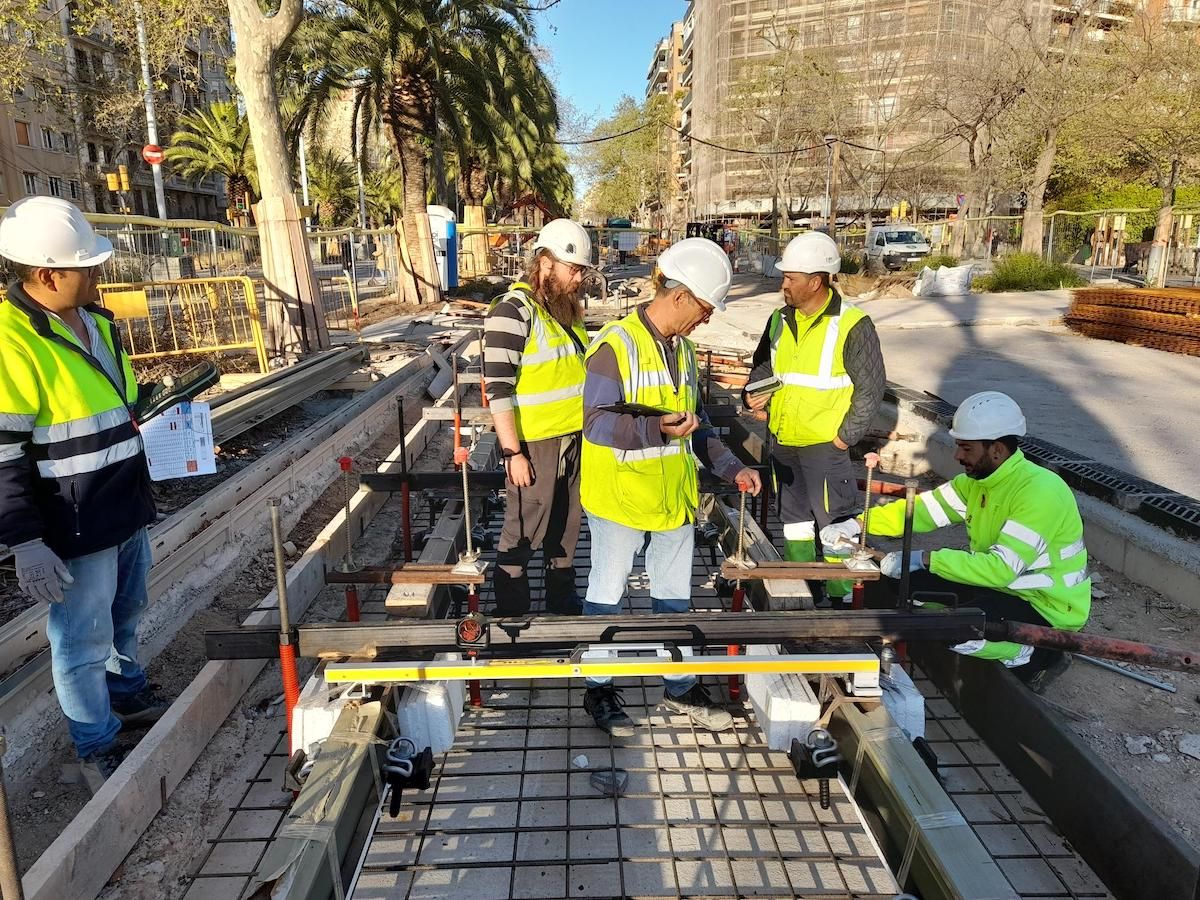
An engineering firm is responsible for saying what needs to be done and how when works are carried out, as well as supervising that the work is executed well. That is why it is not surprising that, when they accumulate years of experience, their footprint is on most of the infrastructures and large facilities of a city like Barcelona.One of the city's historic companies is the former BAC Engineering, now integrated into the multinational Socotec.From a bird's-eye view, the company participates in the main actions being carried out in the Catalan capital, such as the connection of metro line 9 and the tram, the extension of Ferrocarrils de la Generalitat (FGC) line L8, and the construction of La Sagrera station. But it also handles other less visible works such as the auscultation of Montjuïc cemetery, taking into account that, being on unstable ground, some tombs have deteriorated and collapsed, and the City Council has launched a campaign to control ground movements.They are also in charge of the geotechnical campaign behind the expansion of the south dock of the Port of Barcelona, as well as participating in its new accesses, its electrification, and the construction of jetties for the America's Cup teams. Socotec participates in the works to connect metro line 9, with the architecture project and construction management. These are some of the current projects of the Spanish subsidiary of Socotec, but the engineering has been present in many more, such as the Hotel Arts, by architect Bruce Graham. It was a challenge for the firm at the time, as this type of building did not exist in the city and, furthermore, it was on the seafront. According to the company, the sculpture by Frank Gehry in front of it was placed to reassure the promoters that the hotel would always be on the seafront. The design of the Torre Glòries, by Jean Nouvel, was also complicated, with a characteristic structure that had to be made possible, with tricks such as the north face having more openings. Or its colors, changed by Socotec compared to the original project so that they would interact better with natural light and its surroundings. "At one point or another in the life cycle of infrastructures, there are many intermediate steps. Due to our size and history, we have been involved in all the major infrastructures of the city," explains its CEO, Guillem Baraut.The seafront and 22@ are some of the hot spots for Socotec's work in Barcelona, but we must not forget that they reach as far as Camp Nou, now in the midst of a renovation process.A geotechnical campaign carried out by the company discovered that former Barça player Lionel Messi scored more or fewer goals depending on the ground from which he shot penalties, demonstrating that their technical work has many possible applications.More than 40 years of experience
The former BAC Engineering was the result of the merger after the 2008 crisis of the firms Boma (building structures), Inpasa (bridge and highway engineering) and Cicsa (civil works), all three created in the late seventies. The bursting of the real estate bubble made it clear that, as single-topic companies, they were too fragile, so offices were grouped together to create more transversal structures.
After the merger, and having passed the hardest years of the economic crisis, BAC grew, both nationally and internationally, "with its successes and failures," recalls its current CEO, as its two main Barcelona competitors, GPO and Meta, were also doing.
The former BAC Engineering was the result of the merger after the 2008 crisis of the firms Boma, Inpasa and Cicsa, all three created in the late seventies
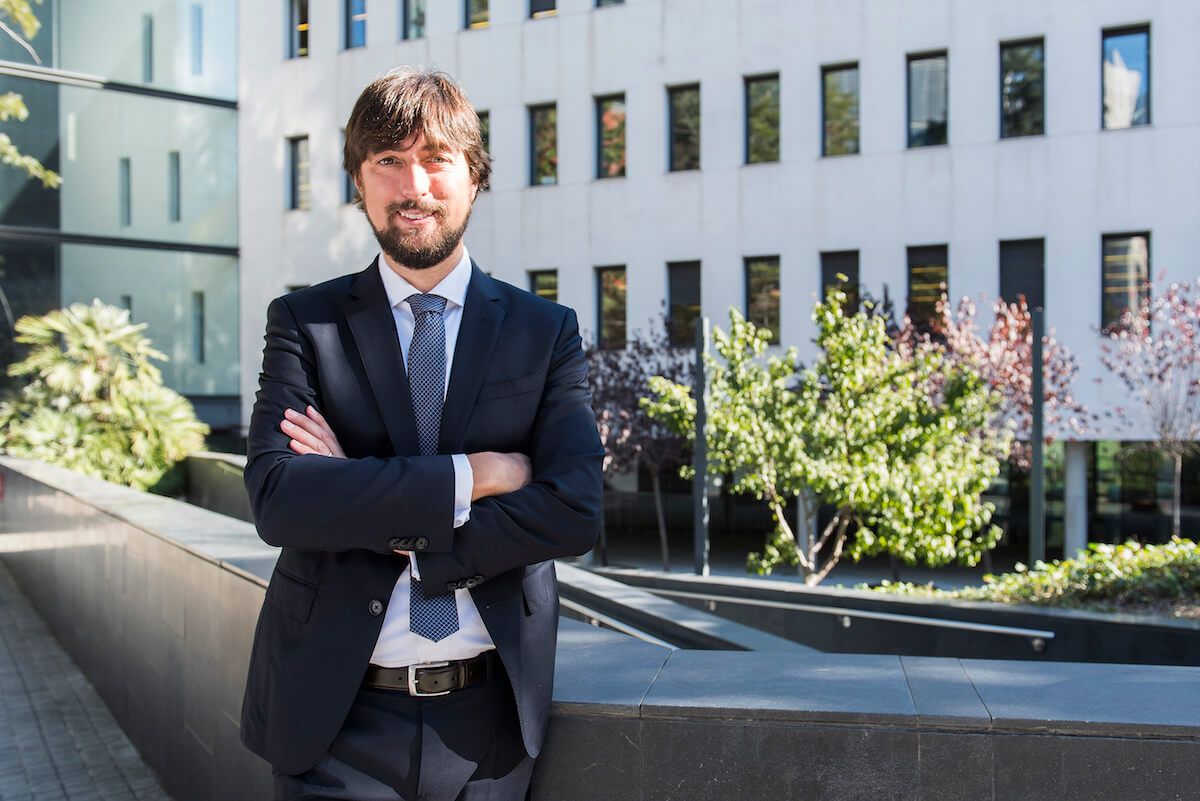
What also approached was the end of the working life of the founders of the different offices, so the succession had to be faced, not without tensions in any family business, even more so if there were originally three.The solution was brought by the French multinational Socotec, with a presence in 26 countries, a portfolio of 20,000 clients, and a staff of 12,000 professionals.The Paris-based group wanted to re-enter the Spanish market, after leaving it with the 2008 crisis. With the pandemic in between, the operation finally closed in early 2022, making Socotec the majority partner of the former BAC and establishing its headquarters for Spain in Barcelona. The CEO of Socotec in Spain, Guillem Baraut. A turnover of 30 millionIn this new stage, Socotec's Spanish subsidiary plans to take the lead within the group in the expansion towards the Middle East. But the company also wants to continue growing in its country of origin, where it already has offices in Madrid and Zaragoza, in addition to the Catalan capital.The company led by Baraut contemplates growing with more contracts or with the acquisition of other companies.In this second scenario, it would have to incorporate new quality control laboratories to those it currently has in Sant Just Desvern, Cubelles and Castellbisbal. The company invoiced 30 million euros in 2022 and expects to grow by 10% this year. Globally, the engineering group earned 1.2 billion euros last year.
Socotec's Spanish subsidiary plans to grow in its country of origin and also in the Middle East in the coming years
The Spanish subsidiary's workforce stands at 350 employees. Of these, 50 workers are in Colombia, where Socotec is present, with laboratories in Bogotá and Barranquilla. The forecast is to grow with up to 200 workers in Spain in the next five years. Beyond its territorial expansion, Socotecsees new pillars for continued growth in business areas such as digitalization, sustainability, and the circular economy. According to Baraut, one application is to start considering cities as large material banks, for which databases must be created that dump all information on the current state of infrastructures and equipment, as well as the resources used for their construction. The idea is that, when they are renovated, their materials, if they can be reused, are diverted to other actions, which will allow consuming fewer natural resources and generating less CO2 in the production of new materials. Socotec plans to hire up to 200 workers in Spain in the next five years.
Add The New Barcelona Post as your preferred Google source for free