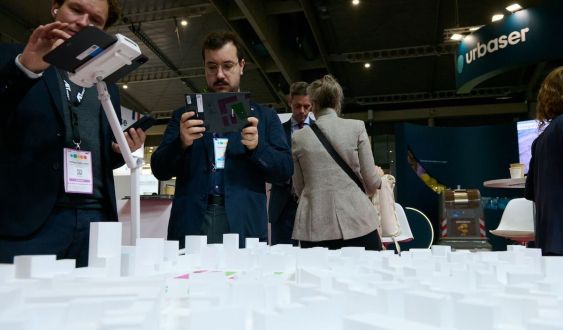
From mobility to urban lighting, passing through construction, the connection between people, the blue economy, and autonomous driving vehicles. All are areas that, crossed by artificial intelligence and the most cutting-edge technologies, are called to transform the cities of the present and the future. And they do so placed at the service of a common objective: directly or indirectly, all of them seek to improve the quality of life in more connected and sustainable cities.
This is clear from a new edition of the Smart City Expo World Congress, marked by AI and sustainability at the Gran Via venue of Fira de Barcelona. And it is that most solutions are not focused on generating richer, more competitive, or more futuristic cities, but rather are tools that end up impacting the well-being, comfort, and health of citizens. Some proposals do so with great solutions; others, with small innovations that, added together, build the smart cities called to be a driving force for change towards these sustainable and connected cities.
With a thousand exhibitors and presentations by 600 experts, the congress brings technology and the AI boom down to the daily reality of cities. In many cases, they do so going unnoticed by citizens, and without projecting all the technology behind each innovation, as in the case of CSIT and the tool it develops to capture data and offer real-time information on the trains of Ferrocarrils de la Generalitat de Catalunya (FGC). As Denis Poliquin from CSIT explains, the project, currently in a pilot phase on a single train, provides information on people flows and allows passengers to see the arrival time of other transports that connect with FGC, such as buses and metro. "Although it will take years, the idea is to extend it to all trains," Poliquin emphasizes.
Mobility is addressed at the congress from multiple areas, as Lyft Urban Solutions does a few meters away, with its shared bicycles. The company, in fact, used the same congress ten years ago to begin its landing in continental Europe, as explained by Gustavo Fernando Herrero from the company. "It's a congress that opens doors to new clients for us. Unlike other more industry-specific ones, this one brings us closer to other cities and offers a lot of room for networking." With a bonus: the company is based in L'Hospitalet de Llobregat, and takes advantage of the contacts it makes during the fair to showcase its facilities.
As in the case of Lyft and its bicycles, the mobility promoted at the fair is closely linked to sustainability. The Alicante-based Hydros Power is another example: it bets on hydrogen as an energy source for vehicles, with pre-charged battery swap stations, where users can replace their discharged battery with a full one.
This is explained by the project's promoters, in a pre-commercial phase, from one of the multiple stands framed within Tomorrow.Mobility, which takes place within the Smart City Expo as a showcase for innovative proposals. In parallel, the congress also hosts Tomorrow.Building and Tomorrow.Blue Economy, with initiatives such as the London-based Blusink, the Circular Port platform, the beach cleaning and plastic management company Universal Plastic, and the Catalan alternative protein startup Poseidona. The company focuses on the use of algae, as does Greenin, though in a very different way: the Terrassa-based company has developed outdoor advertising supports and urban elements that, through microalgae, purify the air with the same capacity as three adult trees.
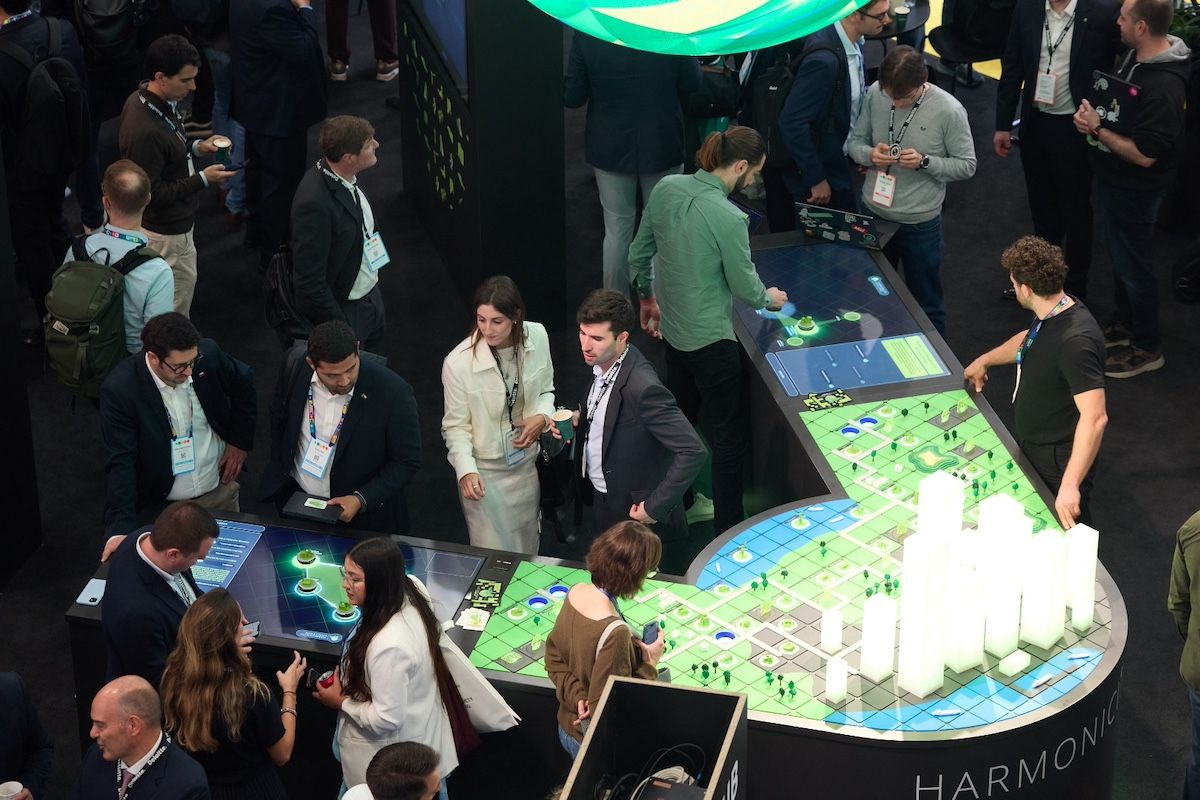
A few stands away, solutions focused on cities mix with disruptive innovations at the Barcelona Deep Tech Summit, organized by Barcelona Activa, with startups like BrainFocus. As explained by Tatiana Ardissone from the company, the company has developed software that allows for refining surgery for people with drug-resistant epilepsy, and attends the congress to get closer to other deep tech initiatives and "explore collaborations."
But at the congress, not only collaborations and synergies are explored, but business will also be done, as in the case of Biznelp, which helps Latin American companies land in Europe, and vice versa, as detailed by Kamila Guanotasig. "We seek to meet companies that have a project in the countries where we are present, and collaborate in the financial, administrative and human resources part," she summarizes.
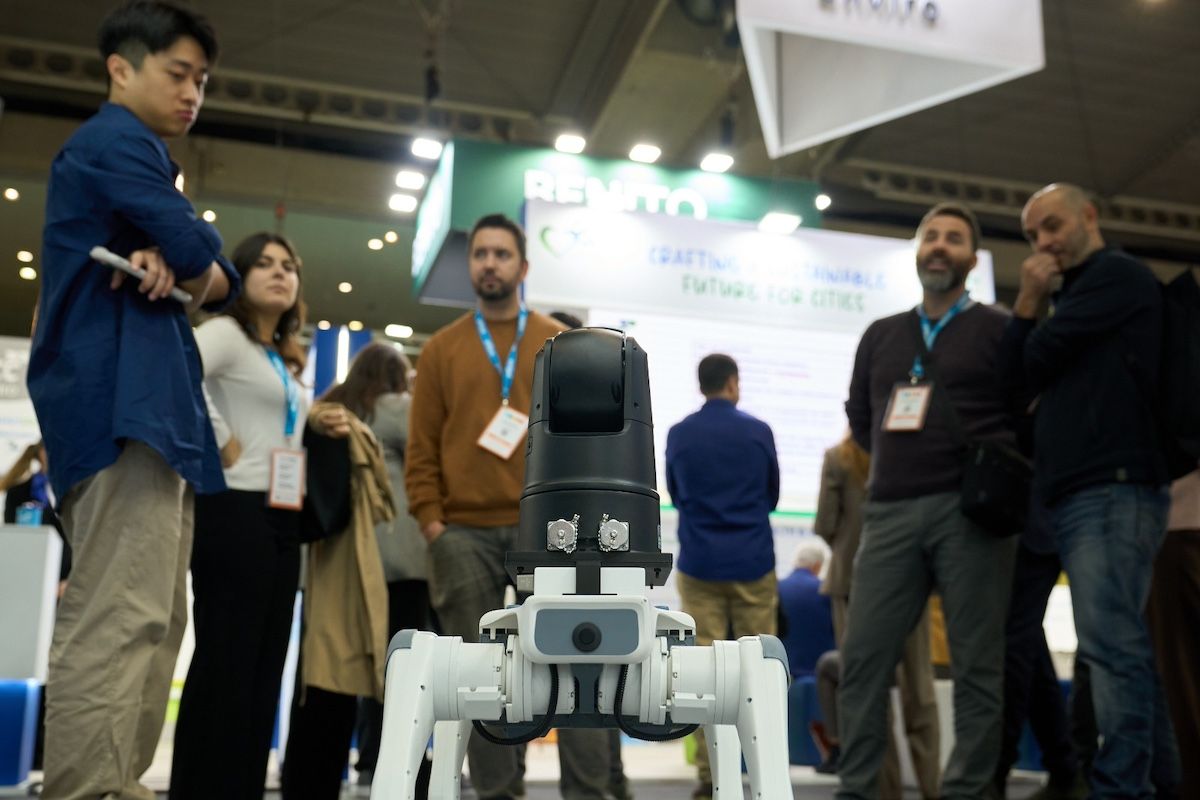
And while some seek contacts and clients —be they companies or cities—, others seek investors, like Andre Wang from London-based Moonbility, focused on mobility management, with a platform capable of predicting the effects of incidents, works or changes in the urban fabric using, of course, artificial intelligence, common in most proposals exhibited at a congress where solutions are intertwined with cities and regions from all over the world.
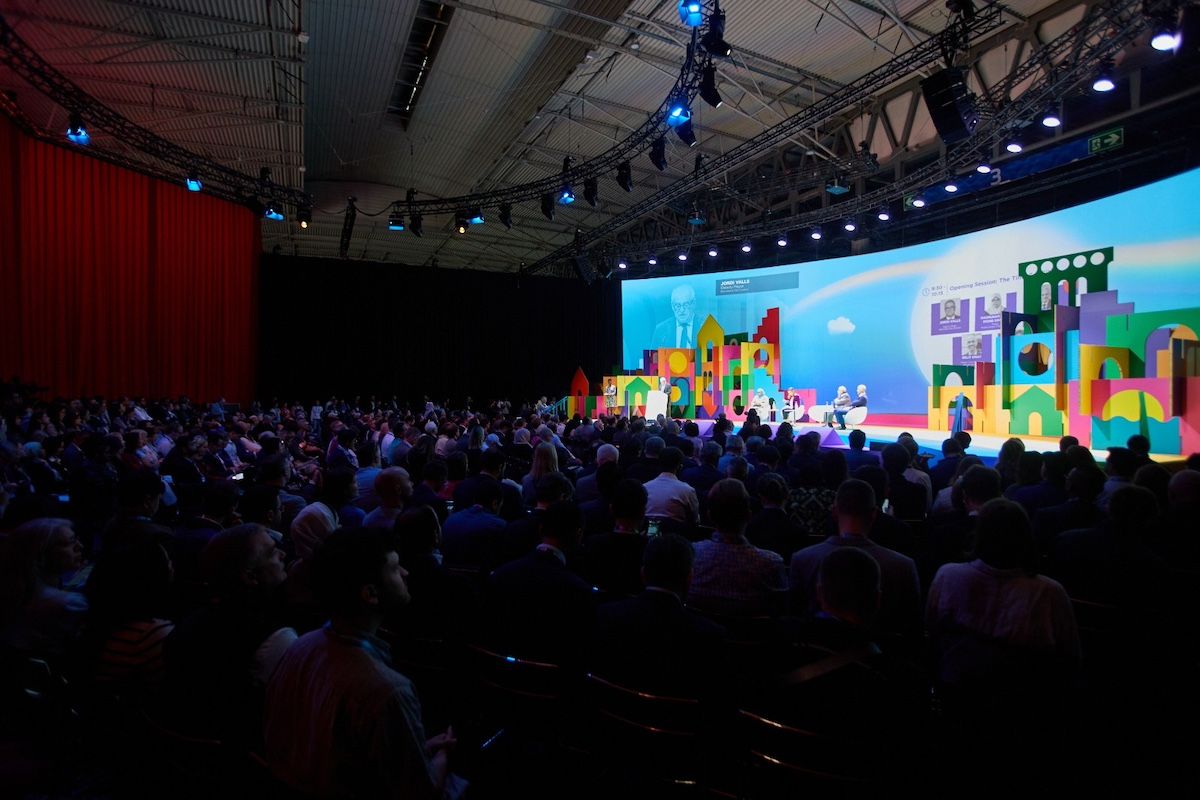
However, not all solutions have to be technological, as highlighted by Camila Jordan from Teto, a speaker and also a TEDx speaker. From Teto —techo in Portuguese, meaning roof—, they work in informal settlements improving the quality of housing, building emergency homes with the community. They do this by working hand in hand with young people, and building homes in two days, in a model designed to withstand phenomena caused by climate change. "Housing is the first line of defense against climate change. It is urgent that housing be prioritized," Jordan concludes. All, again, around the same objective: to move towards cities that offer a higher quality of life to their citizens from more sustainable and connected models.
Add The New Barcelona Post as your preferred Google source for free
Stay informed with the latest news.
