The needs for transformation and change in food consumption habits have contributed to the discipline of food design gradually gaining ground and showing its potential. When design is put at the service of food through strategies and methodologies, products, services, and experiences are created that go beyond their function to provide nutritional, social, and cultural benefits.
The concept, originating in 2002, has been developing under a creative and interdisciplinary thinking with an eye on needs and the future. Within the framework of the current edition of the Barcelona Design Week (BDW), food design gains ground with the aim of emphasizing its value as well as its objective to improve our lifestyle and the reality that surrounds us. Thus, from June 7 to 14, Food Design Week fills the city with food design with experiences, special menus, workshops, and activities that delve into the innovation of the act of eating with an environmental background.
Among the proposals organized these days, six themed routes stand out, showing how food design provides an experiential value to restaurants and gastronomic spaces while proposing problem-solving with surprising ideas.
"We want to bring food design closer to citizens in an organic and natural way. Through everyday actions like eating an ice cream or going to a restaurant. The idea is for citizens to encounter various food design proposals and thus get to know and experience it," comments Anna Achon, head of the food design program at Barcelona Centre de Disseny and BDW. The result is a confluence between professionals in the field of food design and gastronomic establishments in the city that outline six routes worth savoring.
Circular experiences
Focused on waste reduction, the Zero Waste route invites you to visit four ice cream parlors and taste some of their innovative and organic artisanal proposals accompanied by biodegradable and edible spoons created by the start-up Voilà. "We seek to change the concept of use and throw away to use and eat in order not to generate waste and improve the consumer experience," points out Laura Gispert, from Voilà. "The use of edible cutlery is a clear example of how food design contributes to generating new habits. Leaving behind disposables, and through food design achieving a 360º circular experience," adds Gispert.
Bodevici, De la Crem, Natas and Paral.lelo are the establishments chosen for this route of refreshing flavor and sustainable essence.
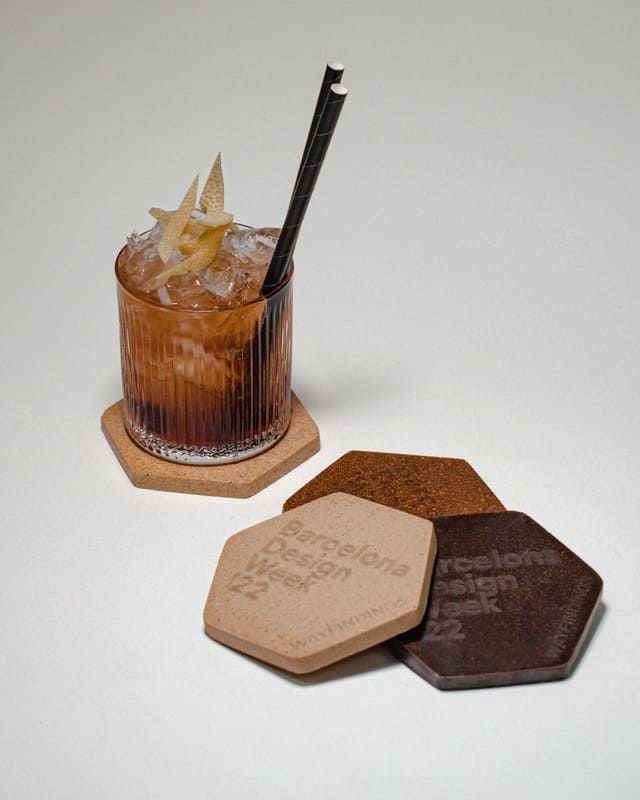
The cocktail bars Ataronioxa Rones, Kyoudai33, Paradiso, Sips and Somnia join the Food Design Week with the Shaking Minds route where, in addition to "shaking their minds" with the creation of a special cocktail, they serve it on a coaster made from food waste, a work by the start-up Makeat. "In the studio we always say Waste is a lack of creativity and we practice sustainability by seeing waste as the new raw material," comments Juan Umbert, from Makeat.
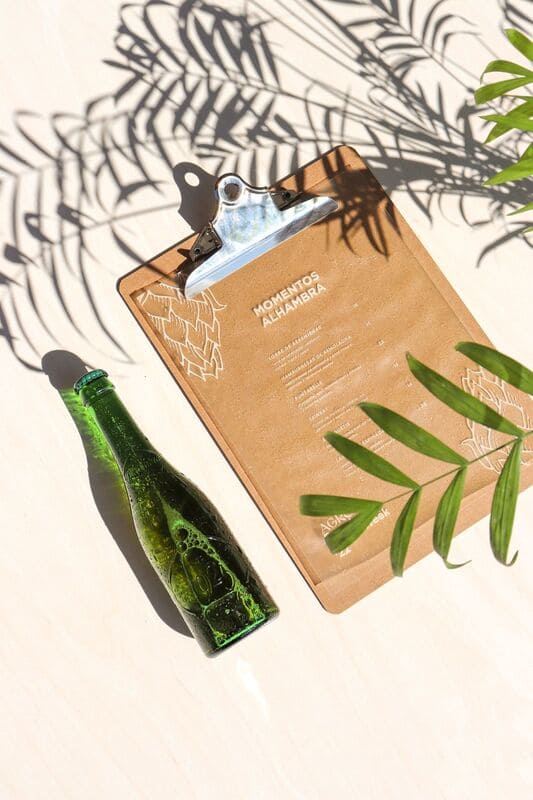
In a calm and relaxed way is how you are invited to enjoy the Sin Prisas by Cervezas Alhambra route in which gastronomic spaces such as Söphie, Museo del Chocolate and 4 latas reveal a selection of tapas designed to pair with Cervezas Alhambra. Because all details matter, the menu prepared for this occasion has been made with biomaterial recovered from organic waste. The proposal, a work by the start up AGRO Bioametrials, aims to "recycle the waste from the restaurants themselves to close the circle," as explained by Berta Daina from AGRO Bioametrials.
"It is possible that in the future we will find restaurants that value more the fact of selling a gastronomic experience rather than a gastronomic menu. And this is where food design has a lot to do, providing experiences where the diner discovers new flavors, sensations and even knowledge. As well as a sustainable and ecological revolution within the world of packaging, where factors typical of restoration such as Km0, waste minimization and subsequent recycling will be taken into account," explains Daina.
Sensory experiences
Throughout the week, in addition, different restaurants and gastronomic spaces in Barcelona suggest a set of activities around the so-called Design The Restaurant Experience route. A wine tasting with design elements, talks, tapas and special menus, help to delve into the area of design that works with food. The route includes places such as Espai Puntual, Hidden Factory Barcelona, La Vinoteca Torres, Santa Cafeïna and Sopa.
In the latter, Alexa Trilla from Archicookture creates an edible sweet garden to give value and remember the magic of green spaces. "Food design consists of giving value to the product, playing with the senses and generating new experiences, points of view… why not enjoy it always? We should know how to value the good things that the planet gives us, enjoy the ingredients and have fun with the process!", explains the designer.
For its part, the ComoComo studio, responsible for Inter-nace, an experience of interaction, interconnection and interdependence around the table, delves into gastronomic experiences as spaces for dialogue and interaction. "I love to think that when designing a product (or service) we are designing user behavior. It is no longer so much about what we design (the what), as the way it will work (the how) and the final purpose (the why). We design behaviors and values," explains food artist Nicole Vindel, from ComoComo.
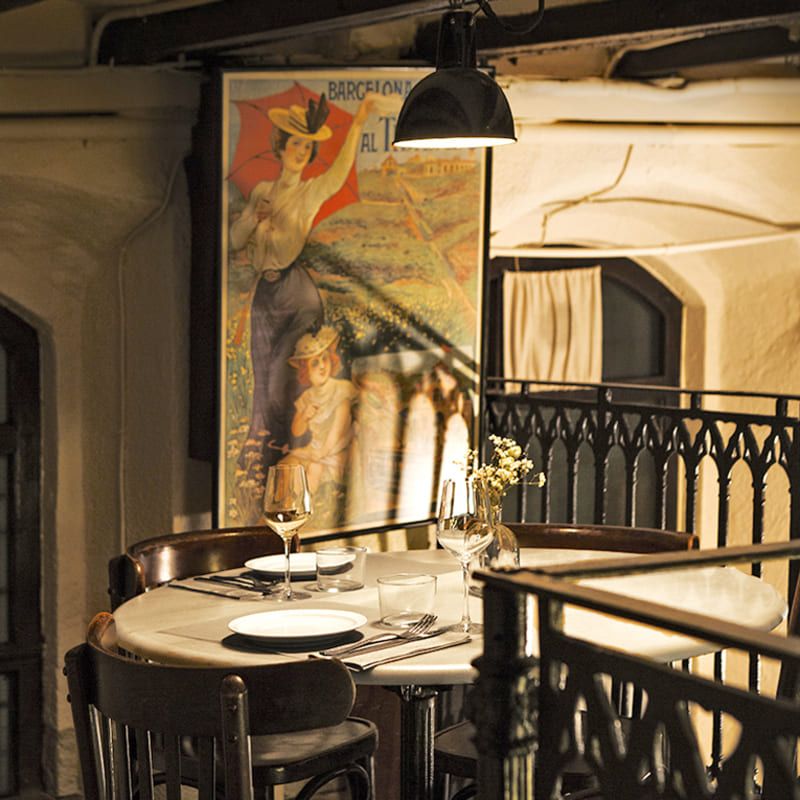
The most nostalgic point of the Food Design Week is the Emblematic route, a tour carried out in collaboration with the Elisava and IED design schools, which highlights iconic bars and restaurants in Barcelona. All those who visit these establishments will be able to enjoy a final exhibition that will show the design elements that make them unique and special. Among those chosen are Centric Bar, Casa Rafols, Grill Room and Pla de la Garsa.
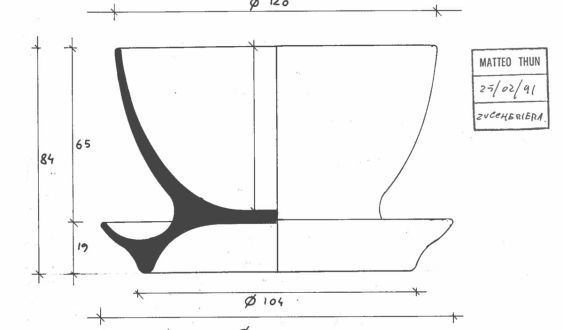
And, finally, for design and caffeine enthusiasts, the Coffee and Design route is the best excuse to enjoy an illy espresso coffee all week long with the iconic cup designed by Matteo Thun in 1991. Since its creation, this cup has served as a blank canvas for hundreds of renowned artists and designers to let their artistic creativity flow. "Over the years, one of the most complete collections in the world of contemporary art has been created and made accessible to everyone, through an everyday object such as a coffee cup," explains Michele Maneo, illycaffè marketing manager.
For this route, six coffee shops in Barcelona (Cafeteria Sauleda Disseny Hub, Cafeteria de l'Auditori, Pastisseria Ochiai, Fassano Caffé, Petit Bar, Restaurant Santa Maria del Mar) invite you to taste it and, incidentally, let yourself be enveloped by the fusion between a design benchmark and the art of good coffee in a desire for "differentiation and a memorable consumption experience," as Maneo points out.
This edition of Food Design Week kicks off this Tuesday and for seven days will be a meeting point for reflection, innovation, and experimentation around food. And all of this between bites and sips full of creativity and background. Enjoy your meal.
Add The New Barcelona Post as your preferred Google source for free
Stay informed with the latest news.