
On Selva de Mar street, in the heart of the 22@ district, is the headquarters of Semillas Fitó, a family business founded in 1880 that is the leader in the Spanish market in the production of seeds for the production of tomatoes, melons, eggplants, peppers, watermelons, cucumbers, and zucchini. Long before industrial warehouses and, later, ultra-modern offices for technology companies, Poblenou had agricultural farms, like that of the Fitó family, who cultivated crops and sold seeds to the farmers of Sant Martí de Provençals on the current Selva de Mar street, in addition to running a shop located in the old Born market.
That small business started in the late 19th century by Ramon Fitó has today become a group with a presence in 70 countries and which in 2022, for the first time in its history, managed to reach a turnover of one hundred million euros. Specifically, the fiscal year closed with sales of 103 million, a figure that represents an 11% growth compared to 2021, according to Xavier Fitó, one of the three members of the fifth generation who are part of the company's management committee, which also includes three external executives. "At Fitó, we don't have a general director; the six people who are part of this management body meet every Friday to make decisions," explains Fitó, director of the group's Horticultural products division.
The company expects to grow another 10% this year and has set itself the challenge of reaching 140 million euros by 2026, which will represent a 55% increase compared to the 90 million invoiced in 2021, when the current growth plan was launched. The increase in sales last year has been influenced by the increase in seed production costs — they have increased between 30% and 100% in two years — which has forced prices to rise.
According to Fitó, the two main growth drivers of the group are "strong investment in R&D, equivalent to 20% of turnover" and aimed at launching new seeds on the market that adapt to the needs of farmers and consumers, and international expansion, which already generates 70% of revenues. "When the fifth generation joined the company in 1992, 100% of sales were in Spain," Fitó points out to explain the significant development experienced in the foreign market starting in 2000.
The seeds produced by Fitó are currently exported to 70 countries, mainly in the Mediterranean arc and Latin America, although they also have a subsidiary in Bangalore (India). In the ten most strategic countries, the company has a direct presence with its own subsidiary, and in another group of ten markets, it operates through importers, but also through the presence of its own employees in the country. In total, the Barcelona-based company has 800 employees.
How has a small Catalan family business managed to carve out a niche in a sector dominated by large multinationals such as Basf, Bayer, or Syngenta? The key has been specialization and the development of high value-added products that have allowed them to differentiate themselves from the competition thanks to the effort they have dedicated to R&D.
Thus, Fitó has focused on becoming strong in seeds for the horticultural sector, being an absolute reference for tomato and melon producers. "We are leaders in Spain and one of the ten largest global producers of seeds for garden products; our calling card in the world has been to offer the competitive varieties we have developed, for example, for farmers in Almería, and to go to climatologically similar markets to replicate the success we have achieved here," highlights the executive. The challenge is to continue boosting the growth of international sales until they generate 80% of the total, which is why the opening of a new subsidiary in the Middle East is already being planned.

The family group obtains 65% of its turnover with eight products: tomato, pepper, eggplant, melon, watermelon, zucchini, cucumber, and beans. The other 35% of the business is distributed in corn seeds and, especially, grass for golf and soccer fields, another of its strong points. In this sense, Fitó has chosen not to operate in the soybean or cereal market, two of the main segments of the seed industry; nor is it a player in lettuces or carrots and other leafy or root vegetables. "You can't shoot at everything," says Xavier Fitó, who adds that the group does not work with commodities, but exclusively with varieties "with differential characteristics" that are what allow them to be competitive. "Farmers don't buy from us for price, but for what we provide them in terms of quality, productivity, and resilience," he states. Except for corn, 100% of the seeds it markets are not transgenic.
"Farmers don't buy from us for price, but for what we provide them in terms of quality, productivity, and resilience""Our purpose as a company is to contribute, from the seed, sustainable wealth for the entire food chain through a motivated team highly committed to the sector", underlines the executive, after pointing out that Semillas Fitó launches around 30 new varieties worldwide each year. Behind each launch there is a prior work of up to twelve years, of which between eight and ten years correspond to the research phase that the group carries out inten R&D centers located in Cabrera de Mar (Barcelona), Lleida, Don Benito (Badajoz), Almería, Italy, Turkey, Mexico, India, Switzerland and Florida (USA). The Cabrera de Mar complex, recently expanded, also houses an advancedbiotechnology laboratoryspecialized in cell biology, phytopathology, and genomics.
"We create varieties of each product adapted to the agricultural characteristics of each country," says Fitó, adding that thanks to genetics they can develop seeds more resistant to diseases (which reduces the use of phytosanitary products), to water stress and increased temperatures (adapting crops to climate change), and that allow obtaining longer-lasting fruits (which contributes to reducing food waste) and more flavorful ones, which promotes healthy eating.
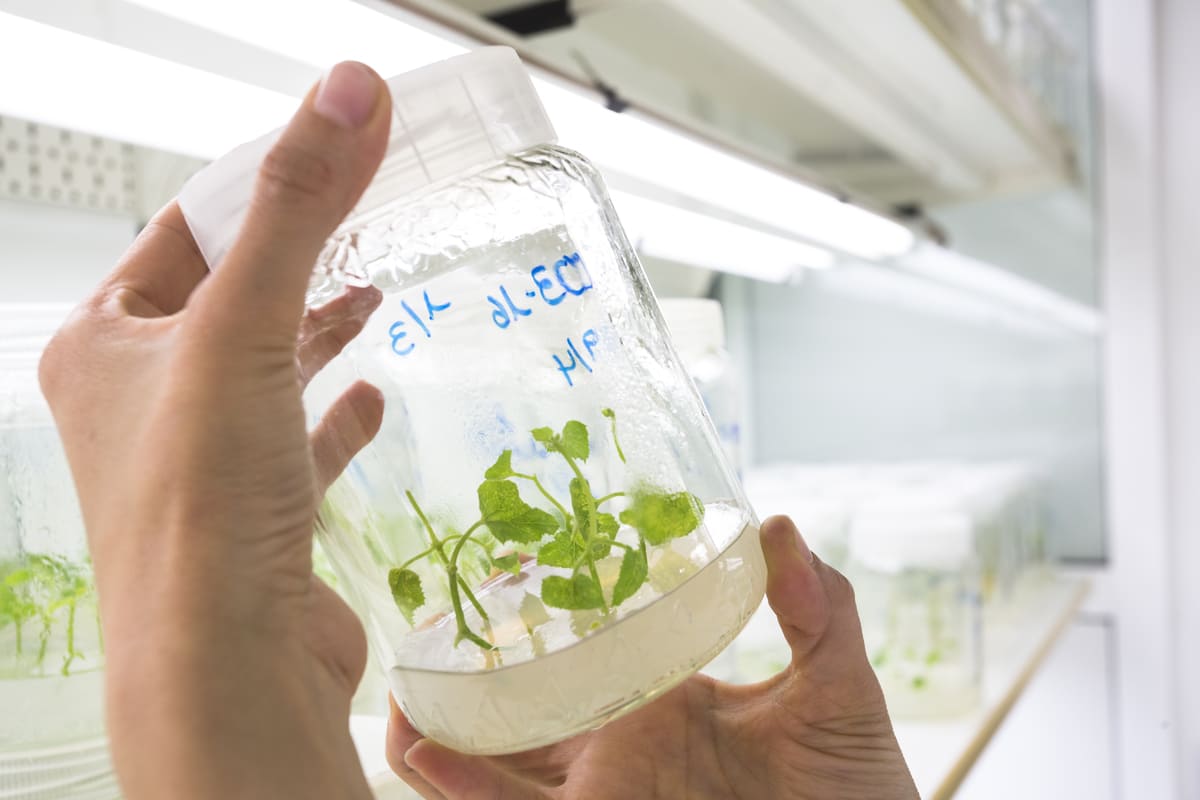
The Catalan group markets up to 500 varieties of seeds, with an annual production of 1,000 million horticultural seeds obtained from farms located in Premià de Mar and Llavaneres, in Maresme, and in Chile, a country where they bought two local companies. Before being commercialized, the seeds undergo a quality control and packaging process in two centers located in Barcelona and Barbens (Lleida), a municipality where the group's logistics center is also located, covering an area of 26,000 square meters.
Commitment to developing differential varieties
The permanent commitment to R&D and the development of differential varieties has led Fitó to have its own brands recognized by the end consumer in the market, such as the Monterosa tomato, one of its greatest commercial successes and winner of multiple awards for its taste qualities. Other brands include the Waikiki melon, the CRü zucchini, and the Wabi-Sabi tomato. Xavier Fitó admits that for many years the sector prioritized production and forgot about flavor, which is why all efforts are now focused on launching varieties that prioritize this aspect. "Much has improved," he points out.
The company is also attentive to other major trends in the food sector, such as the rise of plant protein. In this regard, their bet is on broad beans, a product in which they are leaders. "We want to introduce the use of broad bean flour, a product that we can grow locally, for the production of plant-based foods," says Fitó, whose company is working on the development of broad bean varieties with higher protein content.
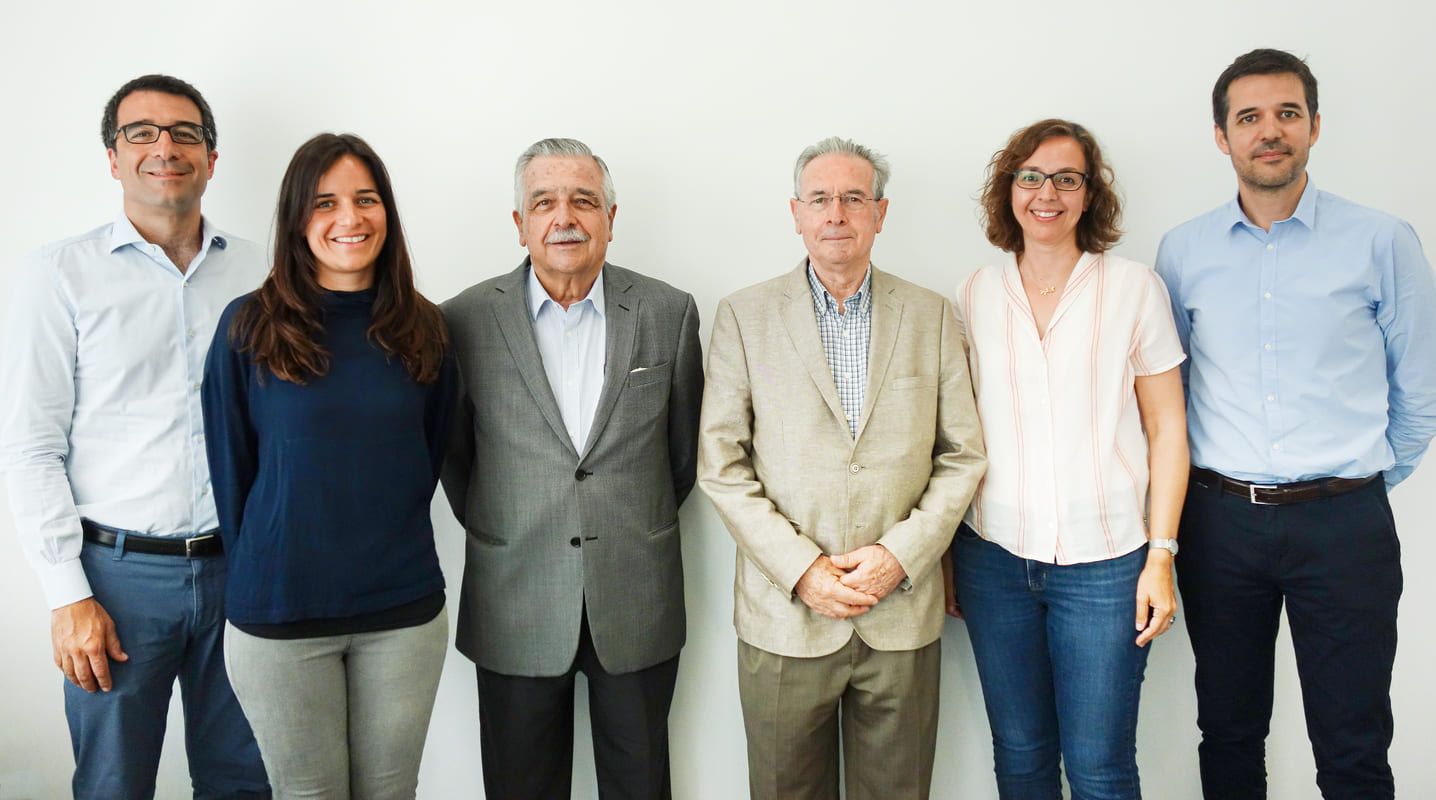
100% of Semillas Fitó's capital is in the hands of two branches of the owning family who, for now, are not considering bringing in partners to the group, which is self-financed. "We have never wanted to sell the company, we have no interest in doing so," he responds to the question about a possible corporate operation in this regard.
Finally, Xavier Fitó is promoting a public-private collaboration project aimed at ensuring that an excellent university degree in Engineering for the Food Industry is launched in Catalonia. In alliance with other entrepreneurs in the sector, there are already conversations with two Catalan universities for the creation of a degree "that would be a leader in Europe." "How can it be that in Catalonia, where the food sector has such an important weight, we do not have a university degree with these characteristics?" asks Fitó, who warns that companies find it difficult to find "properly trained talent," since current agronomy degrees are not enough.
Add The New Barcelona Post as your preferred Google source for free
Stay informed with the latest news.
