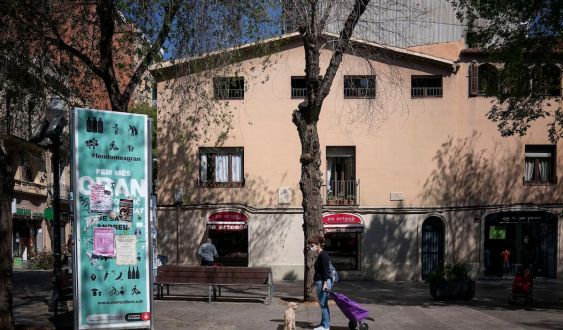
For years there has been talk of Urban Economic Promotion Areas (APEU) and two commercial areas of Barcelona are preparing to promote them, once the law establishing their bases has been approved in Parliament. Behind the term APEU, a new model of public-private collaboration is hidden, whose objective is to promote and economically dynamize an area.
This can translate into very different actions carried out by the APEU, such as boosting the tourist or commercial activity of the area, organizing events, attracting investments, and reducing the number of empty premises. But improvements can also be introduced in cleaning, signage, decoration, and lighting, or reinforcements in the security of public spaces and establishments, always without invading the competencies of the local administration, but complementing them.
Sant Andreu and El Born, with completely different commercial models, are the two axes of the Catalan capital that have the most advanced preparations to become an APEU, after having carried out a pilot test in 2017. Both are now updating the work done a few years ago, which defined the basic lines of what could be the functions to be developed by the APEU. Basically, now it is necessary to add the impact that the pandemic may have had on their commercial activity, especially in El Born, where the closure of businesses exceeds 30%, according to the president of the Born Comerç association, Juan Carlos Arriaga.
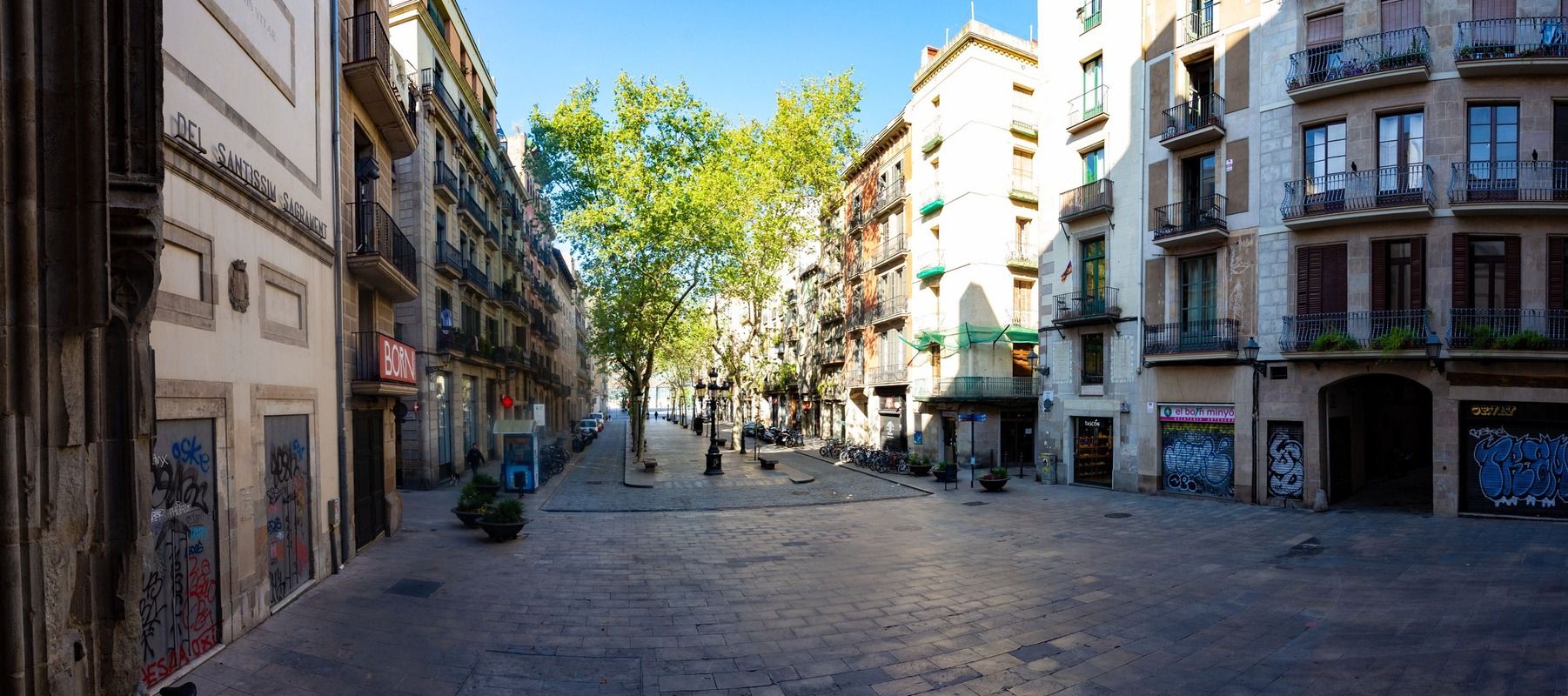
The Born APEU could serve, precisely, to find new activities for the premises that have been left empty, extremely dependent on tourism. Arriaga believes that this new instrument arrives "at the most opportune moment", when it is necessary to rethink the economic model of the area and focus it towards a more sustainable one integrated with the neighbors. It also seeks to promote the talent of its designers, artisans, gourmet shops, and restaurants. In a first phase, this APEU would include Via Laietana, Paseo Picasso, Marques Argentera avenue, and Princesa street.
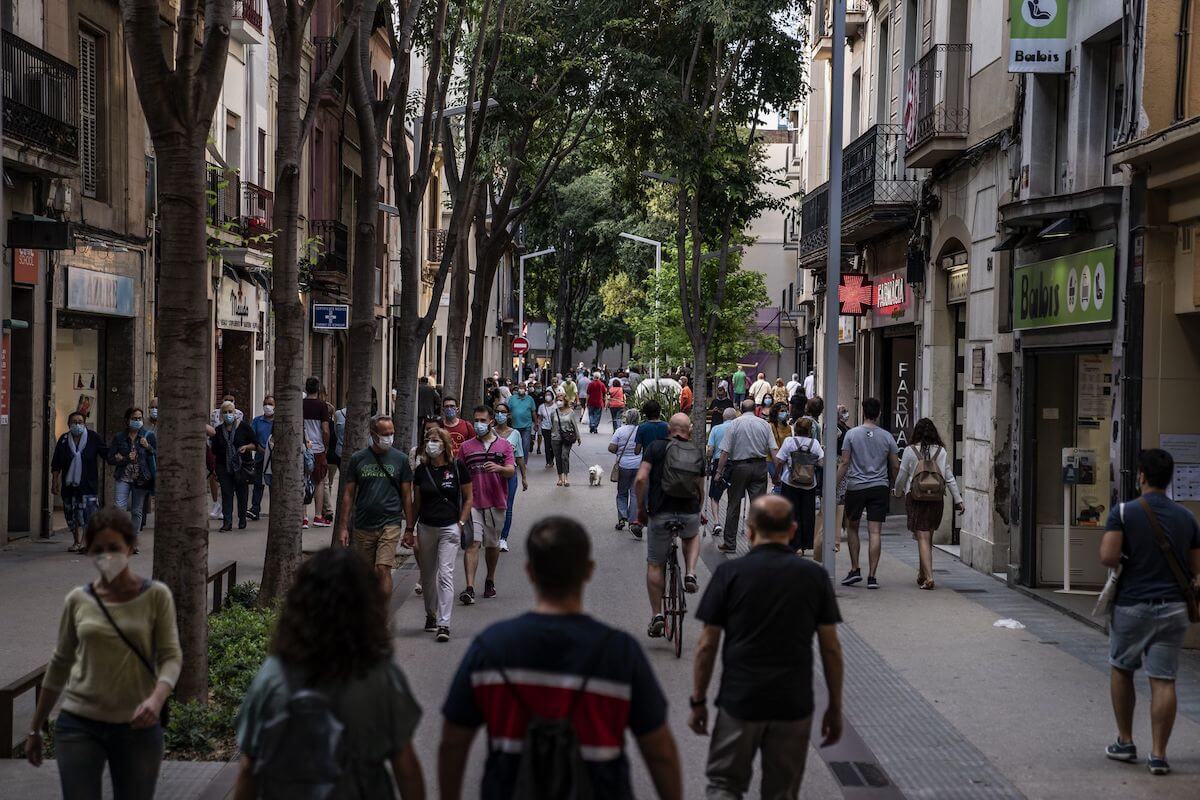
In the case of Sant Andreu, the aim is to boost local commerce on Calle Gran de Sant Andreu and Fabra i Puig, which is very varied but strong in food offerings, says the president of the Sant Andreu commercial hub, Pròsper Puig. The key protagonists of this APEU will be the residents, its main public, for whom the purchasing process is to be made as easy as possible.
The creation of an APEU is a long process and there is still a long way to go before they start operating. Both Arriaga and Puig estimate that these APEUs could start operating by the end of 2022, if they find the necessary consensus among local merchants and obtain approval from the City Council. One of the hurdles to overcome will be defining the mandatory fee that all businesses integrating it must pay. Arriaga and Puig believe it should be around the figure currently paid in commercial hubs, about 300 euros per year, to achieve maximum possible support.
Municipal regulations will be ready this 2021
In parallel to the work being done in Sant Andreu and El Born, the Barcelona City Council is also preparing to facilitate the creation of APEUs once the commercial hubs propose their projects. On the one hand, the council has a budget of up to 300,000 euros to help initiatives that may arise in the city.
On the other hand, it is defining the regulations that must allow their operation in the city, which the Councilor for Commerce, Montserrat Ballarín, expects to have ready this year. The rules to be approved refer to the ordinances that will regulate the management of the fees that APEU members must pay and the procedures that the council will have to carry out, as well as the regulation that determines how the Catalan law can be complemented taking into account Barcelona's specificities.
The council has a budget of up to 300,000 euros to help this type of initiatives that may arise in the cityFor the councilor, this new public-private collaboration tool must allow boosting the existing commercial model in Barcelona, present in all its neighborhoods, and promoting local shopping close to where one lives. Likewise,Ballarín defends that it is very important to do very well the preliminary work that is being done now, both from the city council and from the commercial axes, to ensure that the APEUs that end up being promoted are a success"If the first APEU we do is a failure, it will be a frustration. We cannot allow ourselves that," he remarks.
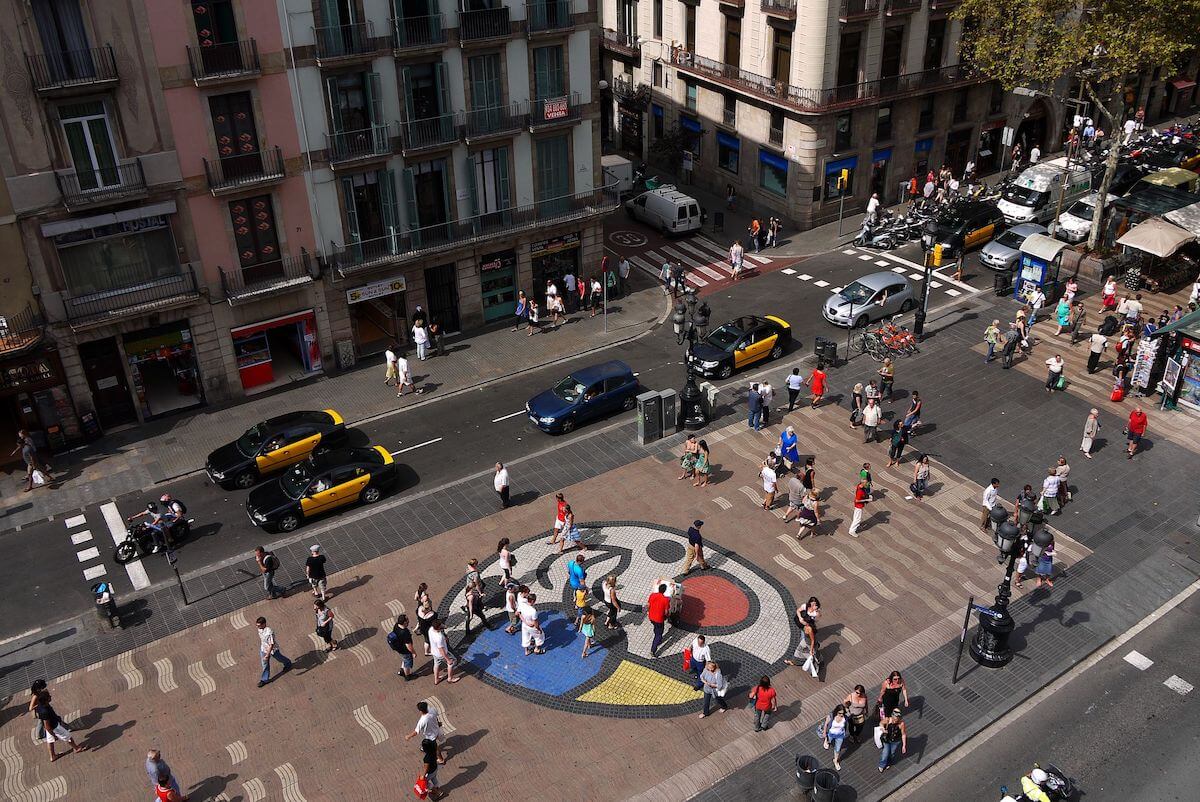
In fact, beyond Born and Sant Andreu, other commercial areas of the Catalan capital are also considering promoting an APEU, and the result of the first ones to be carried out could end up encouraging or discouraging them. Creu Coberta, Paseo de Gràcia, la Rambla or Rocafort street, from Consell de Cent to the Ninot Market, would be some of these.
Beyond Barcelona
The General Director of Commerce of the Generalitat, Muntsa Vilalta, points out that APEUs have also captured the attention of other municipalities in Catalonia. Berga, Olot, Palafrugell, Reus, Salou, Sant Sadurní, Vilanova i la Geltrú, Calella de la Costa, Castell-Platja d'Aro, S'Agaró, Figueres, Girona, Granollers, Terrassa, Mataró, Sant Cugat and Vic are other localities that have expressed their interest in constituting one of these economic promotion areas to the Department of Business.
Since the approval of the law at the end of December, the Department of Business has been focusing on explaining what this new tool consists of and meeting with the municipalities that are considering it. The APEU office has been launched, where information is provided and doubts are resolved. Likewise, the Generalitat plans to open a line of aid to promote this type of project, which is still being defined.
Add The New Barcelona Post as your preferred Google source for free
Stay informed with the latest news.
