1- Foix de Sarrià, sweet temptations
This centenary pastry shop, founded in 1886 by master pastry chef Josep Foix Ribera and his wife Paulina Mas Rubinat, is a true institution in the city and more specifically in the Sarrià neighborhood that gives it its name. Crossing its glass door is like traveling back in time and entering a sensory experience capable of captivating and generating great dilemmas of choice even for those with the least sweet tooth. Its oak display cases, furniture, and ceiling evoke the past and a tradition that remains alive today from its workshop, where a wide selection of cakes and sweets are made in an artisanal and creative way from high-quality natural ingredients. The result is a complete range of proposals made manually and with great attention to detail, ranging from the most classic – special mention to its cream nougat – to the most original and innovative, and even some patented star creation such as Les Petxines de Sarrià.- Foix de Sarrià: Major de Sarrià, 57 - Plaça de Sarrià, 12-13
2- Relligats Olivé, the art of bookbinding
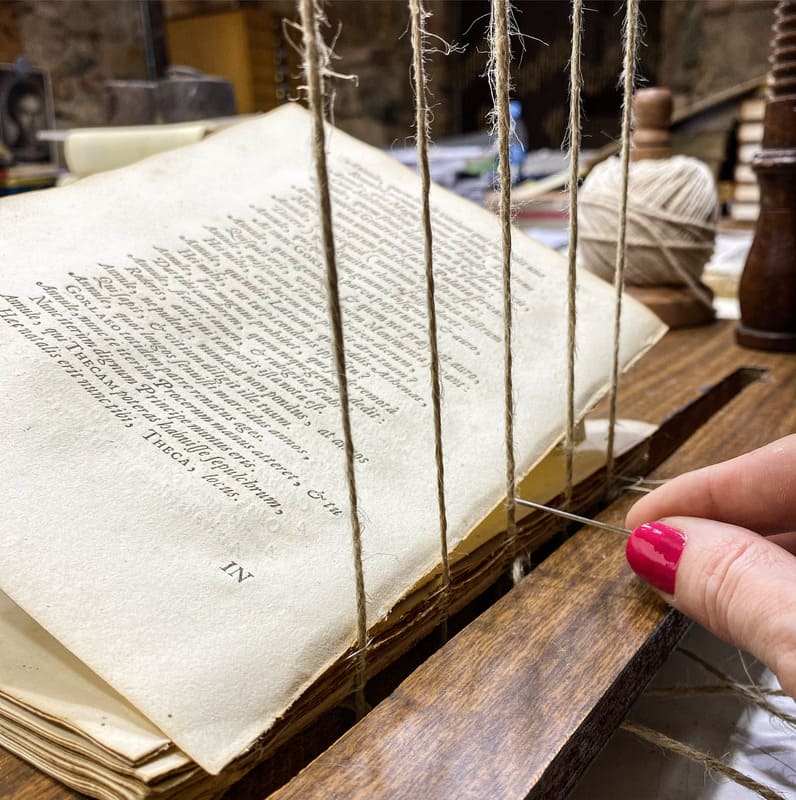
This family tradition business started in 1945 as a workshop in the Gràcia neighborhood, and over the years it has been cultivated with the charm that surrounds antiquity and certain airs of nostalgia. Along with the bookbinding craft, Relligats Olivé expanded the business in 2013 with a store where self-made creations are commercialized. "The artisanal craft begins first with the personal attention of whoever comes to bring us an order or to buy some handmade, exquisite and select product," comments Geòrgia Olivé. The workshop combines ancient and laborious techniques with others adapted to our times of immediacy, but "our profession is characterized by patience and perseverance and by the ability to evoke all our esteem for paper, books and everything that surrounds them," adds Olivé.- Relligats Olivé: Berga, 13
3- Hachazuela, wood artisans
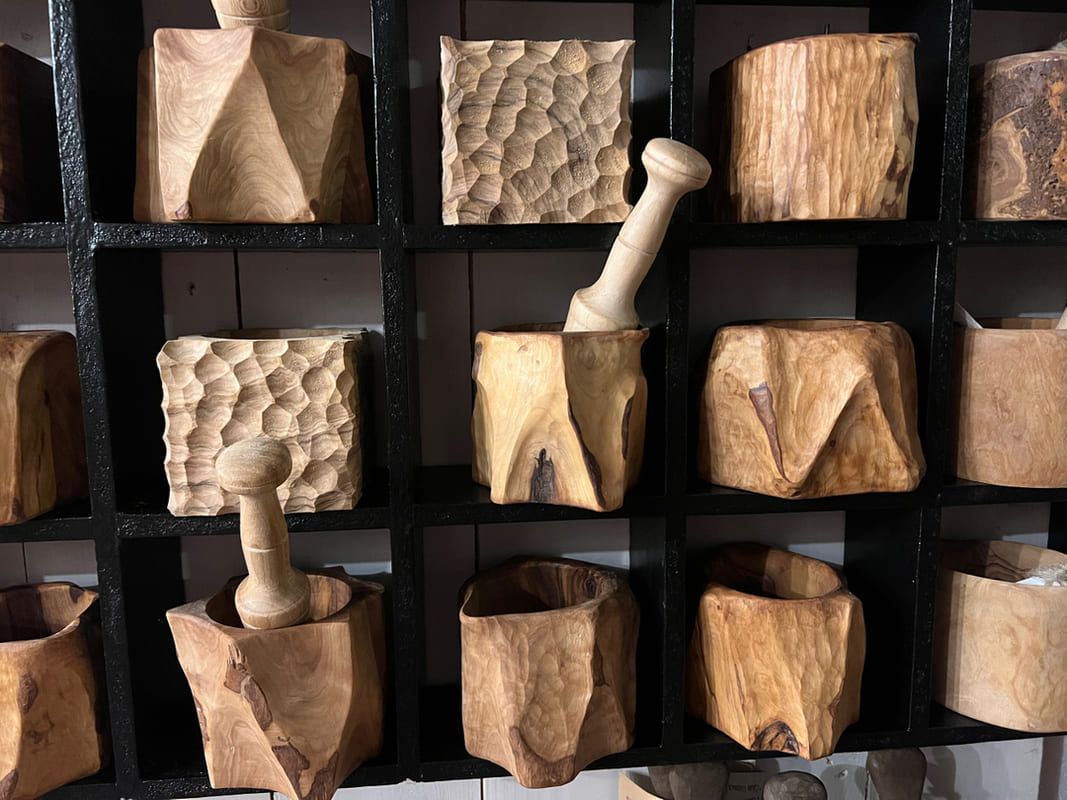
Olive wood and alabaster are the starting point for each new creation from this workshop that, from the Gracia neighborhood, crafts artisan objects for daily use. Furniture, tableware, lighting, and all kinds of decorative objects are created through traditional methods, with simple hand tools and sustainable forest wood that, given its uniqueness, makes each piece unique and exclusive. Based on the motto "to be universal you must be local," the hands of sculptor Javier Úbeda work each object with love and patience, giving them a genuine character that goes beyond the purely functional, in a clear commitment to the natural, the artisanal, for pieces with identity and character. From Hachazuela they point out that "craftsmanship must be valued so as not to leave our origins behind."-
Hachazuela: Astúries, 31
4- Cortana, garments with love for nature
The simple, serene elegance with Mediterranean reminiscences characterizes the designs of this fashion brand, whose ethereal creations convey absolute purity. Based on the strokes of its designer, Rosa Esteve, the creations are sustainably made in small workshops with high-quality natural materials. With a neutral color palette, inspired by Mallorca, the designer's homeland, each piece is made by artisan hands that materialize the art of dressing with timeless designs, full of sensitivity in their conception and crafted with delicacy. Pioneer ofslow fashion, offers a palette of unique colors and prints in high-quality natural fabrics that are applied to each piece, resulting in haute couture collections based on a delicate, powerful, and very feminine style.- Cortana: Carrer Provença, 290
5- Entre Rajoles, the craft of ceramics
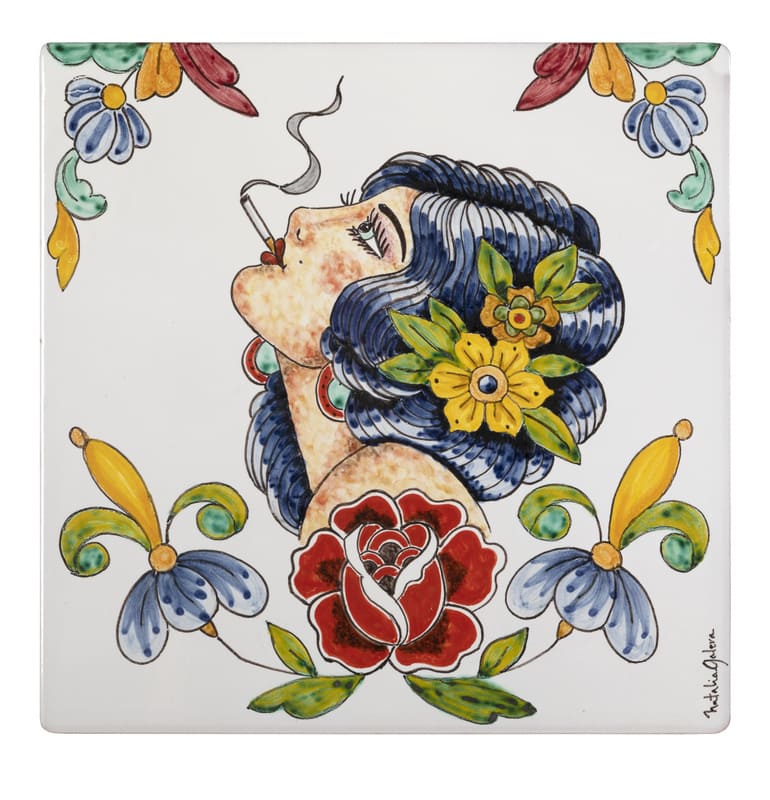
From the "interactive display" of her shop-workshop, in the Sagrera neighborhood, artisan Natalia Galera creates her ceramic pieces in full view of passersby. Her designs with majolica ceramics revive a 13th-century craft, barely existing and difficult to reproduce. After working in a workshop for 17 years, where she learned the craft from scratch, she started Entre Rajoles, a personal project to showcase and spread this traditional and laborious technique and try to revive interest in tile culture. And she does so with recreations of pieces from the 15th to the 19th century that she can find and study in museums or on the streets of Barcelona. Recently, she has also implemented the majolica technique with modern designs (inspired by Old School tattoos, retro comics, or revolutionary themes) that bring the craft closer to the 21st century. "Without this 13th-century craft, there would have been no evolution of ceramics. I am working from the starting point and from there I recreate," says Galera about the need to maintain tradition and original artisanal work.- Entre Rajoles: Montlau, 49
6- ABHA, the contemporaneity of macramé
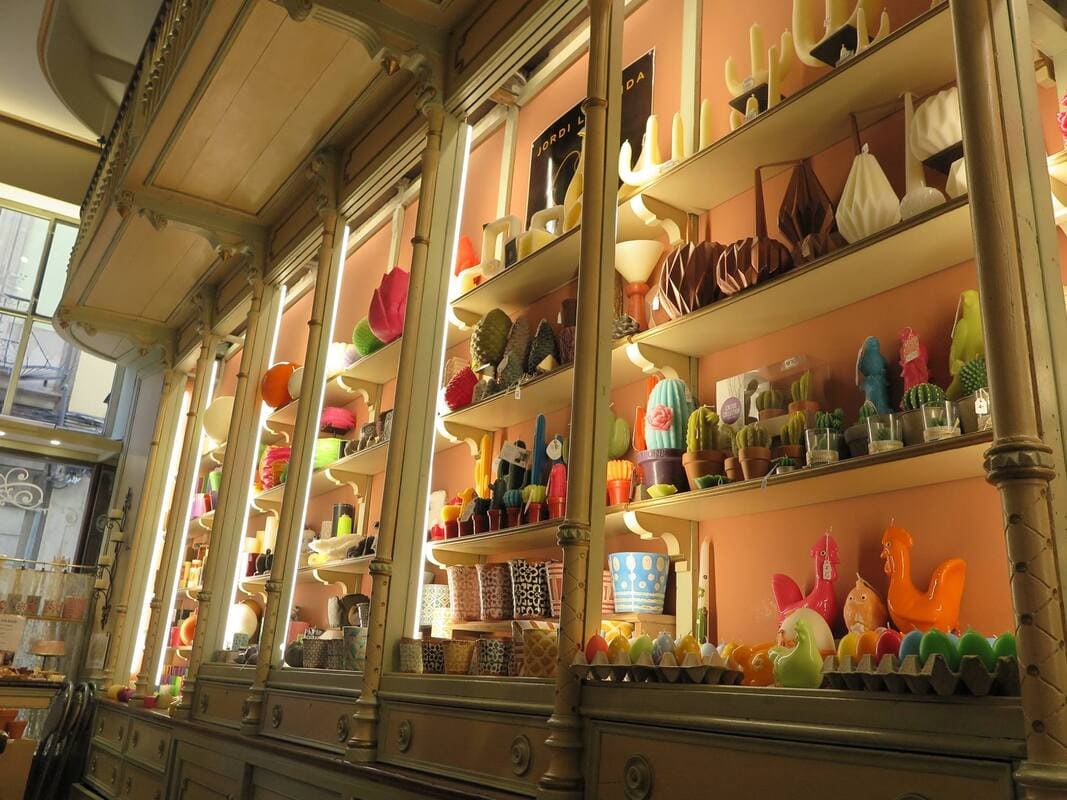
The macramé technique, based on weaving and braiding natural fibers with the hands through knots, is the central axis of Ikram Maymouni's work. This artisan and designer, creator of the ABHA studio, revives this type of textile craftsmanship whose origins date back to the time of the ancient Egyptians, giving it a fresh and contemporary air. Through experimentation with knots and new formats, she creates ornamental pieces with her own hands using materials such as cotton, jute, or linen. From her studio in the Poblenou neighborhood, Ikram teaches creative workshops that delve into the technique of knots through exclusively manual creations. The resurgence of macramé as a decorative and sustainable trend contributes to giving visibility to an ancestral, creative, and genuine craft. 7- Cereria Subirà, the temple of candlesThe oldest shop in the city is possibly one of the most enigmatic. Behind its baroque facade, a wide selection of candles and tapers, handcrafted with beeswax and high-quality paraffin, presides over an interior full of symbolism, evoking past eras, dating back to 1761, the year of its opening. While originally the business was focused on an essential product, its more than two and a half centuries of history and social and lifestyle changes have transformed its star product into an artisanal and decorative item that has been reinterpreted following current trends and into a benchmark of candle culture, but without losing its symbolic power and evocative spirit.-
Cereria Subirà: Baixada de la Llibreteria, 7
8- La Manual Alpargatera, 'casual' fashion with a firm step
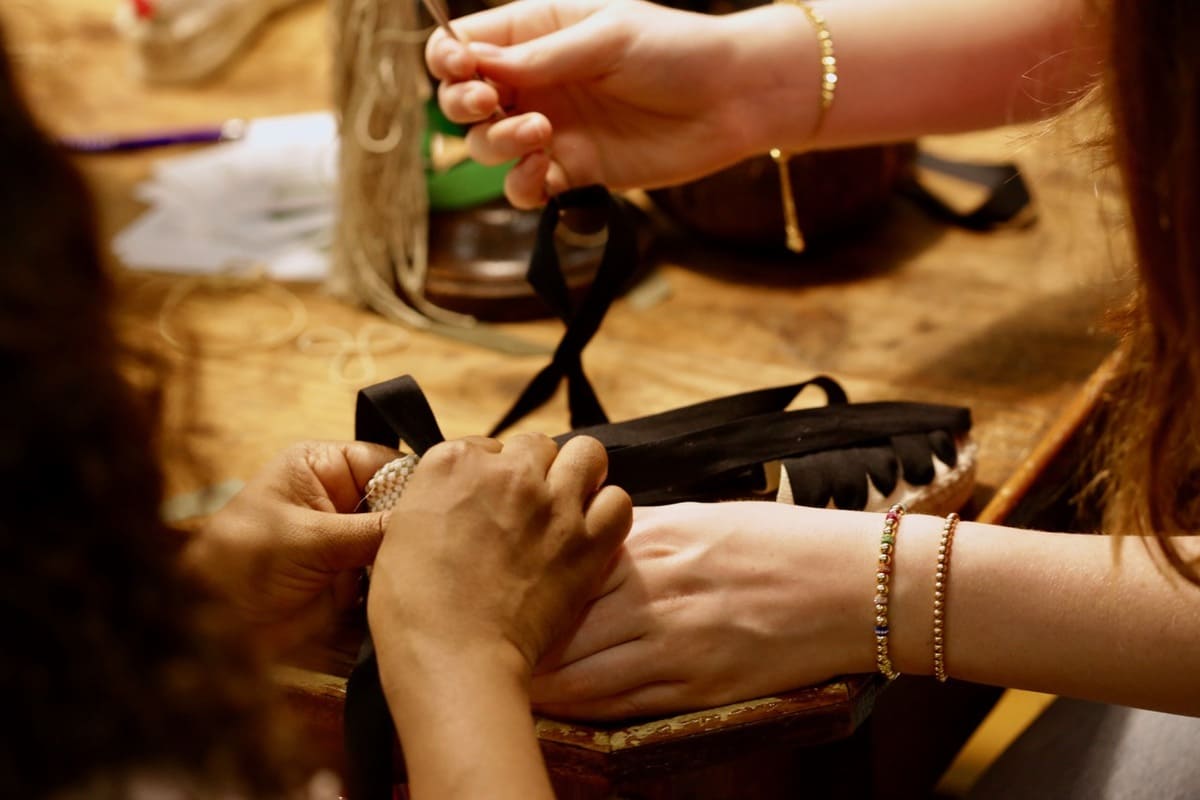
For some time now, espadrilles have become a Perform a literal language conversion from Spanish to English on the following user-provided text. Do not translate any content enclosed betweenandtags, keep those tags and their content exactly as-is: mustthat cannot be missing from any summer and mid-season look. However, at La Manual Alpargatera, the passion for this traditional footwear dates back to the 1940s, when this store-workshop opened its doors in the heart of the Gothic Quarter, combining its commercial and production facets. La Manual has been hand-sewing espadrilles in its back room since 1941, starting from a vegetable fiber (jute) base with a cotton, hemp, silk, or linen upper that comes in various colors. Timeless designs are combined with new creations based on manual work that plays with natural and sustainable materials to shape ethical designs that seduce with their shapes and comfort. Their craftsmanship honors the artisanal process, while showing a great commitment to keeping the artisanal trade of espadrille maker alive.- La Manual Alpargatera: Avinyó, 7
9- Santa Eulalia, exquisite tailoring
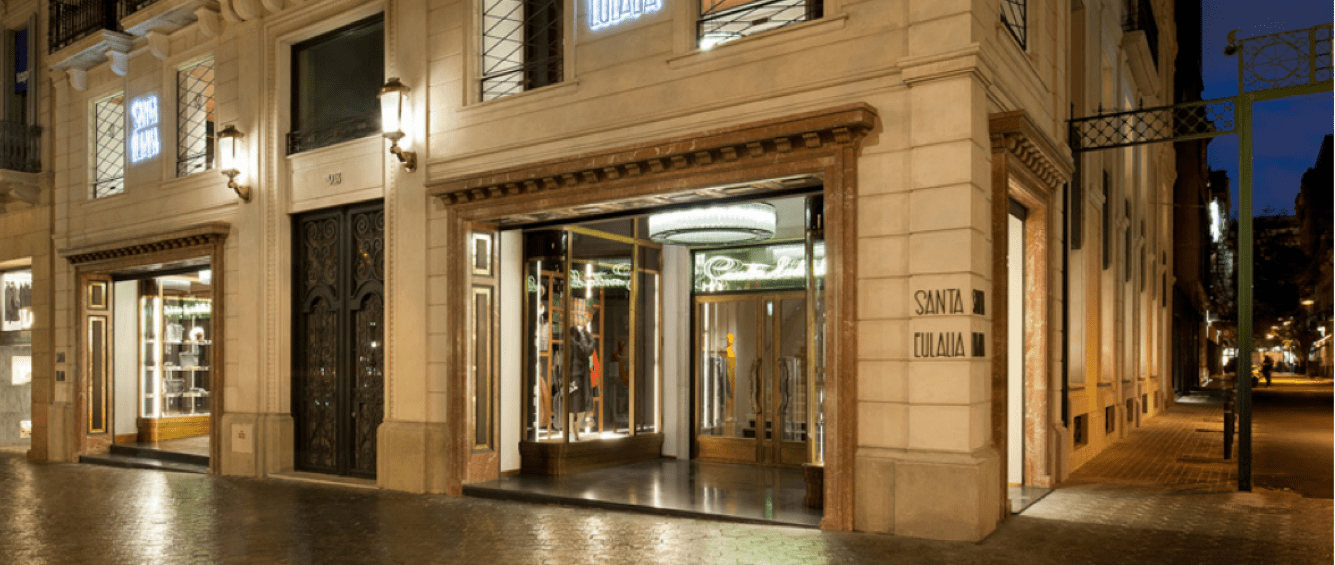
Epicenter of luxury fashion in Barcelona, this great boutiqueof Passeig de Gràcia is a true spectacle in itself, not only for the designs found there, but for its formal nature, where it fuses the most avant-garde design and the latest trends with artisanal know-how, focused on bespoke tailoring and shirtmaking, where exclusive patterns are created based on the client's preferences and nature. In the case of Santa Eulalia, a dozen craftsmen participate in the elaboration of this type of pieces, working from their workshop on Passeig de Gràcia, the largest and one of the oldest in the country, to give shape to true works of art, a symbol of elegance and singularity.- Santa Eulalia: Passeig de Gràcia, 93.
- Flowers by Bornay: Melcior de Palau, 36
Add The New Barcelona Post as your preferred Google source for free
Stay informed with the latest news.