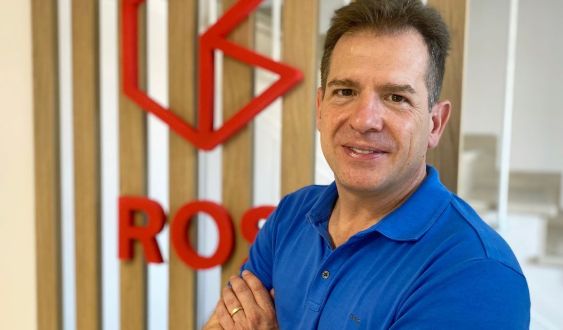
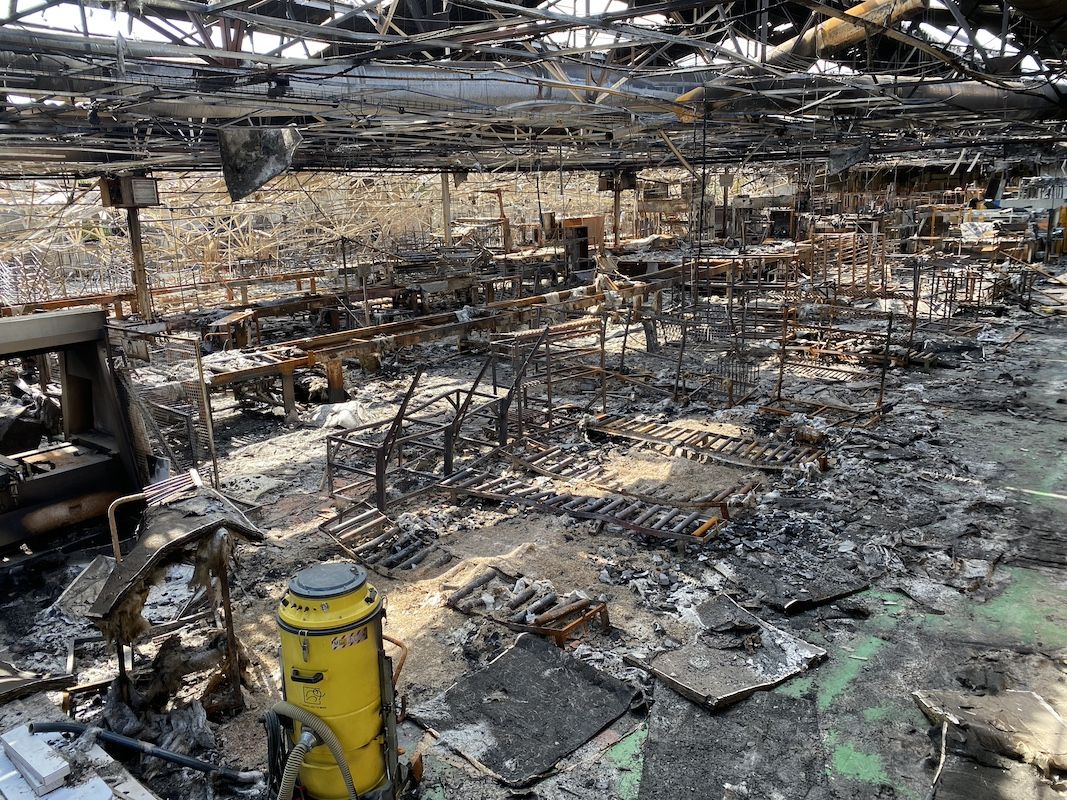
With the plant closed on an August day in 2022, disaster struck the ROS furniture company factory. A fire ravaged 70% of its facilities and caused losses worth 27 million euros. Despite losing a large part of its infrastructure, the company has managed not only to recover and approach pre-fire turnover levels, but also to transform and be reborn with a more technological and automated factory.
The company's managers already decided to undertake this recovery in the face of the flames that were devouring the factory, located in Artesa de Segre and from which it serves more than a thousand stores in various markets: "While the plant was burning, we already decided that we would rebuild it," recalls ROS operations director, Lluís Trujillo, alongside the company's CEO and third generation of the family business, Enric Ros.
The extinction of the fire revealed the magnitude of the disaster: the fire had devastated 70% of the facilities, full of material and products in preparation for delivery. To stay in the market, the reaction was quick, and ROS set up a small provisional factory in the section of the plant that had not burned: "We used the machines we had left and some that we had already discontinued, and some companies lent us others," explains Trujillo.
In two months, the company had launched this small provisional factory, with the aim of responding to the orders they had in progress before the fire, although not all could be fulfilled. "We have made a very important exercise in transparency, also with customers to whom we could not deliver some orders," highlights the CEO of ROS, about a process during which they held monthly meetings with suppliers, customers and workers to monitor the situation.
The small new factory began to operate framed within another great objective: to build the plant ravaged by the fire, and to do so taking advantage of the devastation to make a technological leap, in automation and sustainability. As Ros highlights, "the fire was a catalyst" that allowed progress towards objectives that the company already had, but which were difficult to implement with the factory operational.
To design this new modernized version of its plant, the company's managers visited more than 50 factories and dozens of suppliers: "We have made a great leap in know-how in areas such as robotics, and we have completed a master's degree in technological applications," Ros defends. But the setbacks did not end there: "We found that suppliers were giving us three-year deadlines to deliver the machines we needed, and we didn't have that time."
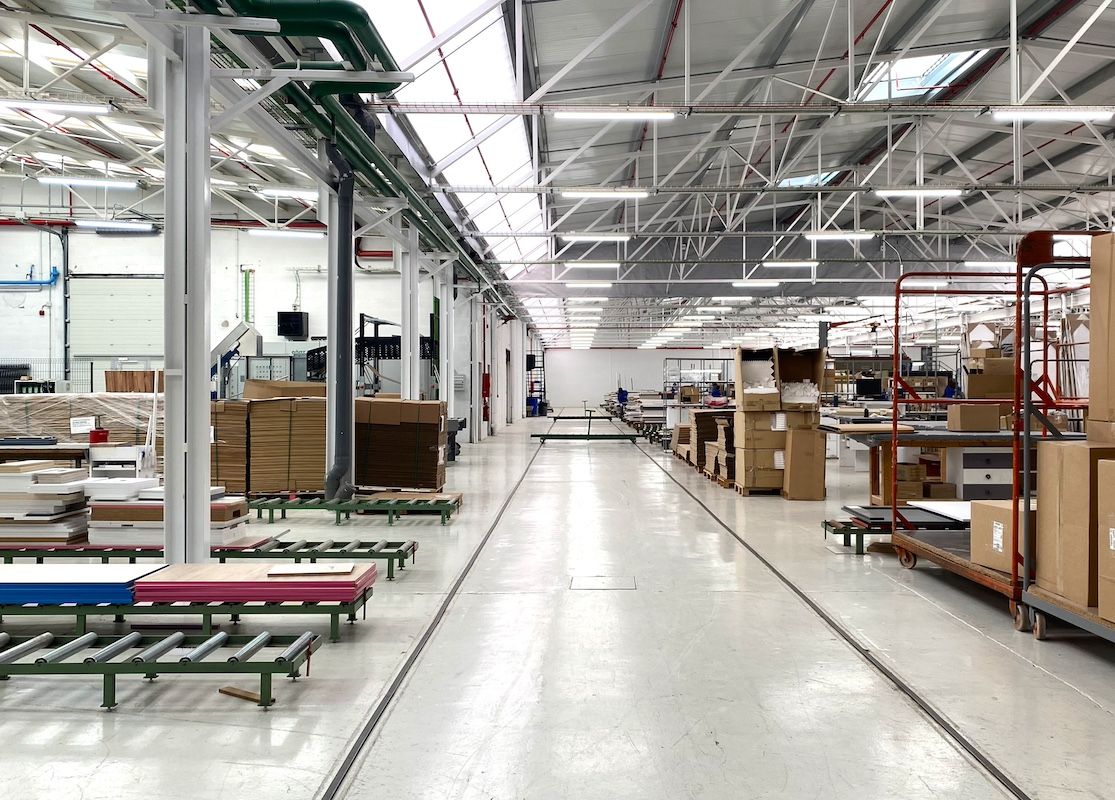
And in the face of adversity, once again, to grow. The company decided to work with other suppliers who were not specialized in this type of machines, whom they accompanied in the process of creating the ones ROS needed. "We have allied with companies with whom we have achieved a win-win, as it has also represented an opportunity for them," Ros highlights.
The advance in the automation and robotization of the plant has allowed for gains in quality and efficiency in processes, and also in sustainability: "Before, our packaging was 90% plastic, and now we have reversed the figure, and 90% is cardboard and 10% is plastic, with the idea of reaching 100% in the future." In addition, as Ros emphasizes, the reconstruction has served to highlight the potential of the company's team, which has 216 employees.
With its renovated factory now operational, ROS has managed to recover 70% of its turnover prior to the fire, which was 24 million euros. The forecast is to reach 80% in January, and 100% in the second quarter of 2025.
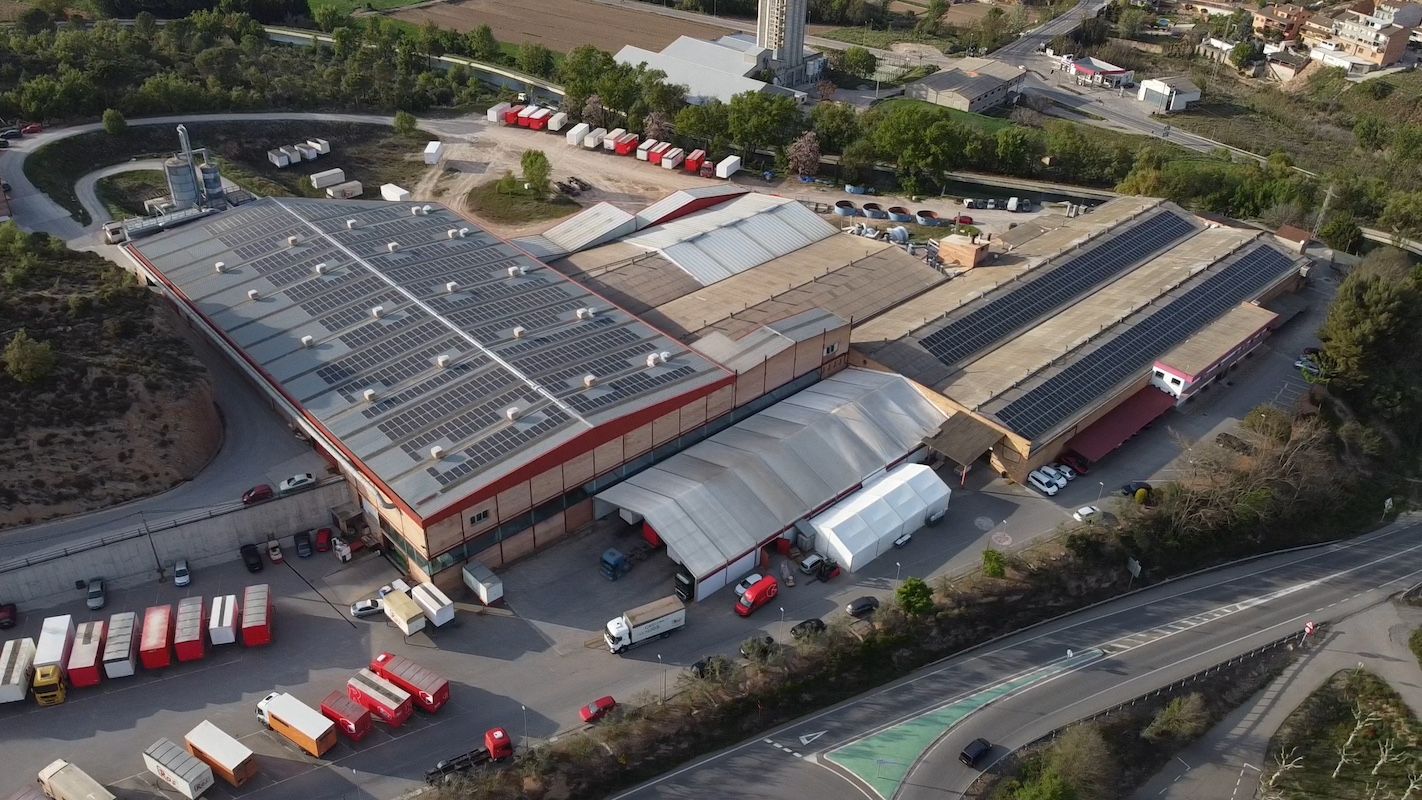
The investment to maintain the company's activity and to transform the factory has involved an investment of about 20 million euros. After completing this process, ROS looks to future years with the intention of continuing to grow, continuing to advance in the technological field, and enhancing the talent the company has to respond to the challenges of the furniture sector, marked by large international players.
The company, which also plans to expand its workforce, is also working to reach consumers through new channels, and is considering the possibility of expanding the markets in which it operates, now focused on Spain, France, Italy, and Greece. All of this to give continuity and continue expanding a company that Josep Ros, grandfather of the current CEO, founded in 1933 as a carpentry workshop, and which later passed into the hands of Ramon Ros and his wife, Maria Rosa Gené, who played a decisive role in what ROS is now: a family business that continues to look towards its growth by transforming adversity into opportunity to be a benchmark in the sector.
Add The New Barcelona Post as your preferred Google source for free
Stay informed with the latest news.
