[dropcap letter="A"]
this comment happens a bit like Woody Allen, and he is not worried about the success or failure of "Rifkin's Festival" at the box office, and only intends to predispose whoever reads it and whoever sees it for a greater enjoyment of its virtues, its reflections and its intelligent look at old age, art, the substitutes that pretend to be art and the old masters of European cinema.
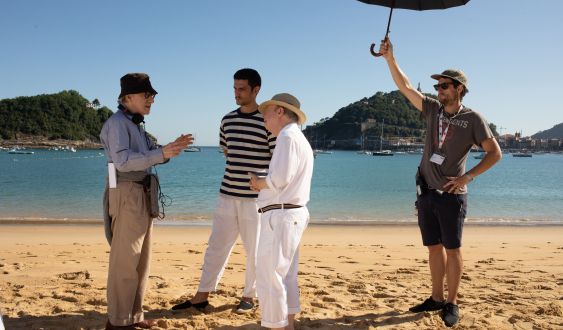
The plot of the film takes place during the celebration of its Film Festival in San Sebastián, and the protagonist is an almost octogenarian man who accompanies his younger and more animated wife, who works as a publicist for a pretentious French director with whom she is having an affair. In short, that would be a poorly told synopsis, because what Woody Allen shows at the beginning of the film is a session of this old man with his New York psychiatrist, to whom he tells what we will see on the screen, and there the story begins and ends, on the psychiatrist's couch (on the other hand, a territory as characteristic of Woody Allen's cinema as Monument Valley is of John Ford's cinema).
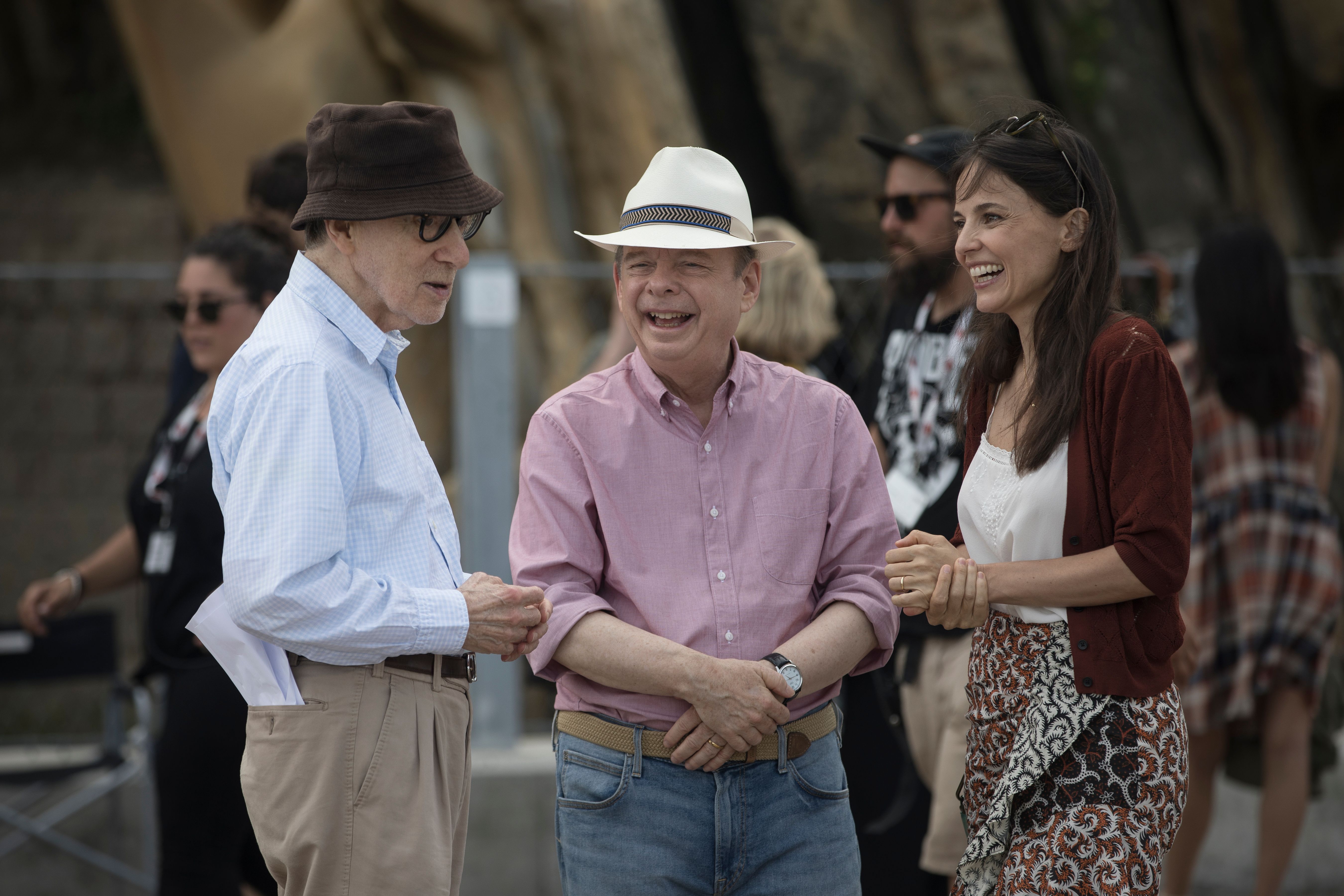
Allen's previous work, "A Rainy Day in New York," was a hymn to youth, to spring and to romance, and in this one he turns his soul to talk about the opposite, about the ailments of old age, about autumn and about the illusory (but dynamic and effective) nature of the loving flash. The essential characters are four: the old man who smells of Woody Allen but is played by Wallace Shawn, just as indecisive, maniacal and confused as him; his wife, Gina Gherson, an actress with a greedy look and gesture; the French director who embodies with a sense of humor and parody Louis Garrel, and the star of the show, Elena Anaya, an attractive doctor whom this old man, already shipwrecked in his own marriage, visits with hypochondriac insistence.
[subscribe_newsletter_esp]
To enjoy "Rifkin's Festival" one must not dwell on the effervescent and trivial nature of its plot, which, indeed, and as in so many of his other titles, is merely an excuse for his usual existential reflections to dance within it, always served with large doses of cynicism and his particular sense of humor: his opinions on the simplicity of life, the threat of death, the murky nature of romantic relationships, religious obsession, intellectual banality, or the pretension of "modern" art are just some of the puddles he loves to stomp in.
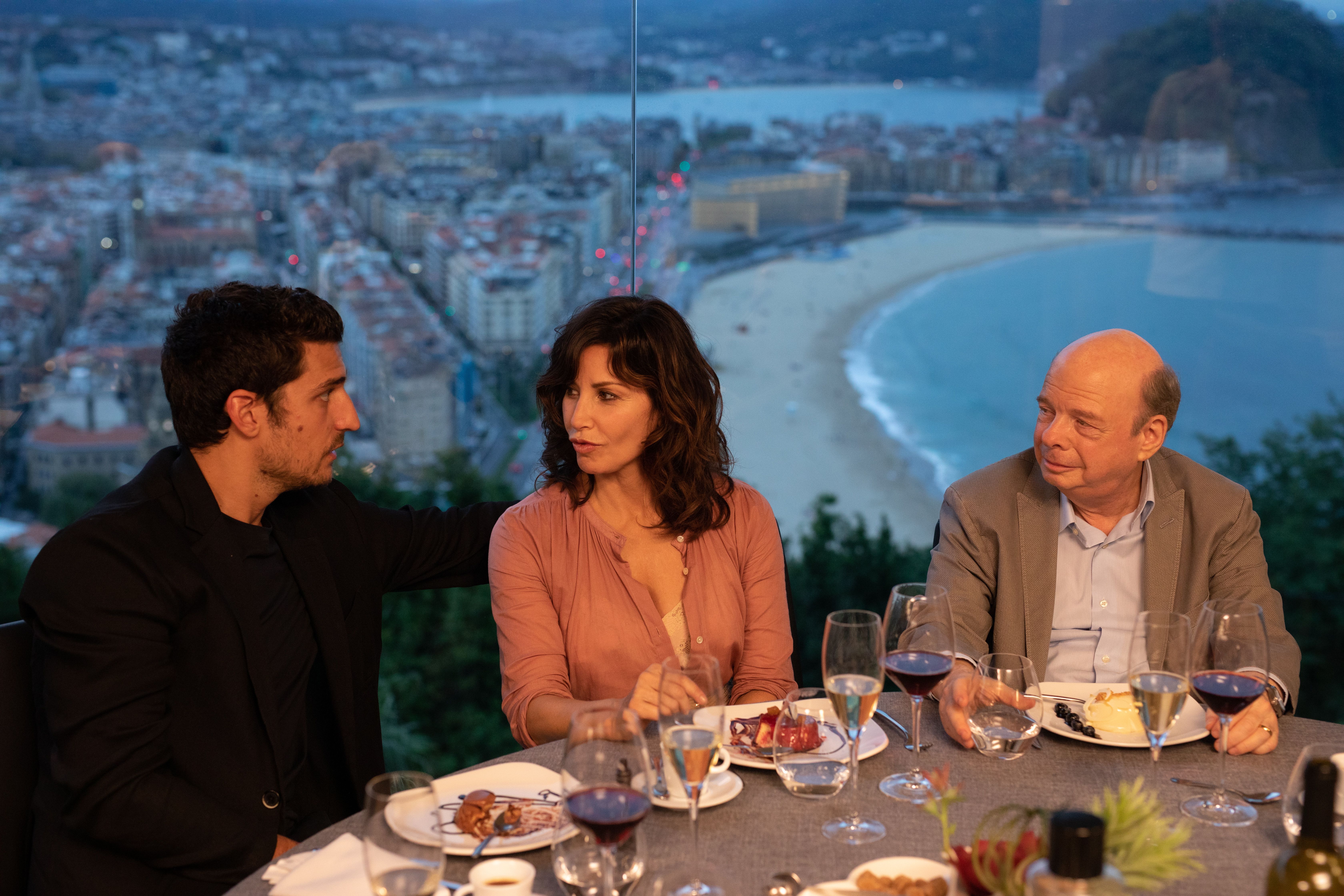
"Rifkin's Festival" will also provide a source of joy for those who still retain a nostalgic view of old European cinema and its classic figures, such as Bergman, Fellini, Truffaut, Godard, or Buñuel. Its central character, the old man who tells us (in a therapeutic session with his psychiatrist) about his days at the San Sebastián Festival, and who longs for his past as a Film professor at the University, adorns his narrative with daydreams of those old films and "relives" some of their great moments with the characters and circumstances of his San Sebastián adventure.
Here Woody Allen shines, as he stages (replicates) sequences from "Jules et Jim," "À bout de souffle," "The Exterminating Angel," "Persona"... with his actors, Elena Anaya, Louis Garrel, Gina Gershon, and Wallace Shawn..., in a humorous exchange of roles with Jeanne Moreau, Liv Ullman, Bibi Andersson, Belmondo, Jean Seberg, with the exceptional icing on the cake of seeing Christoph Waltz in the role of Death in the famous chess scene in "The Seventh Seal."
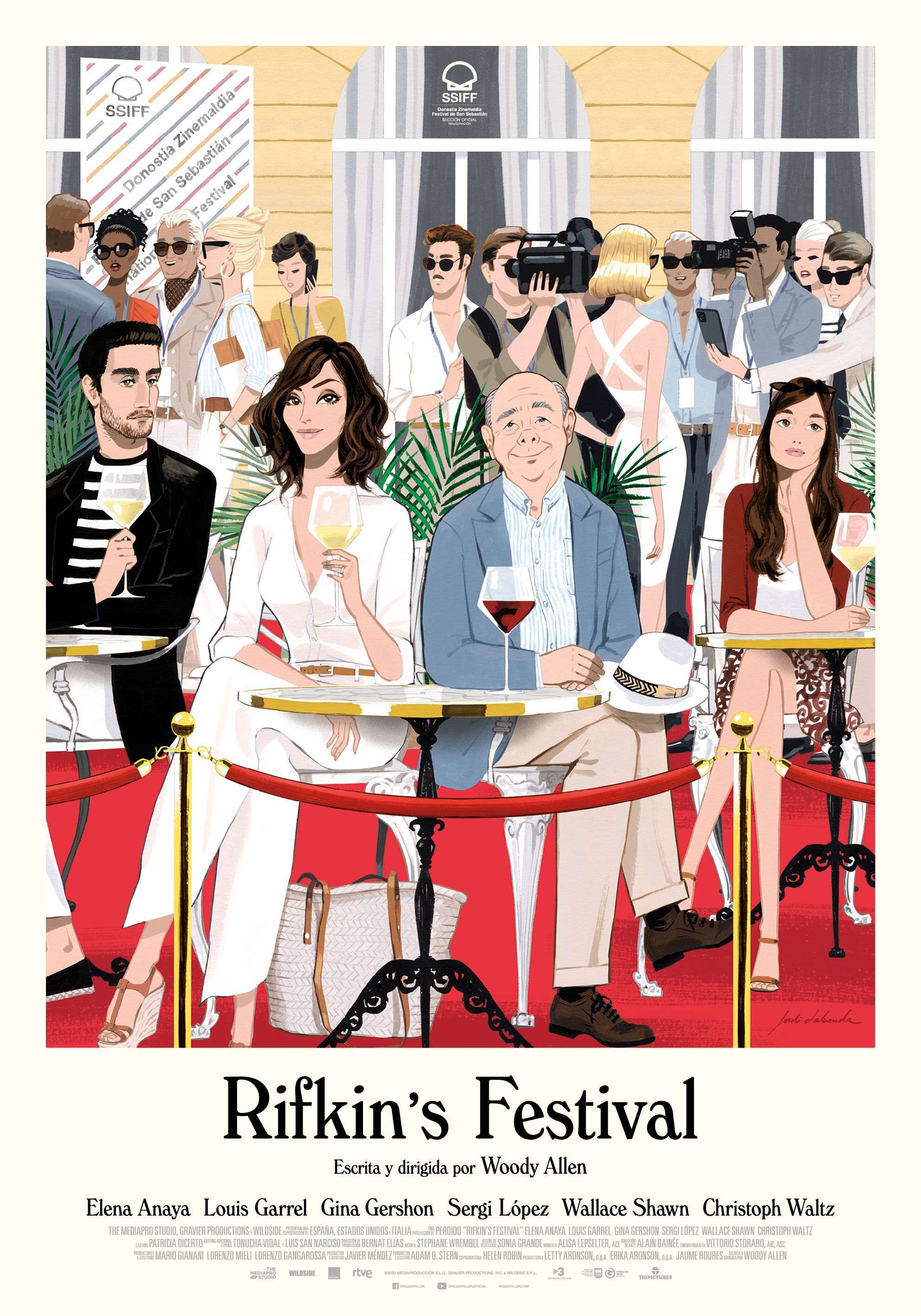
And if all this is not enough for the viewer to enjoy Allen's latest film, they will undoubtedly enjoy that blend of perspective that the great photographer Vittorio Storaro and Woody Allen's intelligence cast upon the city of San Sebastián, as beautiful, luminous, and "touristy" as that other one he threw fresh, funny, and topical at our city in "Vicky Cristina Barcelona."
Add The New Barcelona Post as your preferred Google source for free
Stay informed with the latest news.