The international demand for pork and, especially, orders coming from China, continues to strongly boost the Catalan pig sector and, consequently, the whole of food product exports. Catalonia thus consolidates itself not only as a food power, but also comes to lead the Spanish ranking of food exports, snatching the position previously held by Andalusia.
According to DataComex, the European foreign trade database, Catalonia exported food valued at 11,435 million euros in 2020, a figure that marks a new record and represents a growth of 6.62% compared to the previous year despite the Covid-19 crisis. The increase in terms of volume is similar, at 6.95%. According to Prodeca, the public company of the Generalitat dedicated to the promotion of Catalan agri-food products, no other economic sector managed to grow its exports last year.
Thus, agri-food reaffirms itself as one of the engines of the Catalan economy and, for the first time, positions itself as the second exporting economic sector, behind semi-manufactures and ahead of capital goods. In 2019, it had already managed to overtake the automotive industry. "Despite Covid and the incidence of the protectionist policies of the Trump Administration or the uncertainty of Brexit, the Catalan agri-food sector demonstrates its resilience," emphasizes Prodeca. Despite Brexit, Catalan companies have increased exports to the United Kingdom by 2.4% in 2020, exporting for a value of 566 million. On the contrary, the impact of Trump's protectionist policies has represented a decrease in exports to the United States of 10.58%, especially affecting the wine sector (-10%) and olive oil (-24%).
The increase of 6.62% is 2.34 points higher than the average registered in Spain (4.29%) and allows Catalonia's weight in the total agri-food exports of the State to rise to 21.53% of the total.
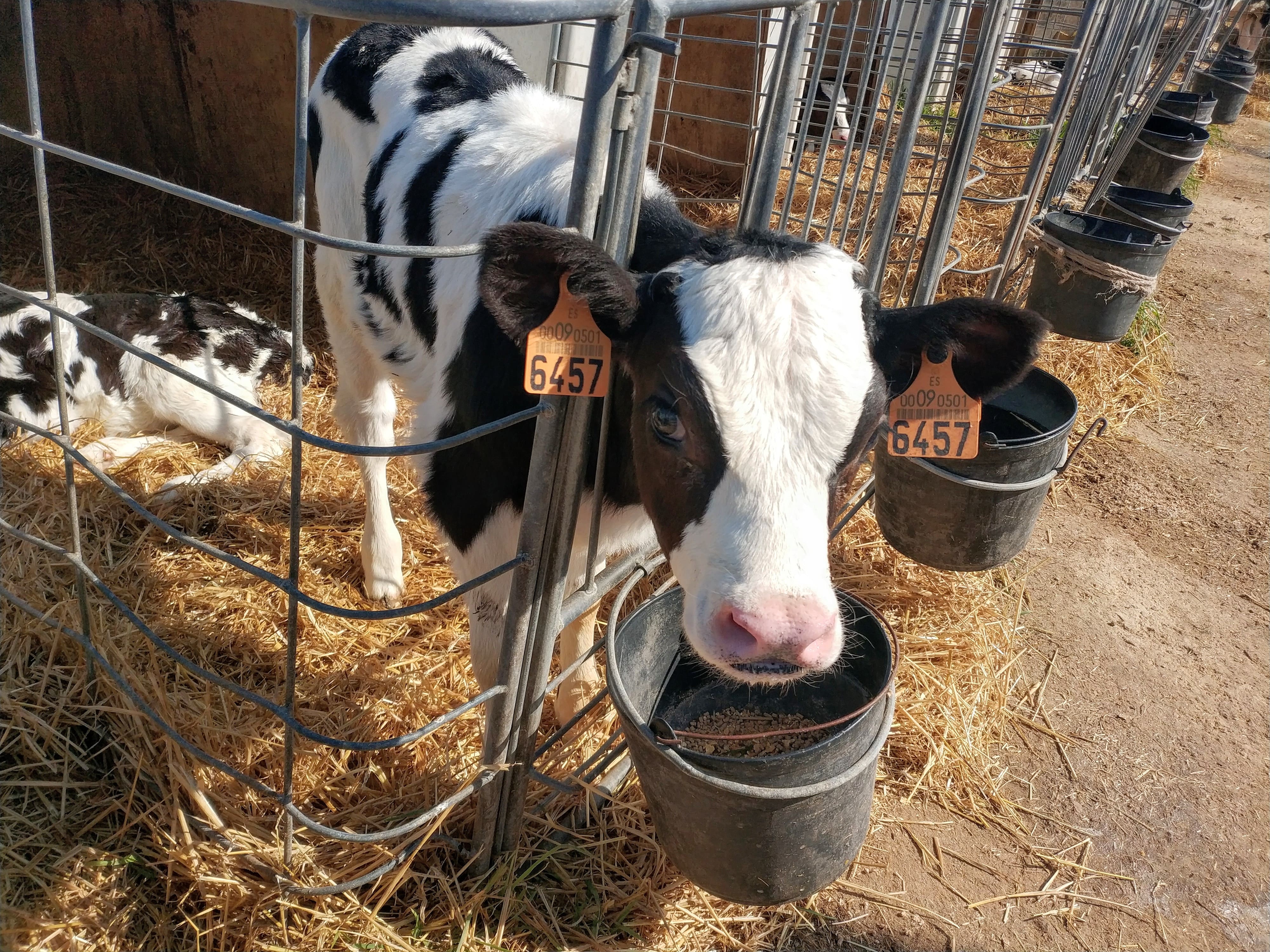
Likewise, 40% of all foreign sales correspond to the meat sector, with a turnover of 4,592 million euros, up 13.90%. In terms of tons, the increase in meat exports has grown by 11.68%. Of the different subsectors, the one dedicated to pork production is the real locomotive, with a 15% growth motivated by strong demand from China, which has already become the main client for Catalan pork, ahead of France—a country that had usually led purchases—and Japan. According to Prodeca, 56% of the annual variation rate of exports is due to the contribution of pork.
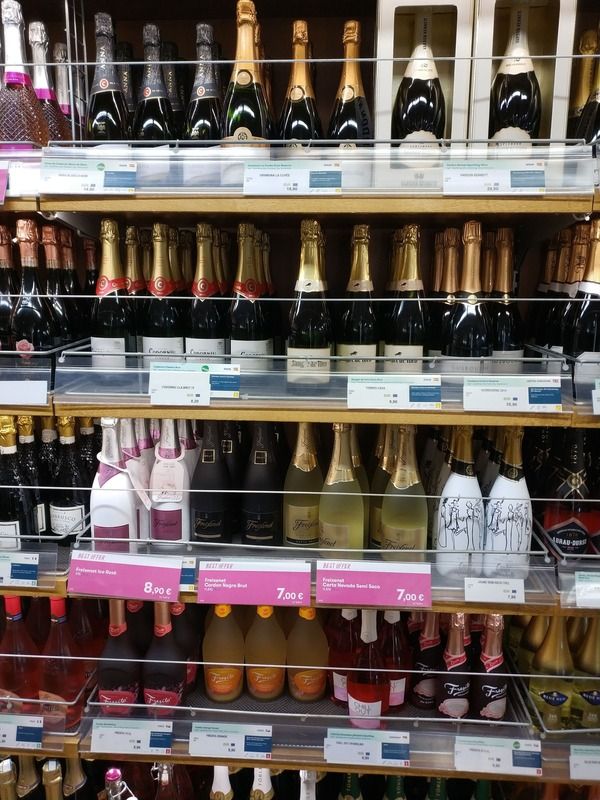
In third position are fruit and vegetable exports, with a value of 965.86 million. The most exported products are peaches, nectarines, citrus fruits, and apples and pears. Behind meat, fine foods and fruit, are oil sales (713 million, up 12.49%) and the wine and cava sector, which falls 10% in value (522 million) and 2.45% in volume. Cava represents 53% of the exported value.
In Catalonia, there are now 2,713 agri-food companies that export regularly. They do so to more than 190 countries, although the European Union accounts for 59% of sales, down 1.53%. This decline contrasts with the 21% increase experienced by third countries and, especially, the boost from the Asian continent (+43%). In absolute terms, France is the main importing country from the Catalan countryside (17% of the total), followed by China (14.9%), Italy, Germany, the United Kingdom, and Portugal.
In the last ten years, Catalan agri-food exports have grown by 84.73% in value and 45.78% in volume, highlighting that the sector is competitive due to its added value.
Add The New Barcelona Post as your preferred Google source for free
Stay informed with the latest news.
