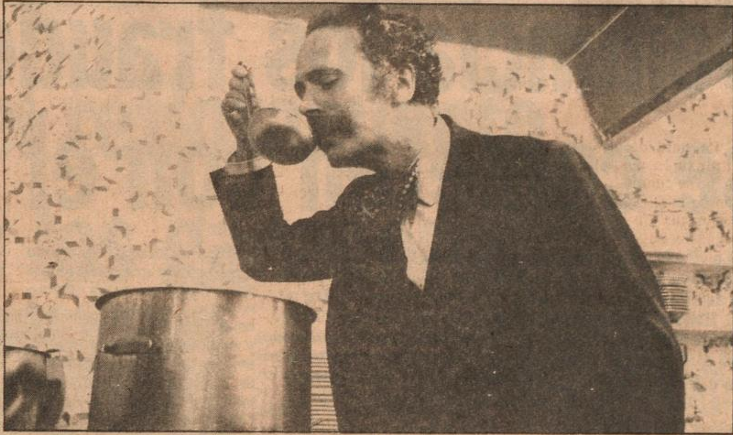
The inexplicable amnesia of a fundamental character for the gastronomic history of Barcelona and Catalonia, who understood the value of gastronomic product and the market as a source of flavor and as a cultural fact
On the morning of March 31, 1987, Ramon Cabau came down from Canet de Mar, as he did many mornings, to the Boquería market. An influential gastronome, promoter of Catalan cuisine, and a deep connoisseur of the world of flowers and vegetables, that elegant, extravagant man, with a large mustache, eternal bow tie, and colorful hats, did what he used to do so many mornings: give flowers to the stallholders of that market that was like his home. But that day there was something different. The hand-kissing, the kind words, and the usual dazzling smiles were not abundant. There was a halo of sadness in that man who had been at the helm of a restaurant that had been more than a restaurant, L'Agut d'Avignon, and who had come to be among the best chefs in the world, even barely knowing how to fry an egg.After the flowers and a few words with some and others, he deposited an envelope at the Bolets Petràs stand, the best dedicated to mushrooms in the market. When its owner, Llorenç, saw the letter inside, it was already too late. Ramon Cabau had just ingested a powerful poison and had time to say goodbye to his friend, who held him in his arms, before closing his eyes and dying shortly after in the hospital.
Thus ended the life of a fundamental figure for the gastronomic history of Barcelona and, more generally, of Catalonia. "He was an ambassador of the Mediterranean, an authentic tightrope walker who lived playing on the edge, walking on the razor's edge," explains Marc Casanovas, journalist and scholar of everything related to eating, who has just published Una òpera gastronómica (Ara Llibres), a biography that covers the life and circumstances of Ramon Cabau. A volume that remedies the inexplicable amnesia to which the city has subjected, for no apparent reason, one of the fundamental figures for a deep understanding of its gustatory history.
Pioneering palate
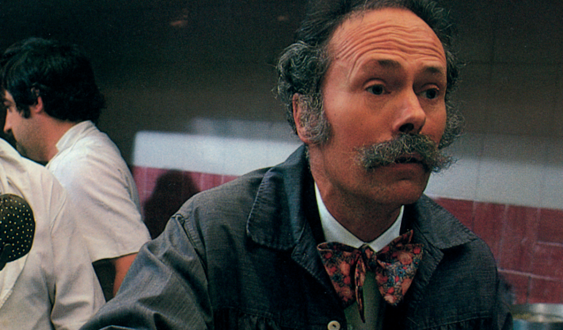
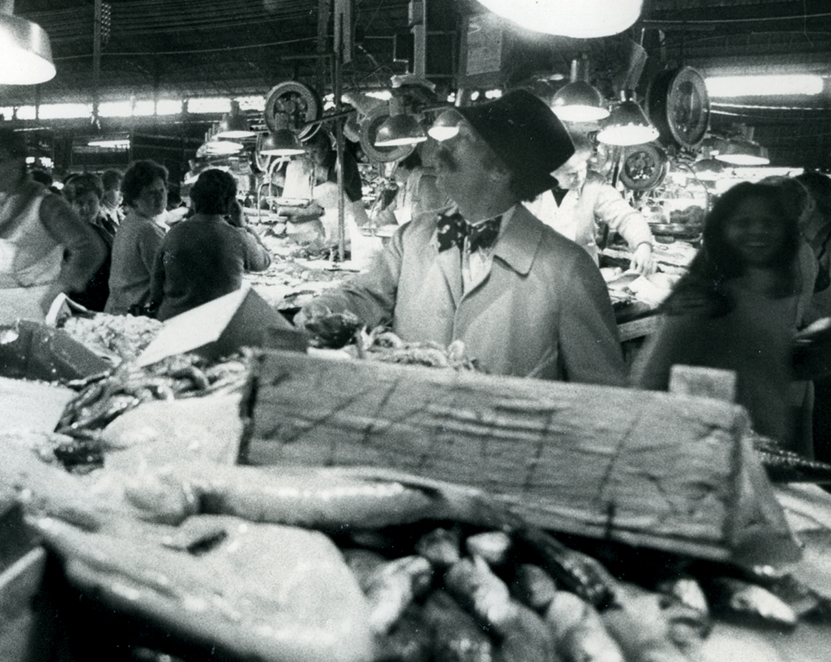
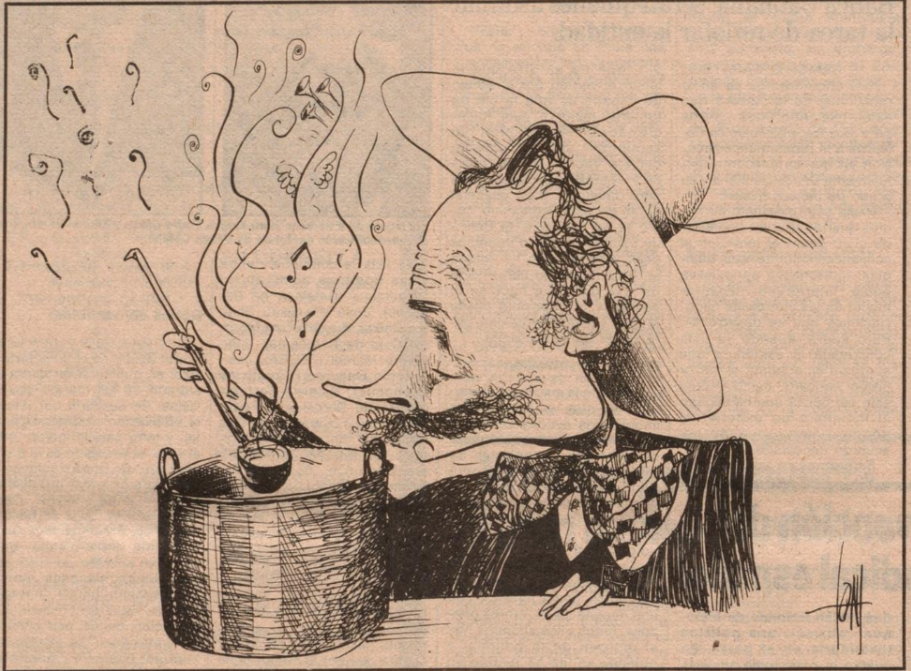
Born in 1924, a pharmacist and lawyer, Ramon Cabau's life took a turn when, in 1962, out of spite for his father-in-law, owner of the famous L'Agut restaurant, he opened L'Agut d'Avignon with his wife. King in a palace that wasn't really his –the true owner of the establishment was his wife–, that restaurant on Avinyó street soon became an international culinary mecca thanks to a cuisine based on fresh, local, and seasonal products. A menu that combined Mediterranean flavors, essences, and products chosen with maniacal criteria. Ramon Cabau buying at La Boqueria market. Cabau's magnetic character worked its magic. He wisely chose his chefs, obsessively took care of every detail, being capable of driving as many hours as necessary to travel to distant markets for the best produce, and welcomed diners, who felt embraced by him when they came to eat at the restaurant. It was at that time that he became the soul of La Boquería, hardly missing a morning at his appointment in the market, buying the best product and giving flowers, kisses, and smiles to the stallholders. The Ramon Cabau who is remembered, or who should be remembered."He was the first to create a seasonal menu in Barcelona based on seasonal products. He was the first to offer full and half portions, so people could try more dishes. He was the first to introduce flowers into gastronomy. Thanks to him, the use of mushrooms like trumpets of death became normalized," explains Casanovas. An admirable retinue of feats for someone who didn't even know how to cook, "although he ended up sharing status with the best chefs in the world."The author, who delves into the lights and shadows of the character, does not hesitate to place Cabau among the three main inductors of the foundations of Catalan cuisine as an identifiable gastronomic culture, at a time, the 70s, when ours was not even understood as a cuisine with its own character." The other two are chef Josep Mercader and Josep Lladonosa." Illustration by Ramon Cabau based on a photograph of himself, with his striking mustache and one of his everlasting colorful bow ties.
What has happened since 1987?
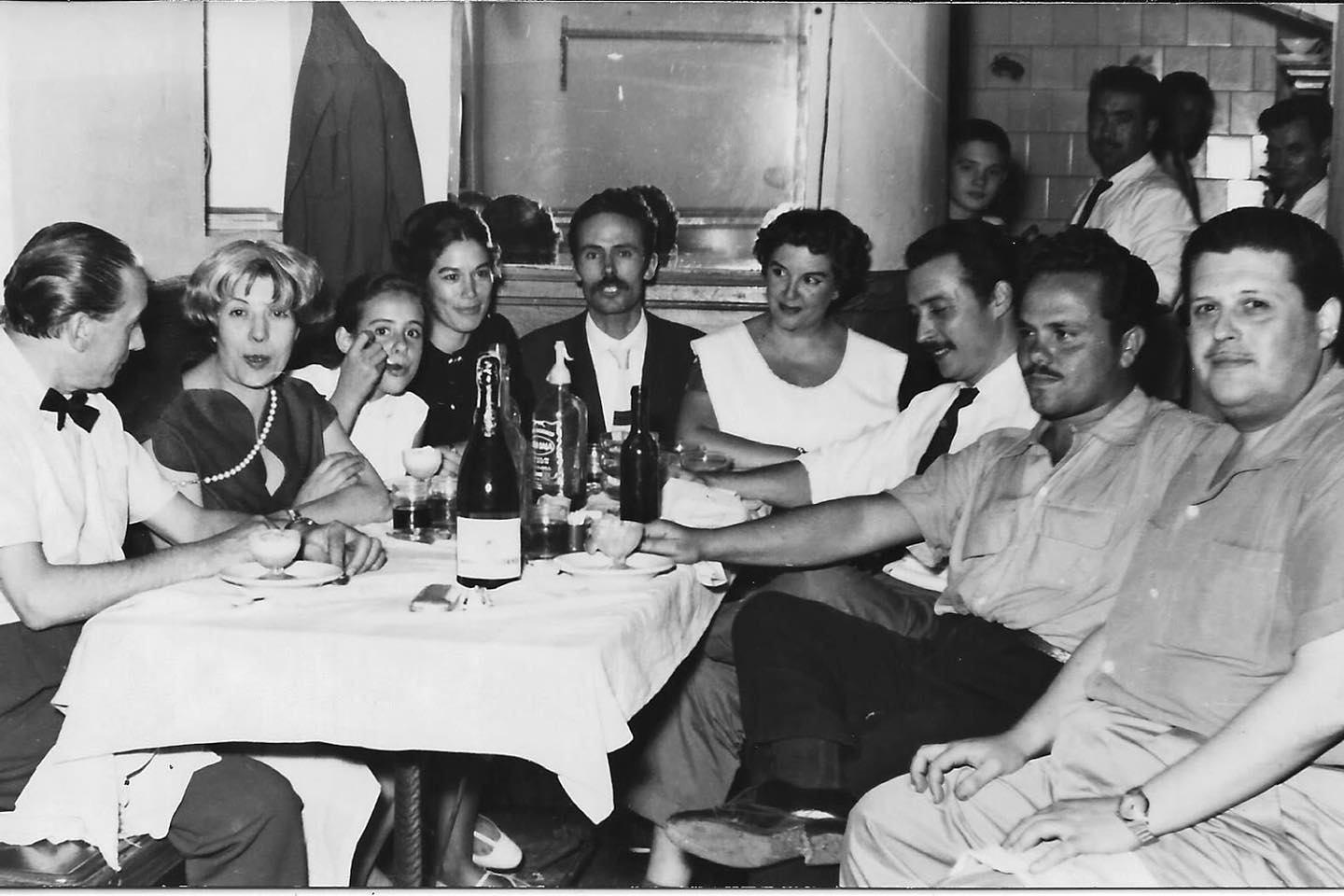
Regarding the aforementioned Llorenç Petràs, in whose arms Cabau lost consciousness before dying that distant March morning, it was precisely he who introduced Casanovas to the figure of the gastronome. "Petràs continuously spoke to me about the importance of Cabau and, when he told me that he had been the owner of L'Agut d'Avignon and told me about his suicide in the middle of La Boquería, I wanted to investigate."What the author found himself searching for on the Web were few and very vague references, inaccuracies, insufficient stories copied and pasted uncritically. An exercise in forgetting, "as if before elBulli nothing remarkable had happened to Catalan cuisine, when the truth is that there are incredible characters and stories that deserve to be told, like that of Cabau himself."When he met that novelistic and legendary character, that dandy, ideologue and philosopher of the Mediterranean with a showy mustache, extravagant hats, an irresistible smile and everlasting colorful bow ties, he began to investigate "to clarify why he committed suicide and, above all, what could have happened since his death, in 1987, for us to have forgotten him in this way." And there is a second nature in A gastronomic opera that, among a large number of interviewees who speak of the many aspects of Cabau, of his life, of his transcendence, of his passions and obsessions, also bravely addresses the bipolar disorder that afflicted and burdened him. The illness that led him to periods of inactivity, "when he admitted himself to the Frenopático de Les Corts and disappeared, as happened during the inauguration of L'Agut d'Avignon, which he did not attend for that reason."Ramon Cabau's life took a turn when, in 1962, he decided to open L'Agut d'Avignon with his wife.It was that chronic ailment, aggravated by the restaurant's closure in 1984 after an insurmountable break with his wife and stepchildren, that could have been the trigger for Cabau's end. "Although, in that 1987, he had not been forgotten: he was going to be in charge of managing a restaurant and had a proposal to present a TV3 program ahead of him. Furthermore, he had been offered a political position in that Barcelona about to take off towards the Olympics, and in which a figure like him, an international ambassador of our gastronomy, fit perfectly," Casanovas reflects.
"In 1987 I had a proposal to present a TV3 program"
Who knows if the forced amnesia to which his figure has been subjected so deliberately might not have to do, precisely, with a matter of resentment. For not having had the courtesy of staying alive at that moment when the city and the country were changing and so much advantage could have been taken of him.
Barcelona, guilty
Besides being a biography of Cabau and contributing to making visible the health problems of people with bipolar disorder, Marc Casanovas' book has a third nature, by analytically and very well-reasoned highlighting the past and present of Barcelona's municipal markets. Starting with that Boquería, "which Cabau, who if he were alive would now be 101 years old, would not like at all." Cabau was the first to create a seasonal menu in Barcelona based on seasonal products. Something more reversible is, for the author, the situation of the other municipal markets, despite the suicidal idea of putting supermarkets inside their structures. "I don't want to fall into the cheap romanticism of returning to the Barcelona of the 70s –he clarifies–. Markets must change as cities, societies, our relationship with products, and our way of eating do. But I believe we should be more aware of their importance. We don't defend markets as we do primary care centers or education. And they are just as important, because in a market there is everything: urban planning, culture, politics, society, and, of course, what we eat." Life itself, with all its colors and flavors.Ramon Cabau knew it and lived and championed the life of the market, of that Boquería where, hidden, forgotten, even today, his effigy can be seen. He understood the value of gastronomic product as a source of flavor and as a cultural fact. As an element of pleasure, of socialization and of belonging for which every trip was worthwhile, each of the thousand hours spent between the kitchen, the market and that field where he lived his last years, in symbiosis with flowers and vegetables that, in his hands, cultivated and cared for by him, under the light of his smile, acquired new and exciting meanings.
Add The New Barcelona Post as your preferred Google source for free