
If all deadlines are met, Barcelona will have a new listed company within a month. In early May, the perfumery and fashion group Puig is expected to go public, raising a minimum of 2.500 million euros with this operation, although depending on the final offering price of the shares, the placement could reach 3.000 million euros. The operation is not aimed at brand consumers or small investors; it is exclusively reserved for large funds and qualified investors worldwide, who must express their intention to buy shares to the two coordinating and placing banks of the offer: Goldman Sachs and JP Morgan.
For Puig's chairman and CEO, Marc Puig, the decision to go public represents "a decisive step in the company's 110-year history" and will allow the group to "better compete in the international beauty market." "We believe that becoming a listed company will align our corporate structure with that of the best family companies in the global premium beauty sector; it will help us attract and retain talent and support the growth strategy of our portfolio and our brands," explained the CEO and member of the third generation of the multinational based in Plaza Europa in L'Hospitalet. Among Puig's brand catalog, which in 2023 had a turnover of 4.304 million euros ---19% more--- highlights include Carolina Herrera, Paco Rabanne, Jean Paul Gaultier, Uriage, Charlotte Tilbury, and Byredo.
Despite being listed on the stock exchange, Puig will remain a family business, as the founding family will maintain absolute control of the group for a dual reason. On the one hand, the different branches of the Puig family will only divest 25% of the company's capital, and on the other hand, the shares they will put up for sale to be acquired by investors will not have the same rights as the shares held by the family. This is possible because Puig will now have Class A shares ---those with all economic and political rights (reserved for the family)--- and Series B shares, which have the same economic rights but limited political rights. Only B shares will be listed. Thus, each Class A share will correspond to 5 votes, while Class B shares will only have one vote, so new shareholders will barely control 5% of the political rights when making decisions. Conversely, they will have the right to 25% of the dividends.
Marc Puig: "Becoming a listed company will align our corporate structure with that of the best family companies in the global premium beauty sector and will help us attract and retain talent"According to Marc Puig, being a family business implies a great advantage that has been key to Puig's success: "thinking long-term." "THaving a family at the core of a company fosters this approach, because families tend to care as much about the time horizon of the next generation as about the next quarter," he said. However, he justifies the leap to the stock market because "at the same time, it is important that every family business has the right checks and balances, especially during generational transitions". "We believe that the balance of being a family company that is at the same time subject to market accountability will allow us to compete better" and face "the next phase of Puig's development," the group's president reflected this Monday.
The company that will be listed on the continuous market of the Barcelona, Madrid, Bilbao, and Valencia stock exchanges is Puig Brands SA. Currently, this company is 100% owned by Puig SL, which, in turn, belongs to Exea, the Puig family's holding company. According to the operation's design, the 25% of Puig Brands shares that will be put up for sale will have two origins. First, Puig Brands itself will place newly created shares on the market, which is technically called a Public Subscription Offer (OPS). This tranche aims to raise approximately 1,250 million euros. In parallel, Puig SL will sell to the market part of the shares it now owns in Puig Brands. With this tranche, called a Public Sale Offer (OPV), the aim is to obtain "a greater amount" than with the previous one, that is, more than 1,250 million, so the placement will exceed 2,500 million and the group's valuation will reach between 10,000 million and 15,000 million, which will represent the largest jump to the stock market by a Spanish company since 2015, when Aena began trading. Everything indicates that, by the end of the year, Puig could join the Ibex 35.
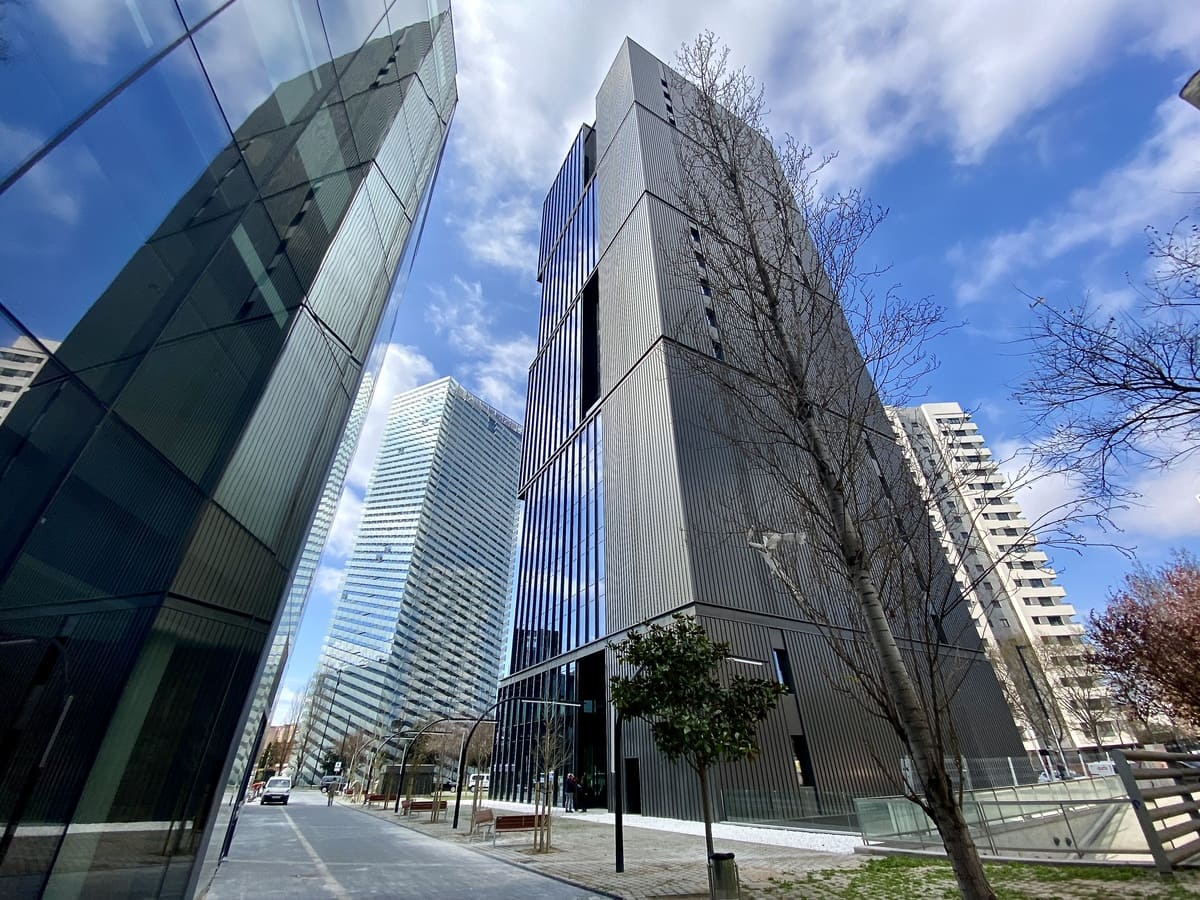
After months of rumors and reports in the specialized economic press, Puig has officially announced this Monday its intention to list on the Spanish stock exchanges. This prior announcement (ITF, for its acronym in English) starts the clock and all the machinery for the stock market debut. Now, the first big step will be the approval by the National Securities Market Commission (CNMV) of the so-called prospectus, the official document containing all the information related to the public offering of issuance and sale of shares. Once the prospectus is approved and published, the so-called road show will begin, that is, the presentations that will be held in different international cities to explain the benefits of the offer to large investors. Depending on the power of seduction transmitted by the company, market expectations, and the analysis of Puig's financial statements, funds will request more or less shares from the placing banks. Depending on whether there is more or less demand for shares, the offer price will be determined and, consequently, the value with which the Catalan group will begin trading in early May. The company could propose to investors to allocate 40% of the annual profit to dividend distribution.
Refinancing and acquisition of new companies
And what will Puig do with the minimum of 2,500 million it expects to raise in the market? On the one hand, these funds will be used to refinance some of the major acquisitions the group has made in recent yearsand that have allowed it to make a strong leap in size, reaching a turnover that in 2023 exceeded 4,000 million euros. Among these acquisitions, Byredo and the Charlotte Tilbury makeup brand stand out. The money raised will also serve to finance new operations and "future strategic investments," in addition to being allocated to capital expenditures. At the close of 2023, the group's net financial debt (total debt minus available cash) stood at 1,196 million.Founded in Barcelona in 1914, Puig operates in three major business segments within the global beauty market: fragrances and fashion (revenues of 3,115 million in 2023), makeup (773 million), and skincare (431 million). In total, last year the group invoiced 4,304 million, up 19%, with the EMEA region (Europe, Middle East, and Africa) being its largest source of income (54%), followed by America (36%) and Asia-Pacific (10%). In all three geographical regions, double-digit growth was recorded last year. The group's EBITDA grew by 20%, to 863 million, and net profit advanced by 16%, with earnings of 465 million. The debt-to-EBITDA ratio is very healthy, standing below 1.5 times (net debt-to-EBITDA ratios below 3 are considered acceptable).
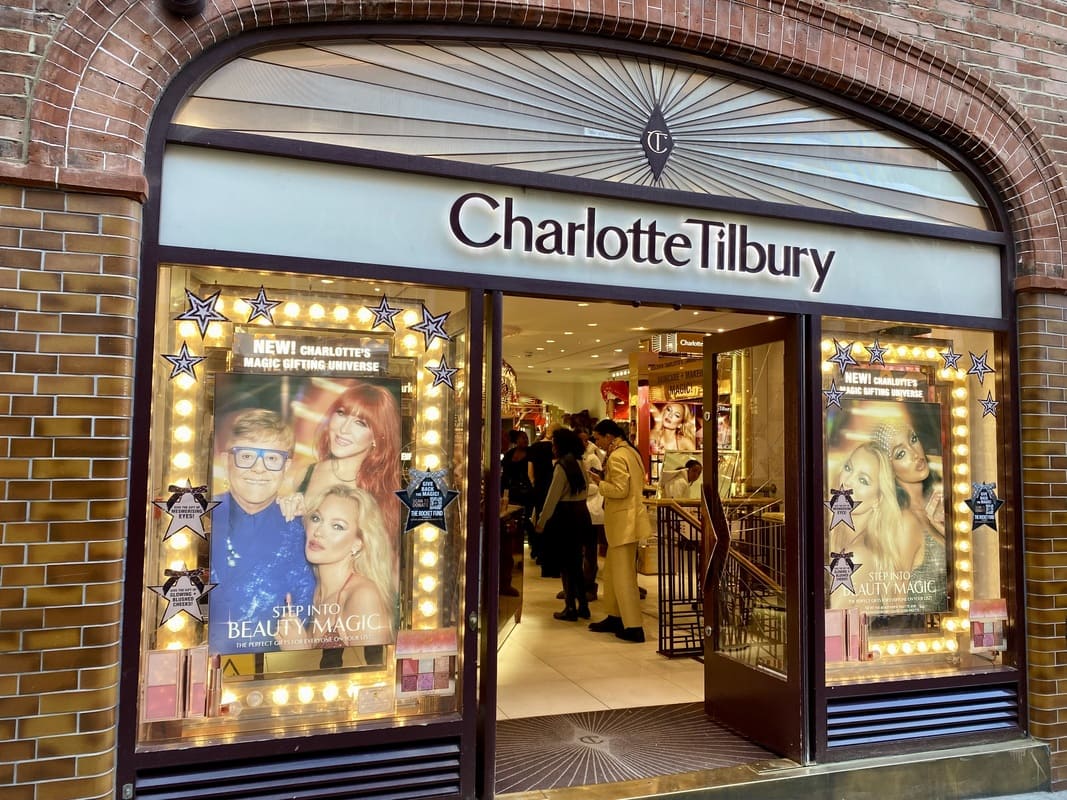
In the previous placement announcement, Puig highlights that with the IPO, a new phase of growth will be tackled, which includes the selective acquisition of new brands to incorporate them into its universe and "capture the attractive growth of the premium beauty sector." Likewise, the company will work to increase its market share in Europe and America and in the fragrance and makeup categories, and will also strengthen its presence in Asia-Pacific and in the dermo-cosmetics and skincare categories.
In addition to Goldman Sachs ---who has advised Puig throughout this process--- and JP Morgan (joint global coordinators and joint bookrunners of the offering), Banco Santander, Bank of America, BNP Paribas, and CaixaBank will also participate in the stock placement in the category of joint bookrunners. In parallel, BBVA and Banco Sabadell will be co-lead managers. Legal advice is provided by the firms Linklaters, Cuatrecasas, and Davis Polk & Wardell.
Add The New Barcelona Post as your preferred Google source for free
Stay informed with the latest news.
