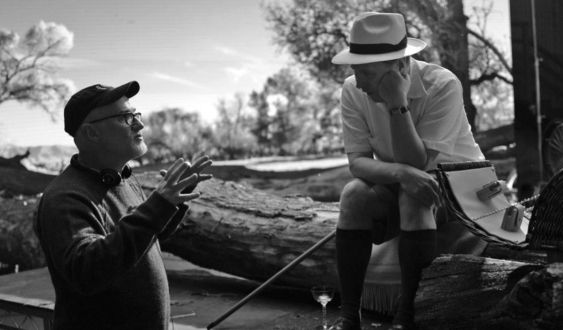
There are three reasons to readily and in advance accept that Mank was the most anticipated film of this year. The first is that its director, David Fincher, is one of the three or four most important directors of this century so far, and the world always awaits his films as true cinematic manna; although he participated in some episodes of the series Mindhunter, Fincher had not made a feature film in six years (since Gone Girl)…, the man who had created addiction to his cinema with titles like Seven, Fight Club, Zodiac, or The Social Network.
[subscribe_newsletter_esp]
The second is that Mank delves into one of the most fascinating controversies in film history, that of the authorship of the screenplay for Citizen Kane, and whose creation process is an essential part of the story told in Mank. And the third and most beautiful reason to eagerly await this film is that it portrays a period of Hollywood, the second half of the 1930s, through the abrasive and cynical gaze of Herman J. Mankiewicz, a screenwriter of sharp talent and immense culture, older brother of Joseph L. Mankiewicz (the director, among other masterpieces, of All About Eve), alcoholic, insolent, brilliant, and the one who, after all, wrote the three hundred pages that Orson Welles would later use to make Citizen Kane.
Well, the world waited with excitement and patience for Mank (in this era when it is the great films that wait for the world, for its recovery and its return to theaters), but it is a Netflix production and, as such, benefits from its dual condition: it premieres in movie theaters this weekend and will subsequently be available globally on the platform's screens.
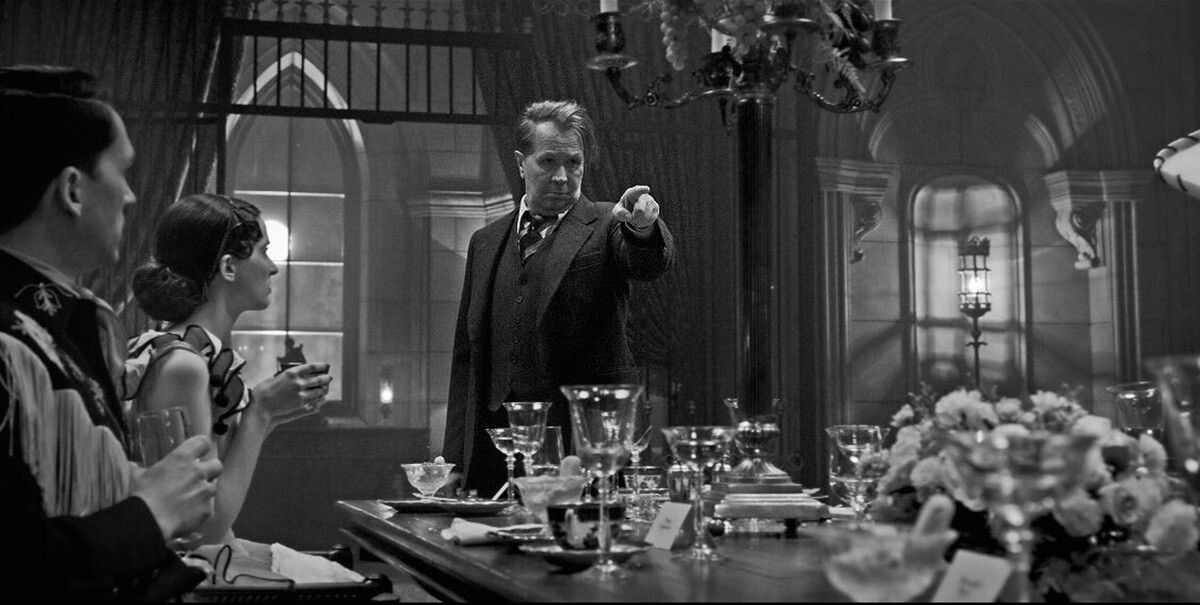
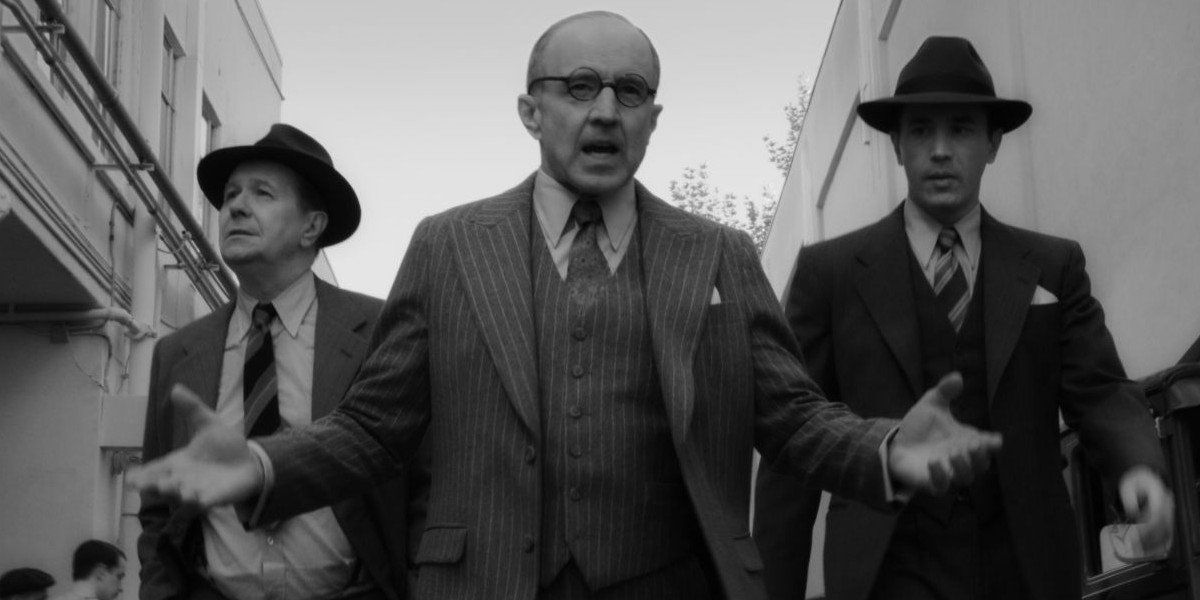
David Fincher chooses to build his story on an old script by his father, Jack Fincher, and also makes two other risky choices that bring him closer to a, let's say, dialogue (narrative and aesthetic) with that cinematic peak that is Citizen Kane. He chooses a black and white that spills the precise atmosphere over the story he tells; and he chooses a very clear structure in two narrative times: the one that shows us Herman Mankiewicz wounded and prostrate in a bed while writing the development of the script that will later be Citizen Kane, and pills from the past (in classic but modern flashbacks) in which the previous years are told, Mank's relationship with the Hollywood of that time, with its big studios and its powerful magnates and stars, such as Louis B. Mayer, Irvin Thalberg or the untouchable William Randolph Hearst, who was precisely the target of Orson Welles' dart ---under the name of Charles Foster Kane--- in his masterpiece.
The portrait that David Fincher achieves of that Hollywood landscape, muddied between political power and artistic creation, is surprising and malicious, although it contains astonishing passages of the backstage and functioning of that whole pulse between force and talent, as well as sublime moments of cynicism, audacity and tenderness, like all those starring the character of Mankiewicz with the actress Marion Davis, Hearst's lover, silent film star and soul without presence in Citizen Kane, because Rosebud, the name of the childhood sled or "Proust's madeleine" of Foster Kane, was also the way Randolph Hearst called certain intimate parts of Marion Davis.
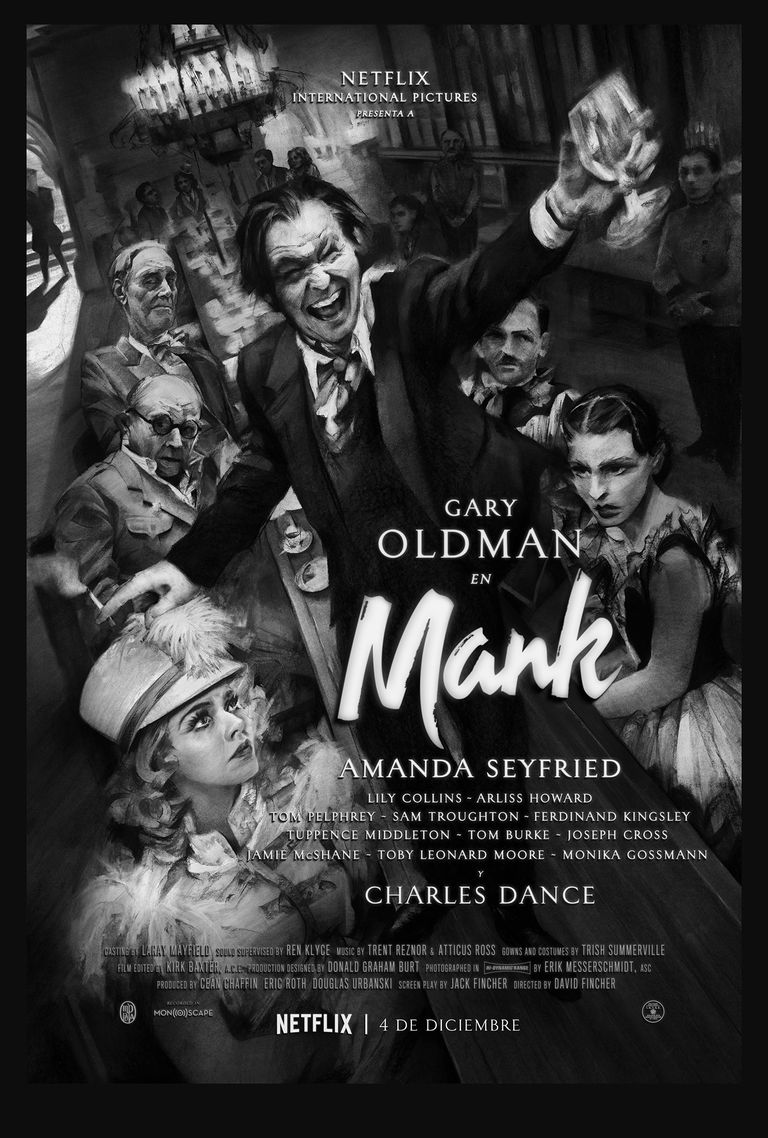
David Fincher's inclination and sympathy towards the figure of Herman Mankiewicz are noticeable, and he delves into his lights and shadowsThe interpretations that Gary Oldman and Amanda Seyfried make of Mank and Marion are full of outburst and emotional chromatism. Both distill that aged aroma of old Hollywood, but also the rest of the actors, Tom Burke (Orson Welles), Arliss Howard (Mayer), Ferdinand Kingsley (Thalberg) or the impressive Charles Dance (William Randolph Hearst). The setting and spirit participate in the hypnotic nature of the story, and Erik Messerchmidt's photography achieves a fabulous assonant rhyme with what Greg Toland did inCitizen Kane.
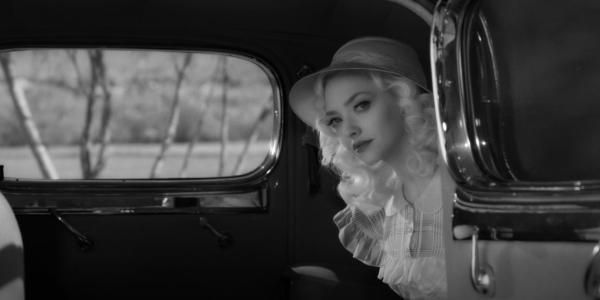
David Fincher's inclination and sympathy towards the figure of Herman Mankiewicz are evident, and he delves into his lights and shadows, and Gary Oldman's own personality, as victorious as he is defeated, as capable of embellishing villainous roles, manages to focus him for absolute comprehension. And, in the end, the uncertainty about the real weight of each of them, Wells and Mank, in the authorship of the screenplay for Citizen Kane, which both signed (after some disputes over the credits) and which surprisingly was the only Oscar won by what is considered by many to be the best film in the history of cinema, remains in the air.
Add The New Barcelona Post as your preferred Google source for free
Stay informed with the latest news.