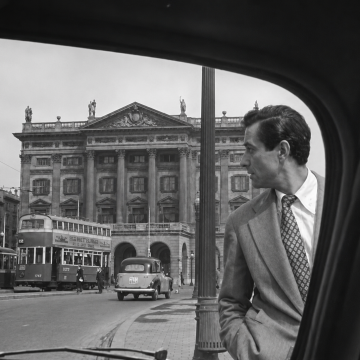
If we could capture Barcelona in a perfume bottle, what thirteen essences would it take to recognize the city? Perhaps one would carry the salty scent of the Mediterranean; another would carry the scent of ancient stone, preserved through the centuries in the Gothic Quarter, among narrow streets and walls that still hold the memory of the city; and there would still be room for the scent of freshly made chocolate on Petritxol Street. Furthermore, surely some of those thirteen notes would, in reality, be a mixture of many others: spices, fruits, herbs, and products from different corners of the world, gathered in the city's markets, as a sign of its multiculturalism.
And perhaps not all of them would be pleasant fragrances.Among them might be the pollen from the plane trees that covers the streets every spring, the fumes of traffic, or even the less pleasant smell of waste that is also part of everyday life in a big city. Because Barcelona, like any complex perfume, is not made up of a single note: its identity emerges from a combination of scents, memories, places and experiences that overlap, and that cannot always please everyone.
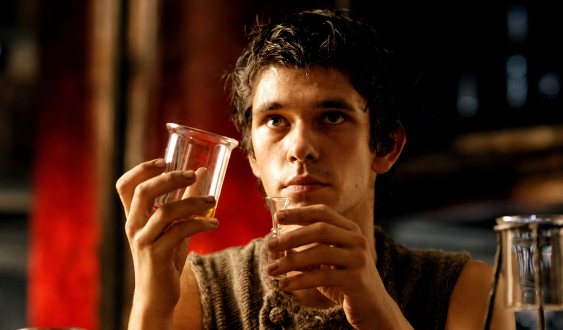
The search for an essence capable of preserving its identity even when disguised as another city Perfume: The Story of a Murderer (2006). Its protagonist, Jean-Baptiste Grenouille, dedicates his entire life to finding the perfect fragrance, capable of making anyone fall in love with him. The character is brought to life by a superb Ben Whishaw, whose magnetic performance carries much of the film's weight alongside extraordinary cinematography and lighting.
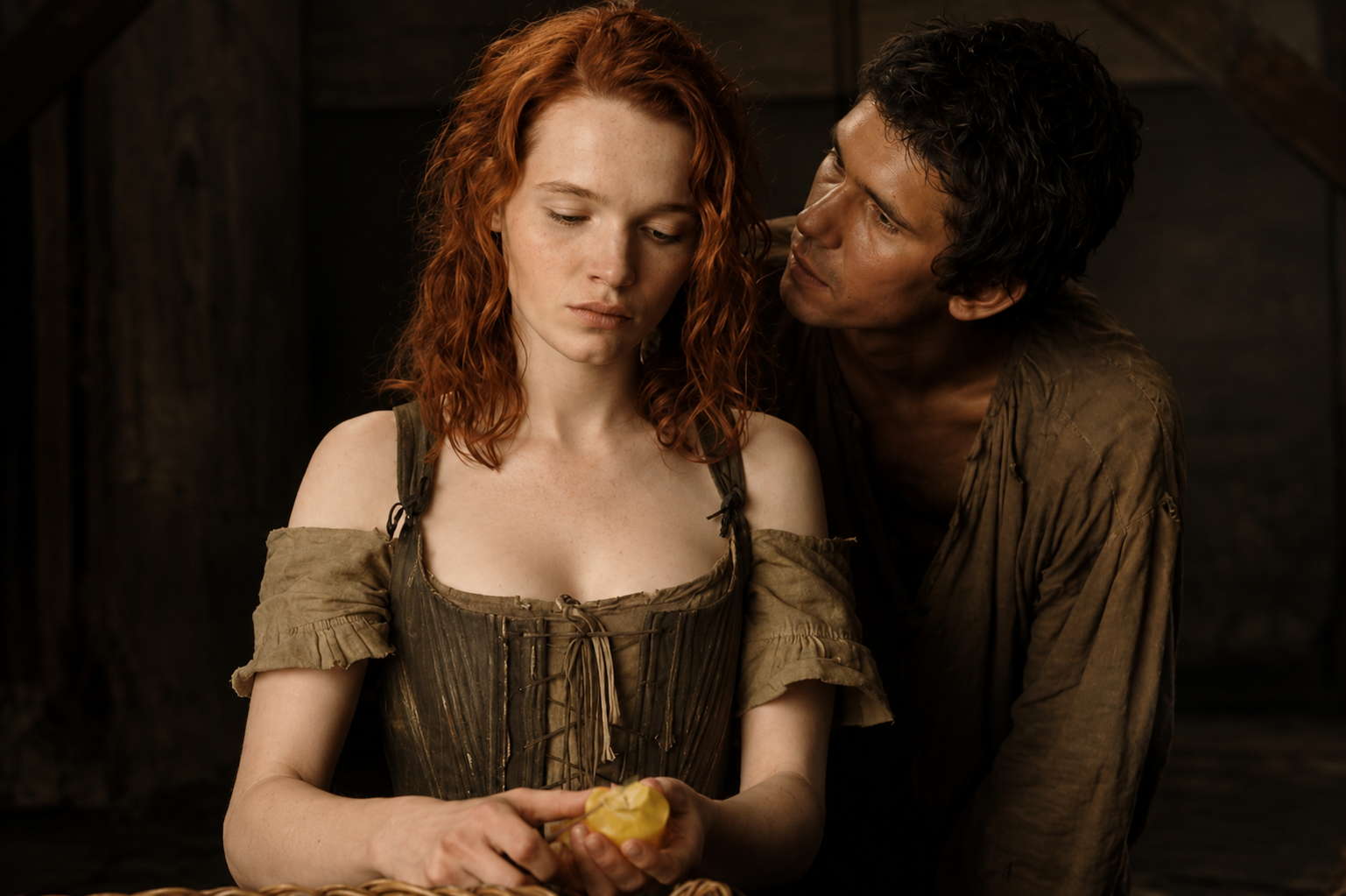
But before he can create that perfect perfume, Grenouille must first find its ingredients. To do this, he follows an ancient formula passed down to him by the renowned perfumer Giuseppe Baldini, according to which all great perfumes are made up of twelve scents and a mysterious thirteenth essence, capable of bringing perfect harmony to the blend. Gathering these notes, and especially finding the thirteenth, becomes Grenouille's obsession, until he begins murdering young women to capture and preserve their aromas, convinced that only in this way can he create the definitive perfume.
Although the story takes place among the markets, alleyways and palaces of Paris at its darkest in the 18th century, a good part of the film was shot in Barcelona and other Catalan towns such as Girona, Figueres, Besalú, Tamarit, or Tortosa. Continuing the chronological journey through Barcelona that The New Barcelona Post takes readers on every Wednesday in Lights, Camera… and Barcelona!, we now travel back to the early 2000s to focus on a production that aimed to transform the Catalan capital into another city. The film's aim was precisely to make viewers forget they were looking at Barcelona. Its streets, squares, and buildings were transformed to recreate 18th-century Paris. But yet Barcelona still left its own mark on every location.
The "unfilmable" movie
Perfume is, in fact, an essential stop on this cinematic journey through the Catalan capital, as it is one of the most ambitious productions shot in Barcelona: a co-production between Germany, France, and Spain with a budget of nearly 60 millions euros, more than 5,000 extras and around 350 crew members during its 2005 shoot.
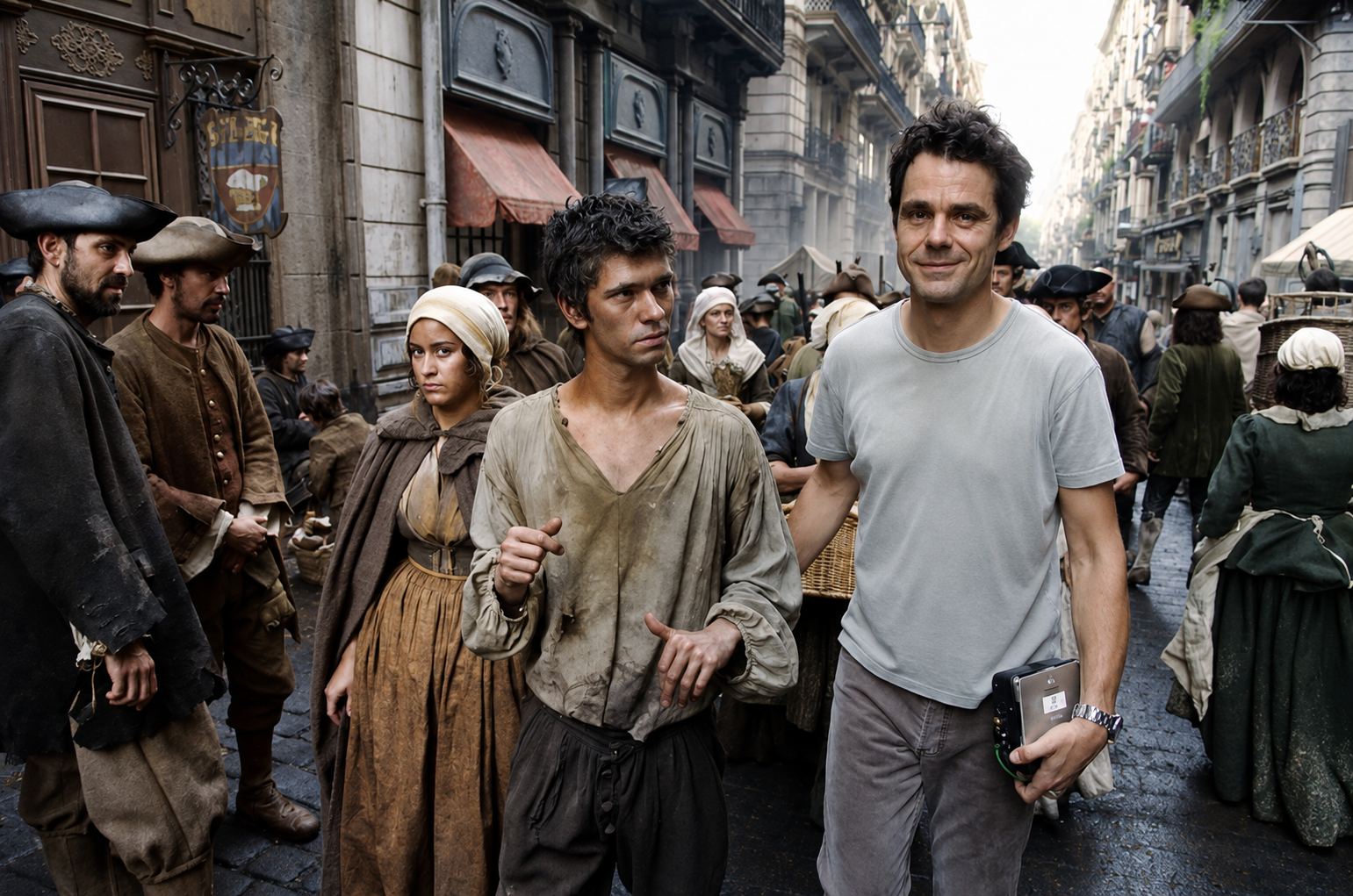
Behind such an ambitious production lay a challenge that had seemed impossible to bring to the screen for years: adapting the eponymous novel by German writer Patrick Süskind, published in 1985 which quickly became a bestseller and was translated into more than 45 languages.
The challenge lay precisely in the novel's defining element: smells, something that cinema, however much it can suggest, cannot show. For years, this challenge led many to consider Perfume virtually “unfilmable”. Directors including Stanley Kubrick, Ridley Scott, Martin Scorsese and Tim Burton showed interest in bringing it to the screen, but none managed to bring it to the screen. Finally, the project fell into the hands of producer Bernd Eichinger and German director Tom Tykwer, who decided to undertake the challenge.
Following Grenouille's trail through hidden Barcelona
Although The Perfume was largely shot in Barcelona and other Catalan cities, anyone watching the film expecting to recognize Barcelona at first sight may be disappointed. In it, there are no postcard views or immediately recognizable locations: the production transformed the Catalan capital to turn it into 18th-century Paris. However, for those who know how to see beyond, the film allows one to explore a Barcelona hidden under another skin. As Grenouille follows the trail of scents, the viewer can follow the small clues left by the city and gradually recognize Barcelona beneath its French disguise.
Then, it's possle recognize Barcelona beneath its French disguise. In the fiction, the protagonist is born among discarded fish and waste in a grim Parisian market. From the very first moment, he is rejected by those around him, but he also reveals an extraordinary sense of smell: he is capable of perceiving and distinguishing aromas that go unnoticed by others. In reality, that market was not in France, but in the plaza de la Mercè, transformed for the occasion into one of the poorest and most decadent corners of 18th-century Paris. From there, his journey begins, marked by a childhood and adolescence spent on the margins of society.
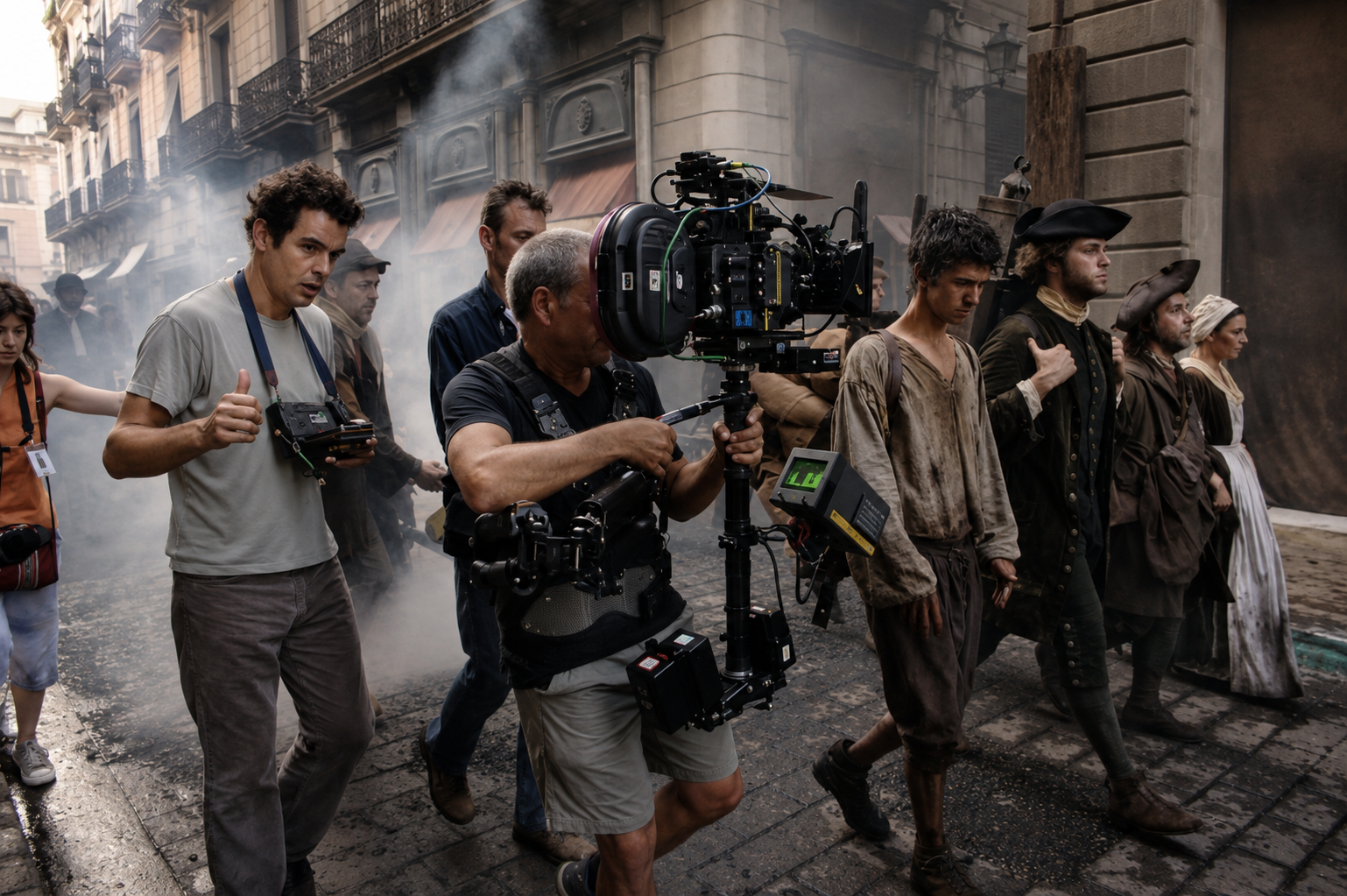
Finally, when the young Grenouille arrives in Paris, he actually does so via one of Barcelona's most central streets: calle Ferran. To turn it into an 18th-century Parisian street, the team transformed its shop windows, added period elements, and covered the street with dirt. The careful lighting, present throughout the film, completed its dark, decadent appearance.
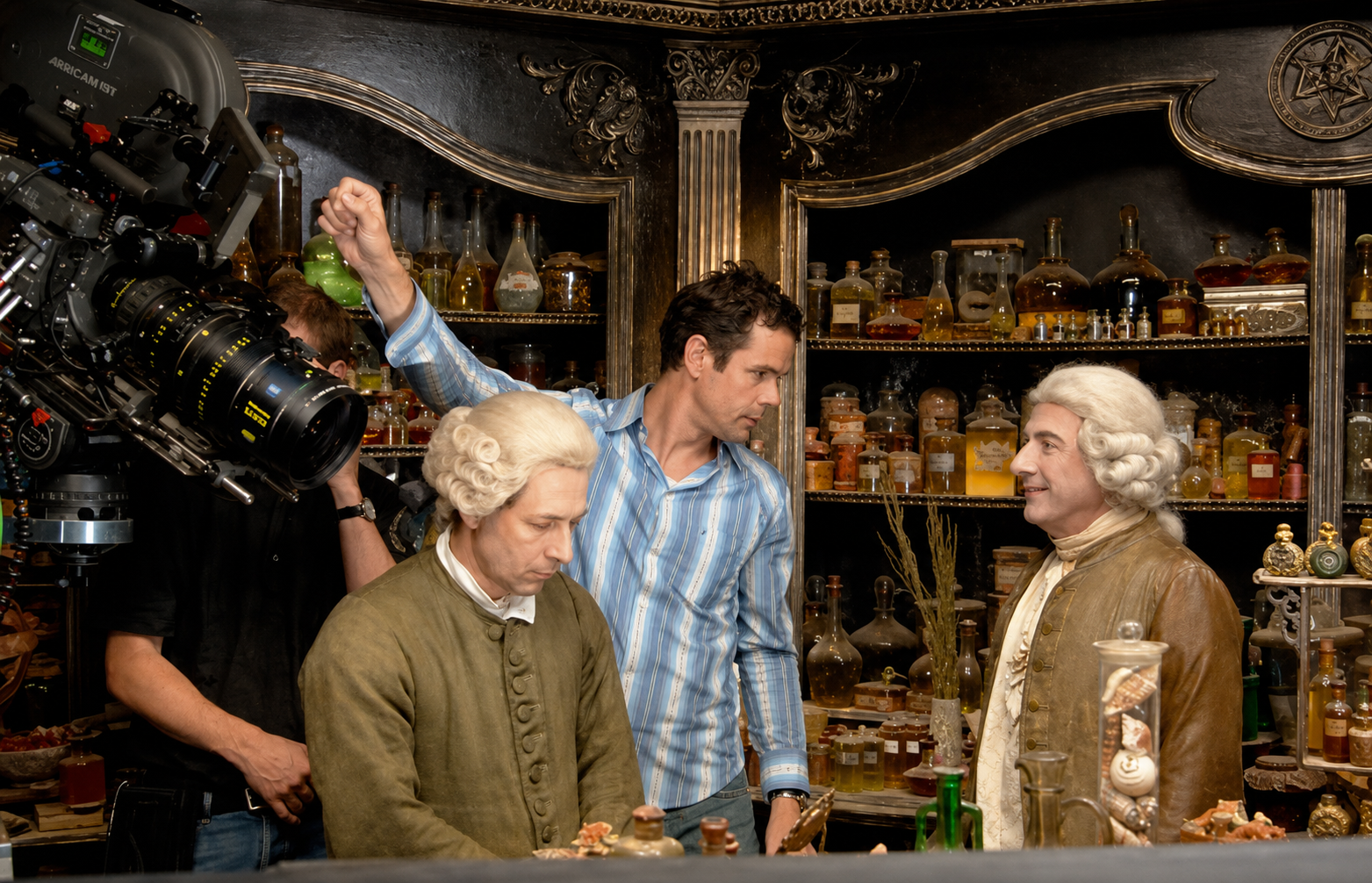
The darkness of the setting is mirrored in Grenouille's own life until he discovers the world of perfume-making. There he understands that his extraordinary sense of smell —which he has possessed since childhood and which he had always considered a disadvantage— can become his greatest virtue. Under the guidance of the perfumer Monsieur Pélissier, he discovers a profession in which his extraordinary gift can finally become an advantage. Pélissier's perfumery was, in reality, the Herboristeria del Rei, one of the oldest shops in Barcelona. Its shelves and its centuries-old atmosphere barely needed transformations to become an establishment in 18th-century Paris.
But Grenouille's journey soon takes a darker turn. The next stop on this olfactory journey through the Barcelona of the film is the Plaça de Sant Felip Neri, the setting for the murder of a young woman whose scent obsesses the protagonist. And the next essence leads us to the Parc del Laberint d’Horta, transformed into the residence of the Richis family. Among its gardens and labyrinthine paths, Grenouille follows the trail of Laura, Antoine Richis's daughter, whose scent he believes is the final piece of his perfume. Laura thus becomes his thirteenth and final essence. Grenouille later follows her to an inn, where he finally captures her scent and completes his creation.
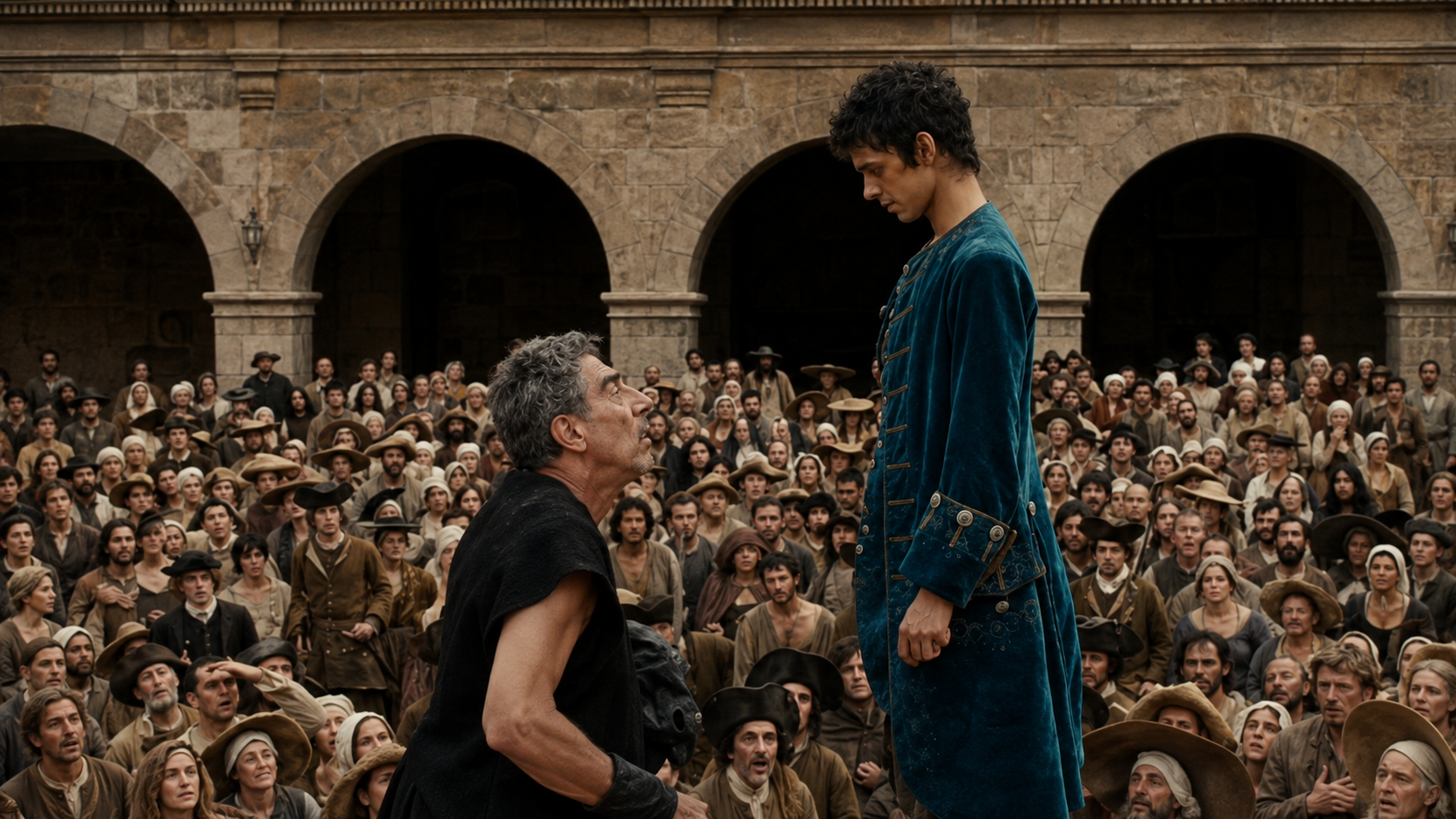
The last note can be found at Poble Espanyol de Montjuïc, where one of the film's most memorable scenes —and also most discussed— scenes of the film was shot. Its Plaza Mayor becomes the setting for Grenouille's execution, before a crowd calling for his death after his string of murders is uncovered. But, just before being executed, the protagonist releases a few drops of the perfume he has created with the scents he has extracted from his victim. The effect is immediate: the crowd's fury gives way to adoration and ecstasy.
Disillusioned by his own triumph, Grenouille returns to Paris at the age of 28, after a lifetime spent pursuing that elusive essence. But he also discovers that it is not enough. The perfume can give him power, admiration and desire, but not what he truly longs for: to be loved.
Upon arriving at the market where he was born, recreated in Barcelona's Plaça de la Mercè, he pours the rest of the perfume over himself. Intoxicated by the fragrance and convinced they are seeing an angel, the characters present approach him and end up devouring him. Grenouille thus disappears in the same place where his story began, closing the circle of his obsession and the innate gift he possessed.
The essence that remains
After tracing the thirteen aromatic notes through the Barcelona hidden in the film, perhaps the question is no longer which essences could sum up the city, but whether it is possible to capture the city in a bottle at all. Like Grenouille, who devoted his life to finding the perfect perfume only to discover that even the most powerful fragrance could not give him what he truly wanted. And Barcelona also seems to have no formula capable of winning everyone over.
And perhaps it doesn't need one. The film tried to hide Barcelona by turning it into another city, but by exploring its settings we can find it precisely in what it failed to erase: its squares, its markets and its streets. The thirteen notes we have traced do not form a perfect perfume, but they do reveal a city capable of preserving its identity even under another appearance.
Because perhaps that is Barcelona's true essence, as Perfume reveals: not a fragrance capable of pleasing everyone, but an identity that, no matter how hard it is hidden, always finds a way to leave its trace.
Add The New Barcelona Post as your preferred Google source for free
Stay informed with the latest news.