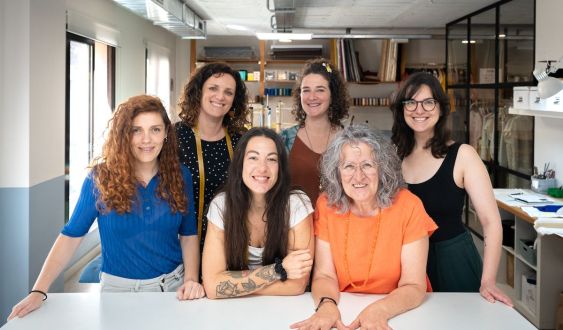
From a small workshop in the heart of Olot (La Garrotxa), Nuria Paguina and the Pattlab (Pattern Laboratory) team have been responsible for shaping and creating patterns for clothing brands recognized worldwide. Names like Pimkie, Zalando, Stradivarius, Zara, or Bershka are just a few examples within their large and varied client portfolio. Consolidated fashion brands that, despite having a large team of professionals, need to outsource part of their pattern-making process to respond to high production.
Even so, for a couple of years now, this studio has decided to change its strategy and focus mainly on another type of client: emerging designers who are just starting their journey and do not have the necessary resources to invest in the software and technical equipment required for pattern making. A part of the creation process that, although often invisible, is essential to make any design a reality. And it is that without well-elaborated patterns, it is difficult to transfer the design to a real piece.
For this reason, large fashion brands have an extensive team of pattern makers who, before producing a garment, design these patterns. "For a couple of years now, we have decided to restructure the studio to prioritize these emerging brands and also bet on more sustainable and local fashion," says Nuria Paguina, founder of PattLab. Furthermore, it is precisely with this type of incipient brands that the Pattlab team can truly accompany the entire pattern-making process, from the first sketch to sending the designs to production.
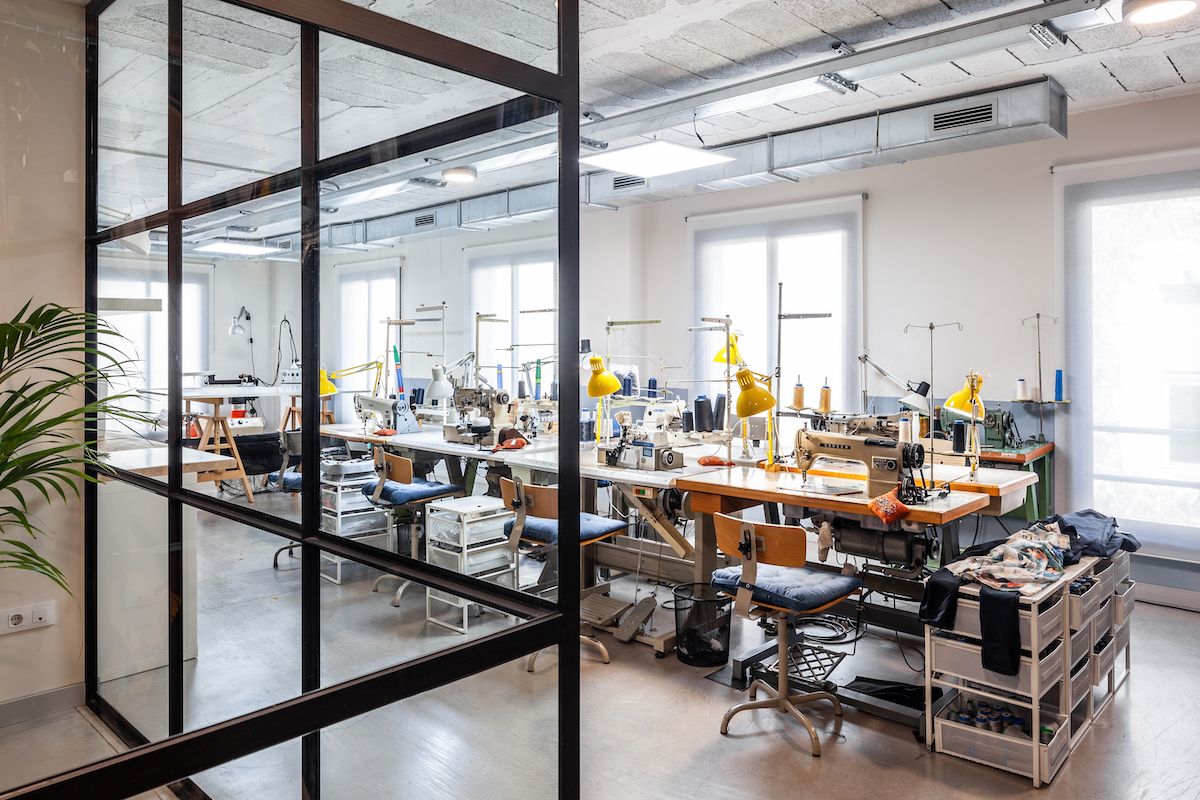
A long process that includes several stages, from initial technical advice to the creation of digital patterns, the scaling of different sizes for each piece, or the 3D simulation of designs before sending them to production. In the studio, which works on patterns entirely digitally from the beginning, sewing machines are also present, as they also make prototypes to show clients. Although the laboratory does not directly produce the final pieces, they do have a network of small workshops in Catalonia, Portugal, and Morocco to manage their subsequent production.
"It is with this type of brand that our work truly makes sense, since from the studio we can accompany the process from the first sketch until it is sent directly to production, saving these brands the initial investment required for a pattern-making team and guaranteeing them that, at a minimum, they will be able to move forward with their first collection," Paguina defends. Thus, thanks to the PattLab team, designers have the opportunity to design their pieces without allocating a high investment for the necessary technical equipment. An investment that can also amount to 20,000 or 30,000 euros, which is the budget Paguina had to invest when she founded PattLab more than a decade ago, a studio where she began working autonomously and which has scaled up to currently have four more people.
During these years, they have been able to work with emerging brands such as Rita Row, Noni Barea (a brand also born in Olot) or Baymo, a company they have been working with for four years and whom they have helped to grow and consolidate. And all, from the heart of La Garrotxa. "11 years ago I decided that I would prioritize where I wanted to live and I decided to set up my trade here too," Nuria expresses, although she acknowledges that the location has never been an inconvenience for her business.
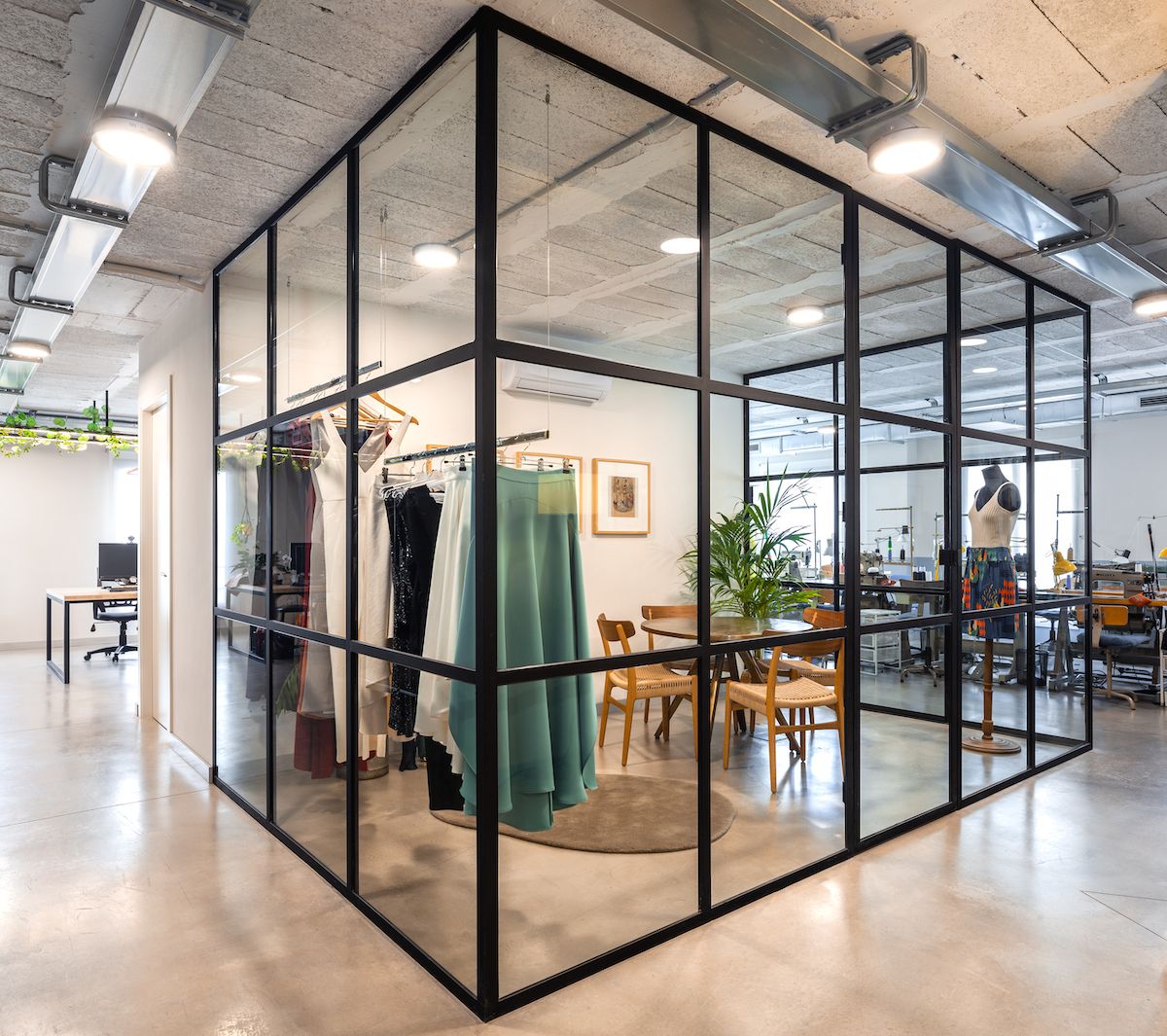
Precisely, one of the keys to the success of this pattern-making workshop is that from the beginning they have made patterns digitally, in a sector that, especially a decade ago, had not yet fully integrated technology and many processes were still carried out manually. Thanks to Paguina's previous experience in fashion multinationals, from the beginning they started working with Gerber AccuMark software, and since then she has not had the need to do any part of the process manually.
This highly digitized process is precisely the key that has allowed them to work with big names in the fashion sector, such as Zalando or Inditex, without leaving Olot. From this small laboratory, Paguina and her team have been able to work with a wide variety of Catalan brands, but also from all over Europe and even the United States, with companies aimed at all types of audiences, from children's to brands of suits for guests, although they have specialized in prêt-à-porter clothing, that designed to be used on a daily basis.
In addition, another of their strong points is that they have specialized in designing the different sizes of the same garment very precisely, based on a precise study of anatomical measurements. "We help companies create technical bases for their patterns, so that their customers can always buy the same size without surprises, guaranteeing that in the same store the sizes will always be consistent." "It is very important that companies have a clear target audience, because the sizing will vary greatly depending on the body type and customer they are targeting in each case," Paguina argues.
Add The New Barcelona Post as your preferred Google source for free
Stay informed with the latest news.
