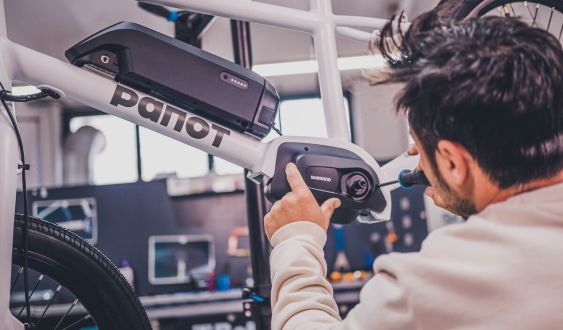
The urban electric bicycle market has a new brand since this September: Panot. It is a business project with Barcelona roots led by entrepreneurs Didac Sabaté and Álvaro Ovejero, who want to respond to the needs of an increasingly conscious environment committed to sustainable urban planning. To do this, they have chosen Barcelona, "a leading city in mobility that is transforming itself to position itself as one of the most active European capitals in terms of sustainability," explains Didac Sabaté.
Thus, they have designed and developed the Panot model with a multidisciplinary design and engineering team established in Poblenou; they have closed a component supply agreement with Shimano, a Japanese multinational manufacturer of cycling components based in Sakai, and have chosen a bicycle manufacturer in Porto (Portugal) to produce and assemble the components. "If we had chosen to manufacture in China, like many other brands, our product would have already entered the market constrained, and what we are looking for is to develop a long-term brand project, which is why we have chosen the best Japanese supplier and produce in Europe because it reaffirms our commitment to sustainability," adds Sabaté.
To start, about 300 units will be released to the market by the end of the year, and the manufacturing target for 2022 is to reach 1,000 units sold. The Panot model ---which can be seen and tested in the showroom that the company has in the center of Barcelona--- will be sold at a price of 2,400 euros and can be acquired under a leasing regime for the first 6 years to then own it or through other forms of financing offered by the company.
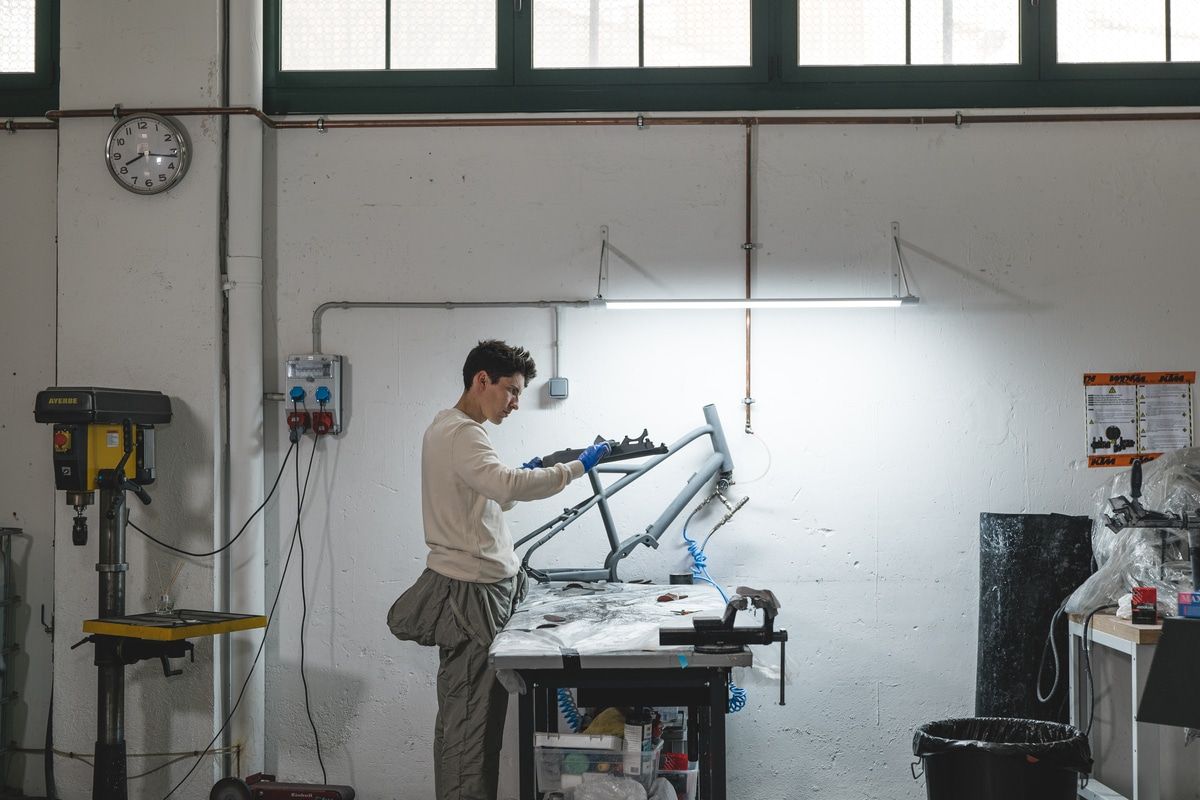
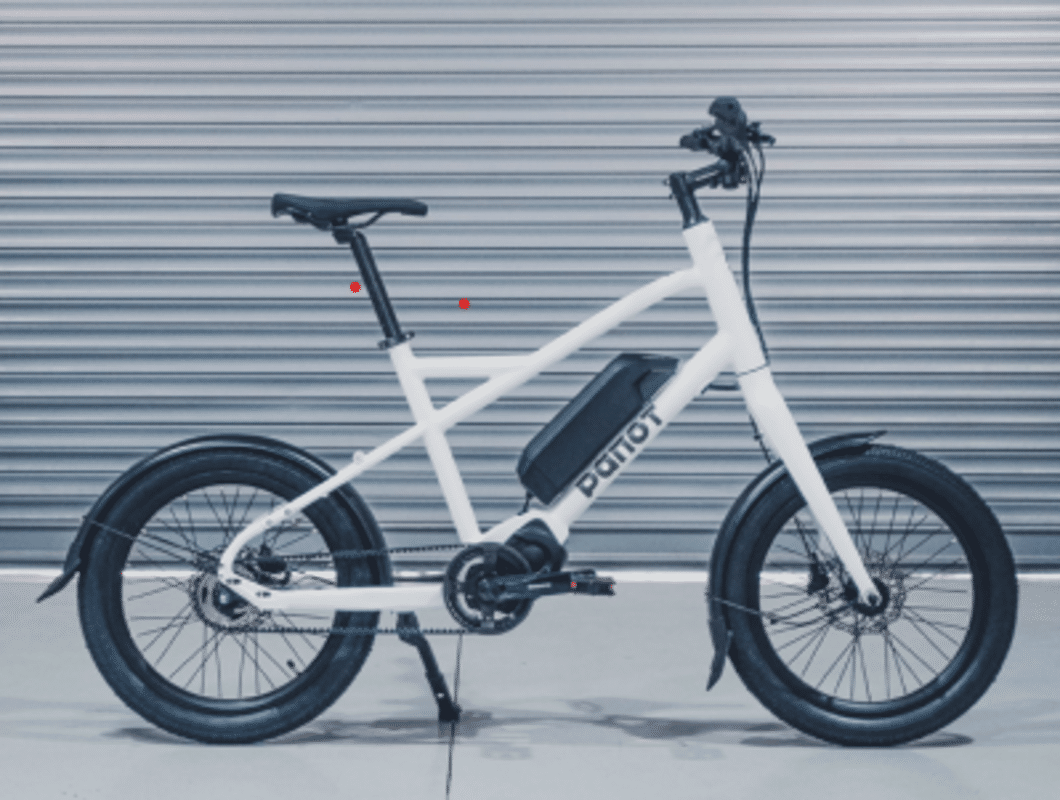
"We have designed and developed the product that we believe is most suitable for getting around a city like Barcelona," states Sabaté, highlighting "the reliability and functionality" as well as the design they have achieved, which make "Panot an ideal vehicle for urban micromobility, for journeys under 10 kilometers," as it offers a range of 185 kilometers (about 72 hours) with standard use of the vehicle. The model that has been released to the market is not one hundred percent foldable, but it incorporates a removable battery to facilitate recharging and a Shimano Steps E5000 electric motor, 20-inch wheels, and a transmission and braking system suitable for city commutes.
The choice of this vehicle also has to do with the brand's message of sustainability, according to Álvaro Ovejero. "85% of bicycle journeys in the city are less than 10 kilometers because there is no network of interurban accesses that allows easy movement around the metropolis," indicates the co-founder of Panot. With the data available to the company's managers, the average speed in city centers is only 10 kilometers per hour, and if we add to this that 68% of the population will live in cities by 2050, the bicycle is reaffirmed as the most agile mode of transport for urban distances between 10 and 15 kilometers.
Didac Sabaté, with marketing experience in one of the leading companies in the cycling sector, and Álvaro Ovejero, a professional linked to the industrial and financial sector, launched the Panot project a year ago. The initial investment, 50% financed with own resources, has been 800,000 euros, and they are currently refining the business plan to access European Next Generation EU funds. The purpose is to expand the brand in cities like Madrid and Valencia, and then tackle European markets where the use of urban bicycles is more consolidated.
The company plans to commercialize about a thousand units in 2022 and open markets in Madrid and ValenciaThe brand name that reproduces the flower tile, Barcelona's iconic tile, will also be an international draw. The tile, designed at the beginning of the 20th century, solved an urban problem that the city suffered: when it rained, the streets turned into a quagmire as a result of poor paving, and the tiles allowed the creation of mosaics and textures, thus ending the fragmentation of the streets. Hence the Panot brand, a representation of the innovation, transformation, commitment, and design that Sabaté and Ovejero want to address from the company. In their case, not to fight against the rain, but to reduce the density of motorized vehicles circulating through the city, which are the main source of pollution.
Add The New Barcelona Post as your preferred Google source for free
Stay informed with the latest news.
