John and Paul invite in unison, whoever listens, to enroll in their mysterious magical tour: "Roll up / to the Magical Mystery Tour", they intone, in a clever play on words that alludes to rolling a joint of laughter and traveling far away. Their voices wrapped in an extensive and perfect echo effect, underlined by the dry beat of Ringo's drums, that's how the magic of producer George Martin sounds in the studio.
It is at that precise moment, already late at night, when Paco Villar makes an appearance at the Bar to ask for "a single malt whisky" and rejoice at the happy coincidence on the background music, a Beatles lover as he is.
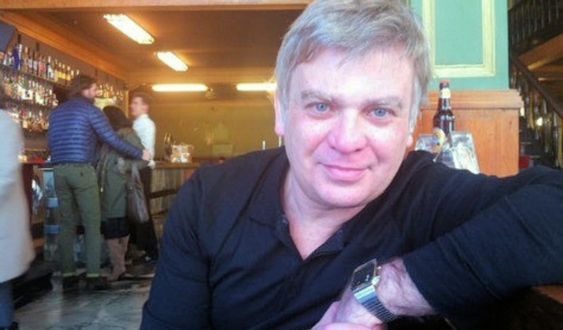
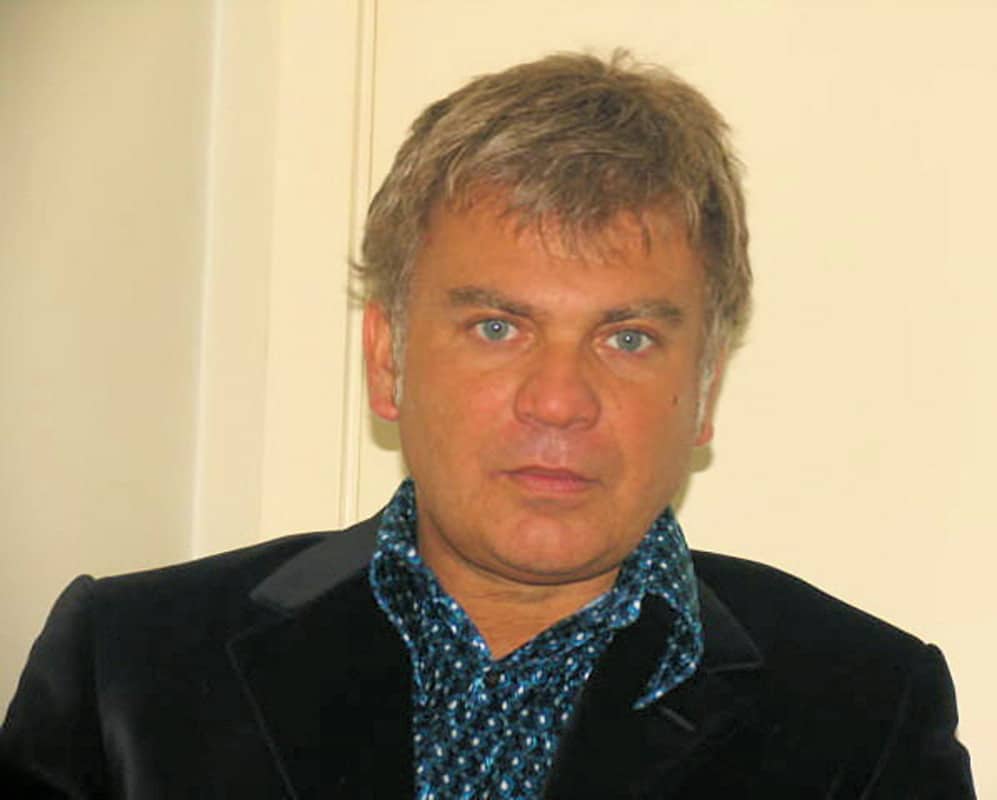
"I am a writer and historian of the city of Barcelona. I have written books about the daily life of the city in different eras," briefly explains the author of such fundamental works as History and Legend of the Barrio Chino; Barcelona, City of Cafes; La Criolla: the golden door of the Barrio Chino or the recently baked When Wealth Rubbed Shoulders with Hunger (Ajuntament de Barcelona), an impressive journey through Barcelona's post-war leisure, where an opulent and rich bourgeoisie and the misery of the most marginalized neighborhoods converged in venues, customs, characters and unconfessable vices in a Barcelona hitherto unseen.
All this work has made him a reference city chronicler, something he is reasonably proud of: "I have contributed a different way of explaining the history here, between journalism and research, as if it were a lived story. That's what critics and readers have told me."
--Well, critics and readers are, we are right.
And everything changed in Sant Antoni
Paco Villar was going to be a lawyer. When he finished his law studies, he found himself going through "a very dispersed stage, in which I didn't really know what to do, although the idea of writing was latent within me."
Everything changed or, rather, took shape "in one of my Sunday forays into the old book market of Sant Antoni, when a book titled Prostitution after the Spanish Civil War from 1977, by a little-known writer named José María Cañas, fell into my hands. The book dedicated several chapters to Barcelona's Barrio Chino before and after the war, very superficially, but the topic interested me a lot."
That was a decisive turning point that launched Paco into investigating "and writing my book Historia y Leyenda del Barrio Chino (1900-1992)" and, by extension, projected him as a city historian and an envied collector of books and bibliographic material on Barcelona's infrahistoria, bringing back to the present names from the past such as Francisco Madrid, Francisco Oliva, Doménech de Bellmunt, Joan Llarch or Josep Maria Planes, among many others.
--And now, what are you up to?
--I'm writing another book about another fascinating story of Barcelona and, once finished, I want to immerse myself in my first novel.
A city with a rebellious character
Born in Barcelona in 1961, Paco confesses that what he loves most about it "is its rebellious, transgressive and cosmopolitan character. A city open to all trends, avant-garde and looking towards the future without forgetting its past; although it seems that at the moment we are in an involutive period."
At the same time, he detests "the attempts to want to turn Barcelona into a provincial city." And he does so with that grimace of sadness of someone reflecting on what could have been and was not.
"I was born here, I feel very Barcelonian and the history of this city has captivated me. Especially that history that no one talks about or writes about, which often remains hidden," he boasts, before interrupting the tasting of his single malt whisky and going out to smoke a blond cigarette.
--Will you want to snack on something later?
After thinking about it for a moment, he accepts and announces that he will opt for some ration.
Add The New Barcelona Post as your preferred Google source for free
Stay informed with the latest news.
