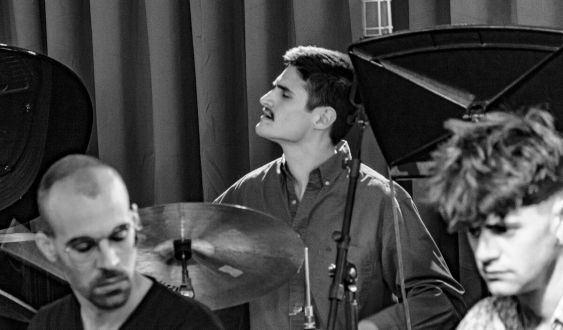
A little over a year ago, drummer, vibraphonist, and composer Pablo Ruiz Serra experienced a major life and musical crisis. "I felt absolutely empty and burnt out. I disappeared off the map for a few months and went to a cabin in the mountains. I meditated deeply. I had to sow again on the burnt fields, but I had no strength. I decided to travel starting with Africa, but without a fixed destination. I said goodbye to everyone, as I didn't know if I would return. Perhaps it was time to start from scratch somewhere else and even abandon music as a way of life. Finally, I returned. After that trip, I learned a lot about myself and confronted many complexes and insecurities."
Leaning against the bar, a non-alcoholic beer in hand, with Ravi Shankar's Morning raga in the background and keeping pace with the morning hours, the Moyan musician assures that, after that trip, he learned "to be patient and not so demanding. To let myself go more, but without losing direction. To have a healthy relationship with my work and my passion. Now I have the strength to keep growing."
It is surprising to hear such a mature discourse from someone so young, still in their early twenties. Although it is understandable when one knows the bumps he has overcome, such as the recently mentioned crisis or a previous injury, which affected his infra-spinous and supra-spinous nerves and prevented him from studying drums for more than a year and a half. "I kept doing concerts, I would finish with a lot of pain that could persist for days or weeks. Before the injury, I used to play at least eight hours a day, so that was a very big cold shower that led me to get depressed and to wonder if I could really continue with music. But a bad weed never dies and you get out of everything bad and, what is more important, you learn. In my case, I learned to value rest and to study from mental visualization and not so much from the instrument." And, incidentally, he also took advantage of that impasse to compose and learn to play the trumpet.
--Hey, and does this jazz thing come from way back?
--Yes! I started playing drums at 13 and at 15 or 16 I fell in love with jazz after listening to Moanin' by Art Blakey and the Jazz Messengers. Since then, learning and listening to jazz became my obsession and I couldn't do anything else.
His training is triangulated between the Cal Moliner Municipal Music School in Sallent, the Liceu Conservatory, and the Sant Andreu Jazz Band, in addition to having shared stages, melodies, and, in some cases, recording studios with a large cast of musicians that includes Scott Hamilton, Dick Oatts, Joe Magnarelli, Nico Gori, Yo-Yo Ma, Ramón Cardo, Ignasi Terraza, or Benet Palet, among many, many others.
Dancing with fortune
"I would tell you that I am a seeker. I have always sought to find myself in everything I do. A lover of extremes and contrasts, from sports to art, I will tell you that I feel fortunate to have been able to grow in the environment I have, with the facilities I have had. I never lacked food, shelter, security, and education. I would also highlight the luck I have had to be able to share stages and trips with great friends, people, and musicians. Inspired and inspiring people. It makes me proud and very happy to be able to say that I make a living from my projects and doing only what I like," explains the musician.
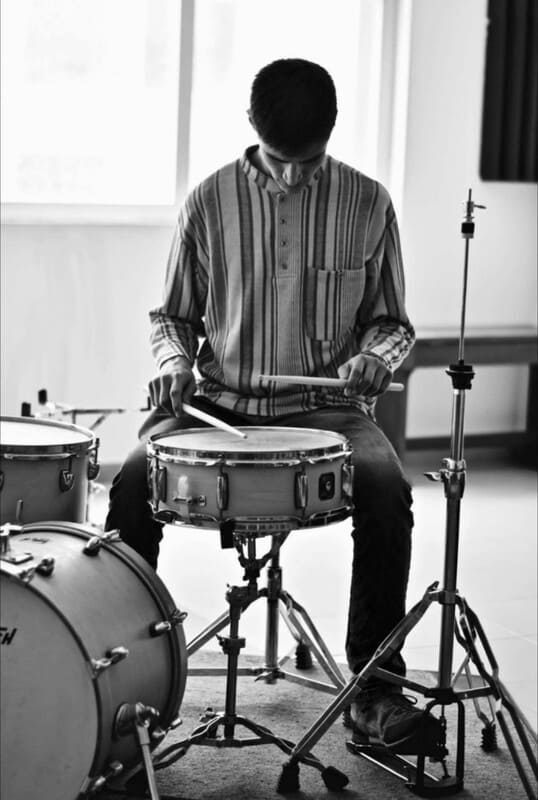
And yes, the word luck resonates in his words, but for it to dance with you, you have to work hard. And the parishioner doesn't stop. To begin with, at 21 years old (three years ago) he takes the plunge to lead a band. "Los Swing Engine are led by Joan Torrentó and me, and right now, we are cooking our second album. With them, I do most of the concerts." This Christmas alone, they have given more than twenty recitals.
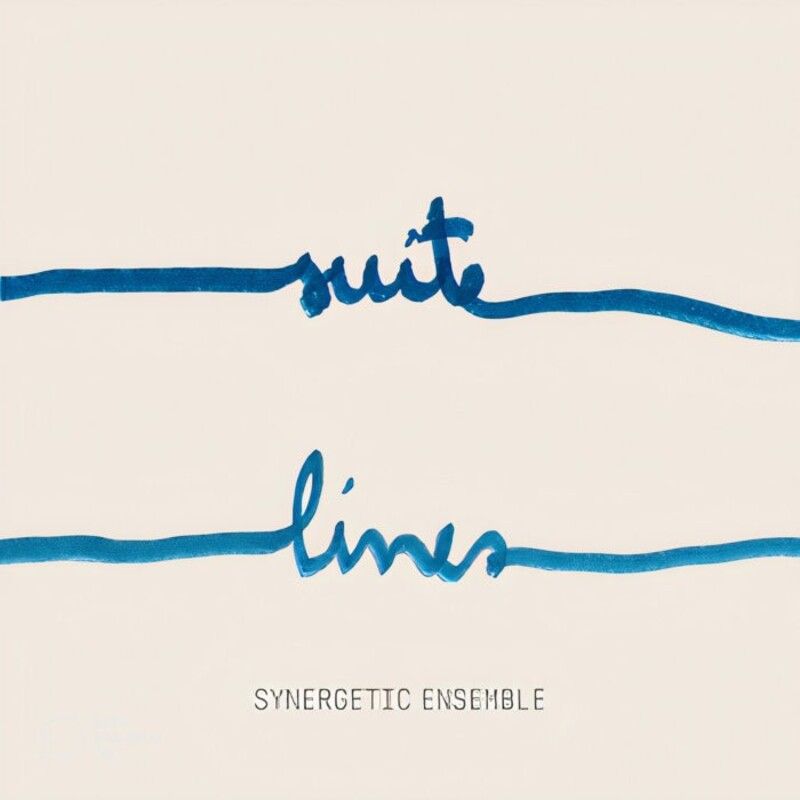
However, his most ambitious project is Synergetic Ensemble, which was born from his graduation at the Liceu. "I put together a dream big band, with a very carefully selected group of musicians, and I composed and arranged for them a suite that has just been released on CD under the name of Suite lines. I would like to be able to present the album live. In parallel, I want to give continuity to another project by arranging themes by Giulia Valle, who plays the double bass with the Ensemble."
Dealing with the rigors of digital marketing to promote his work, the artist faces 2023 "with great enthusiasm and strength," with various challenges that, in addition to those mentioned, include the gestation "of an editorial label that promotes minority and protest music, with which one can publish without hardly ceding rights, at a low cost and in the most ethical way possible."
A city that has to think about musicians
In reference to the jazz scene in Barcelona, Pablo Ruiz Serra highlights that "it is of a high level, but too underground for it to be considered a reference city in European jazz," and demands that administrations "provide facilities for live music to be programmed and for musicians to have decent working and living conditions."
But, to begin with, access to the city alone is complicated. "I can't enter with my old car, because I'm poor and can't afford one up to the standard of the Low Emission Zones. How am I supposed to carry the drums or the vibraphone, then? The law against climate change is as necessary as it is poorly conceived!" he protests, finishing his beer.
--But, then, what would you say is your relationship with this city?
--I must admit that I don't like Barcelona very much. Anyway, I've always been very much a small-town person, and proudly so! In any case, it must be said that it has many good things, so I don't mind coming down once in a while to play and visit friends.
--And, I say, to try some of the gastronomic delights served here, or aren't you going to have lunch?
Pablo Ruiz Serra then bursts into a clean laugh and orders another non-alcoholic beer to accompany some tapas.
Add The New Barcelona Post as your preferred Google source for free
Stay informed with the latest news.
