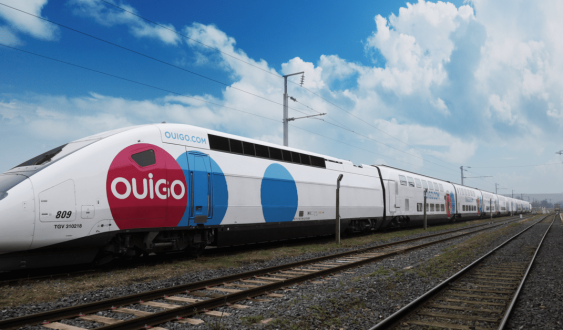
Renfe's AVE will no longer be the only way to travel to Madrid by train starting Monday, May 10. After many years of waiting, and once the state of alarm and perimeter confinement have been deactivated, the public high-speed operator will finally have competition, as the French railway company SNCF begins its activity in Spain through its low cost brand Ouigo, launched in France eight years ago. "Our goal is to popularize this means of transport with a simple, flexible, and high-quality offer at a low price," explains the company.
Tickets for the Barcelona-Madrid corridor, with stops in Tarragona and Zaragoza, can now be purchased online starting from 9 euros. It is unknown how long this promotional fare will last, but tickets at that price can currently be found for travel any month this year, until December 11. This is a dynamic fare, so tickets are cheaper the further away the departure date is. In May and June, for example, fares range between 9, 15, 19, or 25 euros.
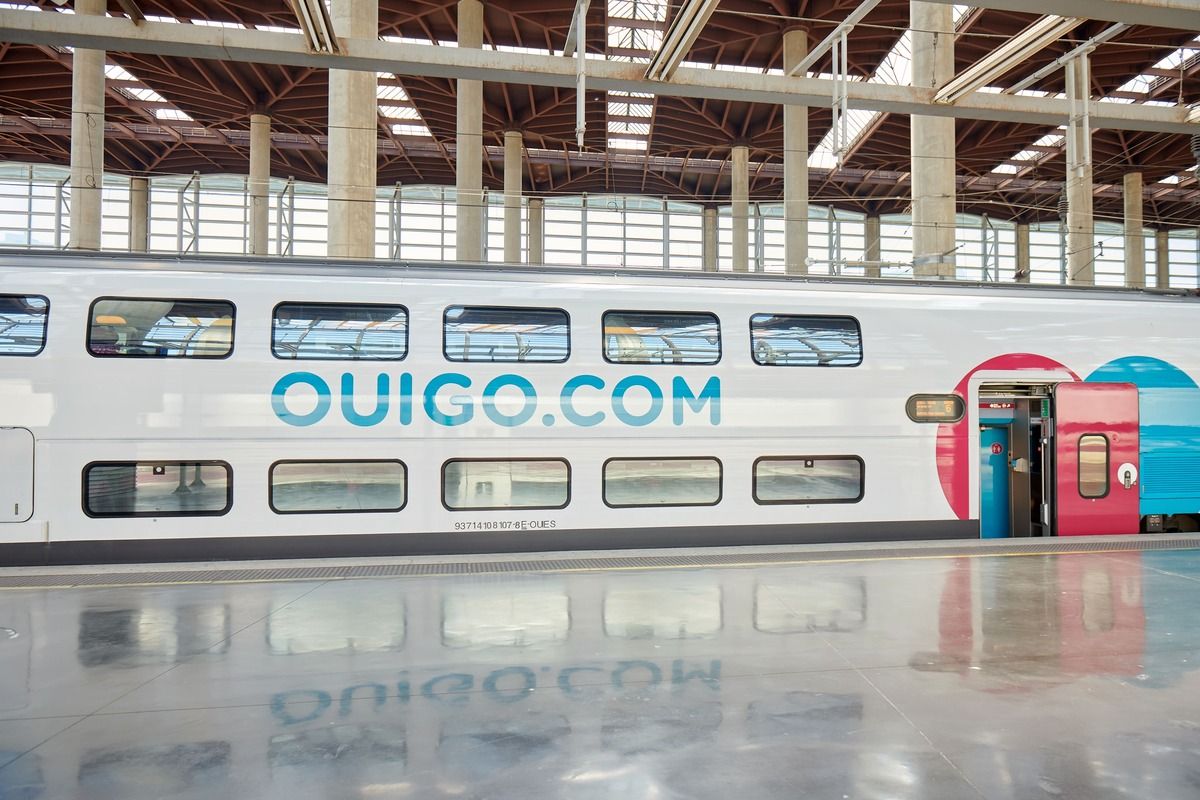
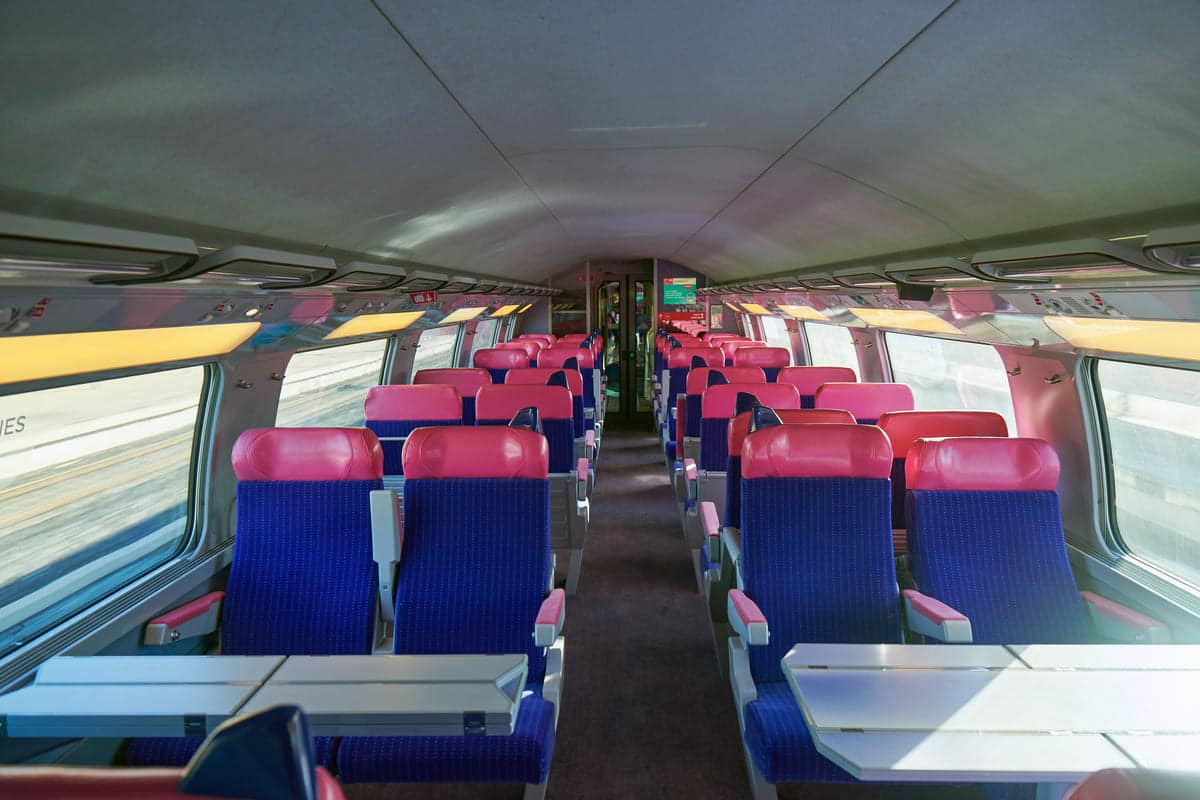
Ouigo, which uses 14 latest-generation, double-decker trains manufactured by Alstom, will offer up to 30,000 seats per day, with a total of 10 daily departures (five in each direction) that will connect Barcelona and Madrid in just 2 hours and 30 minutes. Tickets allow changing the passenger's name up to the day before the trip. For an additional 9 euros, the premium option (Ouigo Plus) can be enjoyed, which includes additional entertainment and comfort services. There is also the possibility, for an additional 7 euros, to contract Ouigo Flex, a fare that allows passengers to make unlimited changes to their travel dates up to 30 minutes before the train's departure. All management is 100% digital, through the company's website or its mobile application.
The new high-speed operator assures that it will create 1,300 direct and indirect jobs in Spain, including drivers, crew members, food suppliers, and cleaning staff, among others.
The plans of the French company do not stop here. Its intention is to extend to other high-speed corridors and also bring its trains to the cities of Valencia, Alicante, Córdoba, Seville and Malaga. In France, Ouigo has been operating since 2013, with an offer of more than 40 destinations that already totals more than 68 million passengers.
"Spaniards have shown that they want to travel, and Ouigo is already here to make high-speed rail accessible to everyone. We also want to start and make our more ecological and digital mobility model a reality, offering an alternative means of transport at a very affordable price that will encourage many citizens to opt for this less polluting solution than the car, coach or plane," said Hélène Valenzuela, general director of Ouigo Spain, during the inauguration ceremony held this Friday at Barcelona's Sants Station.
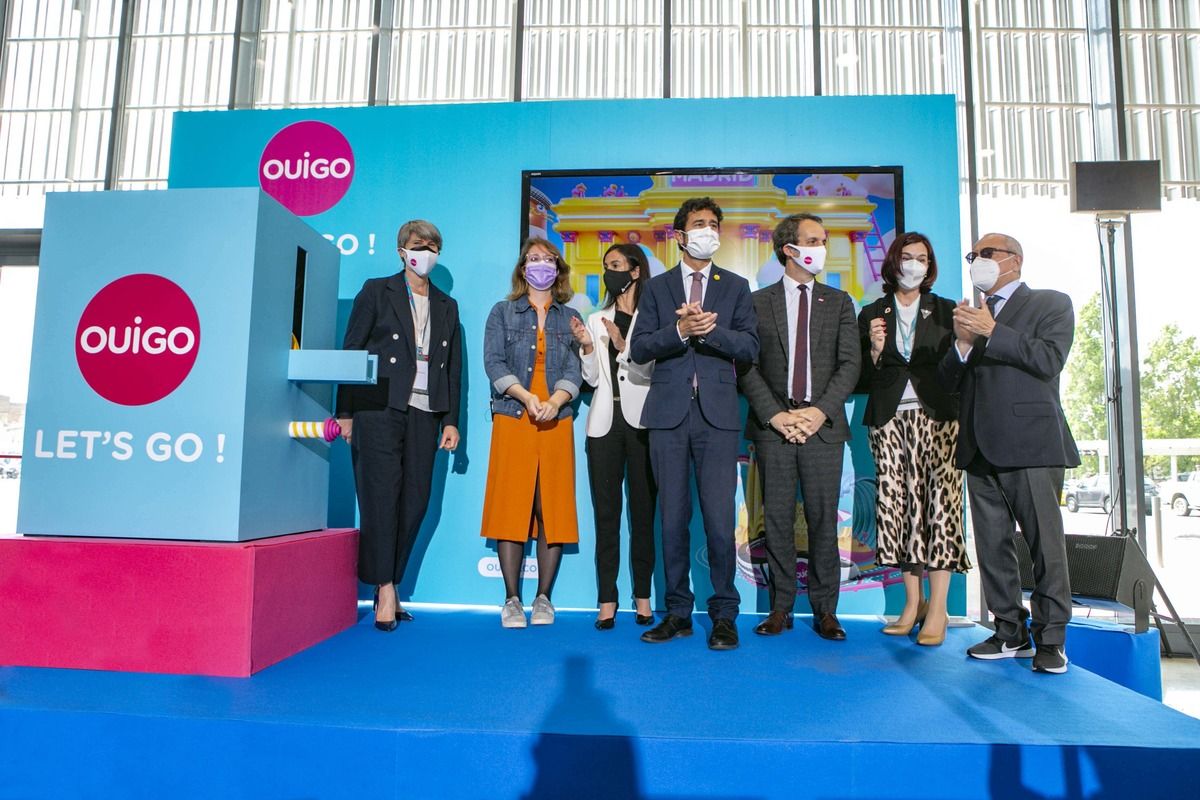
For his part, the Minister of Territory, Damià Calvet, considered that we are facing "a historic day for Catalonia". "This liberalization of high-speed rail will help us fight against climate change. The great challenge we face in this century. More market share for the railway is good news for the planet," Calvet pointed out.
Finally, the president of Adif ---the public company that owns the infrastructure where trains circulate---, Isabel Pardo, emphasized that with the liberalization "the new Golden Age of the railway begins", since Ouigo will not be Renfe's only competitor, as "there are more to come".
Add The New Barcelona Post as your preferred Google source for free
Stay informed with the latest news.
