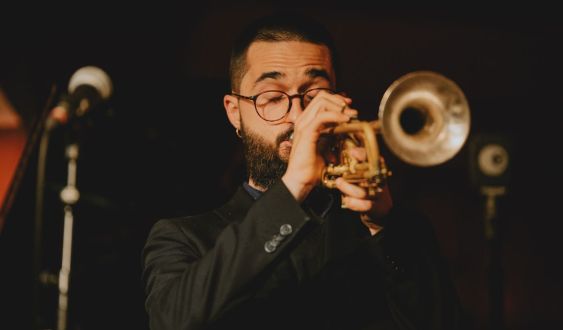
"The Jazz Cava of Terrassa, my hometown, has played a fundamental role in my development as a musician and as a person. At 16, when I finished studying at the conservatory, I always went there, to participate in the weekly jam sessions of the venue, or to see great artists like Dennis Rowland with the Big Band Jazz Terrassa or Ambrose Akinmusire." The trumpeter, composer, and arranger Oriol Vallès recalls that adolescence with an unbeatable soundtrack at the bar, enjoying a beer in the late afternoon and with a background silence, "with which one converses very well."
---Does your musical talent come from your family?
---Yes! My father is a choir director and classical guitarist.
In those days of jams, studies, and life-changing concerts, Oriol crosses paths with brothers Joan and Lluc Casares, with drummer Pau Sala, and with pianist Jöel González, now based in New York. Together they founded the quintet Smack Dab with which they made their grand debut in 2015. "We had just left ESMUC, I was 22 years old and the possibility of recording with Jesse Davis came up," the legendary saxophonist from New Orleans.
One of the moments the musician keeps in his memory, enveloped in a mystical halo, of revelation, of beginning, of something new, is "the moment of the solo that Jesse does for the song Mes menys, which is included in that debut album." The rest of that memory is not expressed in words, but with a gaze capable of seeing, for an instant, beyond the horizon.
The following year, the quintet recorded again, this time with the prestigious Valencian saxophonist Perico Sambeat and the late trombonist Toni Belenguer, for a label as important as Fresh Sound New Talent.
Adventures in the Big Apple
"After the second Smack Dab album and with other projects in the air, like a big band, I decided to go to New York to study at the Manhattan Music School and learn from the greats," explains the parishioner as he sips his beer. "I stayed there for three years, seeing greats like Jimmy Cobb, Louis Hayes, Eddie Henderson Roy Haynes or Roy Hargrove live, working and playing a lot to barely make a living in a dilapidated apartment in Harlem."
As it could not be otherwise, from the Big Apple he treasures a series of delirious anecdotes, "like once when we were called to play at the party of a rich man from New Jersey who was celebrating... The sale of his mansion! For the occasion, we had to accompany a crooner, who was none other than an Italian-American senator from the Republican party and a great friend of the owner of that huge house whose sale was being celebrated with that party. Very bizarre!", he recalls with a laugh.
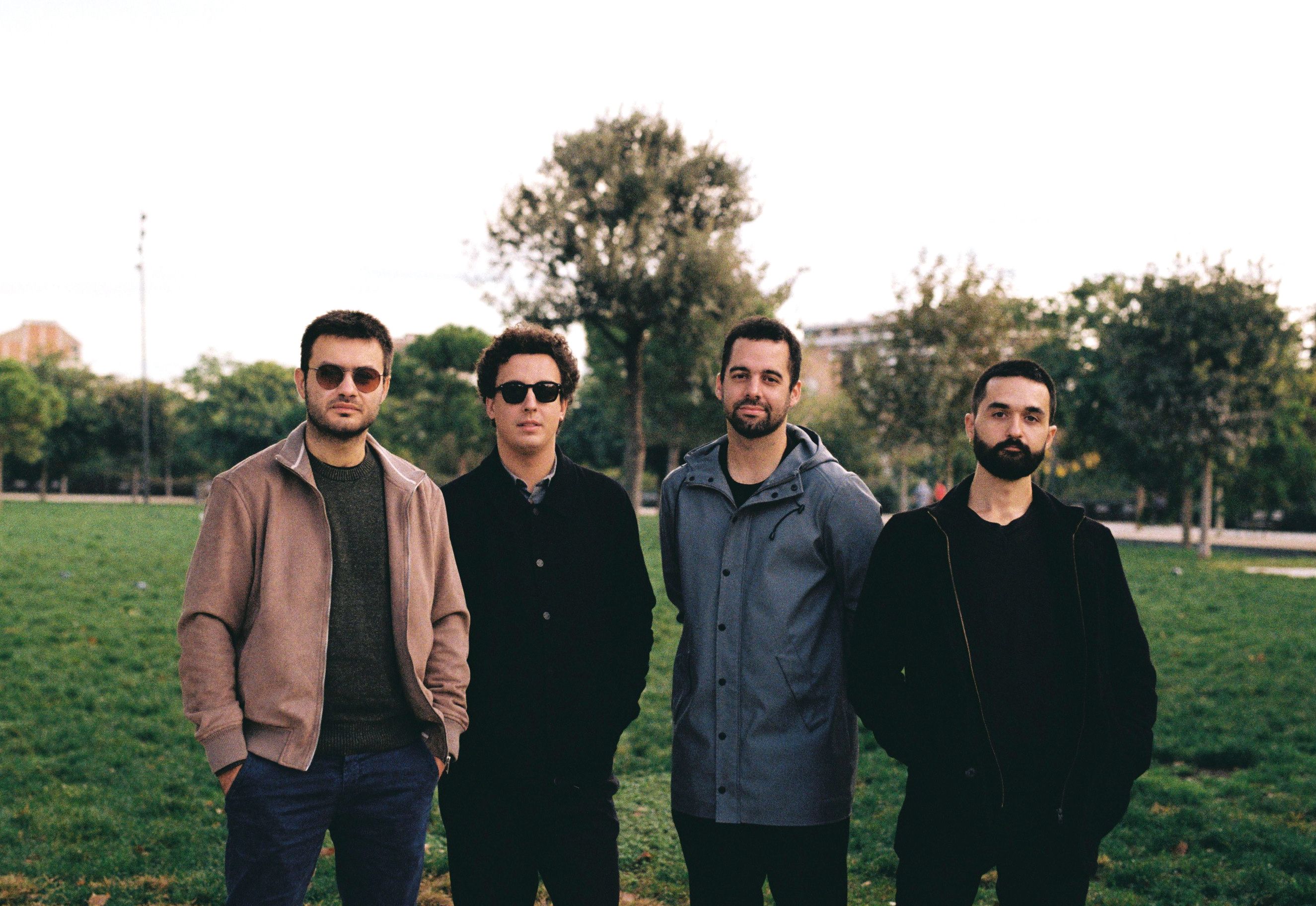
Upon his return to Barcelona, Oriol Vallès quickly reconnected with the local scene. His head full of ideas. The desire to make music and something more. "In those days I founded my quartet and, with other musicians, we created the collective The Changes, one of the reasons why I haven't left here again, despite the difficulties of making music in this city," he explains, with undisguised pride for "the continuity of continuing to write and play, exploring new sound territories without faltering, without giving in even when things are tough, like during the pandemic."
These days, the artist presents his new recording, the fourth, leading his quartet, Cap clar, which he presents at Milano on March 17, at Jamboree on the 24th, and at the Terrassa Jazz Festival on the 26th.
---Four recordings in four years! You produce fast, don't you?
The regular laughs. "Actually, I already have the repertoire for the next album ready. I write very fast and, by the time I have an album ready, and I'm presenting and defending it on stage, in my head I already have all the material for the next one." Many steps ahead of himself.
Another project that stands out is the Sunset Rhythm Kings project, a traditional New Orleans jazz band, "which has allowed me to explore a field that I always loved and that is full of possibilities: that of Louis Armstrong, his music and his context."
City of Mediterranean rhythm
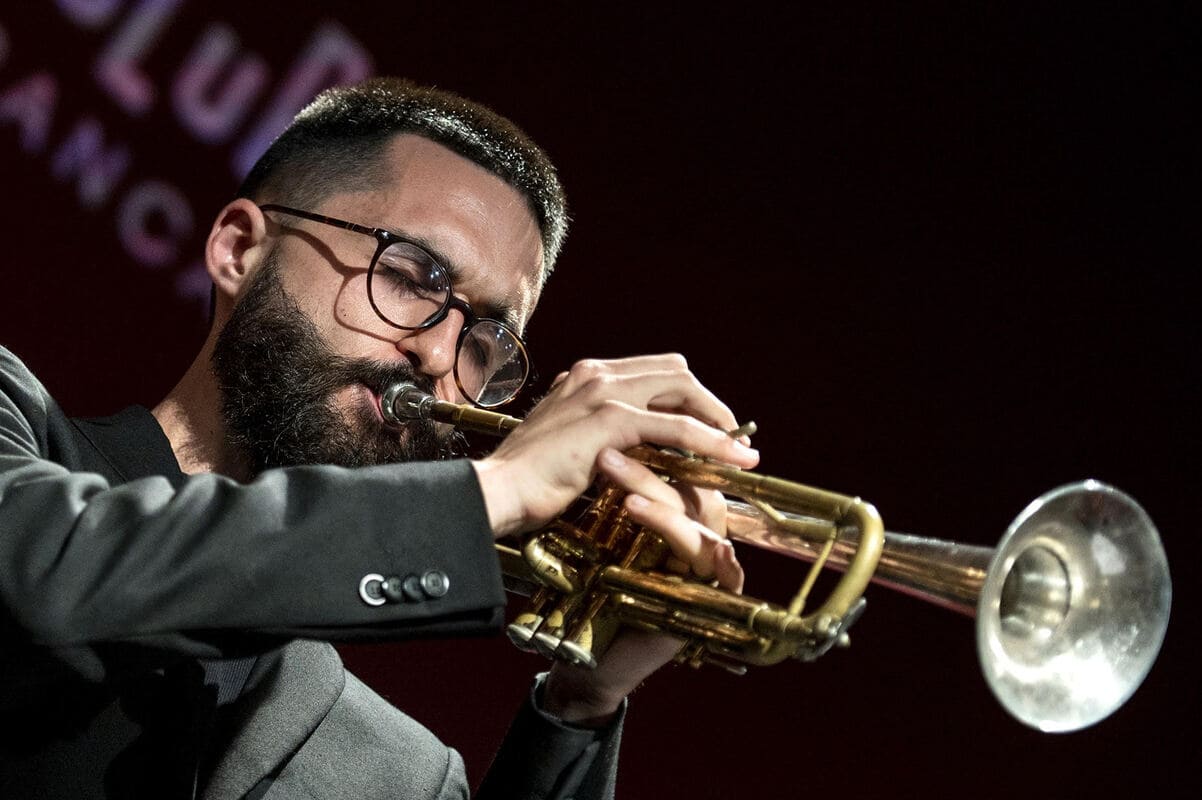
When he returned from New York, a feeling of decompression took hold of Oriol Vallès. "In Barcelona, life is calmer compared to the frantic pace there. I like this more relaxed, more friendly tarannà among musicians, and I feel comfortable. The climate is much better, too. After all, mine is a Mediterranean biorhythm, and this city adapts wonderfully to this pattern."
But, as the parishioner himself suspects happens in so many other cities in the world, "here most cultural spaces, especially musical ones, are very focused on tourism, and that makes it difficult to have a solid base of local audience. Everything is designed for visitors who come and go, being replaced by the next batch; little remains of that coming and going." Added to this phenomenon is the feeling that live music is not sufficiently encouraged. "If you notice, in a city like Barcelona, it's extremely difficult to find venues where you can play drums after ten at night."
---Playing drums maybe not, but here you can eat very well at any time. Will you let yourself be tempted by our offer to grab something to eat?
The musician's eyes light up.
---I shouldn't, but...
---We have exquisite pintxos for a snack!
---I'm vegetarian, but I'm also much more into sweets--, replies Oriol Vallès, without taking his eyes off the freshly baked pastries.
Add The New Barcelona Post as your preferred Google source for free
Stay informed with the latest news.
