"Volvemos al Mar" is the slogan of the latest campaign by Proactiva Open Arms, a short but intentional phrase that combines the feeling of freedom after spending six months confined on land with the will to resume the organization's foundational mission: the rescue of people at sea.
The outbreak of the pandemic coincided with the end of the maritime rescue operations that the Open Arms had been carrying out in the Central Mediterranean. After 47 years sailing the seas and 60,000 miles covered in two years of humanitarian mission in the service of the organization, a serious breakdown jeopardized the future of a vessel as beloved as it was deteriorated. A white and red painted freighter that has contributed to the rescue of more than six thousand people in Mediterranean waters, becoming a floating symbol of the defense of Human Rights.
With the Open Arms docked in the port of Burriana —awaiting mechanical diagnosis— and the Astral (the other NGO ship that had recently been monitoring migratory flows in the Mediterranean) confined in the port of Fuerteventura, the NGO's volunteers and health personnel did not stay home, but redirected their efforts towards the health emergency.
Firmly committed to the protection of the most vulnerable groups, the Open Arms human team provided support in nursing homes, performing PCR tests and collaborating in the transfer of people. They also put themselves at the service of science, collaborating in the clinical trial led by doctors Bonaventura Clotet and Oriol Mitjà, which aimed to rule out those drugs that were not effective against the pathology. In this action, they were responsible for performing 4,000 PCR tests and subsequent follow-up of the study participants.
Help to face the health emergency
After providing their help during the peak of the health emergency, in recent weeks the organization's volunteers have expanded their mission towards new objectives. Dedicated to preventing the transmission of the virus in people working in fruit harvesting, they demonstrated again that the volunteers' scope of action reaches those places that cameras do not.
The lessons learned during this crisis have reaffirmed the values that define Open Arms, summarized in turn in the latest video released through its networks: "We have learned that the most important thing is life, that we must take care of the most vulnerable, that borders do not exist, that alone we cannot, and that unity makes us stronger."
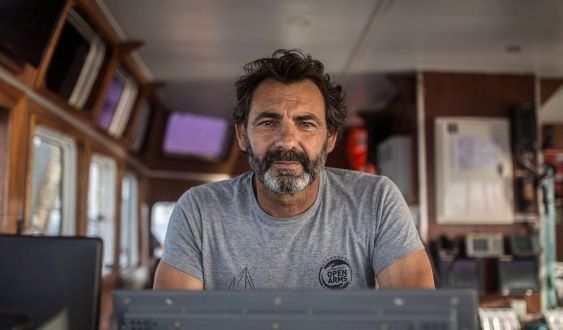
The pandemic has covered everything, including the situation of migrants adriftBut Óscar Camps, founder of the project, points out that other less edifying lessons also emerge from the experience accumulated in recent months."The pandemic has covered everything, including the situation of migrants adrift". The single topic that has dominated headlines recently has marginalized realities that also demand urgent solutions. From a technical point of view, the health alert has complicated the operation and safety protocols in high-seas rescues, butCamps recalls that previously his crew already had to protect themselves from diseases as serious as HIV and tuberculosis, reaching the conclusion that "if our task was already difficult before, the coronavirus has made it even more complicated."
But the trajectory of Open Arms is the story of a constant struggle against adversity, an organization that over time has learned to weather storms not always meteorological. "Open Arms has survived by a miracle... we have suffered kidnappings, blockades, defamation, and even shots fired at our boats," this is how Camps summarizes the odyssey of carrying out their rescue missions. "People are unaware of the difficulties we face, the sacrifices we make, and the renunciations we assume in our commitment to the protection and safety of people adrift in the Mediterranean."
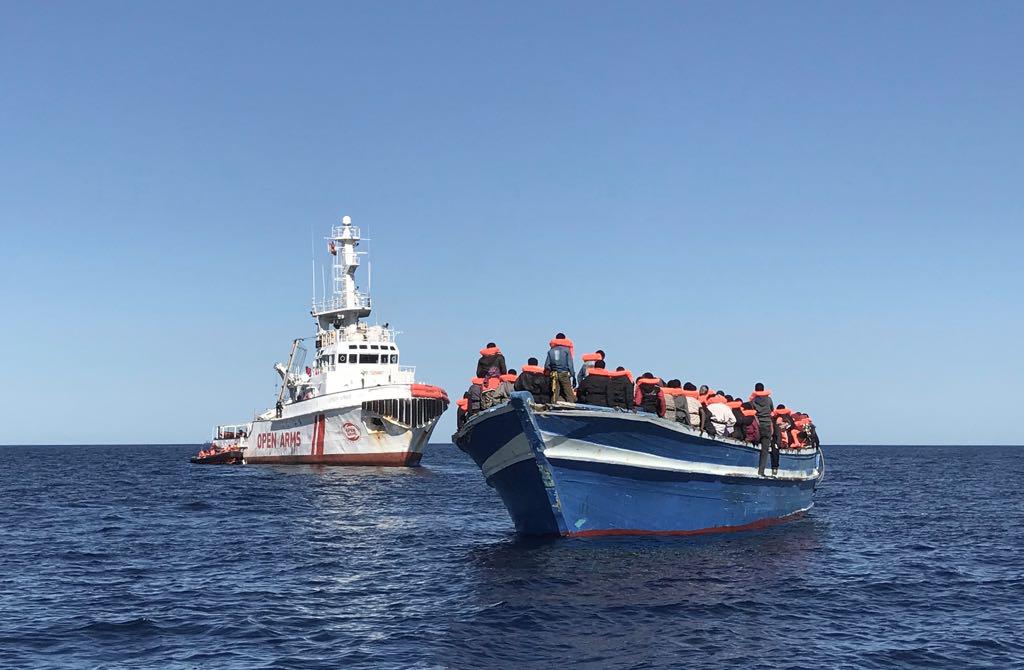
Despite the harsh conditions, the truth is that in its first 5 years of activity, Open Arms has rescued more than 61,000 people at sea, across 80 humanitarian missions. With their boats, they have sailed the equivalent of six times around the world and all this work has been possible thanks to the collaboration of more than 600 volunteers who dedicate their time and effort to the cause.
A cost of 3 million euros per year for the NGO
Currently, the NGO's operations cost 3 million euros annually, and today more than ever, societal support becomes essential. Citizens' solidarity contributions guarantee the organization's independence, which is 90% sustained by private donations. During the months of the pandemic, these donations have decreased, and the NGO is concerned about its resources running out, which has led to an appeal to the public by Proactiva Open Arms, in order to continue carrying out work that is still necessary today.
The coronavirus has been used by administrations as an excuse to prolong waiting times at sea"Hopefully we will stop being necessary!",exclaims Óscar Camps reflecting on the future, with the hope that sooner rather than later, both states and the European Union will truly get involved in the maritime surveillance and rescue tasks that they have been abandoning for years. But while waiting for a more hopeful future, the founder of Open Arms believes that they must continue "a few more years" to contribute to transforming reality through the substantial modification of migratory policies. A will for change that largely depends on the attitude of civil society, which, given the passivity of the administration, must step forward and contribute to the transformation of the status quo.
In line with these ideas, Open Arms maintains, parallel to its maritime operations, two important projects. The first of them, which they have named Origen, operates in Ghana and Senegal, offering real information to people who are thinking of emigrating about what they will find when they arrive on the old continent, with the intention of de-constructing the idealized myth of a Europe that will welcome them with open arms. The project also focuses on training these people in entrepreneurship, creating ties with the local private sector and relying on the use of digital tools. In short, to foster local growth possibilities as an alternative to the significant economic outlay that many of them will make to undertake a dangerous journey with an uncertain end.
The second project, Education for Freedom, consists of informative sessions aimed at Spanish educational centers, with the aim of raising awareness of the social reality of Africa and the conditions under which migrations occur, with the aim of empowering young people through knowledge, arming them with arguments to confront the hoaxes that circulate and fostering the construction of a critical spirit. Currently, this project has already passed through 1,300 schools and wants to continue growing in order to share with young people the experience accumulated by the Foundation over the last few years.
The year of the pandemic has had repercussions at all levels. In the return of the Open Arms to the Mediterranean this August, once successfully repaired, Óscar Camps has acknowledged that "The coronavirus has been used as an excuse by administrations to prolong waiting times at sea."
The sanitary pretext has been the perfect alibi for the usual reticence that Open Arms is accustomed to dealing with when trying to find a safe port for their disembarkations to be accentuated, and the humanitarian organization tirelessly denounces that such refusals violate the laws of the sea. Precisely on the issue of non-compliance with international treaties is where the NGO has focused most: Practically since its creation, Open Arms has been denouncing the deliberate inaction of EU states in maritime rescue matters, an obligation reflected in international maritime law. At sea, assistance to vessels in distress, as well as the rescue of shipwrecked persons, is a non-negotiable duty. A duty largely unfulfilled by the European Union, which for years has prioritized border control policies over respect for International Law.
In recent years, the EU's policy regarding the management of migratory flows in the Mediterranean advocates a vision that promotes a military approach to the control of international waters, which turns a deaf ear to requests for resources from countries most impacted by maritime routes and which, in practice, leaves the "dirty work" of saving shipwrecked people in the hands of humanitarian organizations. Attempts to move towards a common community policy on migration repeatedly clash with the exchange of reproaches between the different countries of the Union, which cannot agree on the best way to address the "problem." In contrast to the "problem" interpretation that states make of the migratory phenomenon, the humanitarian vision of NGOs mainly consists of considering migrants and refugees as individuals with rights instead of seeing them as part of a "mass" or a "flow."
People rescuing people
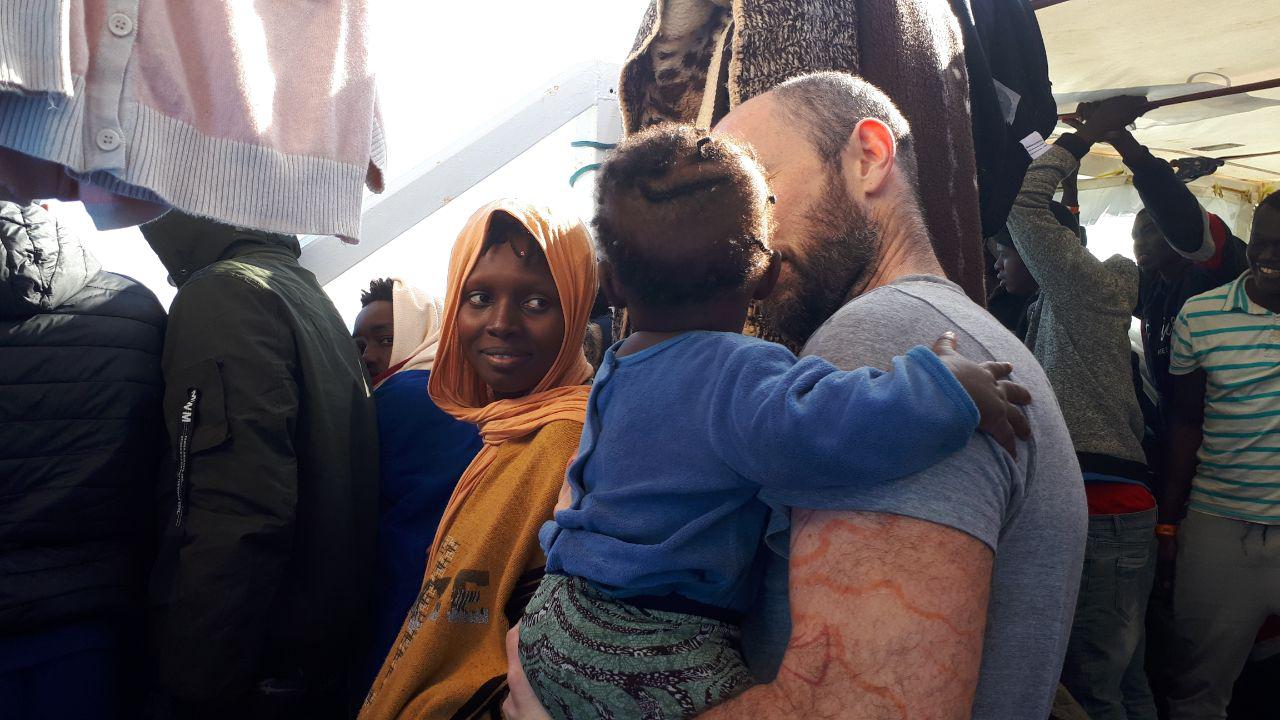
People rescuing people. With that spirit, Open Arms was born in September 2015, in the context of a humanitarian crisis that was not appearing in the media, but which was claiming the lives of dozens of people daily who were arriving fleeing war. Óscar Camps, a professional lifeguard by training, mobilized a group of volunteers and set off for Lesbos practically with just what he was wearing. They traveled to the Greek island with the intention of helping people who were drowning in the sea in the face of the international community's indifference. Open Arms' first rescues were by swimming and without rescue equipment, relying solely on their experience as lifeguards and the will to help in any way they could.
The year 2016 was marked by the signing of the "agreement of shame" between the EU and Turkey, a treaty aimed at ending the Balkan migration route, a passage for thousands of refugees. With the relocation of the camps in Lesbos, the arrivals of new refugees were considerably reduced in that area, but Open Arms wanted to continue protecting people's lives wherever it was most necessary.
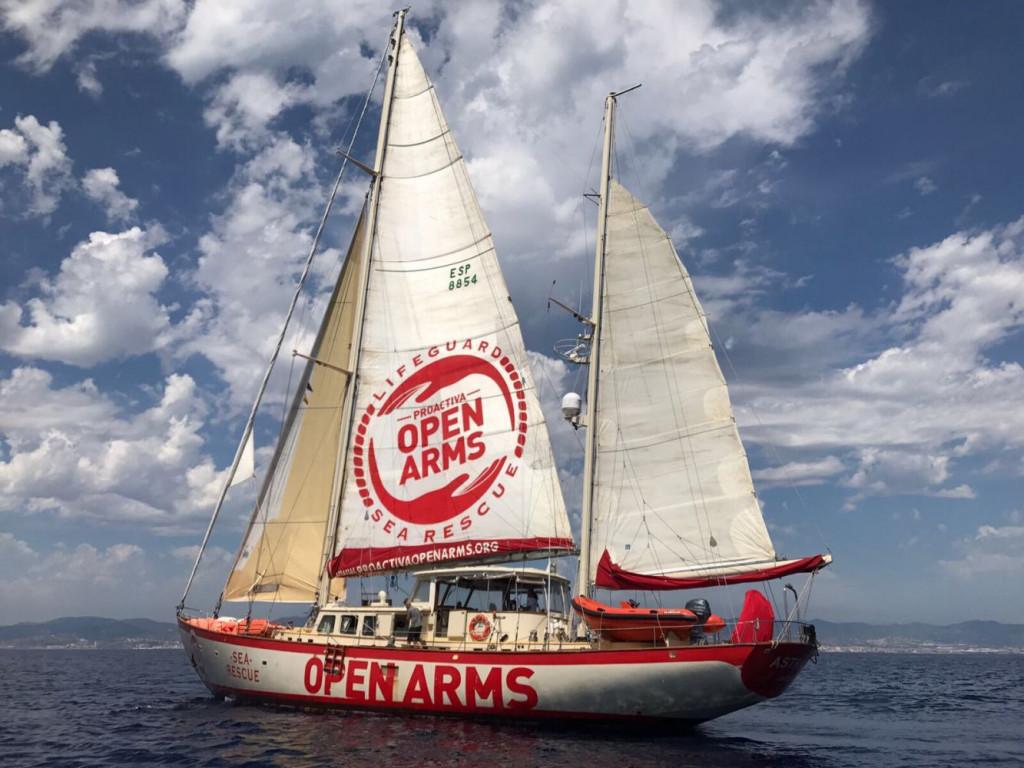
The chosen area was the Central Mediterranean, the deadliest route for human trafficking. Only a suitable ship was missing. And the Astral appeared. A 33-meter long sailboat ceded to the NGO by Italian businessman Livio Lo Monaco, who somewhat sarcastically defined his boat as "a rich man's boat to help the poor". The Astral, a vessel designed for the enjoyment of its owners, had to adapt to the new mission —of surveillance and rescue— that was to be entrusted to it. In the interior transformation of the ship, mirrors, noble woods, and marble tables were dispensed with to make space for medical material, provisions, and hundreds of life jackets. In the new conception of the space that was once a luxury sailboat, it was now necessary to answer such crude questions as what was the most suitable place to transport the bodies. The entire process of the ship's transformation and its subsequent missions in the SAR (Save and Rescue) zone of the Central Mediterranean was immortalized in the documentary film "Astral", produced by Jordi Évole and released in cinemas at the end of 2017. The screening and dissemination of the film represented an important milestone for the NGO, which saw the visibility of its rescue actions multiplied.
For the organization, such visibility is key to gaining the support of society, which with its donations sustains the NGO's operations. Operations that —as can be seen in the documentary and also in the accounts that the Open Arms website publishes with total transparency— are not exactly cheap. In the first year alone, one million euros were invested in the comprehensive renovation of the Astral, an amount that is better understood if we go into detail about all the elements necessary to start the missions: Rescue boat, €4,000; engine, €9,000; set of ropes, €12,000; filling the tank, €16,000…
Calculating the price of a life is more complicated, but in its first 4 months, the Astral contributed to the rescue of 15,000 people.
Lives that, before embarking on the journey to Europe, fall into the clutches of mafias that profit from the desperation of thousands of refugees and migrants. In the case of Libya, human traffickers fill the dinghies to the brim (this is what the inflatable boats where up to 150 passengers are crammed are known as) that set sail from beaches like Ziwara or Sabratah towards Europe, but this journey comes to an end much earlier than expected. In the tank there is only enough fuel to travel between 20 and 40 miles (Lampedusa is 300km away and Sicily, 500) leaving the boat adrift the moment the engine stops.
Mafias and Libyan coast guards, dangerous enemies
The mafias count on humanitarian organizations like Open Arms or Doctors Without Borders probably rescuing their "clients" at some point in the Mediterranean. Because although it is clear that the safety of passengers is not the traffickers' priority, they are interested in the passengers reaching their destination and informing family and friends by phone that they "made it," so that the business can continue to operate. What price is paid for a ticket to the European dream? Between €500 and €1,000 per passenger. Exorbitant prices considering the devastated economies of the countries of origin (Eritrea, Somalia, Sudan…) of migrants and refugees who risk fleeing war and misery.
Other enemies that Open Arms faces in its rescue operations are the self-proclaimed Libyan coast guards. These armed groups, trained and financed by the European Union with the aim of intercepting clandestine boats and returning them to their ports of origin, carrying out totally illegal "hot returns," but subsidized by European states with the aim of protecting their borders.
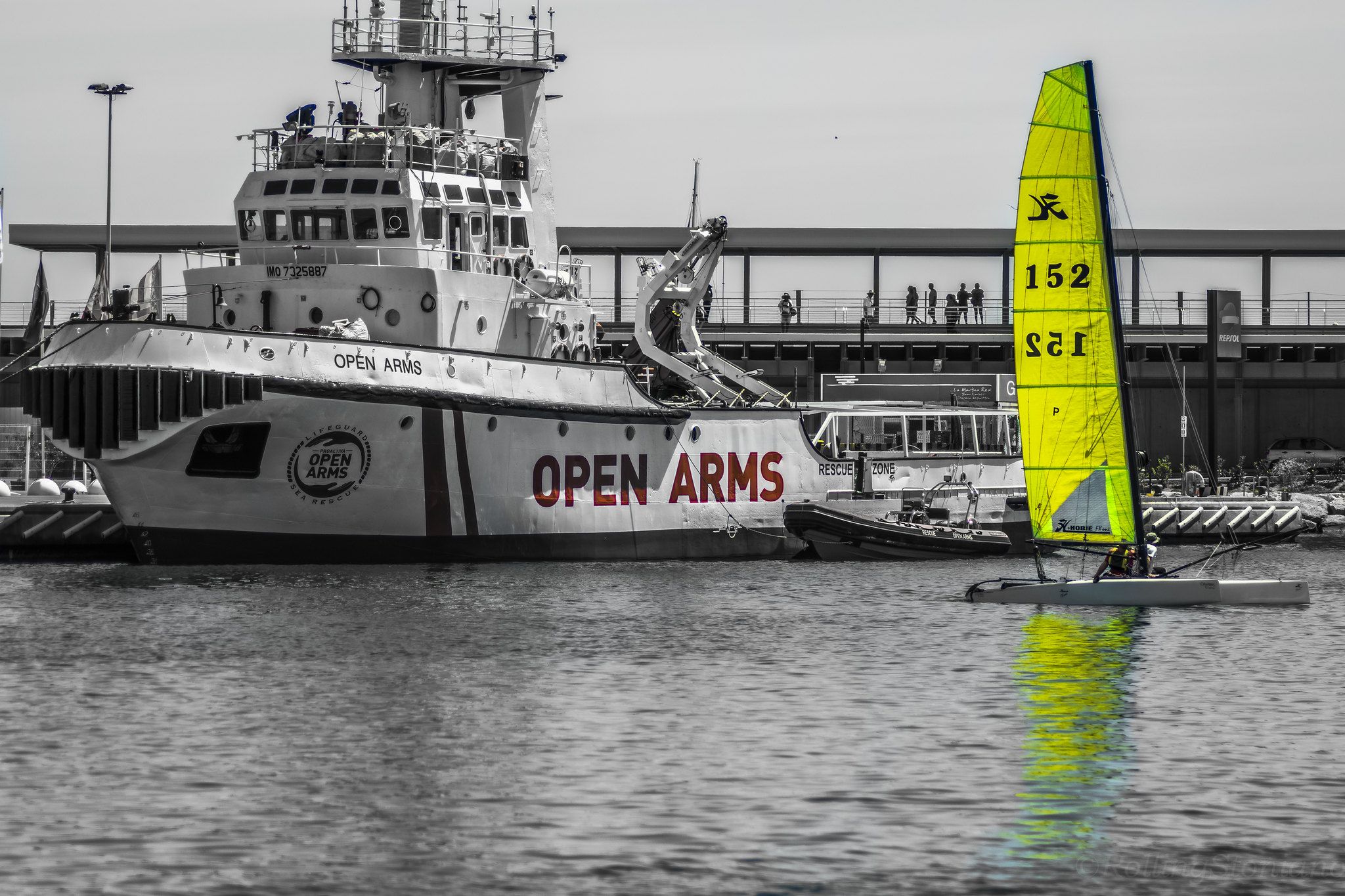
After losing the ship Golfo Azzurro as a result of a hijacking perpetrated by said Libyan coast guards, the fleet of the organization founded in Badalona integrates a new asset. The transfer of the ship OPEN ARMS, a freighter with capacity for 400 passengers that had already served in some Maritime Rescue missions, again entails a significant investment and many lost days pending repairs. Six months of work and €600,000 later, the ship is ready to undertake new rescue missions in the Central Mediterranean.
Fight against populisms
The year 2018 was especially complicated. In parallel to the rise of populisms in the old continent, some media outlets began a smear campaign against Open Arms, spreading all kinds of slanders about its actions in the Mediterranean. Having become an uncomfortable actor for European governments, the NGO acts as a mouthpiece for the deliberate inaction of the EU in Mediterranean waters. For months, Open Arms was accused of connivance with human traffickers and the Italian prime minister, Matteo Salvini, became the spearhead of the furious attacks directed at the organization founded by Óscar Camps.
During the month of March, in the context of a rescue operation in which the crew of the Open Arms was threatened with death by the Libyan coast guards, the NGO's flagship managed to disembark the 216 people it was carrying in Pozzello (Sicily). Immediately afterwards, the Catania prosecutor's office seized the ship and opened an investigation against the NGO based on implausible accusations such as facilitating illegal immigration or being a criminal organization. But Open Arms' defense was clear: its actions were backed by all kinds of legal frameworks: from maritime law to European legislation, including Italian laws. The prosecutor's accusation, orchestrated by Salvini, had no merit and the ship was released a month later.
From jail one gets out. From the bottom of the sea, noIn January 2018, the Spanish government detains the Open Arms in the Port of Barcelona.The socialist government, which does not want to show its explicit support for the NGO due to electoral calculations, threatens the organization with fines of up to one million euros. Camps, concerned about the possible legal repercussions that disobedience could entail, consults with the Foundation's board of trustees on the strategy to follow. His mother's response, who is part of the board, is memorable: "From jail, one gets out. From the bottom of the sea, no.
[subscribe_newsletter_esp]
After the elections, the climate of hostility against the NGO relaxes and the threat of a fine comes to nothing. That same summer, the Open Arms would experience what has been the most complicated expedition in its brief but agitated history. "Mission 65" becomes a full-blown struggle with a Salvini entrenched in his intransigence. The Italian premier, blinded in his refusal to allow the 100 shipwrecked people rescued by the Open Arms to disembark in an Italian port, forces the ship to be blocked at sea for 21 days. But a court order allows the Open Arms to disembark in Lampedusa in extremis. This order, in turn, backfires on Salvini, who has to face an accusation of kidnapping by the Transalpine Prosecutor's Office. In relation to this matter, Óscar Camps believes that "unfortunately there are many Salvinis", but that even so "we hope that justice will be done and that everyone will realize who the bad guys are in this story. One of the main accusers is now at the disposal of justice. The one who was actually committing a crime was the accuser... in the end, history will judge us."
Beyond the reasons that justice may distribute in the courts, and while waiting for history to issue its uncertain verdict, the situation in the Mediterranean Sea is unsustainable from all points of view. "Saving lives at sea is not optional," perhaps these recent statements by Ursula Von der Leyen, President of the European Commission, are the beginning of a new path in community policies. But while the bureaucratic machinery gets underway, the arms of Open Arms will continue to pull people out of the water.
Add The New Barcelona Post as your preferred Google source for free
Stay informed with the latest news.