[dropcap letter="L"]
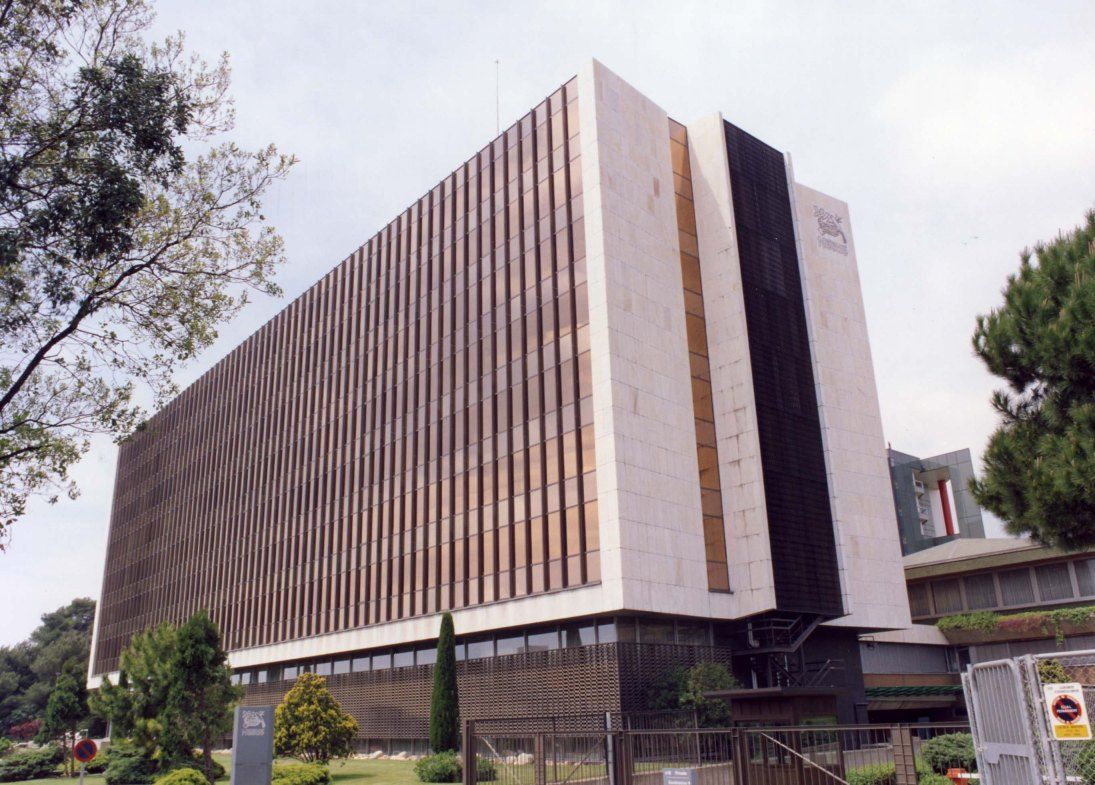
a corporate headquarters of Nestlé in Esplugues de Llobregat is one of the great icons of the significant weight that multinational companies have in the Catalan business fabric. The building, which has been practically empty for months due to the pandemic, was inaugurated in 1976, more than five decades after the Swiss group decided to locate the headquarters of its Spanish subsidiary in Barcelona.
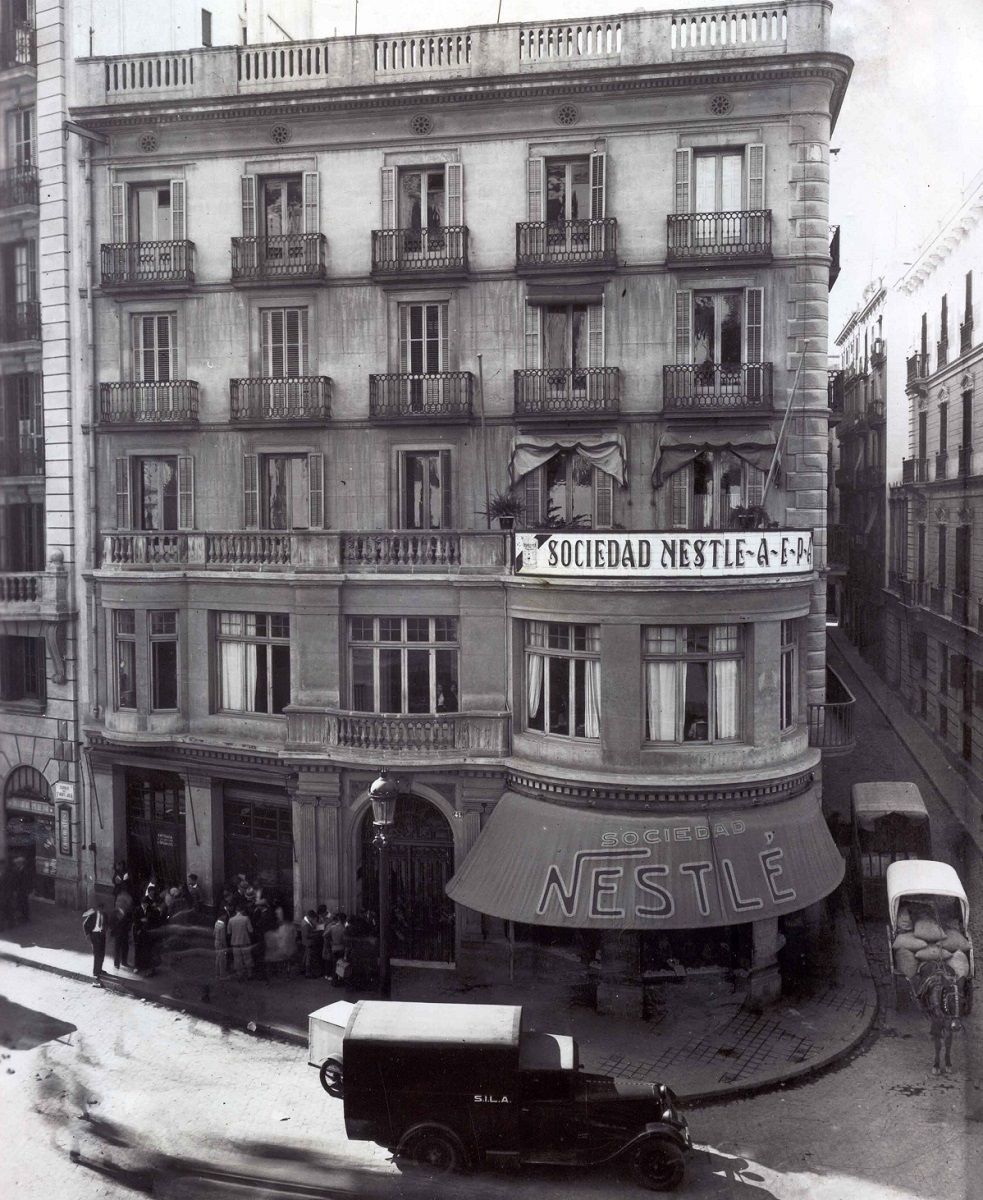
Specifically, it was in September 1920 when the company Nestlé, Anónima Española de Productos Alimenticios, was constituted, exactly one hundred years ago. The first registered office of the food group's subsidiary was in a building on Via Laietana which, at that time, was an example of modernity and symbolized the great industrial growth that Barcelona had experienced at the beginning of the 20th century. Via Laietana was a practically newly built street (works lasted between 1908 and 1913) that allowed connecting the Eixample with the port (as Ildefons Cerdà had envisioned). After demolishing more than two thousand houses and some medieval palaces, new buildings were erected following the architectural style of the Chicago school.
[subscribe_newsletter_esp]
Nestlé chose to settle in Barcelona at a time when the city was marked by profound political and social changes, in the midst of the period known as "pistolerismo" and just before the arrival of Primo de Rivera's military dictatorship. These were also the years prior to the celebration of the 1929 International Exposition and the inauguration of the first metro lines.
The Swiss group established itself in the Catalan capital in 1920 due to the significant commercial development of the city at that time. It was not, however, its first arrival in Spain, as Nestlé's commercial presence in the country dates back to the last third of the 19th century, when it began selling the famous cans of lactated flour that gave rise to the company in 1966.
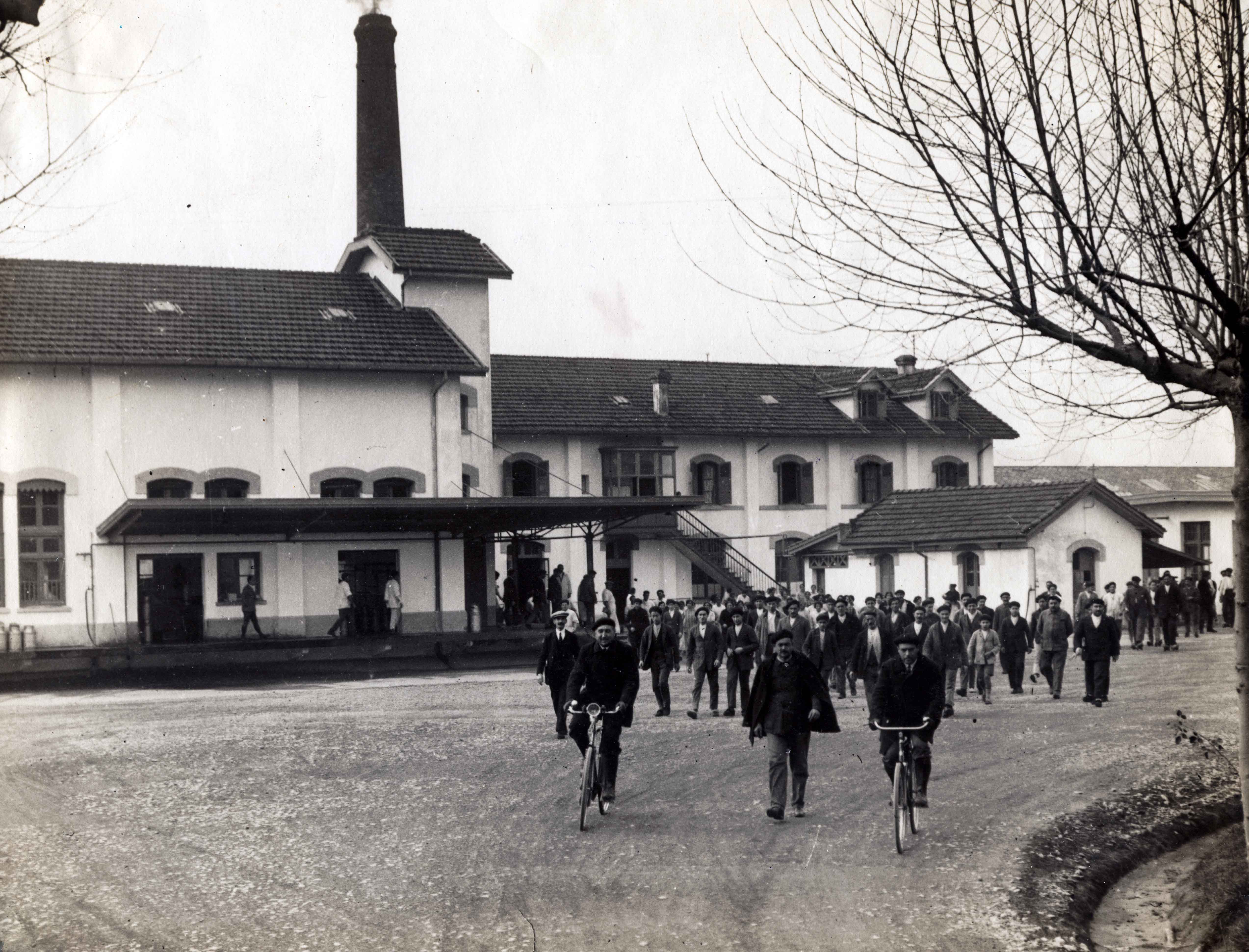
It is documented that the company founded by Henri Nestlé began exporting to Spain in 1873. A few years later, in 1905, due to sales success, Nestlé decided to install a production center for lactated flour in La Penilla de Cayón (Cantabria), where there was a large dairy production. It was the group's first factory in the country, where it now has ten manufacturing facilities, four of them in Catalonia (Girona, Viladrau, Reus, and Castellbisbal).
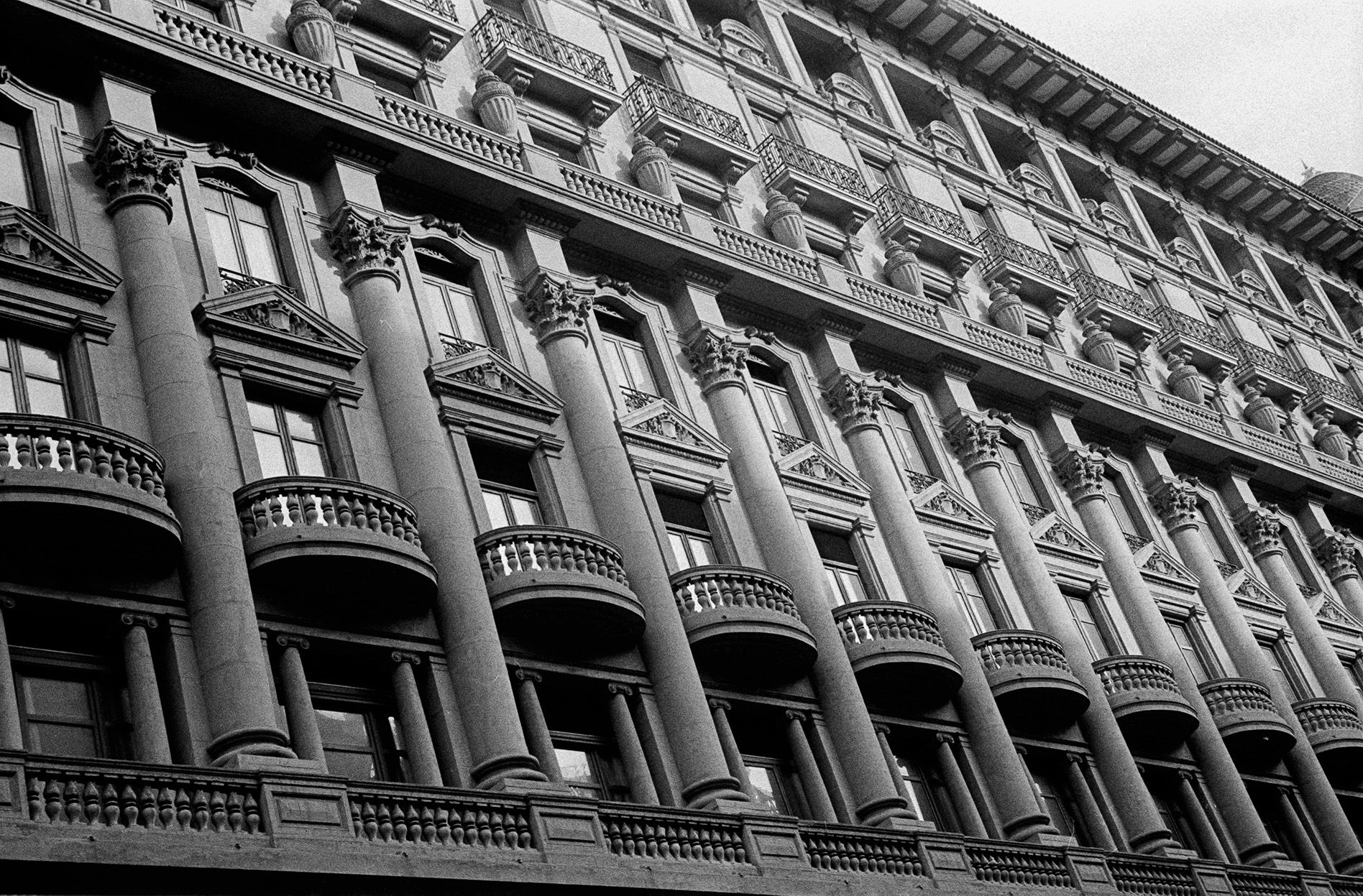
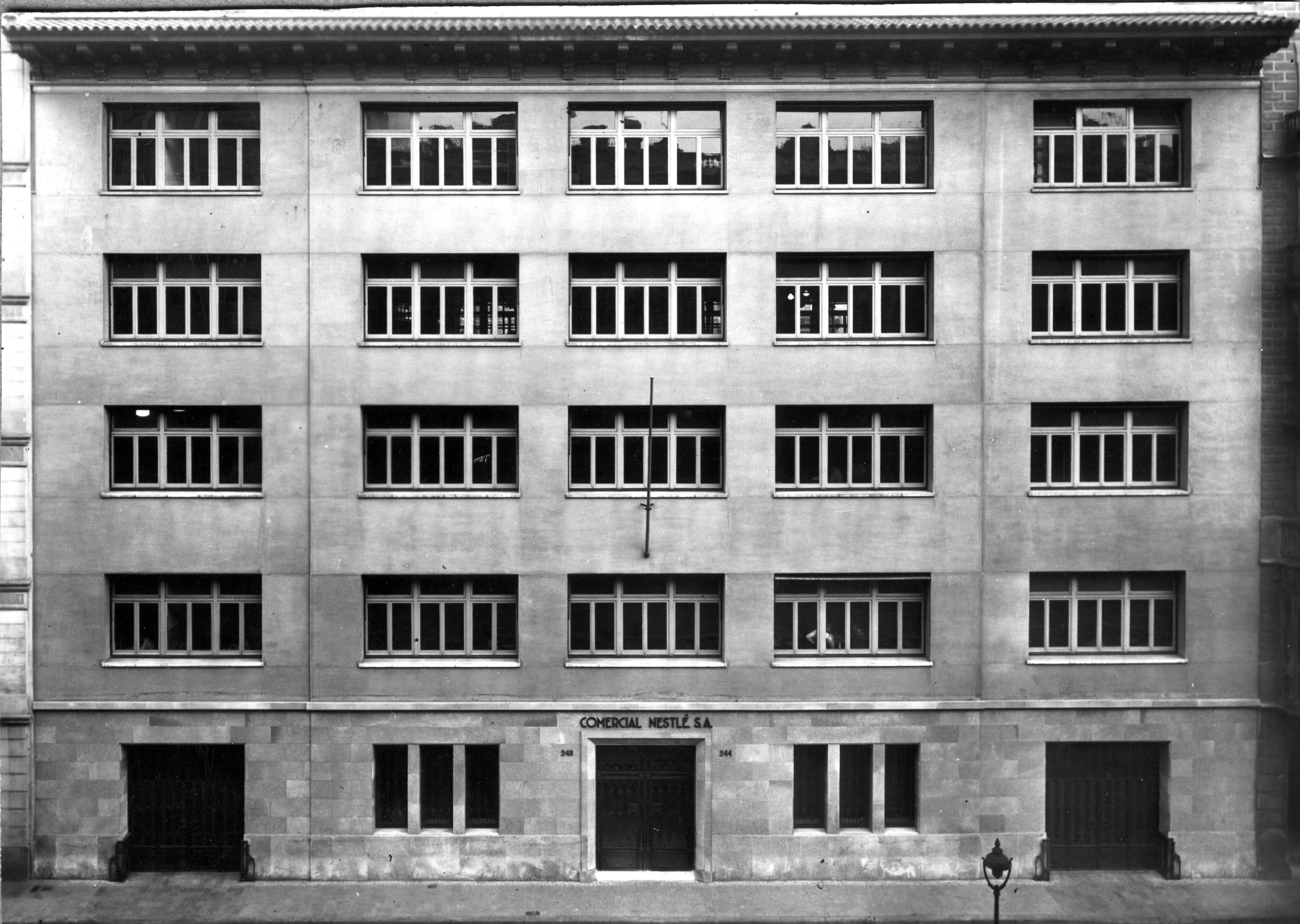
The establishment in 1920 of a commercial subsidiary in Barcelona led to a rapid expansion of the company, which resulted in the opening of delegations in Madrid, Santander, Valencia, Seville, and Bilbao. The company's growth forced the relocation of offices to a building on Aragó Street, where the company remained until the 1970s when it decided to build its own corporate headquarters in Esplugues.
From Nestlé's talent pool in Barcelona, important executives have emerged who have reached very high-level management positions at the multinational's headquarters in Vevey (Switzerland), on the shores of Lake Geneva. Notable names include Francisco Castañer and Lluís Cantarell, who for many years were part of the global steering committee of the planet's largest food company. Today, both are retired.
Castañer, who had started working at the Barcelona subsidiary at just 19 years old, became the head of all Nestlé's businesses outside the food sector, which made him the manager of multi-million dollar stakes in companies such as L'Oréal, Alcon, and Galderma.
For his part, Cantarell held strategic positions in the group for 40 years, being responsible for large geographical areas such as Europe or America, and businesses such as Nestlé Nutrition and Nestlé Health Science.
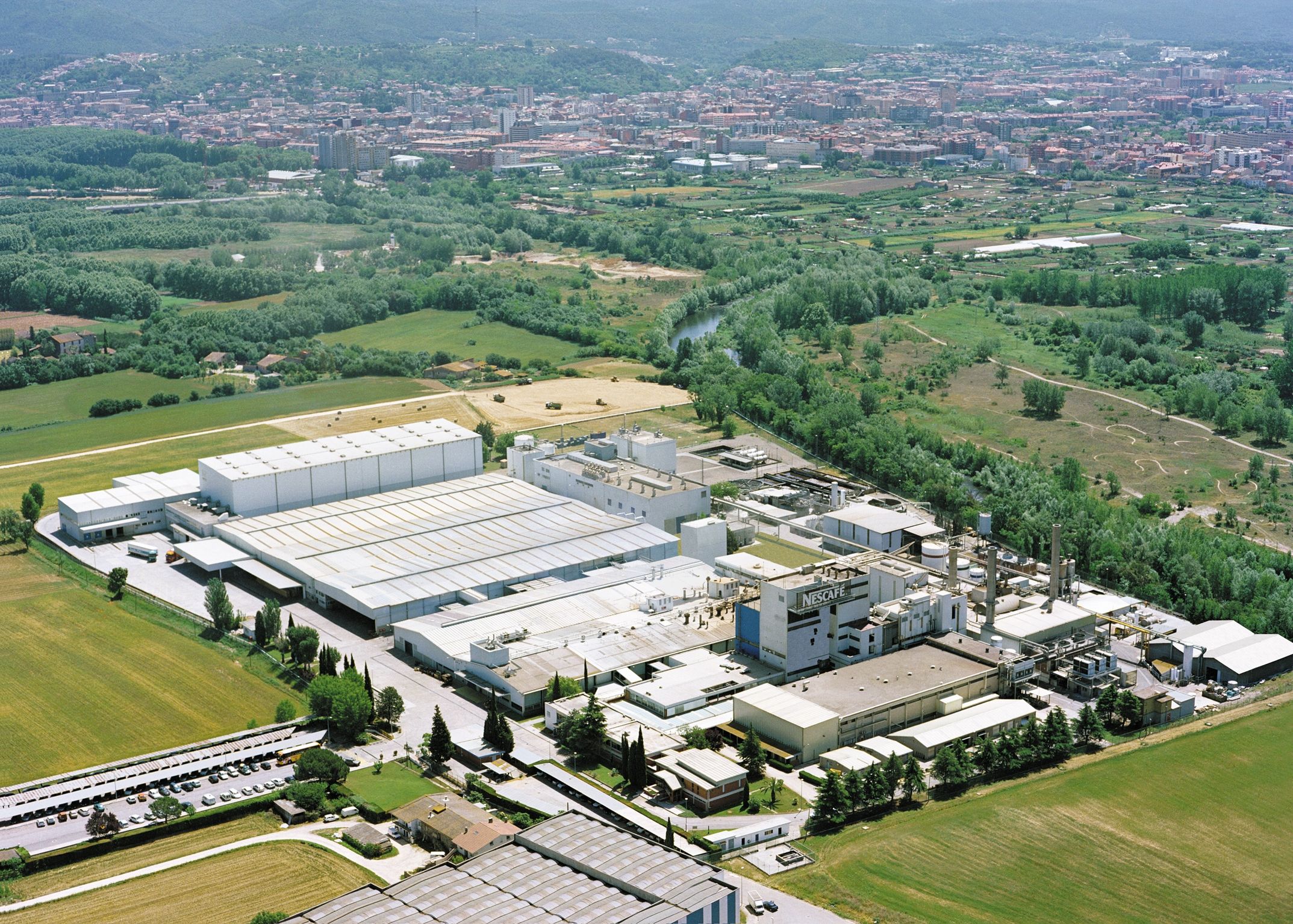
Nestlé's link and commitment to Catalonia, far from fading, has continued to strengthen in recent years both in the industrial axis and in the digital and talent spheres. Thus, the multinational has turned the Girona coffee factory into one of the most important for the company, after an accumulated investment of more than 150 million euros in the last decade. In Girona, the company manufactures the Nescafé and Dolce Gusto brands.
In parallel, since 2016, the group chaired by Mark Schneider has made a strong commitment to locate its largest technological hub in Europe in Esplugues. More than 700 people of 20 nationalities currently provide global services in the technological and digital field from the Barcelona area for all the group's international subsidiaries.
The technological ecosystem that has developed in Barcelona in recent years has been decisive in this move by Nestlé, as it has found the necessary talent here to boost the company's digitalization process and an attractive lifestyle and quality of life for its employees. The first pillar of this process was the opening of the Nestlé Global Digital Hub, a software factory to which Purina Studios was later added, and the transfer of the global IT department from Switzerland to Barcelona.
Nestlé's Spanish subsidiary, led by Jacques Reber, had a turnover of 1,995 million euros in 2019 and employs more than 4,000 people. The company operates in different segments of the food sector, with prominent positions in infant food, pet food, chocolates, mineral water, coffee, clinical nutrition, cereals, and culinary products.
Add The New Barcelona Post as your preferred Google source for free
Stay informed with the latest news.
