When Sidecar opened its doors more than 40 years ago, in November 1982, there were only three venues in the city with music for young people. They were Zeleste, later Razzmatazz, Karma, and Magic. Together, they did not have capacity for more than 1,000 people. Added to this was the fact that the City Council ignored them and the police carried out raids, as recalled by Sidecar founder, Roberto Tierz. "Coming from here, the journey has been very positive, always upwards, managing to change society's perception of us," he remarked in a new session of the The New Barcelona – Moments Estel·lars cycle, dedicated to analyzing Barcelona's musical capital status. The cycle is organized by The New Barcelona Post with the collaboration of CASA SEAT, Must Media Group and Barcelona Global.
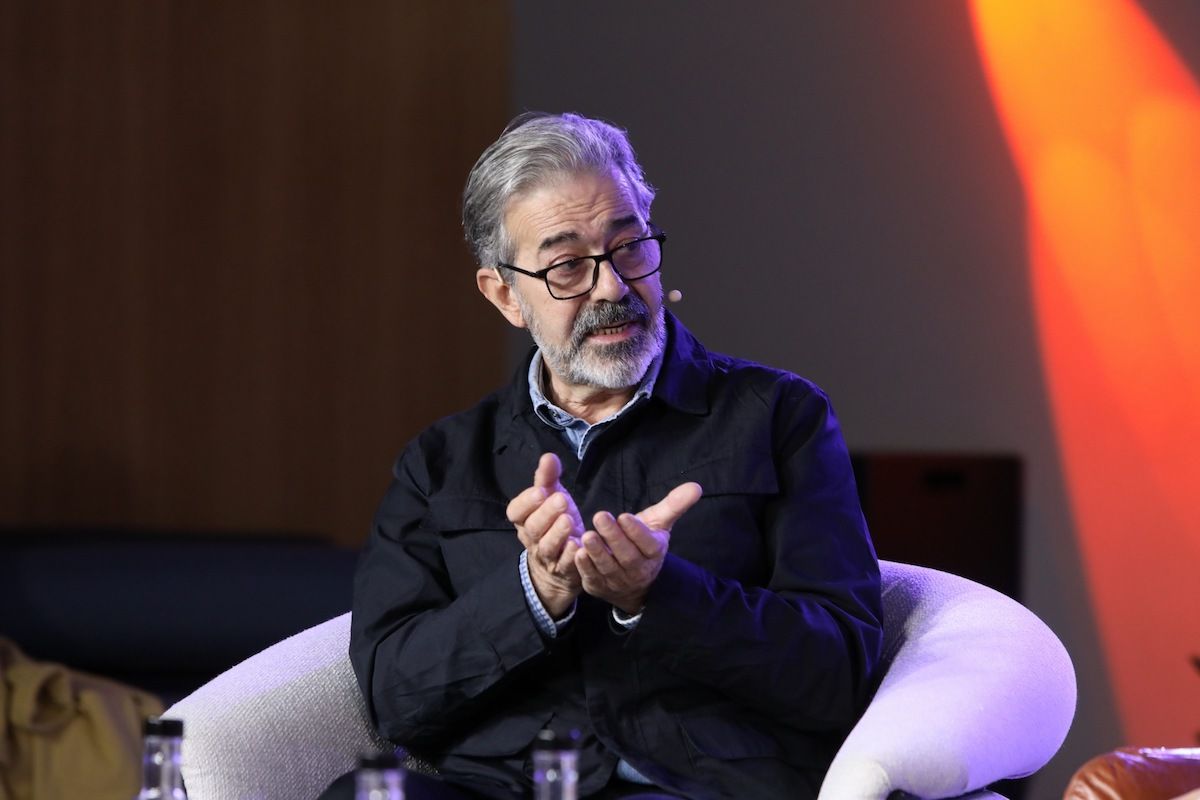
Tierz was accompanied in the session by the director of Apolo and co-director of the Primavera Sound festival, Alberto Guijarro, with moderation by journalist Ana Boadas. He arrived at the Paral·lel venue ten years after Sidecar's birth, bringing club culture with "a club of clubs." "We were enthusiastic young people who started doing what we liked. Without realizing it, it started to grow," recalled its director since 1995. And, without Apolo, Primavera Sound, born 22 years ago, would not be understood. "We wanted a very diverse festival where we could play different types of music but knowing each style and bringing the most representative. We applied the same idea of Apolo's club of clubs to Primavera with a festival of festivals," he explained.
Now, a few decades later, Barcelona's musical landscape has expanded, not only with the appearance of more venues and the popularity of local festivals, and without raids, but also by giving local singers and groups an opportunity to start appearing and projecting themselves on large stages. "It is not by chance that a Rosalía, a Rigoberta Bandini or other artists who have come out of here have been able to get where they have. There is a whole cultural network that has helped: music schools, venues, magazines, managers, promoters... There is a structure around them that has helped all these artists to grow," Guijarro maintained.
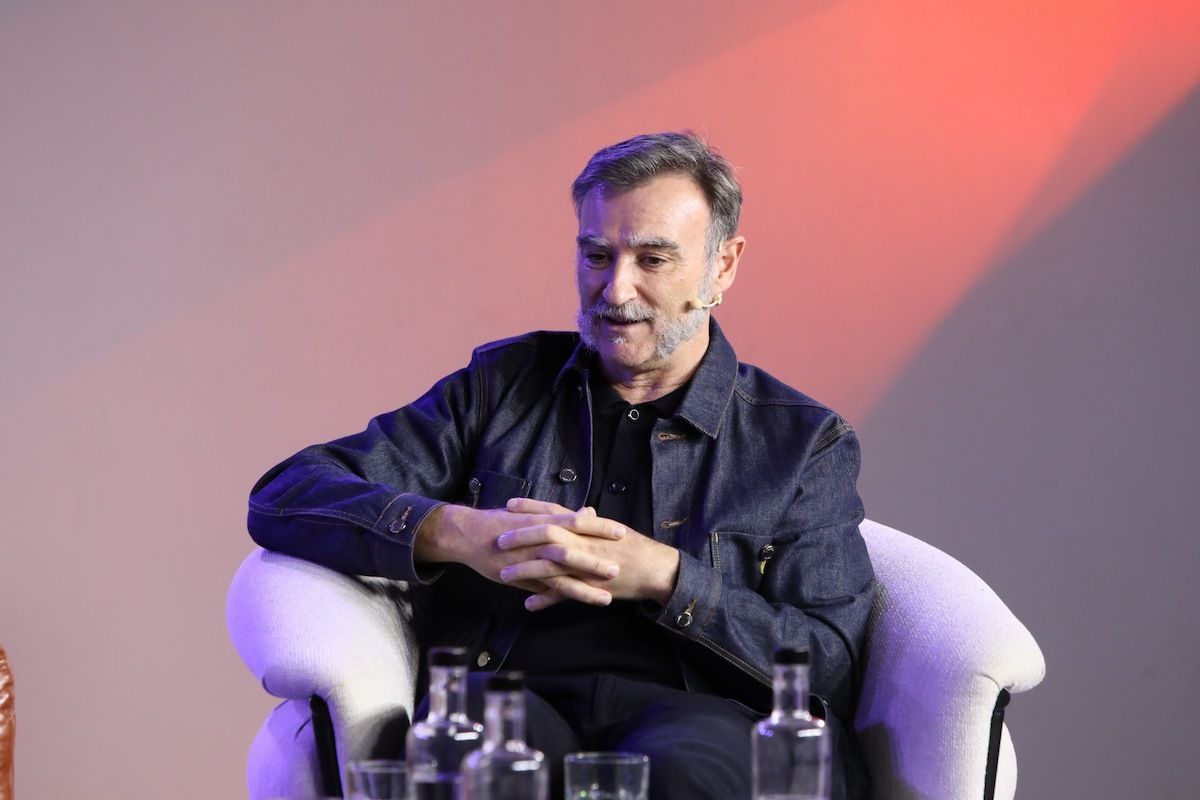
This effervescence translates into a lot of diversity in musical styles, Guijarro continued, although he warned that Barcelona often gets comfortable and bourgeois, to which the periphery has to come to help it save face, as has been seen recently with the lesson given by metropolitan cities with the explosion they have experienced with urban music. "Information now arrives via the Internet, allowing the outskirts to receive it at the same time as the capitalinos, which is causing a certain bewilderment in Barcelona," Tierz agreed.
But there are also weaknesses, such as the uniformity that the founder of Sidecar believes has been established in venues with the loss of that amateur character of those who got into this business before. "Who were the entrepreneurs who opened concert halls 40 years ago? Alberto was a DJ, I played the guitar, David Lafuente from Salamandra was a drummer... We were music lovers and now it has changed, they are economists, cultural business managers... This makes everything uniform. I miss that more eccentric point," he defended.
Having the co-director of Primavera Sound at the conference, the question about the tensions that arose a year ago with local administrations, which ended up translating into its expansion to Madrid after failing to secure two weekends in the Catalan capital, was not missing. "At no point have we wanted to leave Barcelona, we are from here. We wanted to do a double date in the city, which worked very well for us last year and we sold out. We continue to be an independent company and, worldwide, music is concentrating in large multinationals, which is why sometimes it is difficult for us to reach certain contracts, since these multinationals have 50 festivals and can offer 50 festivals, which breaks the market. With two weekends in Barcelona, plus the Porto date and others we have, it was a way to compete in the market with interesting offers for artists," he explained. Madrid made its way among other cities interested in hosting Primavera, not only because of the volume of attendees it can attract, but also because it provided all the facilities for its landing. Last year, with the double weekend in Barcelona and some 500 concerts, the festival left 384 million euros in the city and created 8,000 jobs, an impact that extended to other sectors such as hotels, restaurants, and taxis. It also reached Sidecar, as Tierz pointed out, who has detected an increase in public during the days the festival lasts.
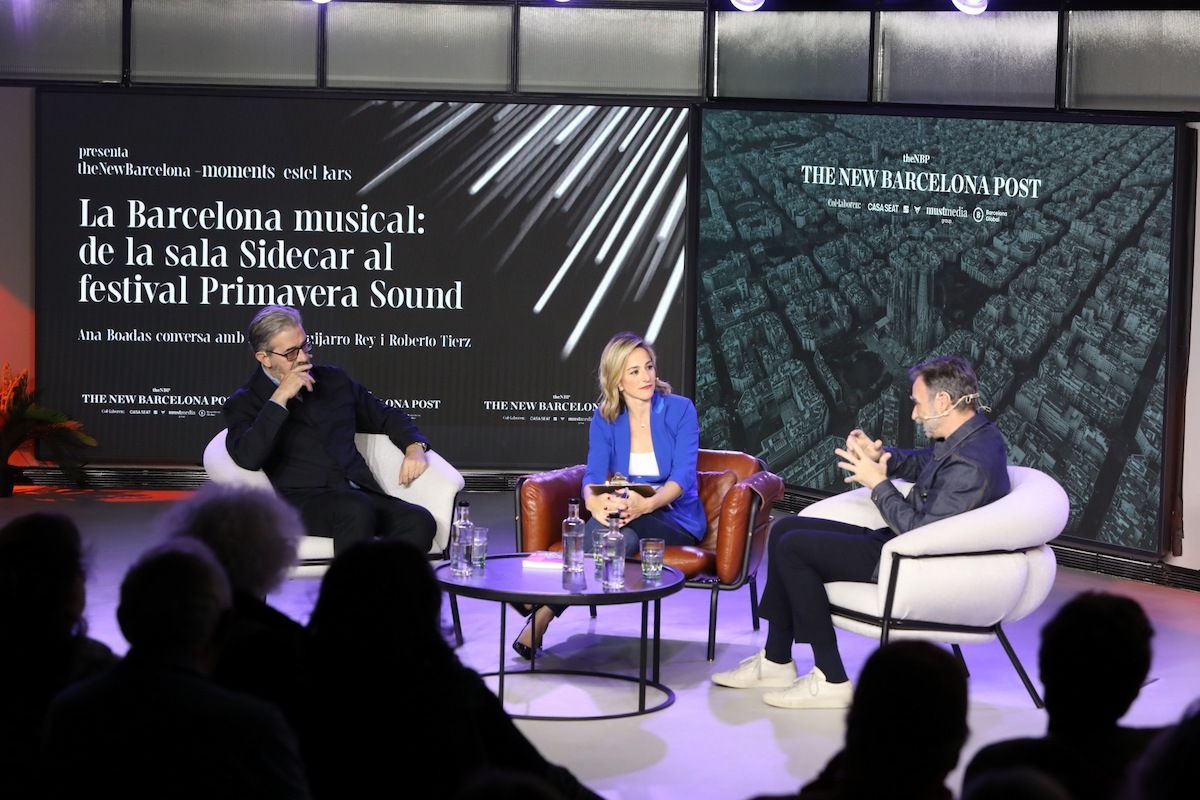
It was not the only disagreement with the administrations that has been exposed in the new session of The New Barcelona - Moments Estel·lars. Tierz lamented that music does not receive the same treatment as dance, theater, or opera. "Much progress has been made, but we are still not at the same level as other cultural sectors," he remarked. "Music has a brand problem, it seems less cultural if they see us happy and dancing," Guijarro stressed. "Let's go to concerts depressed, maybe they will value us more," Tierz seconded. And Guijarro added a tag, after seeing how sports events like the America's Cup are favored more: "There's a bit of Welcome Mr. Marshall. The America's Cup comes and they immediately agree, but they don't value a music festival that has grown here."
Add The New Barcelona Post as your preferred Google source for free
Stay informed with the latest news.