Montjuïc: the city's great cultural epicenter
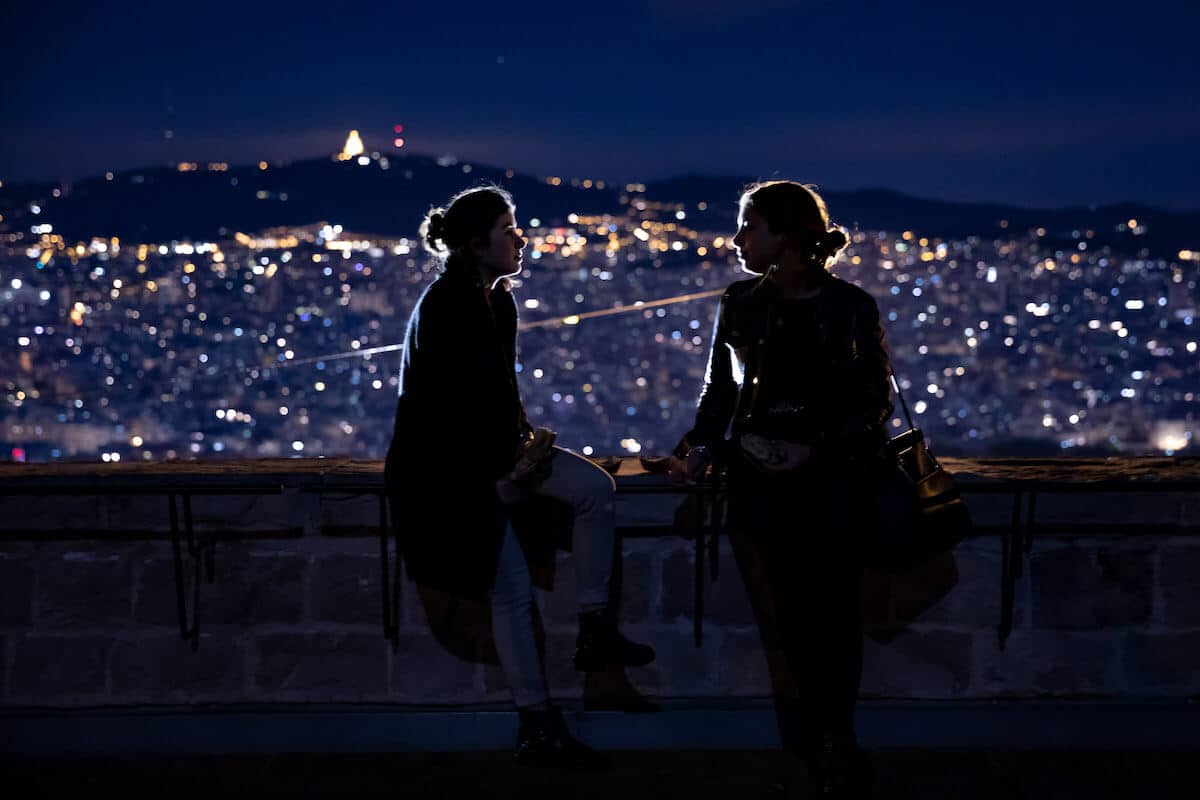
A few minutes' walk away, the Barcelona hill also offers proposals such as Montjuïc Castle, which is opening a new Interpretation Center after a complex process of reform and works, or the always suggestive Fundació Joan Miró. But there are also options for lovers of the performing arts, with proposals from the Museum of Performing Arts —from the performance by vedette and cupletista Glòria Ribera to dance and theatrical visits— and for those who look at sport with different eyes, the Olympic and Sports Museum vindicates Montjuïc as a key setting in the city's sporting history.
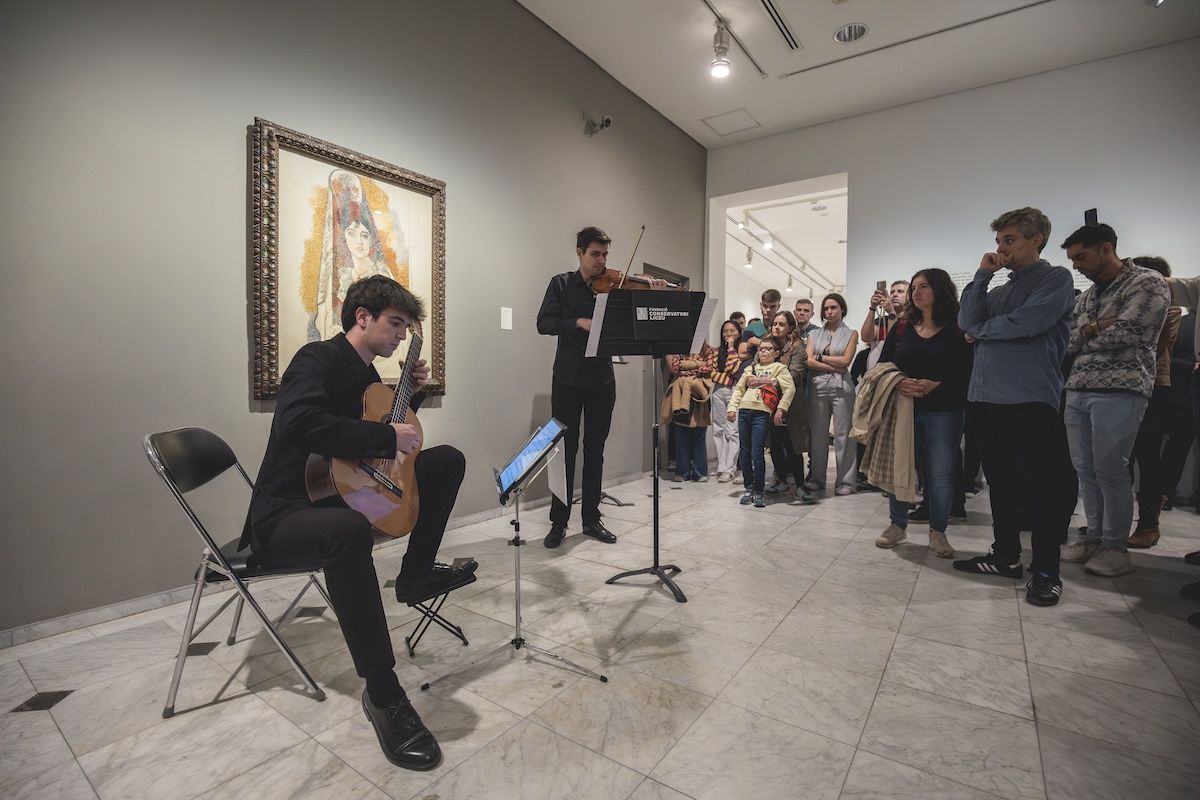
If the route extends to the foothills of Montjuïc, the journey continues amidst architecture, art, and memory. The Mies van der Rohe pavilion opens a path that runs through CaixaForum —with exhibitions such as Chez Matisse, in collaboration with the Centre Pompidou, and a series of Microconcerts— and also delves into the Espai Bombers to discover the history of the city's fire department. Not far away, the Maritime Museum transforms the Drassanes Reials with a videomapping on the Royal Galley that turns the space into a large light installation.
Ciutat Vella: between history, poetry, and avant-garde
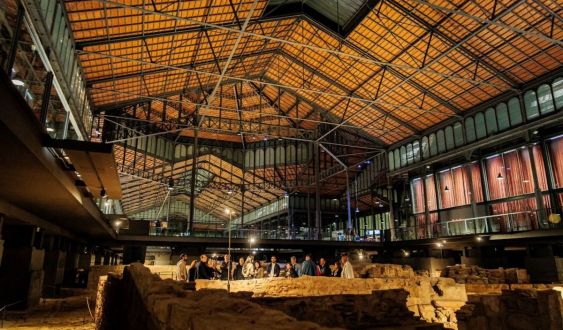
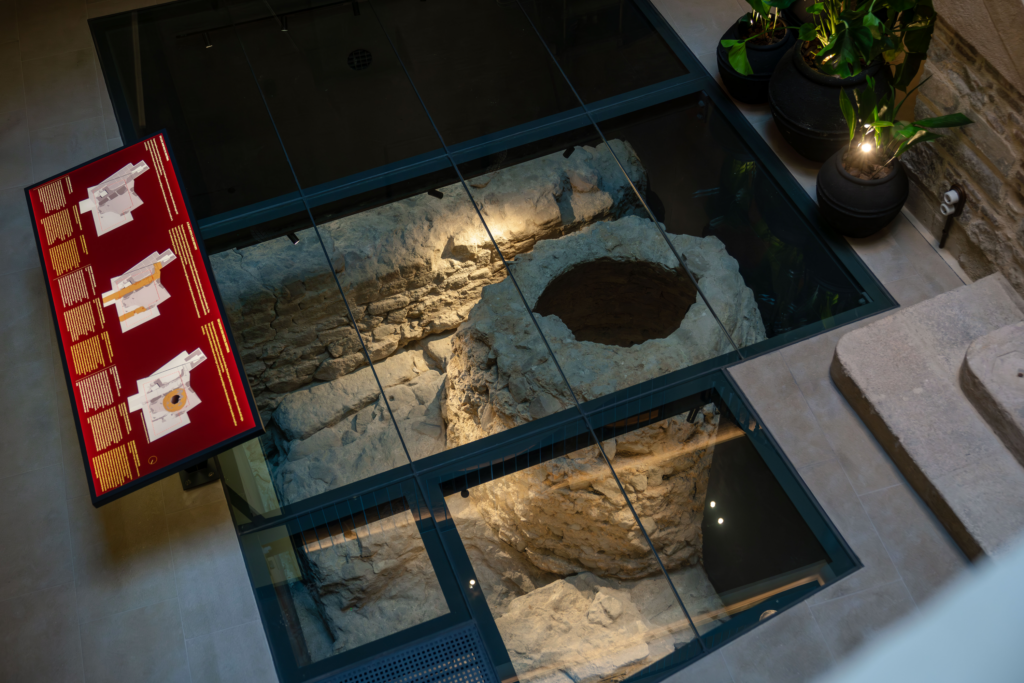
In the historic center of Barcelona, the Night of Museums is also experienced intensely. The narrow streets of the Gothic Quarter, La Rambla, and El Born become a mosaic of eras and languages, where each building seems to hide a different proposal. Visiting spaces like the Temple of Augustus, the Domus de Avinyó, or the Jewish Quarter —thanks to the Museu d'Història de Barcelona— in complete darkness allows rediscovering the city from an almost archaeological perspective, with ancient stones and Roman vestiges emerging in the city center.
But Ciutat Vella is not just the past: it is also experimentation and contemporaneity. At the Centre d'Arts Santa Mònica, the exhibition L'assalt de la il·lusió proposes an immersive journey through the mechanisms of the image and its capacity for manipulation in the era of deepfakes. Very close by, the Fundació Joan Brossa transforms the night into a poetic and scenic territory, with installations and performances that blur the lines between language, identity, and memory.
And still within this same more contemporary axis, La Virreina Centre de la Imatge presents one of the most unique experiences of the entire program: the screening of A Bunch of Questions with No Answers, a film of almost 23 hours that removes the answers from press conferences about the Gaza conflict and leaves only the questions, turning the center's courtyard into a space for continuous reflection on power, information, and institutional silences.
Outside the museum map
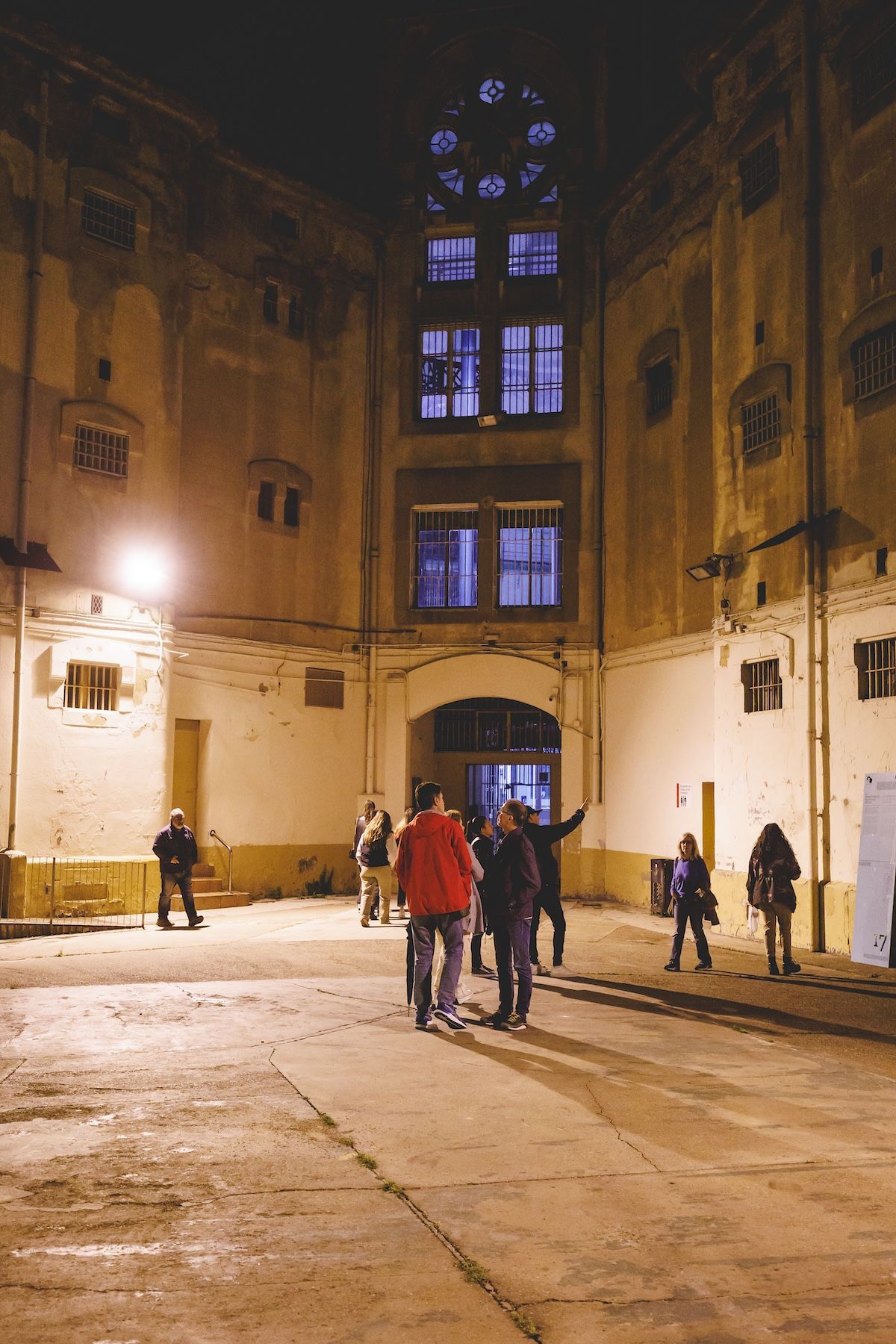
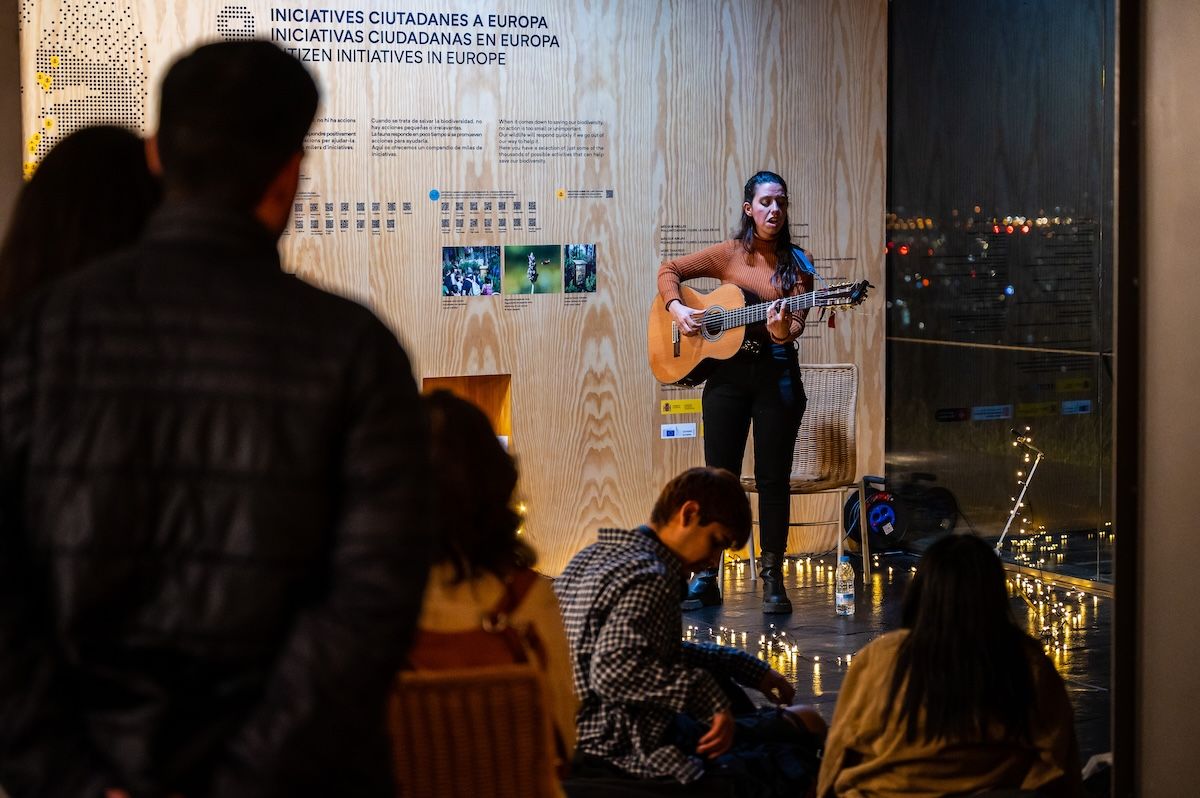
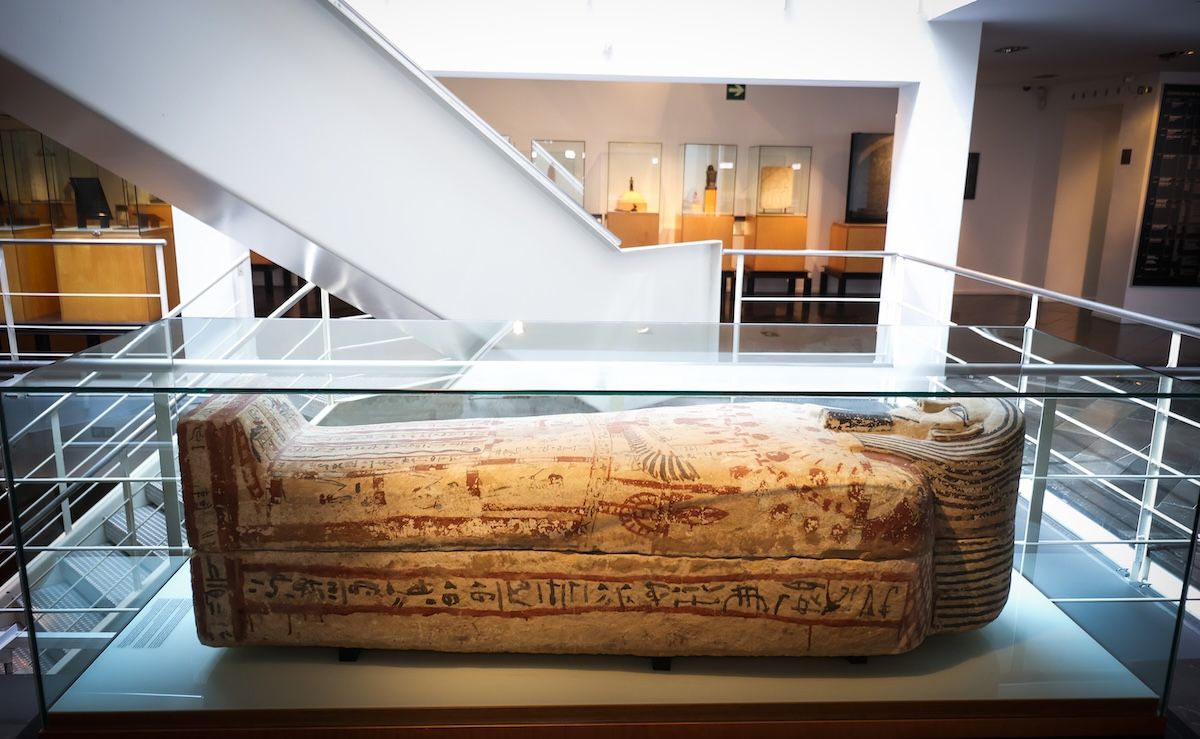
Among all the metropolitan municipalities, L'Hospitalet de Llobregat stands out especially this year with the expansion of its program and the incorporation of two new spaces: the La Bòbila Cultural Center and the La Florida 6.0 Digital Transformation Center, which add outdoor concerts and tours to discover the urban art that permeates the streets. A commitment that reflects the evolution of Museum Night itself, increasingly open to hybrid formats and participatory experiences, where facilities cease to be just exhibition spaces to become places of experimentation.
Add The New Barcelona Post as your preferred Google source for free
Stay informed with the latest news.