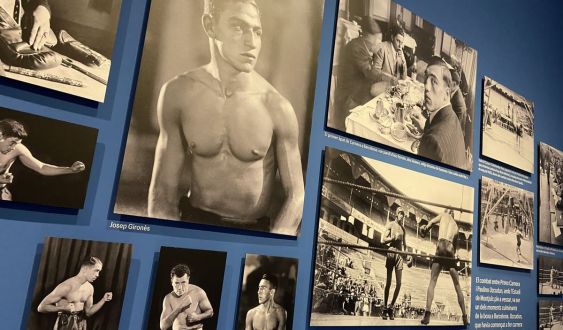
Take this exhibition not as a well-deserved tribute to one of our most important photographers, but also as the discovery of a Barcelona that, despite all political vicissitudes, always poked its head towards modernity. In this exhibition, they will not talk to us about photographic technique, nor about the framing and low-angle shots of the New Vision of the 20s and 30s, sufficiently visible in the retina of Casas i Galobardes, but rather we will find a mirror to the society where we like to reflect ourselves when we want to like ourselves.
There is a Barcelona that does not stop and does not decline, and that puts imagination and risk before the challenges of each era: there is another that stagnates or tries to make others stagnate, even if it dresses itself in common sense and order. This is an exhibition about the takeoff of an entire community, where unexpectedly revealed secrets await us, like when the negatives of Casas i Galobardes became true revelations. Do you want to know exactly where we Barcelonans come from, who we are, and why sometimes we don't recognize ourselves? Visit Palau Robert, until January 2023, room 2. Or keep ignoring it and not understanding what is happening to us, of course.
Modernity, reads the title of the exhibition, which is exactly what happened in Barcelona during the years of Casas i Galobardes (1892-1973), and not only between the two dictatorships: speed, boxing, football, amusement parks, bohemia, globalization avant-la-lettre. You can take a photograph (which I fear no one will take) with the Barça lineup from 1919-1920, that of Samitier and Platko (the latter with a poem by Rafael Alberti included), which won the first double of the Catalan Championship and the Spanish Championship (a few years before the club was closed by Primo de Rivera, along with the Orfeó Català, for whistling at a foreign anthem).
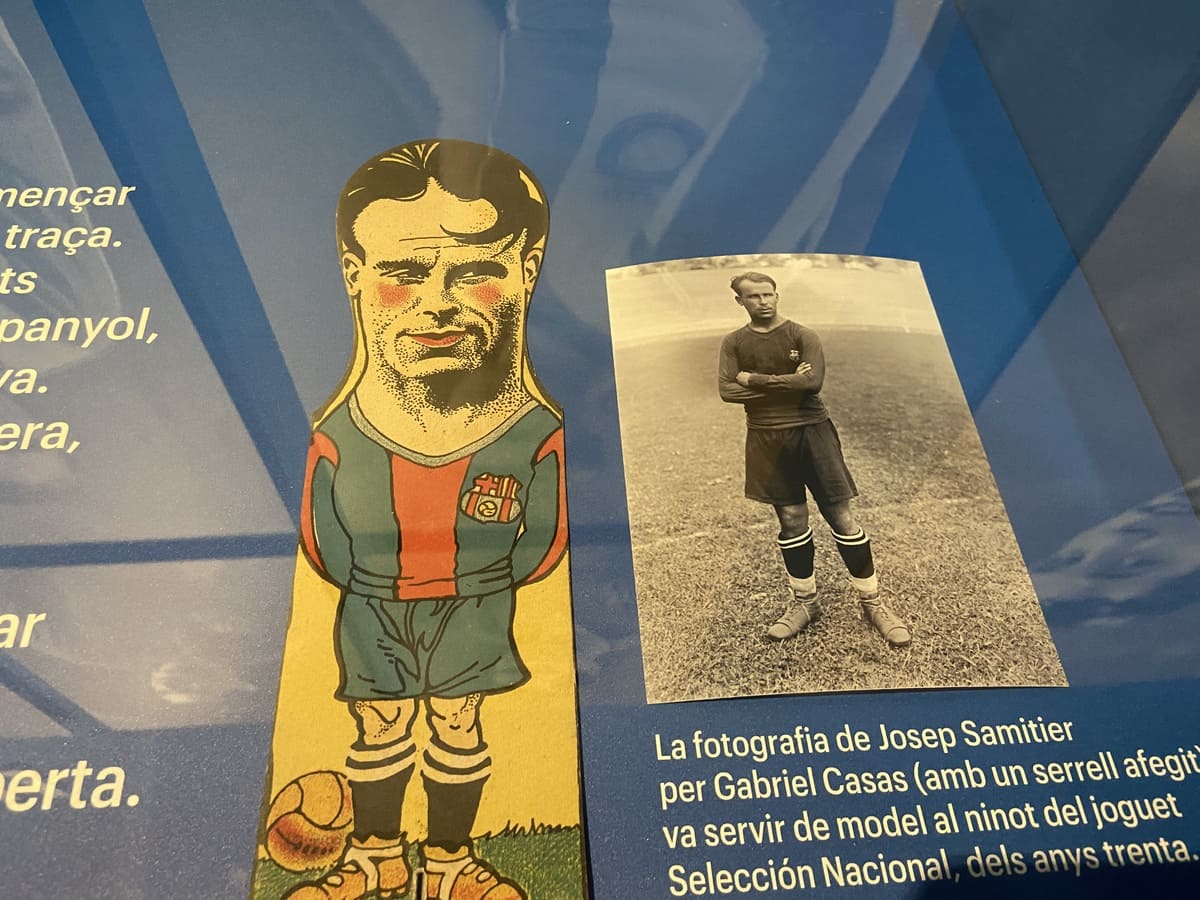
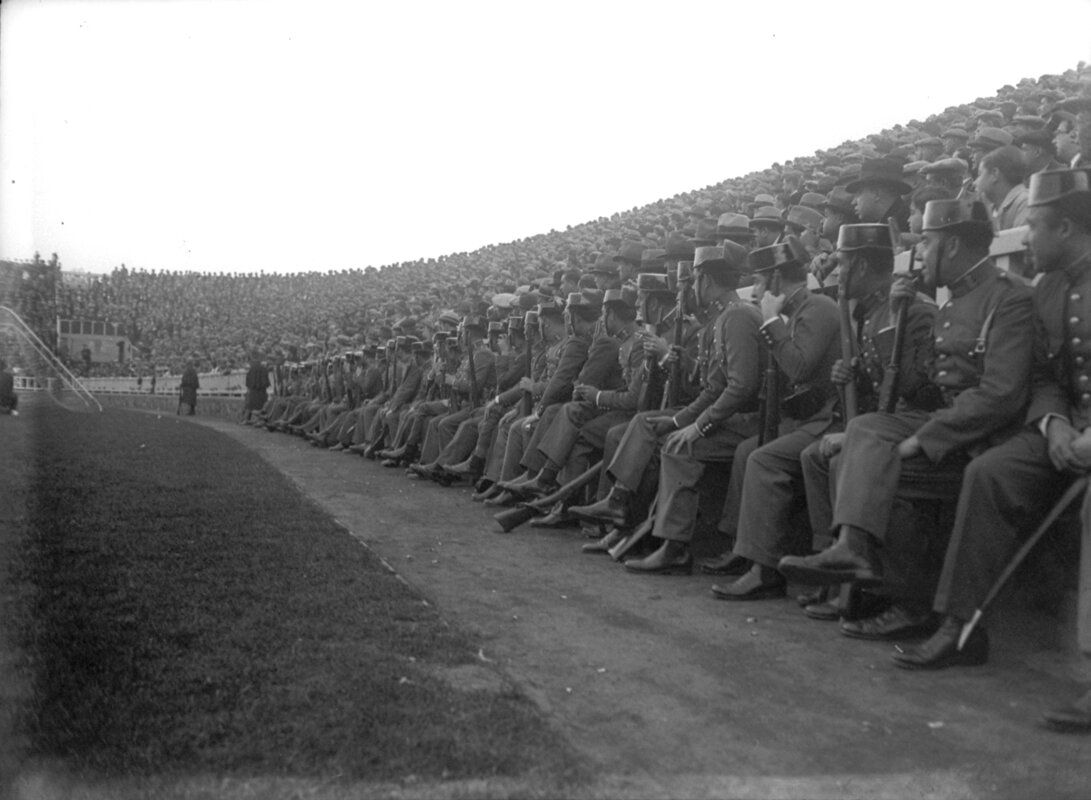
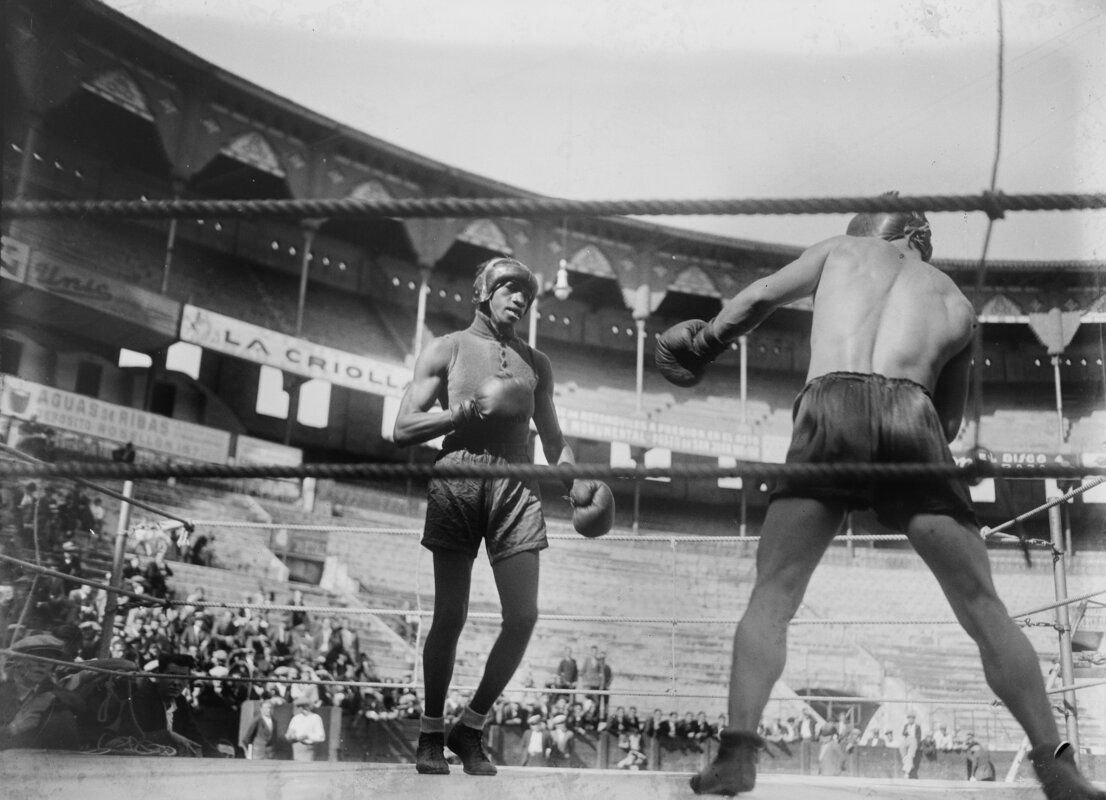
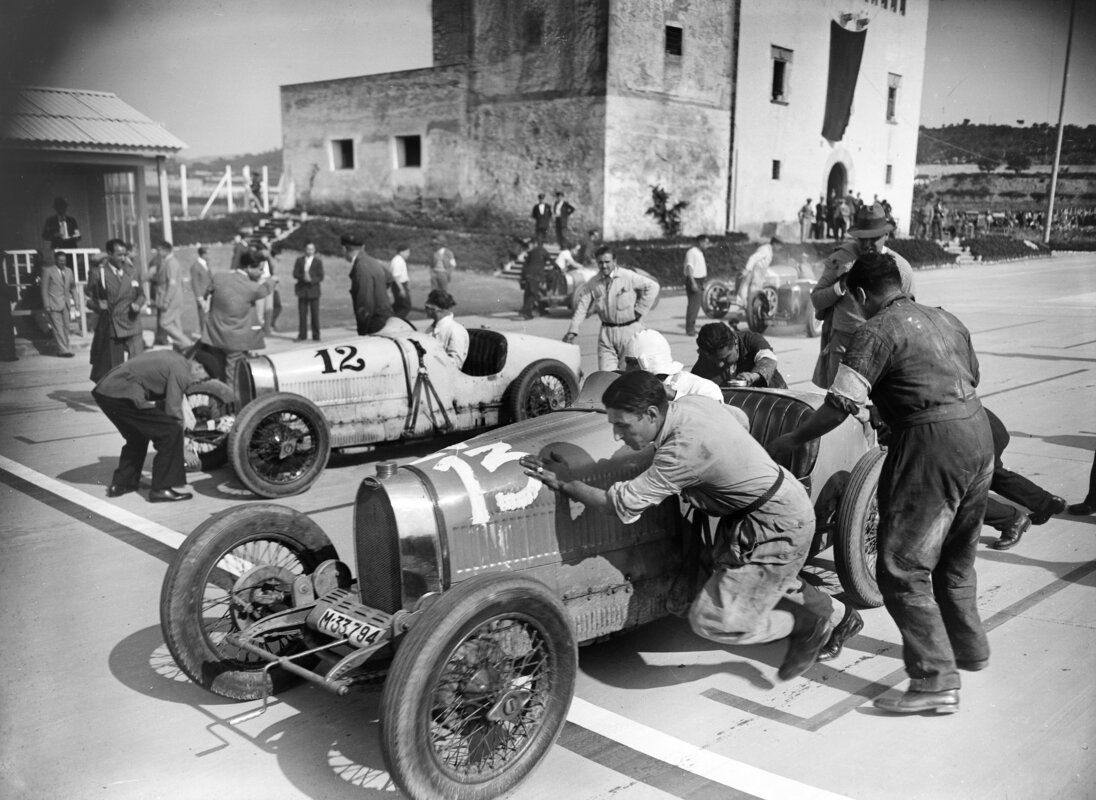
Casas i Galobardes photographs the spectacle, youth, and sport, but also the character and expressiveness of the participants: and not only of football players, but also of protagonists in cycling, boxing, and motor sports, thanks to his first job at Foto Sport (after returning from his escape to Argentina and Uruguay). The portraits of the Barça players and the parakeets are not cold trading cards to illustrate any Nike store, but authentic paintings full of expressiveness and inner light; the races on the Terramar circuit or in Sitges integrate the vehicles into the landscape and the spectators into the vertigo; the Civil Guards who still watched the derbies in 1930 show eagerness for one of the two teams to score (rifle in hand); boxers like Gironès, Alís, Uzcudun, Spalla or Ruiz are portrayed as scenes of Greek tragedy and again the backstage takes prominence, with a diligent glove seamstress. In Casas i Galobardes' photography, everything counts, the narrative is never missing, everything ends up looking like a thrilling movie based on real events.
A good part of the exhibition space is dedicated to the world of entertainment: dancers, singers, music-halls, jazz, tango, cabaret, the Demon's Jazz Orchestra, which combined foxtrot with pasodoble or sardana (El somni del mariner, from Chivarri magazine, with lyrics by Josep M. De Sagarra)… Modernity was expressed in the supposed (and surely exaggerated) joy of the twenties, but also in enigmatic mechanized spaces like elevators, funiculars, innovative escalators, the gadgets and contraptions of the 1929 Universal Exhibition, spaces portrayed in their emptiness and fixed in a dynamic static.
But also as an expression of modernity, the arrival of tourism: passengers arriving from Liverpool disembarking in the port, bottoms coated in sand on Sitges beach (a town that already aspired to be the Biarritz or Nice of the south), Buster Keaton arriving with his family in a Rolls Royce, a predecessor of the open-top tourist bus photographed from the Torre de Sant Sebastià, the "españoladas" (small tambourines, castanets, and sevillanas) that, like today, were already sold near the sea, and even an international reference in Catalonia to Vu magazine in July 1936, when on the verge of the Civil War, the innovative magazine titled "La découverte de un pays ressucité". A moment when something got into my eye. There. Where were we?
The Maricel amusement park, in Montjuïc, a slide in the shape of a whale's belly, the largest roller coaster in Europe, vertical advertisements for Juncosa chocolate or Jorba department stores, all of them configured Barcelona as a kind of spectacle-city of ephemeral architecture (especially after the 1929 Universal Exhibition). And when Casas i Galobardes dares to portray writers and journalists in the bar of the Hotel Colón (when it was in Plaça Catalunya) or in the Au Pingouin on Escudellers street (Planes, Sagarra, Arquimbau, Sempronio, Ventalló, Soldevila…) he seems to be doing a favor to a group of friends rather than immortalizing great voices of intellectuality. The cigarette Sagarra lights is so ephemeral, so alive and seductive, that you would almost ask him for one.
Thanks to the exhibition we will know that in the Fifth District (immortalized by Josep M. Planes in the magazine Imatges, with photographs by Casas i Galobardes) was "the queen of Barri Xino", María de la Paz Guerrero Molina, or that the corner of Cal Jaume was a hotbed house, or the immense number of transvestite artists of the 30s, who acted as "imitators" but also allowed themselves to be photographed half-characterized on the street, or that the name Sister Girls was for two Catalan transvestites inspired by the German Sister G (and here it is impossible not to remember that at the beginning of Qué tendrán ellos, qué tendrán by La Trinca, a voice introduces them saying ladies and gentleman, the Hermanas Sisters). We will also be able to walk through a Gothic quarter invaded by the neon lights of La Criolla or Cal Sacristà, with low-angle shots at cobblestone level that allow us to chew the night, and observe the list of neologisms and Anglicisms that Pompeu Fabra discovered in Vida Privada and that did not appear in his Dictionary: rimmel, suèter, cokteleres, amor lliure, lesbianisme, pippermint, gin, sex-appeal, fulanes, snobisme, nimfòmana, repicatalons, sandvitx, invertit or even sapastre i fúcsia.
But we will also know that Casas i Galobardes was arrested, tried, and imprisoned in '39, and that his refusal to adhere to the principles of the National Movement prevented him from continuing to work as a photojournalist (he dedicated himself to industrial and advertising photography) until 1973. Modernity, in Barcelona, has always come from one side. And it has always been attempted to be stopped by the other.
Add The New Barcelona Post as your preferred Google source for free
Stay informed with the latest news.
