Autumn and winter usually lengthen and widen the melancholy of those living abroad. Experts indicate that this phenomenon occurs because gray days and cold shorten distances, and then, finite space makes us aware of the remoteness of a memory or a loved one.
[subscribe_newsletter_esp]
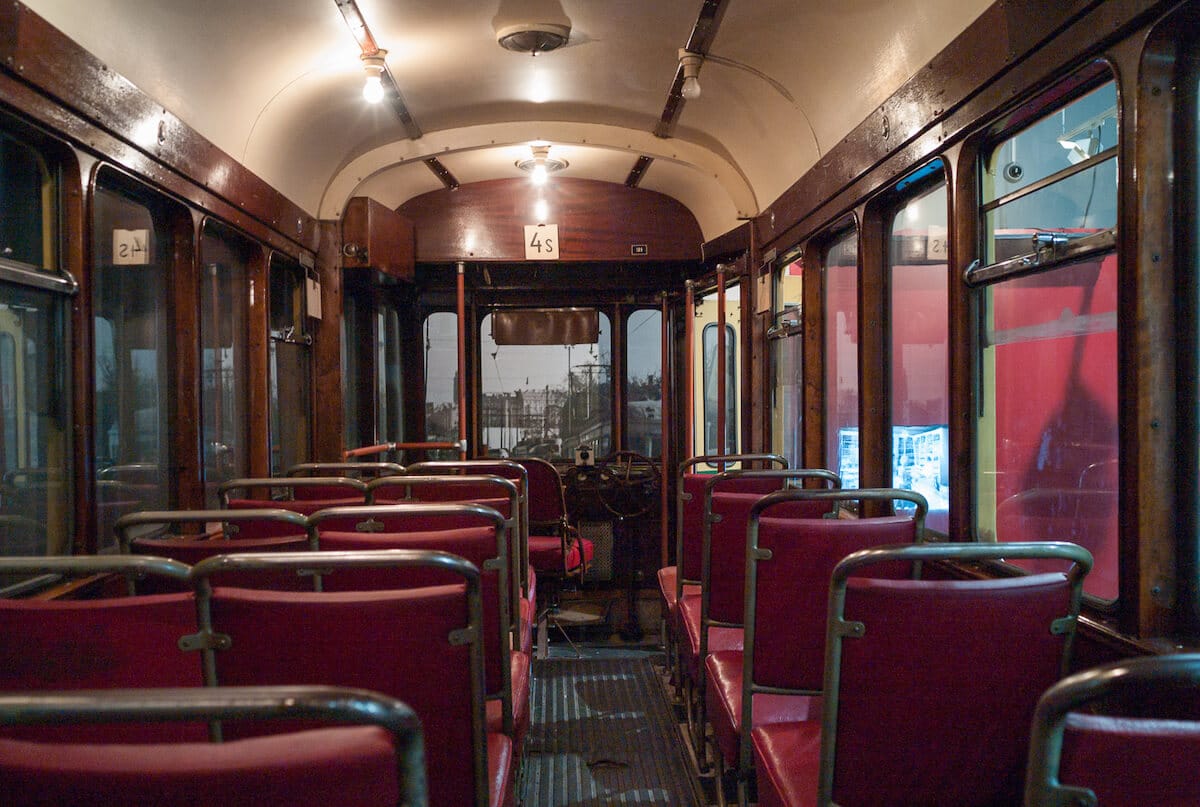
In northern countries, this circumstance is accentuated. Especially in enclosed and moving spaces, such as the tram, and more specifically in the older, narrower models, where the passage of years is plausible at ground level on the worn floor, in the seats, in the wooden window frames, and in the perfume that accumulates on the ceiling. Art, through cinema and literature, as well as photography, has dealt with this reality, that of unbridled longing as a consequence of forced exile or a long and voluntary stay. And within this reality, we have seen how people cling to some anchor, to an image kept in a wallet, in a letter read and reread, to a voice or an object of sentimental value. All to make the ordeal lighter.
The year I lived in Helsinki, I found one of these anchors in Barça broadcasts. In those days, telecommunications had advanced remarkably but not enough to be able to listen to, much less watch, matches from anywhere. Therefore, to connect, I had to wait until I got home or do it from an internet cafe. Since I lived on the outskirts of the city, to get to the broadcast I had to calculate the forty-minute journey by commuter train.
The interior of the commuter train was brightly colored: oranges, yellows, and reds. Colors that attenuated the darkness that, by mid-afternoon, had long been absolute. It was comfortable in the car. I liked to sit towards the end and, from that angle, observe the passengers. For contemplation, choosing the angle is indispensable. The angle places details more or less within reach. And it is indispensable because, from details, only from details, it is possible to construct stories. The angle of the commuter train car was similar to the one Johann Zoffany, a controversial neoclassical painter, chose to represent the Tribuna of the Uffizi: walls plastered with art from all times, transitioning between Egyptian, Greek, Roman, and even Renaissance legacies. A labyrinth of history with the oncetitular of the Medici collection. An angle practically identical to that of the press boxes at Camp Nou, to the left of the Gol Nord.
Upon leaving Rastila station in the Finnish capital, a lamppost leaned towards the shortcut that modified the path to the front door of the house and transformed it into three or four hundred meters in a straight line over the snow. I arrived with enough time to prepare some slices of pa amb tomàquet ---another of the anchors---, a tradition I had passed on to my flatmates: a Hungarian, a German, and an Italian who claimed to be in his early thirties, although we all knew he was over forty, and whom we adored because, among other compliments, he had the patience to prepare us a plate of pasta bolognese when we returned from Molly Malone's Pub on Friday. Then I would lock myself in my room and after eating the pa amb tomàquet I would lie on the bed among cushions, under the warmth of a radiator on low, and connect to the broadcast, which seated me in the stadium stands.
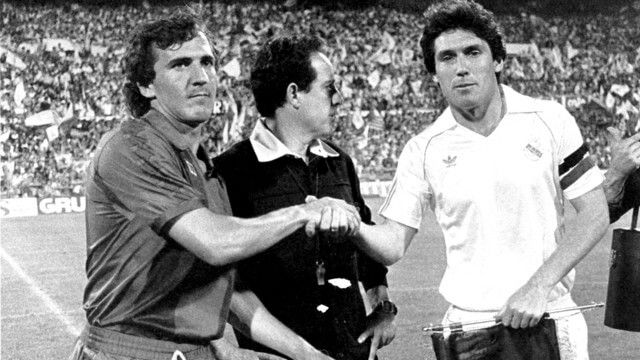
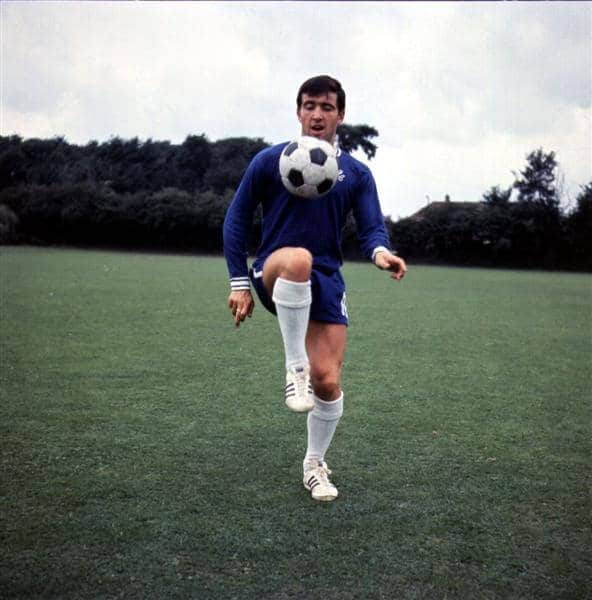
The first match I witnessed at Barça's field was after the Seville final. Between the last days of Terry Venables and the Hesperia mutiny. The fan of that time, devoted to a Barça of almost religious notation that year after year entrusted itself to the Moreneta, resigned himself to lesser aspirations in the form of the Cup, UEFA, or European Cup Winners' Cup.
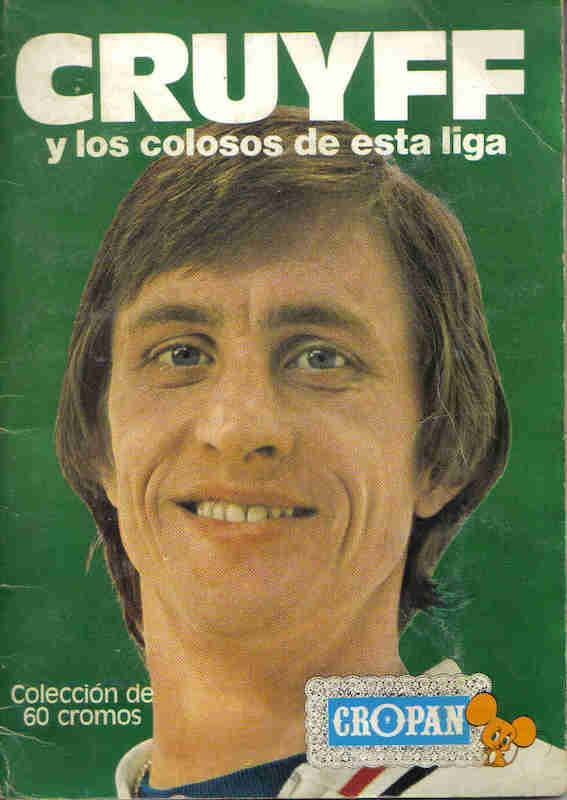
Football was already overflowing with popularity, of course, as has been happening practically since its beginnings, when the stands of the Les Corts field lacked space to accommodate so many butts. But, unlike now, the dimension of 20th-century football was domestic, familiar. The limited proliferation of symbols made them valuable: the team poster or the one of the starting eleven from a heroic match —in both cases encapsulated in the central pages of a sports newspaper— that the bar owner framed next to the liquor shelf. A keychain, the classic triangular pennant, a cloth flag made a few kilometers from home, or a Meyba tracksuit. The testimony of the players was also different. Less haughty behavior and at the same time less artificial, less predictable. But first the Bosman law, coupled with the increase in TV minutes, and later, social media, have ended up burying the fantasy of collecting Maradona, Matthaus, Gullit, or Baggio trading cards, giving way to an endless list of celebrities setting trends.
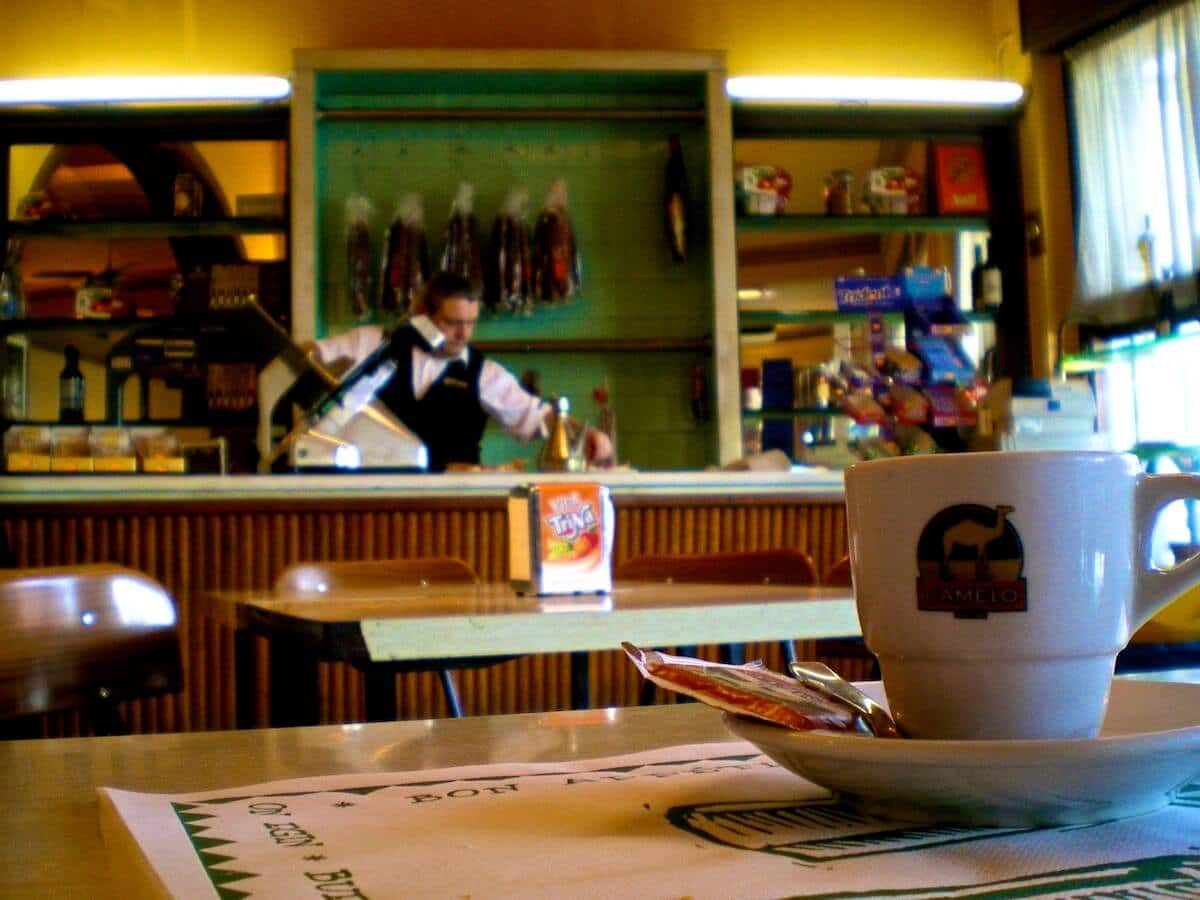
For those of us from the interior of the country, traveling to Barcelona had been an event. The world stopped. Even if the trip was during the week, we dressed as if it were a Sunday. Along the three to four-hour journey, at least one stop was mandatory. We used to stop at La Panadella, a unique complex to refuel and have a cortado in the cafeteria-restaurant that has remained as a vestige of a remote era. However, there was one exception for which we not only didn't dress up but, had we not been minimally decorous, we would have gone in house slippers. This exception was the matches at the stadium. This was because attending Camp Nou, ultimately, was like entering the living room television. And in the living room, matches were watched in plush slippers.

Once inside the stadium grounds, in the access area, we moved with the skill of someone who wants to hide being sold out with so many people up and down. I still have the impression of the first time etched in my mind. From the gray of the concrete to the impact of the spotlights on the green carpet and the hustle and bustle. And halftime, the fifteen painful minutes ---I recognize them as such precisely so as not to diminish them---, those of the appetite facing the sandwich we had reserved in our backpack until then: we unwrapped the aluminum with numb hands and discovered the soft bread and the yellow lace of an already cold omelet. Meanwhile, from the opposite stand, we were crumbs for the landscape of a journalist who, like Zoffany, was detailing elements to make the proposal more intense.
In the Helsinki room, the match unfolded pleasantly. When a goal came, he celebrated with a smile. Or perhaps he let out a shout. I don't remember. In any case, if there was a shout, it must have been dry; he didn't celebrate them like at home. By the time the broadcast ended, it had been dark for so long that it was hard to understand that, ahead, there were still the same hours of darkness, or more, to live through, with nothing familiar within reach.
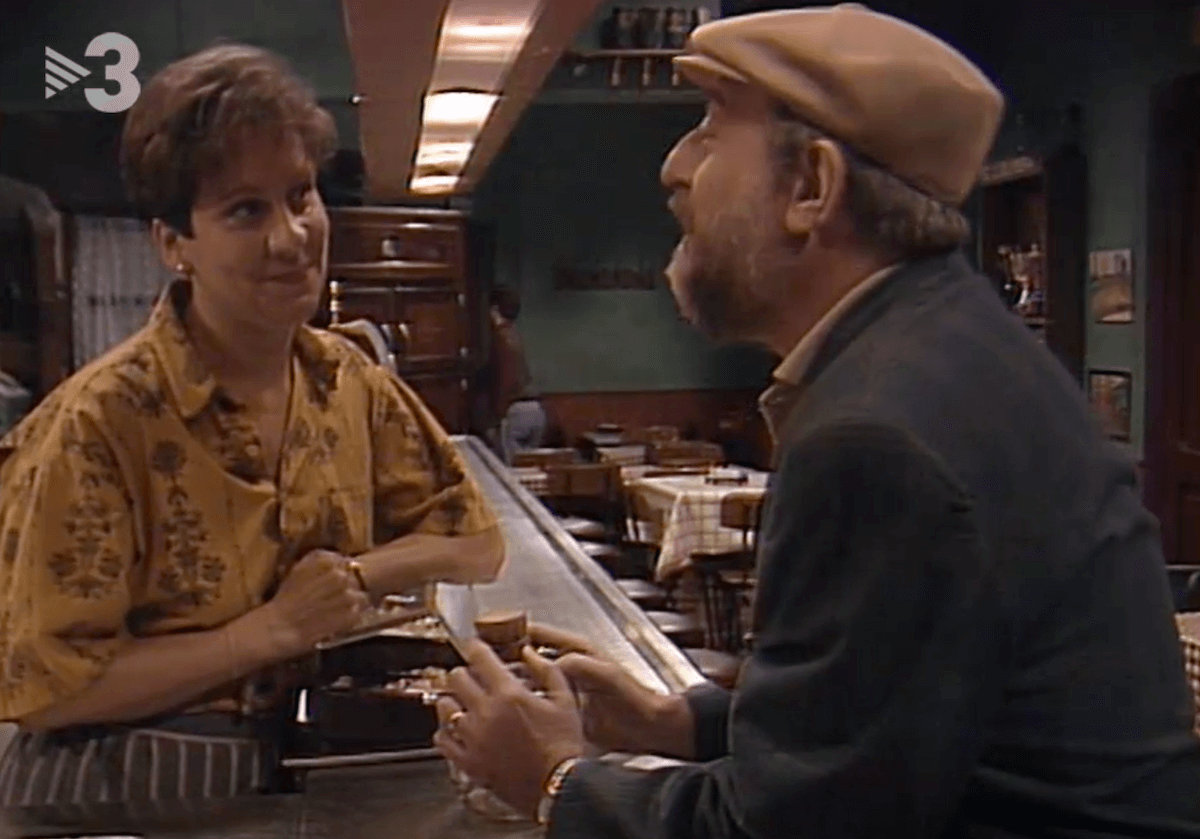
I learned the news of Puyal's broadcasts ending fifteen years after my stay in Finland. It caught me on the road, looking at a straight stretch. I remember it because it coincided with Laia's anniversary. It didn't impact me. There's a moment in life after which certain news stops doing so. You open your throat to unsuspected levels and everything passes. In the village, we didn't tune into TdP. Not even Catalunya Ràdio. In the village, we put on Puyal. Phonetically it would be posálpuiál. But not only for the narration of Barça matches. Posálpuiál also meant changing the channel to tune into Vostè jutja, La vida en un xip or Un tomb per la vida. Barcelonans, and Catalans in general, are curious in this sense for the ease with which we integrate public figures into the family sphere. Joaquim Maria Puyal is one of these cases, with the added bonus of having revolutionized the landscape of television and radio formats. Contributing to generating opinion and debate in Catalan, an indispensable tool for forging the country's collective imagination through these programs or the first serials like La Granja, menjars casolans, which normalized everyday life and made access permeable to a social and psychological dimension then still covered under the implacable blanket of Francoism.
On May twentieth, 1992, the day of the Wembley final, twenty-six years before the news of his broadcasts ending, Ronald Koeman, current Barça coach, narrowed the distance between bimba and goal. Koeman, like Johan Cruyff, like Puyal, like all of us listening to the match, were in Zoffany's angle. A voice-over preceded a turning point in football history. A voice-over that still today brings tears to my eyes: picacúmaaaan...
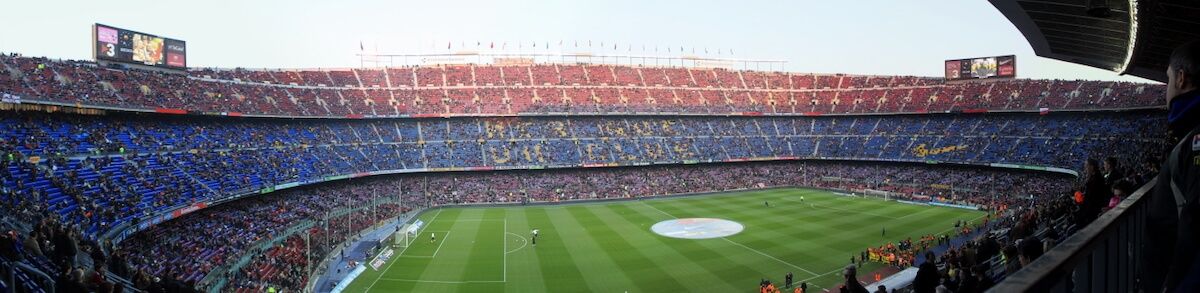
Panoramic view of Camp Nou.
Add The New Barcelona Post as your preferred Google source for free
Stay informed with the latest news.