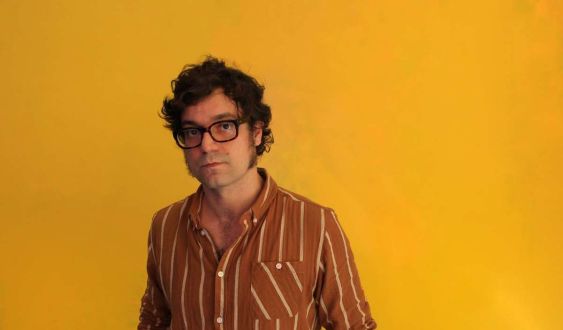
He arrives mid-morning, annoyed by the evening closure of hospitality venues imposed by the pandemic, "which prevents you from having that quick beer when you take out the trash or go to the corner store to buy something" and already accustomed to a daytime schedule, a result of fatherhood "of two offspring, the older one three years old, and the younger one a few months old." But here he is, as he always says, "on the front line of the bar" and with his new novel, Simón (Blackie Books), under his arm.
--First, a "quinto" (small beer), right?
--Of course.
More than as a writer, Miqui Otero describes himself "as a person who writes and who started doing it from a very young age, who is repelled by the 'malditismo' (cursed artist trope) and tries to be, as much as possible, cheerful." At five years old, he used to write a small daily story in his notebook, taking advantage of the school break for lunch. "At eight, I participated in story contests at school, with stories that students from other centers would then copy from me."
--They plagiarized you at eight years old??
--Yes, and they even won prizes, but I took it as a way of praising what I did.
From that stage, this forty-something from Barcelona fondly remembers his first character, "a dandy ghost named Sabanito, who always made an appearance with a sheet of a different pattern and impeccably ironed."
With the entry of music and Pop ethics and aesthetics into the irrigation of his teenage life, that flow was directed towards writing articles for fanzines and magazines. Many about music and other subcultural expressions, whether about Northern Soul, the series The Prisoner, reclaiming the legacy of Los Canguros, or even organizing a music club, together with fellow journalist and musical sybarite, Daniel Rodríguez Caruncho, called Our Favourite Club.
The memory of Miguel Otero and Casavella's challenge
Summers spent in Lugo, his parents' homeland, led a young Otero to do internships in the newsroom of the local newspaper El Progreso. "Another Miguel Otero worked there, so, to differentiate myself from him, I then signed as Miguel Otero Díaz. The thing is, despite his shyness, Miguel and I ended up becoming intimate friends. And he was, truly, a guy with a razor-sharp humor and an overflowing imagination. He might never have written fiction, but talking to him was like immersing yourself in a thousand and one stories. The thing is that the story ended tragically, with his sudden death, and I then started signing as Miqui Otero, but never as Miguel out of respect for the memory of that enormous writer without a body of work."
--And how do you make the leap to the novel?
--Because of a challenge Francisco Casavella posed to me.
It happened like this: one day, the lamented author of El Día del Watusi, Otero's cousin, challenged him: "he told me to see if I could publish my first novel before I was 30, I managed it by the skin of my teeth, although he wasn't there to see it," he recalls about his debut, Hilo Musical, which ended with a great cathartic tumult to the divine rhythm of the Majestics and their (I Love Her so Much) It Hurts Me.
And now, years later, Miqui treasures a series of acclaimed works, among which Rayos stands out, "for being the one that best defines my twenties" and the new one, Simón, "because for me it has meant taking a step further." He is also involved in the organization of the literary festival Primera Persona, "a very good idea, especially at the beginning", and collaborates with El Periódico and RAC1.
--Didn't you also work as a professor at the university?
--Yes, although I had to leave it due to lack of time. I have to say that I really enjoyed teaching in Bellaterra to kids slightly younger than me. I think they learned, but I also learned a lot.
Barcelona as homeland
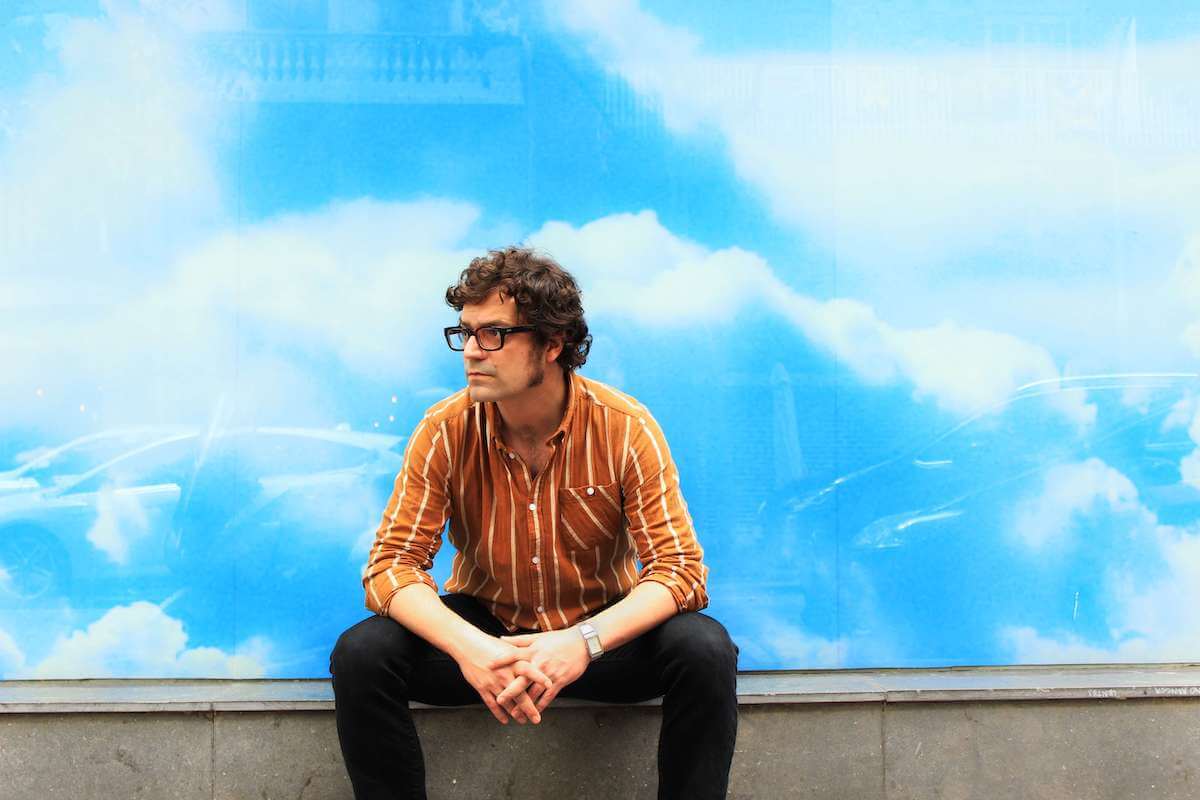
"I don't like this city's obsession with renovating everything, with plunging into a kind of forced amnesia that erases its identity. It seems that this whole exercise of 'cleaning' is more thought out for those who come from outside than for those of us who are from here. I prefer a lifelong bar with a waiter with better or worse humor, than a chain where they write your name on the coffee cup," claims the writer who, like so many Barcelonans, considers himself more from this city than a subject or citizen of any other nationality.
"I was born here, I grew up here. Barcelona appears a lot in my novels. It's a relationship like the one you have with a brother or good friend, at home you can complain a lot, criticize it, run it down, but outside of it you defend it to the death."
The speaker spits, implacably, the banal notes of that minimum common sound denominator called radio formula, serving as a loudspeaker for meager musical inventiveness grotesquely wrapped in high production budgets.
--Maybe I should turn off the radio or put on something decent, right?
Miqui Otero takes the last sip of his gin and tonic and, making a gesture to order another, replies:
--It doesn't matter. Leave the radio on with whatever is playing and let's not give it too much importance, the value here is in what we talk about. If the conversation then goes in musical directions, or if it declines and we start clapping, we'll choose what to listen to.
And then Maluma is, quite rightly, relegated to the category of background noise.
Add The New Barcelona Post as your preferred Google source for free
Stay informed with the latest news.
